















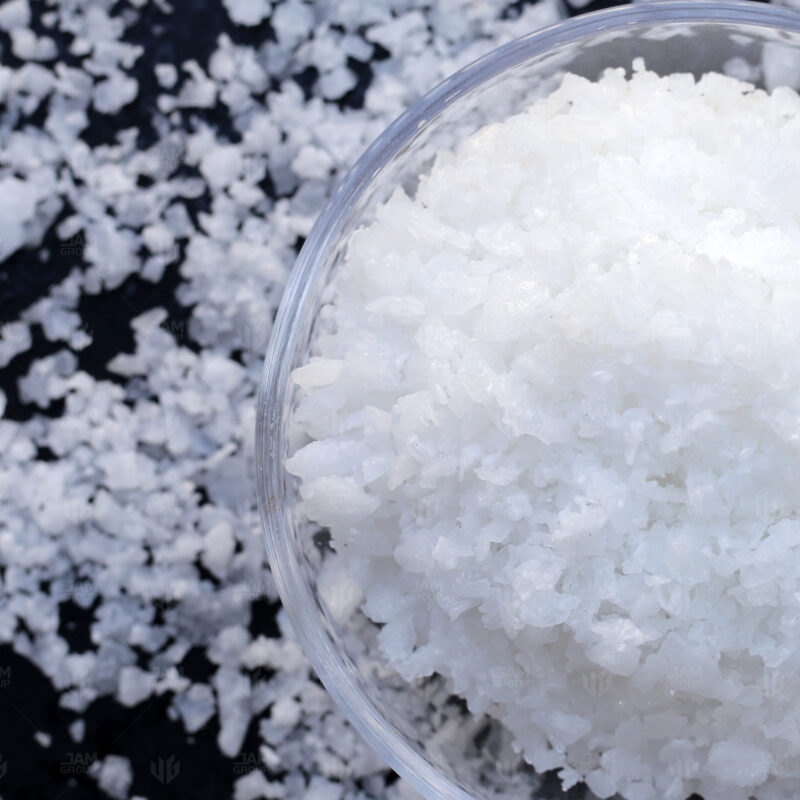
Caustic Soda Flakes 98% Supplier
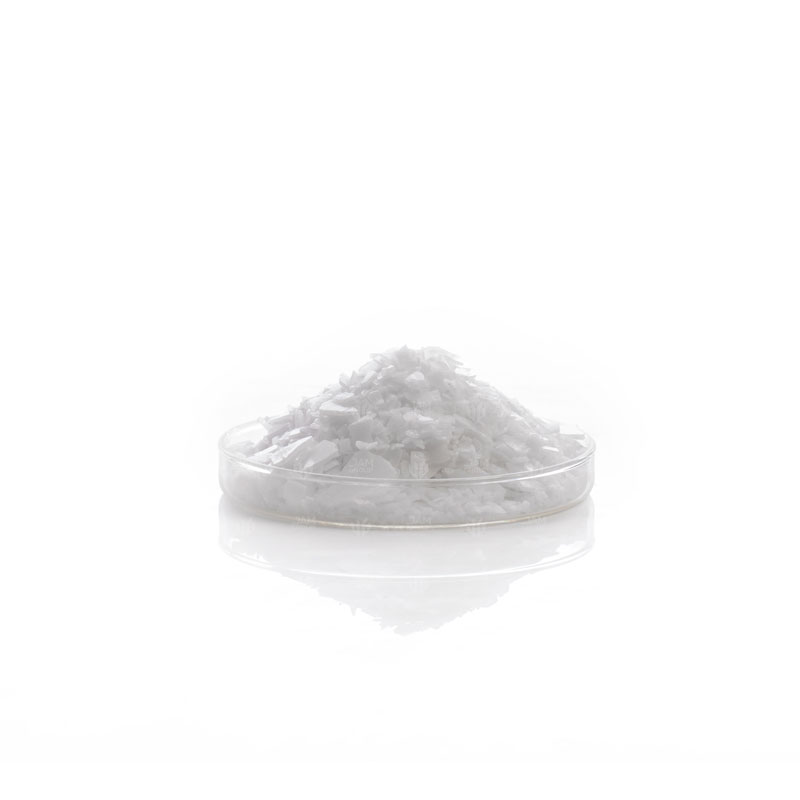
Caustic Soda Flakes 98%, also known as Sodium Hydroxide (NaOH), is a high-alkalinity industrial chemical widely used in chemical processing, textile production, pulp and paper manufacturing, water treatment, mining, alumina refining, and the production of soaps and detergents.
JAM Group supplies Caustic Soda Flakes 98% to industrial customers, distributors, and international buyers requiring a reliable source of sodium hydroxide for manufacturing and processing applications. Our supply service is designed around product consistency, appropriate packaging, export documentation, and dependable logistics.
For current availability, specifications, packaging options, and commercial terms, contact our sales team to request a quotation.
What Is Caustic Soda?
Caustic soda is the common industrial name for sodium hydroxide, an inorganic compound with the chemical formula NaOH and a molecular weight of approximately 40.00 g/mol.
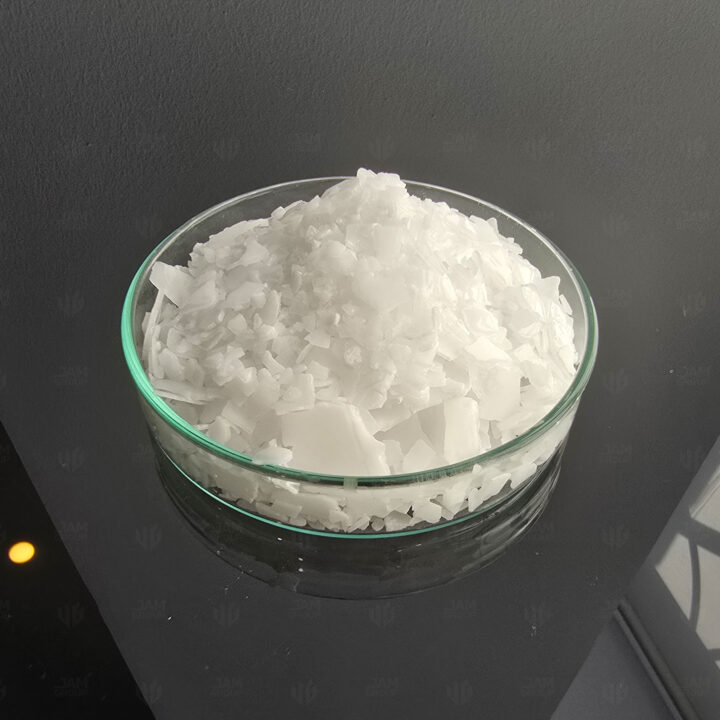
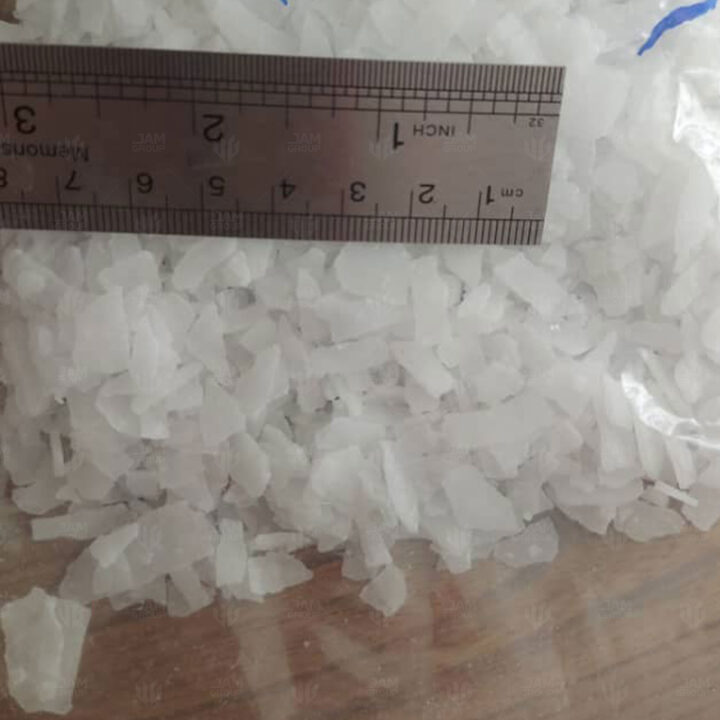
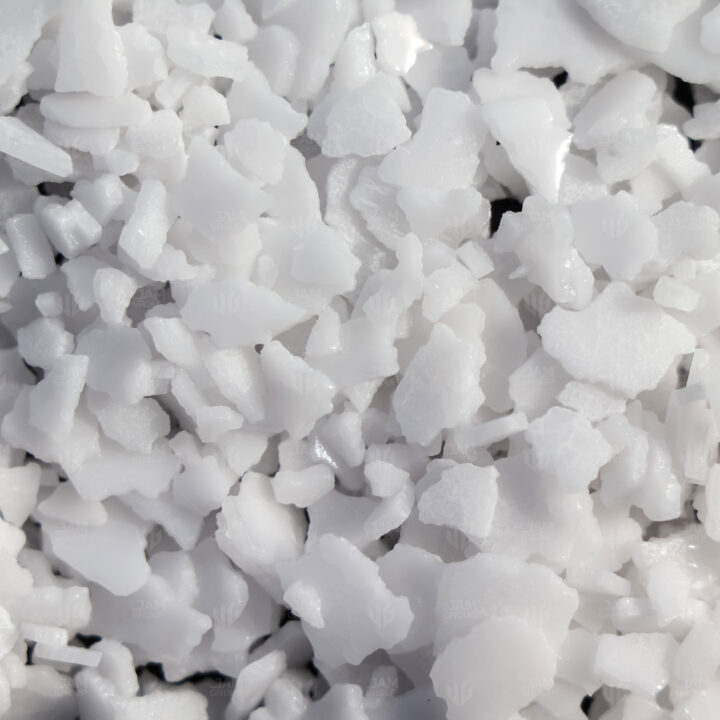
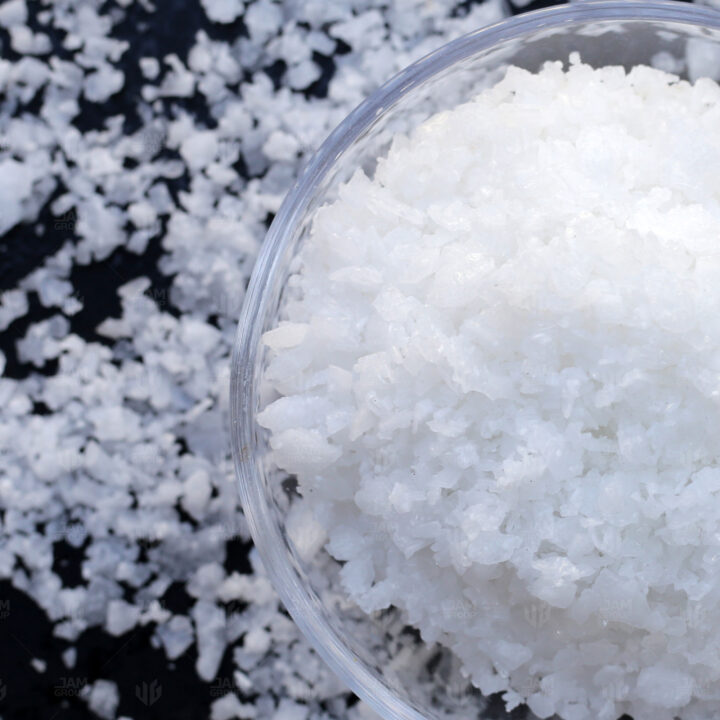
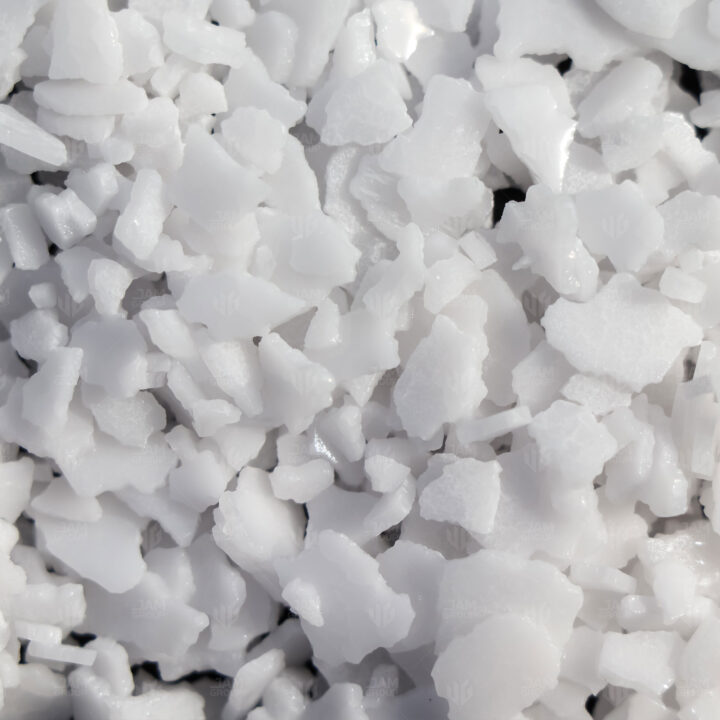
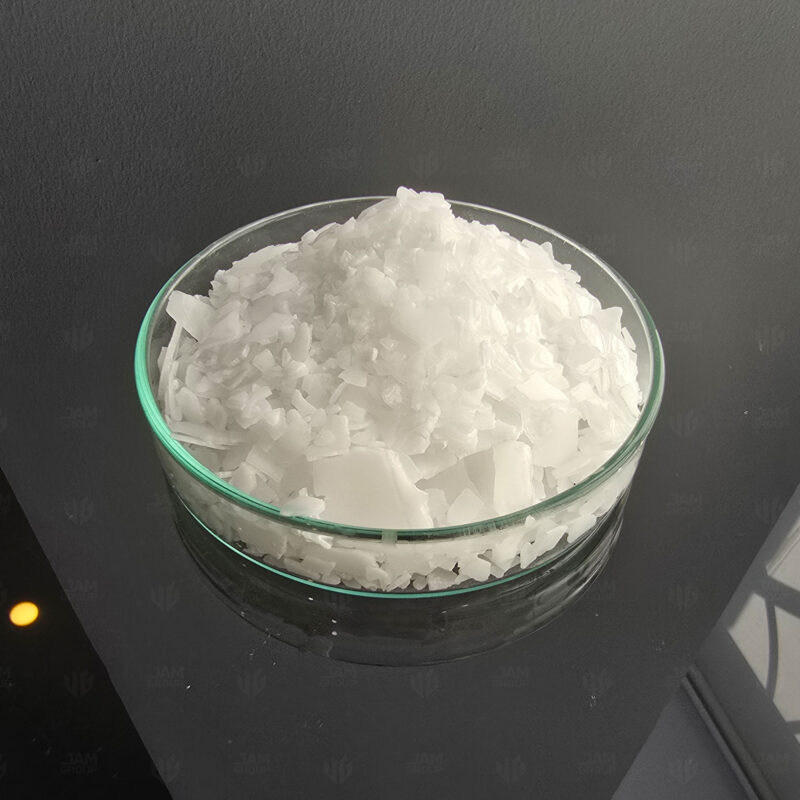
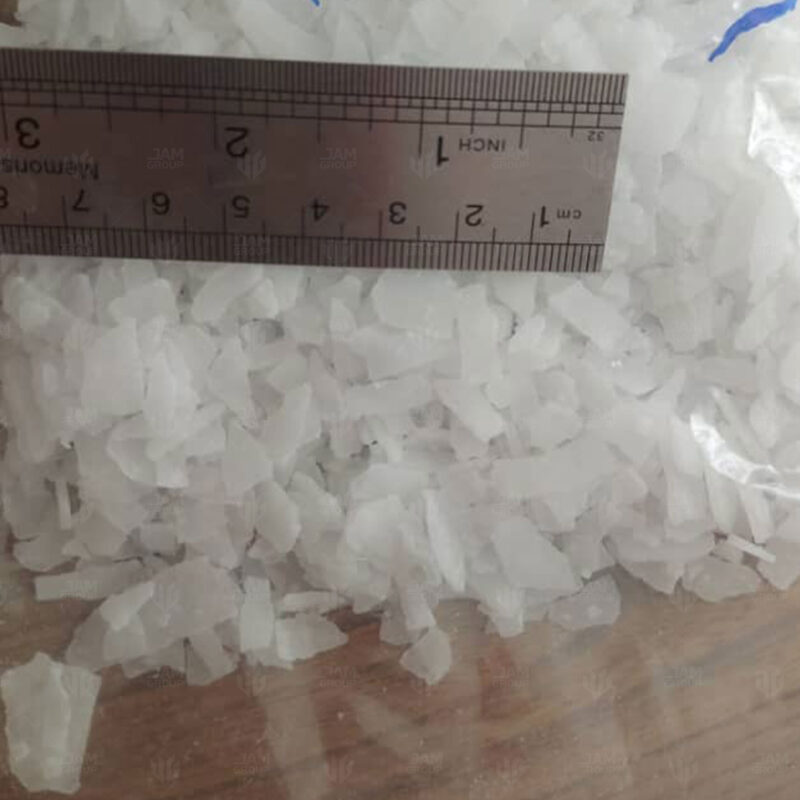
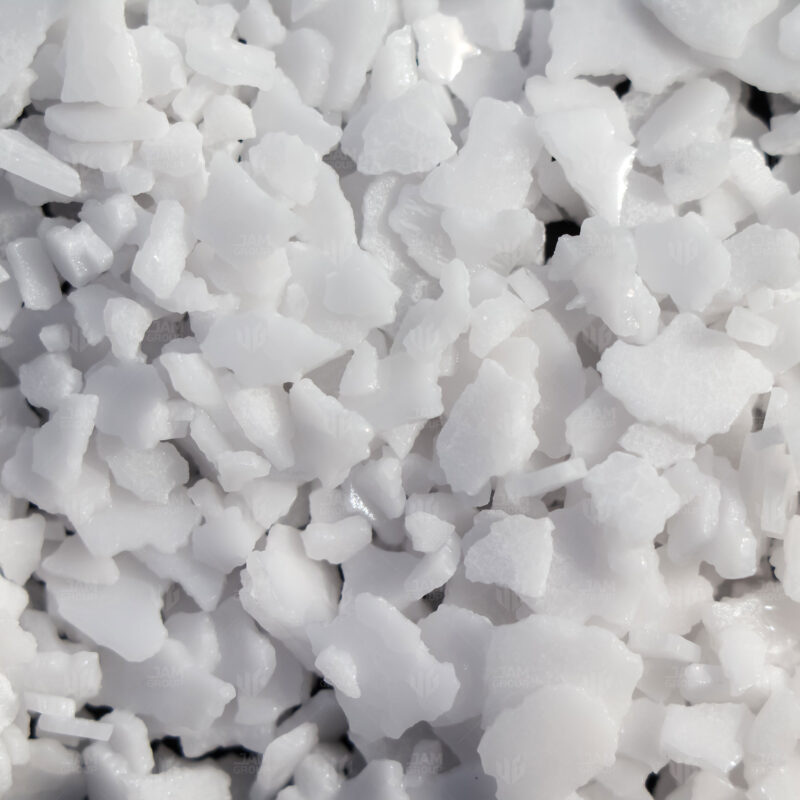
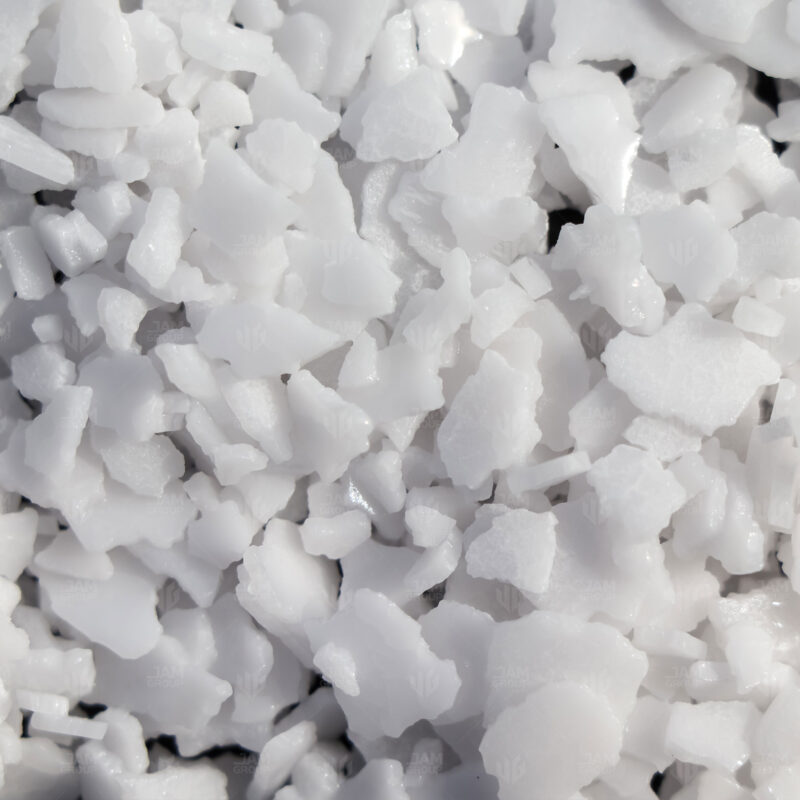
In solid form, caustic soda is typically supplied as white flakes or other solid forms. It is highly soluble in water and produces significant heat when dissolved. Because of its strong alkaline and corrosive properties, industrial handling, storage, transportation, and application must follow appropriate chemical safety procedures.
Caustic soda is an important basic chemical because it can be used for pH adjustment, neutralization, chemical synthesis, cleaning and processing, and the treatment of various industrial materials.
Caustic Soda Flakes 98% Specifications
JAM Group’s product range includes Caustic Soda Flakes 98% for industrial and commercial applications.
Typical product information includes:
| Property | Typical Specification |
|---|---|
| Chemical name | Sodium Hydroxide |
| Chemical formula | NaOH |
| CAS Number | 1310-73-2 |
| Molecular weight | 40.00 g/mol |
| Physical form | White flakes |
| NaOH content | 98% min. |
| Nature | Strong alkaline compound |
| Solubility | Highly soluble in water |
| Packaging | Available according to buyer requirements |
The exact specification, certificate of analysis (COA), packaging configuration, and available quantity should be confirmed with JAM Group before purchase.
Main Applications of Caustic Soda
Caustic soda is used across a broad range of industrial processes. Its strong alkaline properties make it particularly useful where manufacturers need an effective base, pH regulator, neutralizing agent, or processing chemical.
Chemical Manufacturing
Sodium hydroxide is an important raw material and processing chemical in the production of numerous inorganic and organic chemicals. It is used in neutralization reactions, pH adjustment, chemical processing, and the preparation of sodium-based compounds.
Pulp and Paper Industry
Caustic soda is widely used in pulp and paper processing. It can assist with the treatment of wood and cellulose materials, chemical pulping processes, and the removal of unwanted components from raw materials.
Textile Industry
In textile manufacturing, sodium hydroxide is used in several stages of processing, particularly in cotton treatment and mercerization. It helps modify the properties of cotton fibers and can contribute to improved dye absorption and fabric performance.
Water Treatment
Caustic soda is used in industrial and municipal water-treatment processes for pH adjustment and neutralization. Depending on the treatment process, it can also be used to create alkaline conditions required for specific chemical reactions and contaminant-removal processes.
JAM Group also provides information on the use of caustic soda in water-treatment applications.
Alumina and Aluminum Processing
Sodium hydroxide is an important chemical in the Bayer process, where it is used to process bauxite and dissolve alumina-bearing compounds during alumina refining.
It is also used in certain aluminum surface-treatment and processing operations.
Soap and Detergent Manufacturing
Caustic soda is a key alkali in soap production and is used in the saponification of fats and oils. It is also used in the formulation and manufacturing of various industrial cleaning products and detergents.
Mining and Mineral Processing
Sodium hydroxide can be used in mineral-processing operations, pH control, chemical treatment, and the processing of certain ores and mineral concentrates. The appropriate grade and specification depend on the particular process.
Petroleum and Industrial Processing
Caustic soda is used in several petroleum, gas, and industrial chemical processes, including neutralization, treatment, cleaning, and pH control applications.
Why Choose JAM Group for Caustic Soda?
Selecting an industrial chemical supplier involves more than comparing the product price. Consistent specifications, documentation, packaging, logistics, and communication are important factors for manufacturers and distributors purchasing chemicals internationally.
JAM Group supplies Caustic Soda Flakes 98% with a focus on:
Consistent Product Quality
Product specifications are important for industrial processes where variations in chemical composition can affect production performance.
International Supply
JAM Group works with international buyers and provides chemical products for export markets.
Flexible Commercial Supply
Customers can discuss required quantities, packaging, delivery terms, and other commercial requirements with the sales team.
Documentation and Product Information
Relevant product documentation and specifications can be provided according to the requirements of the buyer and destination market.
Logistics Support
Our team coordinates the commercial and logistics aspects of international chemical shipments to help customers manage their procurement requirements efficiently.
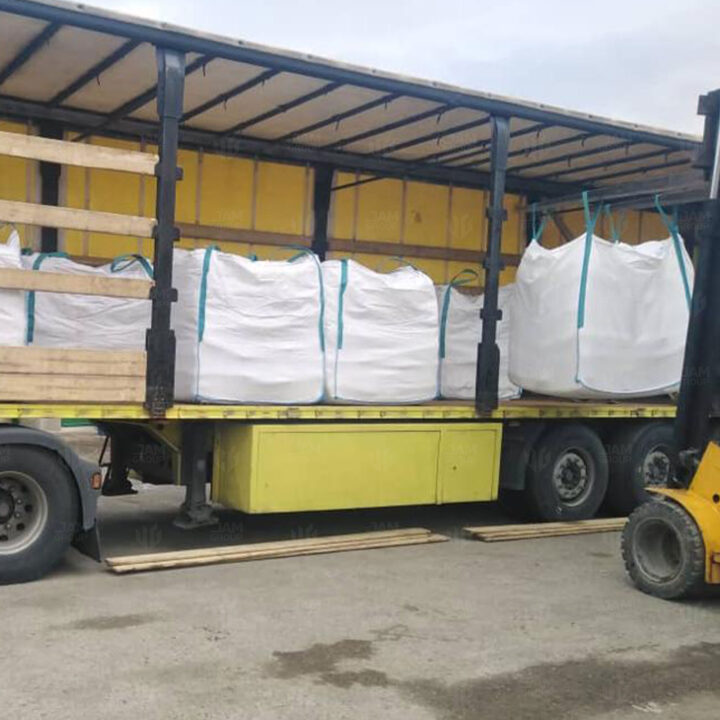
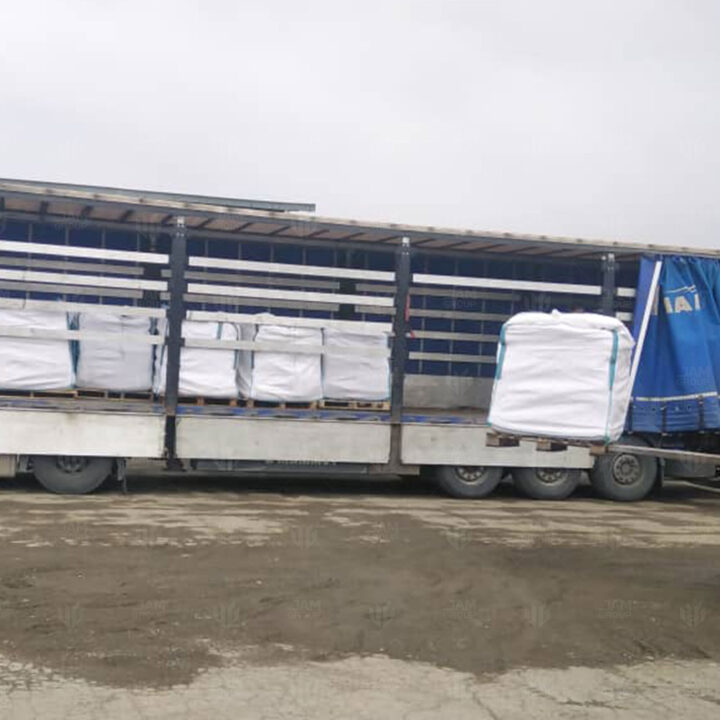
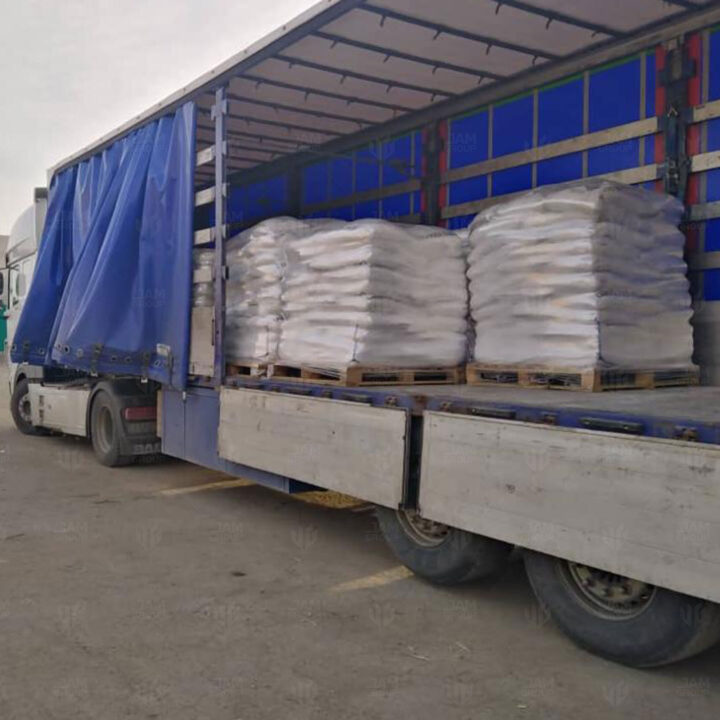
Caustic Soda Packaging
Caustic soda is a hygroscopic and corrosive chemical, so suitable packaging and storage are important throughout the supply chain.
Packaging options should be selected according to the product form, shipment quantity, transportation requirements, and destination regulations.
For bulk orders, contact JAM Group with your required quantity and destination so our team can provide the appropriate packaging and shipping options.
Buying Caustic Soda Flakes 98%
When purchasing caustic soda for an industrial application, buyers should consider several factors, including:
- NaOH concentration and product specification
- Required quantity
- Packaging requirements
- Certificate of Analysis (COA)
- Safety Data Sheet (SDS)
- Intended application
- Destination country
- Shipping and delivery requirements
- Applicable import and regulatory requirements
JAM Group can assist buyers in determining the appropriate commercial and supply requirements for their order.
Request a Quote for Caustic Soda Flakes 98%
Looking for a reliable Caustic Soda Flakes 98% supplier for your industrial operation or distribution business?
Send us your required quantity, destination, preferred packaging, and delivery requirements. Our team will review your inquiry and provide the available product specification and commercial quotation.
Contact JAM Group today to request a quotation for Caustic Soda Flakes 98%.
| Property | Specification | Test Method |
| Chemical Type | Inorganic alkali; sodium hydroxide (NaOH) | – |
| Appearance | White solid pellets/flakes, or clear colorless solution (25-50%); hygroscopic, corrosive | Visual inspection |
| Assay (as NaOH, solid) | ≥ 98 wt% (solid grade) | Acid-base titration (ASTM E291) |
| NaOH Concentration (solution) | Nominal 30%, 45%, 50%; 50% grade: 49-51 wt% | Acid-base titration (ASTM E291) |
| Color (APHA, solution) | ≤ 20 (Pt-Co/APHA) | ASTM D1209 |
| pH @25 °C (1% solution) | ≥ 13.5 | ISO 10523 |
| Density @25 °C (50% solution) | 1.52-1.54 g/cm³ | ASTM D4052 |
| Viscosity @25 °C (50% solution) | 70-90 mPa·s | ASTM D445 |
| Sodium Carbonate (Na₂CO₃) | ≤ 1.0 wt% (solid) or ≤ 0.5 wt% (50% soln.) | Differential titration (phenolphthalein / methyl orange) |
| Sodium Chloride (NaCl) | ≤ 0.03 wt% (solid) or ≤ 100 mg/kg (solution) | Ion chromatography |
| Sodium Chlorate (NaClO₃) | ≤ 0.005 wt% | Ion chromatography |
| Iron (Fe) | ≤ 5 mg/kg | ICP‑OES / ICP‑MS |
| Nickel (Ni) | ≤ 1 mg/kg (membrane‑grade typical) | ICP‑OES / ICP‑MS |
| Mercury (Hg) | ≤ 0.10 mg/kg (membrane‑grade typical) | Cold vapor atomic absorption |
| Water‑Insoluble Matter | ≤ 0.01 wt% | Filtration / gravimetric |
| Shelf Life | 24 months in sealed containers; verify annually | Retain re‑test (assay / color / metals) |
| Packing | 25 kg bags (solid); 200 L drums / 1,000 L IBCs / bulk (solution) | – |
| Storage | Cool, dry, well‑ventilated; keep sealed; avoid Al/Zn; add to water (exothermic), not vice‑versa | – |
Iran caustic soda is produced in several grades to ensure it can be used efficiently across different industries and in household applications. Each grade is designed to meet the specific requirements of its intended use, whether it involves chemical manufacturing, textile processing, or everyday cleaning needs. In the following sections, we will explore some of these grades in greater detail, highlighting their unique properties and applications. You can also read about the substance’s applications by clicking on caustic soda uses.
In Cleaning & Disinfectant Products
As a detergent chemical, Iran caustic soda plays a key role in the production of various cleaning and disinfectant products, from household soaps to commercial-grade detergents. By combining sodium hydroxide with chlorine, manufacturers create chlorine bleach, a powerful disinfectant widely used for sanitizing surfaces. Additionally, drain cleaners containing sodium hydroxide are effective at breaking down fats and grease that may block pipes, converting these substances into soap that dissolves easily in water.
In Leather Manufacturing
One of the primary applications of Iran caustic soda is in leather manufacturing, where it is used as a crucial leather processing chemical. Transforming raw animal hides into high-quality leather products, like shoes, bags, and upholstery, involves multiple stages, and caustic soda plays a key role in enhancing these processes. Combined with other agents, the caustic soda solution helps open up the leather fibers, allowing softening and finishing compounds to penetrate more effectively. This step contributes to achieving the desired softness, flexibility, and texture in the leather, improving the overall quality and durability of the final product.
In Aluminum Ore Processing
Iran caustic soda is essential as a mineral processing chemical, particularly for extracting alumina from bauxite, a naturally occurring mineral. This alumina then serves as the primary material for aluminum production, leading to a wide range of everyday products such as foil, cans, kitchen utensils, and even airplane parts. In the construction sector, aluminum derived from this process is used for building facades, window frames, and other structural materials, valued for its durability and lightweight properties.
In Wastewater Treatment
Municipal water treatment facilities rely on Iran caustic soda to regulate water acidity and enhance the removal of heavy metals, ensuring safer drinking water. By adjusting the pH levels, sodium hydroxide helps prevent pipe corrosion and supports the effective elimination of contaminants. Additionally, caustic soda is essential in producing sodium hypochlorite, a widely used water disinfectant that aids in controlling microbial growth. This combination of applications makes caustic soda a critical component in processes aimed at maintaining clean and safe water supplies for public consumption.
In Pharmaceuticals & Medicine
Iran caustic soda plays an essential role in the pharmaceutical industry, where it aids in the production of a range of medications. From widely used pain relievers like aspirin to anticoagulants that help reduce the risk of blood clots, sodium hydroxide is crucial in the synthesis of these products. It is also used in the manufacturing process for cholesterol-lowering drugs, supporting their stability and effectiveness.
In Tissue Digestion
Iran caustic soda is also utilized in tissue digestion, a process that has been applied to manage animal remains. In this method, the carcass is placed in a sealed chamber, where a mixture of sodium hydroxide and water is introduced. The solution breaks down the chemical bonds within the tissue, gradually transforming it into a liquid with a coffee-like appearance. The only solid remnants are the bone hulls, which are left brittle enough to be easily crushed by hand. This application demonstrates the strong alkaline properties of sodium hydroxide and its ability to dissolve organic material effectively.
In Energy Industry
In the energy industry, Iran caustic soda plays a crucial role in producing fuel cells, which are used to generate electricity in an efficient and environmentally friendly manner. These fuel cells, much like batteries, provide clean energy for applications ranging from transportation to emergency backup power. Additionally, sodium hydroxide is involved in manufacturing epoxy resins, which are essential components in wind turbine production.
In Food Production
Iran caustic soda finds important applications in food production, where it aids in various processing tasks. It is commonly used to wash and peel fruits and vegetables, simplifying their preparation for canning. In the production of certain specialty foods, sodium hydroxide helps achieve specific textures and flavors, such as curing olives or creating the distinctive crust on Bavarian pretzels. It is also involved in chocolate and cocoa processing, caramel coloring production, and even poultry preparation. Additionally, caustic soda is used to thicken ice cream and preserve foods by inhibiting the growth of mold and bacteria, which makes it a valuable component in maintaining food quality and safety.
In Wood & Paper Products
Iran caustic soda is widely used in the wood and paper industries, particularly in the pulping and recycling processes. In paper manufacturing, sodium hydroxide, combined with sodium sulfide, helps dissolve unwanted components in wood, leaving behind cellulose, the primary material for paper production. During paper recycling, it plays a role in removing ink from paper fibers, allowing them to be reused. Beyond papermaking, sodium hydroxide is essential in refining raw wood materials for products like cabinets and furniture. It is also used in wood bleaching and cleaning, enhancing the quality and appearance of wood-based products.
In Dissolving Amphoteric Metals and Compounds
Iran caustic soda is instrumental in dissolving amphoteric metals and compounds, notably aluminum. Amphoteric substances can react with both acids and bases, and aluminum exemplifies this behavior. When aluminum interacts with sodium hydroxide in the presence of water, a chemical reaction occurs:
2Al+2NaOH+2H2O→2NaAlO2+3H2
In this process, aluminum reacts with sodium hydroxide and water to produce sodium aluminate (NaAlO₂) and hydrogen gas (H₂). Sodium aluminate serves as a valuable source of aluminum hydroxide for various industrial applications. The reaction is highly exothermic and releases hydrogen gas, necessitating appropriate safety measures during handling.
This reaction is utilized in several industrial processes, including etching, anodizing removal, and surface finishing of aluminum products. However, without subsequent passivation treatments like anodizing or alodining, the aluminum surface may degrade over time, especially under harsh environmental conditions.
In the Bayer process, Iran caustic soda plays a crucial role in refining bauxite ore to extract alumina (aluminum oxide), the primary material for aluminum production. Due to its amphoteric nature, alumina dissolves in sodium hydroxide, allowing impurities such as iron oxides to be separated as insoluble residues known as red mud. This step is essential in producing high-purity alumina for the electrolytic Hall-Héroult process, which ultimately yields aluminum metal.
In Other Sectors of Industry
Iran caustic soda is used in many other industrial and manufacturing processes. It functions in the manufacturing of rayon, spandex, explosives, epoxy resins, paints, glass, and ceramics. It is also used in the textile industry to make dyes, process cotton fabric, and in laundering and bleaching, as well as in metal cleaning and processing, oxide coating, electroplating, and electrolytic extracting.
○What is caustic soda and how does it appear?


Caustic soda (NaOH) is a white, highly caustic ionic solid composed of sodium cations and hydroxide anions. It readily absorbs moisture and dissolves in water, releasing heat. Commercial products are commonly flakes, pearls/prills, or 50% aqueous solution; laboratory-pure material often exists as sodium hydroxide monohydrate (NaOH·H₂O).
○Where is caustic soda used?
It’s a cornerstone alkali for pulp and paper, textiles, soaps and detergents, alumina refining, petroleum processing, pH control, and water treatment. It also cleans process equipment and neutralizes acidic streams. Iran caustic soda from JAM Group Co. matches global specifications, supporting consistent quality in both continuous plants and batch operations.
○What key properties should buyers check?
Critical parameters include assay/purity, iron and chlorides, mercury (where regulated), carbonates, and solution concentration. Physical data: density ~2.13 g/cm³ (solid), melting point ~318 °C, boiling point ~1,388 °C. Caustic soda is highly soluble and exothermic when diluted; mixing must follow strict safety practice—add caustic to water, never the reverse.
○Why does viscosity matter for 50% solutions?
At ~50% concentration, NaOH solutions are notably viscous (≈78 mPa·s at room temperature), affecting pumping, metering, and heat transfer. Viscosity decreases as temperature rises, so storage and transfer systems often use insulation, heat tracing, or larger line sizes to maintain flow and ensure accurate dosing in continuous processes.
○How does JAM Group Co. supply and package caustic soda?
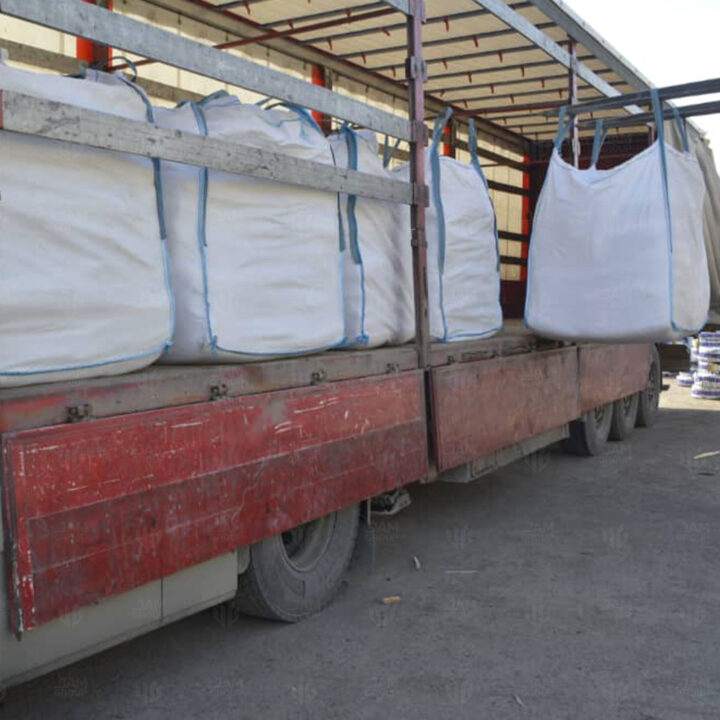
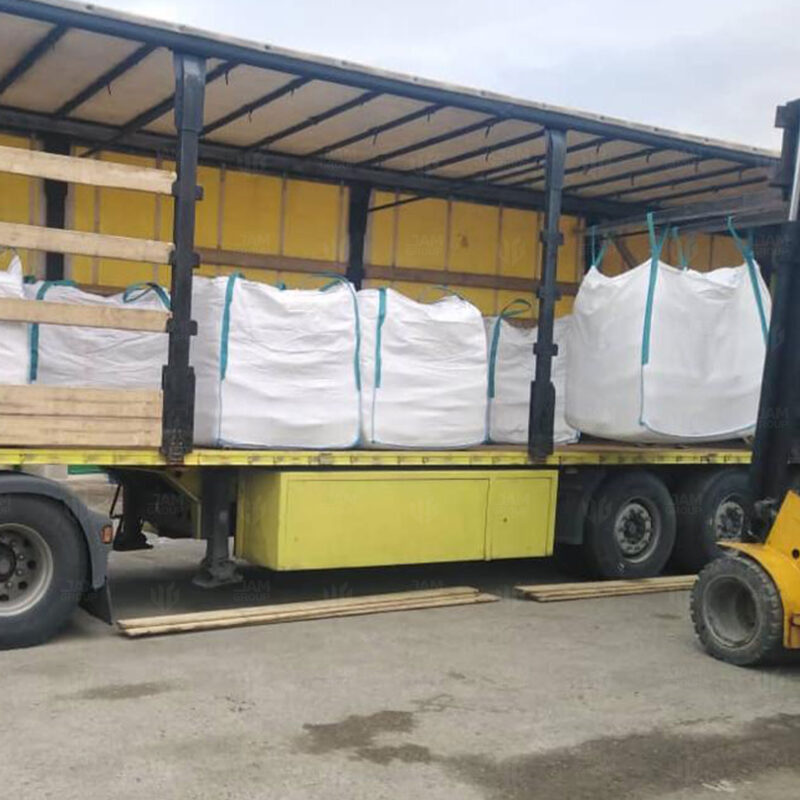
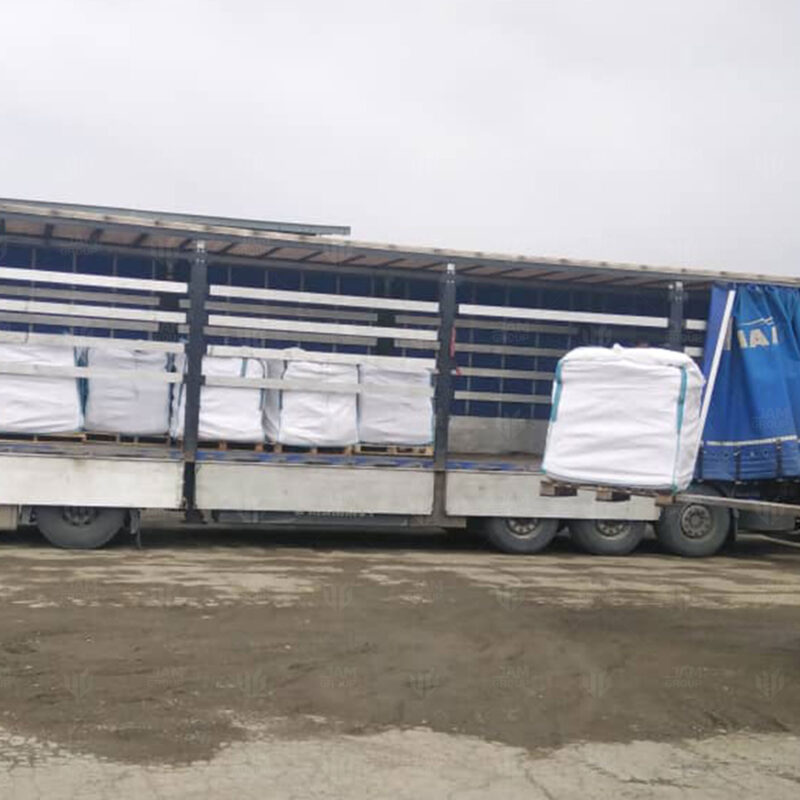
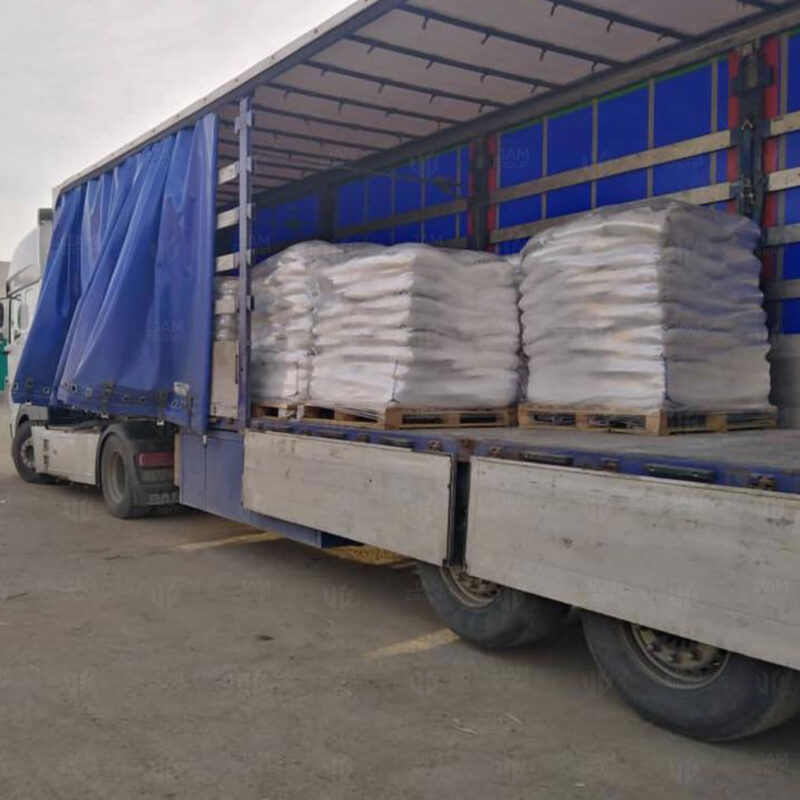
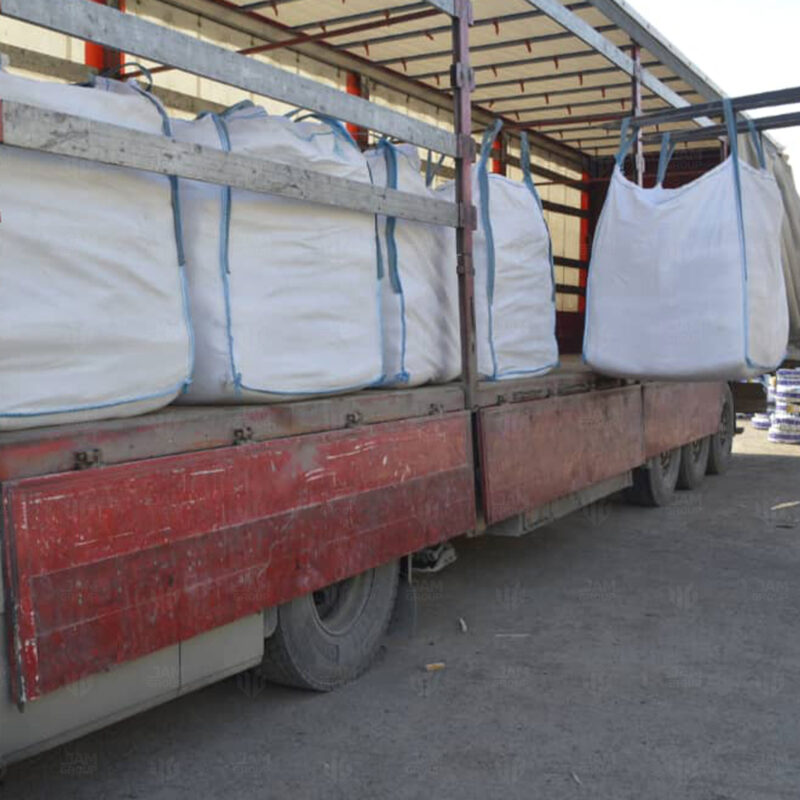
JAM Group Co. offers flakes, pearls/prills, and 50% liquid. Standard packs include 25-kg bags, 1–1.25-ton jumbo bags, IBCs, ISO-tanks, and bulk shipments. We support EXW, FOB, CFR, and CIF terms, provide SDS/COA and product data sheets, and coordinate moisture-controlled handling, palletization, and port bookings for dependable delivery.
○Can JAM Group Co. customize grades and support trials?
Yes. We align purity, particle size, and liquid concentration to your process (e.g., membrane-grade requirements, low-chloride specs). Pilot samples are available for qualification. Our team advises on dilution, materials compatibility, and safe storage. Lead times and MOQs are planned against vessel space and seasonal demand, with multi-lot consistency controls.
HOW CAN JAM GROUP HELP YOU?
Send us a message and our friendly team will get back to you within one business day.