



















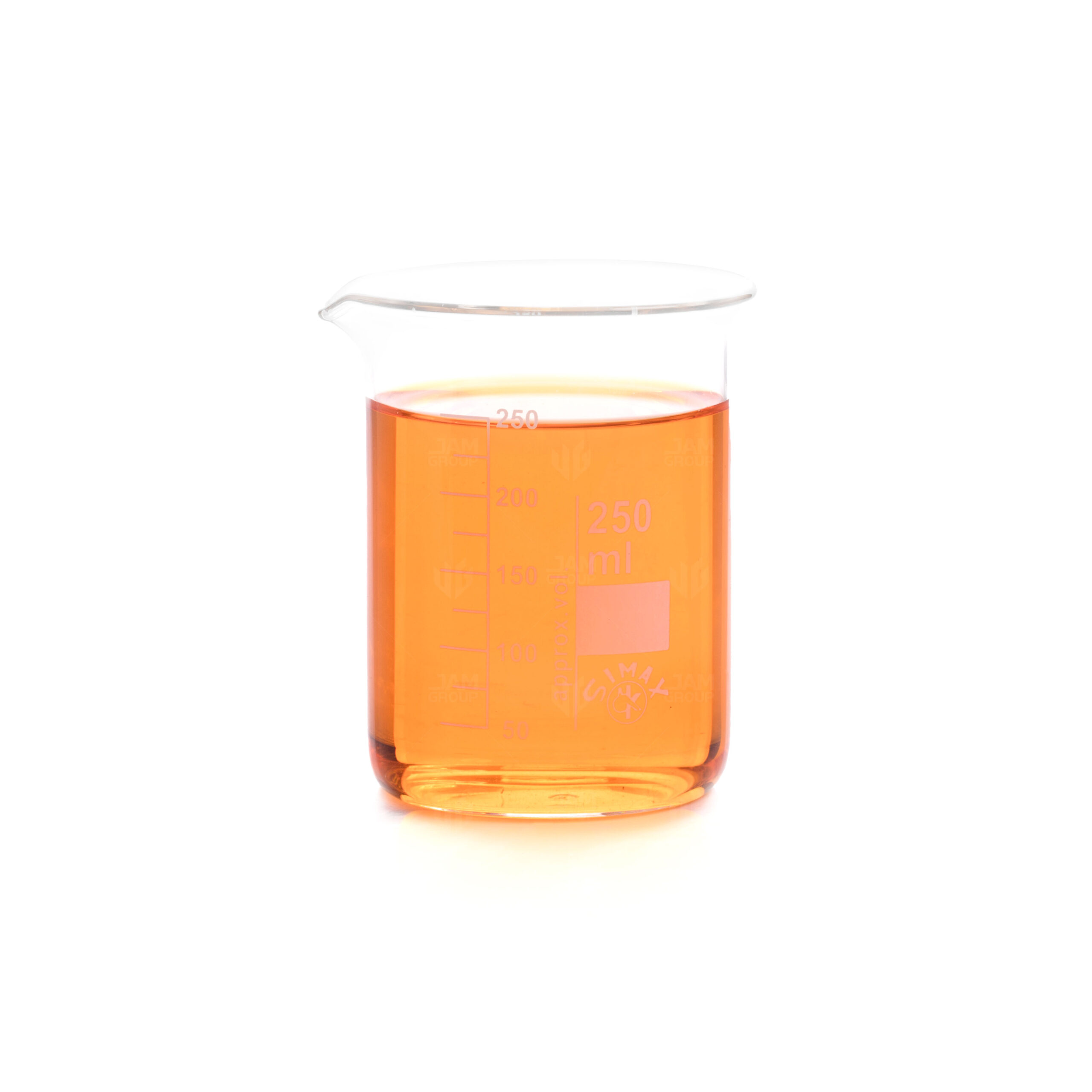
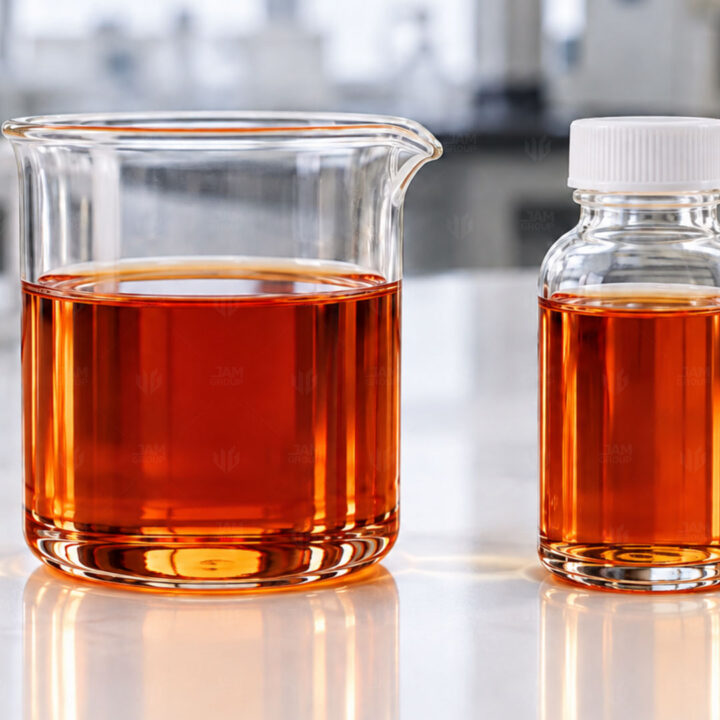

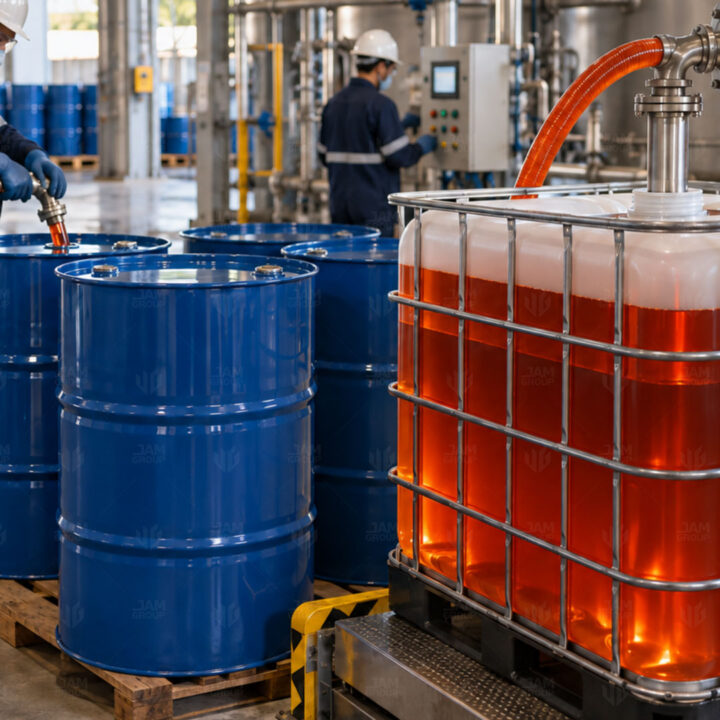
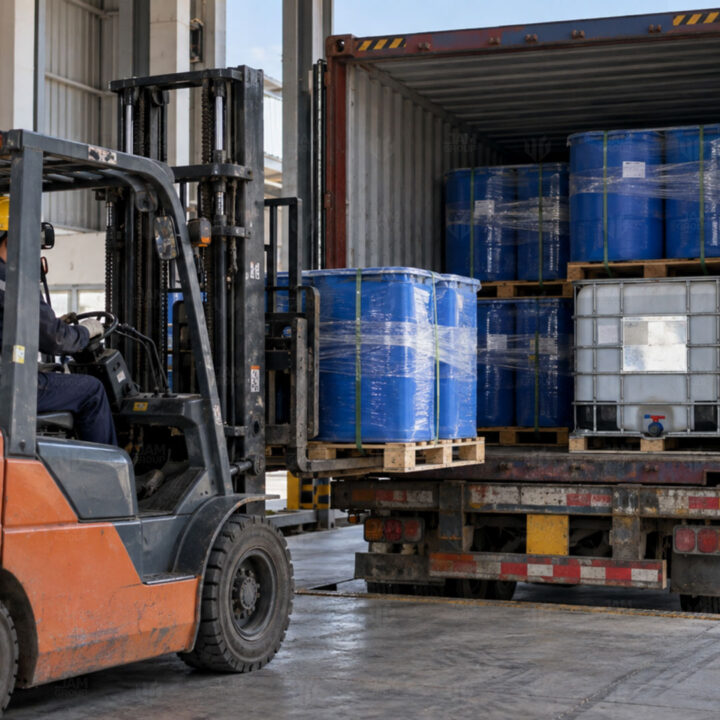

Potassium butyl xanthate (PBX) is a yellowish powder with a strong odor soluble in water and alcohol. With a molecular weight of 188.4 g/mol and the chemical formula C5H9KOS2, it counts as a stable molecule. It has a butyl group connected to a xanthate group, which comprises a sulfur atom bound to carbon and an oxygen atom. Because of its outstanding selectivity and special collectivity, PBX functions widely in several industries. Yet, it is frequently employed in the mining sector as a flotation agent for sulfide multimetallic ores and has proven to be quite effective in the flotation of minerals like chalcopyrite, sphalerite, and pyrite. PBX also serves as a vulcanization accelerator in the rubber sector, enhancing the physical characteristics of rubber. PBX also finds application in the chemical, metallurgical, agricultural, and pharmaceutical industries, making it a versatile and necessary component in modern industry.
JAM Group Co. is a well-known potassium butyl xanthate (PBX) manufacturer, supplier, and exporter in various grades and purity levels, suitable for industrial applications. The company has established itself as a prominent participant in the chemical industry thanks to its well-equipped factories and skilled team of scientists. JAM Group Co.’s high-quality PBX meets the strictest industry standards, guaranteeing client delight. Each customer can easily count on these products as effective collectors in the mining industry and reliable additives for other sectors. This potassium butyl xanthate supplier’s dedication to quality, effectiveness, and innovation has established it as a reliable business partner for companies across a range of industries globally. All in all, customers from every corner of the world can rely on this Iran potassium butyl xanthate exporter as a popular option due to its outstanding customer service, affordable pricing, and timely delivery.
What is Potassium Butyl Xanthate?
Potassium butyl xanthate (PBX) is a water-soluble yellowish or pale grey powder. Potassium butyl xanthate solubility in ethanol is higher than in water. It is a xanthate derivative made by mixing carbon disulfide (CS2) and butanol when an alkali, like potassium hydroxide, is present (KOH). PBX is a powerful collector employed in the flotation of nonferrous metallic sulfide ores like copper, lead, and zinc. The alcohol chain connected to the xanthate molecule determines the strength of the collector, with butyl being a moderate-strength collector.
PBX has a molecular weight of 188.4 g/mol and the chemical formula C5H9KOS2. This formula shows potassium butyl xanthate structure correctly. The substance has a boiling point of roughly 260°C and a melting point of 163-164°C. Because it burns quickly, PBX needs to be handled carefully. It smells distinctively like a gas called carbon disulfide, which is poisonous and highly flammable. The shelf life of PBX is up to one year when kept in a cold, dry environment.
PBX has uses in various other sectors in addition to its employment in the flotation of metallic sulfide ores. For instance, it functions as a vulcanization accelerator in the rubber sector. To make metal ions in solution precipitate as solids, PBX is also utilized in the metallurgical industry as a precipitant. The possibility of using PBX as a selective scavenger to remove mercury from wastewater has also been researched. Studies show that PBX can efficiently remove up to 99% of the mercury ions in synthetic wastewater solutions. In general, the substance is an adaptable and practical chemical compound with applications in a variety of industries.
Potassium Butyl Xanthate and Potassium N-Butyl Xanthate
Butyl xanthate comes in two forms: potassium butyl xanthate and potassium n-butyl xanthate. The butyl group’s position on the xanthate molecule is the only distinction between them. The butyl group is joined to the xanthate molecule by its regular carbon chain in potassium n-butyl xanthate, whereas in potassium butyl xanthate, the butyl group is joined to the xanthate molecule by an isobutyl group. Different physical and chemical qualities emerge from their distinct structural differences. Potassium n-butyl xanthate is a liquid at room temperature with a strong odor and a boiling point of 210-220°C. In both water and ethanol, it dissolves and condenses to form a transparent solution. In contrast, potassium butyl xanthate is a crystalline solid with a melting point of 163-164°C. It is also soluble in water and ethanol but forms a turbid solution in water due to its lower solubility.
Different Grades of Potassium Butyl Xanthate
Chemical substances, such as potassium butyl xanthate (PBX), are divided into various grades according to their purity, content, and physical and chemical characteristics. By using this categorization, you may be sure the product will be utilized safely and efficiently for its intended application. The various grades aid in identifying the substance’s properties and ensuring that it complies with requirements. For PBX, it is vital to note that it comes in multiple grades, depending on its purity. Technical grade, pure grade, and superior grade are the three most popular ones that most potassium butyl xanthate manufacturers offer. The various PBX grades are available in varied compositions and purity levels, making them appropriate for a range of applications. Technical grade PBX might have impurities that aren’t good for lab use, but they might still work in other fields. The high purity level of superior grade, on the other hand, makes it perfect for specific uses, even though it may be too expensive for some applications. Below, you can find out more about the substance’s famous grades.
The Technical Grade
A form of the chemical with a purity level of about 85 to 90% is known as the technical grade of PBX. Potassium butyl xanthate suppliers provide this grade as a flotation agent to separate mineral ores from their gangue material. Due to its cost-effectiveness, the technical grade is frequently used for large-scale industrial applications because it is typically less expensive than the pure grade. However, technical grade PBX’s performance in flotation processes may be impacted by its lower purity level since impurities may interfere with the collector’s selectivity and effectiveness. Thus, it’s crucial to thoroughly assess the technical grade PBX’s suitability for a particular application and consider any potential effects on the process’s overall performance. The technical grade is frequently delivered as pellets or powder and needs to be handled carefully to prevent deterioration or contamination.
The Pure Grade
The pure grade of potassium butyl xanthate is a high-quality chemical with up to 90% purity. It is produced using a precise purification procedure that cleans the raw material of contaminants and byproducts. This grade is a white or slightly yellowish crystalline product with consistent and dependable physical and chemical characteristics, such as melting point and solubility. The mining industry makes extensive use of it for the flotation of copper, lead, and zinc minerals. Because of its high purity and higher collecting ability, the pure grade of PBX enables greater recovery of metal minerals during the flotation process. This grade is also employed as a vulcanization accelerator in the rubber industry, where its exceptional purity ensures the stability and quality of the finished product. Potassium butyl xanthate exporters carefully package and ship the substance to preserve its quality and purity while guaranteeing its efficacy in industrial applications.
The Superior Grade
The superior grade is another form of Iran potassium butyl xanthate (PBX), the highest grade obtainable for this chemical. It is carefully made to meet high-quality control standards and has a purity level above 90%. Due to its outstanding flotation and vulcanization qualities, the superior grade finds several uses in the mining and rubber sectors. This grade of PBX is employed as a more powerful collector than other grades of the substance in the flotation process of various non-ferrous metallic sulfide ores in the mining sector and as a vulcanization accelerator in the rubber sector. Due to its high purity level, this grade is the best choice for applications where dependable and consistent performance is essential. The low impurity content of this particular product lessens the possibility of negative impacts on the finished outcome.
The Custom Grade
A unique grade of this chemical compound called “Custom grade” is created depending on particular customer specifications. Potassium butyl xanthate manufacturers design this grade to satisfy specific purity, solubility, and stability requirements under certain circumstances. When the usual technical, pure, or superior grades do not deliver the needed performance, such products are often manufactured for special industrial applications. Custom grades can be created based on several variables, including the required degree of contaminants, particle size, and stability in various settings. Custom grades of potassium butyl xanthate are an excellent choice for sectors that need specialized and tailored chemical solutions because of their formulation flexibility.
Potassium Butyl Xanthate Production Process
Potassium Butyl xanthate preparation is critical in establishing the end product’s quality and properties. This useful collector reagent is produced using a multi-step procedure to guarantee that the final result meets the criteria and requirements for its intended usage. In general, butanol and carbon disulfide must be combined with an alkali to generate potassium O-butyl dithiocarbonate, which must then be filtered, dried, and subjected to quality control checks to verify the product fulfills specifications. However, the specifics of the manufacturing procedure may change depending on the grade of PBX being manufactured. Any variation from the established technique might have an impact on the product’s quality and efficacy because the production process determines the final product’s qualities, such as solubility and purity. Thus, it is essential to implement quality control procedures to guarantee that the final product is of the requisite quality and meets the standards of the mining sector.
It is vital to note that the manufacturing process is critical in generating several classes of PBX, including superior, pure, technical, and custom, which are used in specific mining applications. In the following, three crucial steps of PBX production are explained.
The First Step
In the initial Iran potassium butyl xanthate synthesis process, carbon disulfide (CS2) and butanol are combined with an alkali, usually potassium hydroxide (KOH). This process is essential for creating the potassium O-butyl dithiocarbonate intermediate chemical required to manufacture PBX. In polar solvents like butanol, carbon disulfide dissolves easily despite being a chemical molecule that is very poisonous and explosive. The potassium salt of O-butyl dithiocarbonate is created when carbon disulfide and butanol are combined in the presence of KOH. When butanol and this intermediate chemical interact, the result is PBX. The reactants must be adequately mixed under regulated conditions to produce PBX with the correct quality and yield.
The Second Step
Following the creation of potassium O-butyl dithiocarbonate, the combination proceeds through the filtering and drying process, the third phase of the PBX production process. This phase is essential for eliminating any contaminants that might have been created during the previous production stages. The PBX product is filtered to separate the solid particles from the liquid to create a more concentrated solution. The filtrate is subsequently dried to remove any remaining moisture, producing an impurity-free, yellowish, or light grey powder. Drying is often done in a controlled setting to prevent the product from being exposed to any pollutants that could degrade its quality. Then, quality control procedures are used to confirm the PBX product’s quality further and make sure it adheres to the standards and requirements for the usage for which it is intended.
The Third Stage
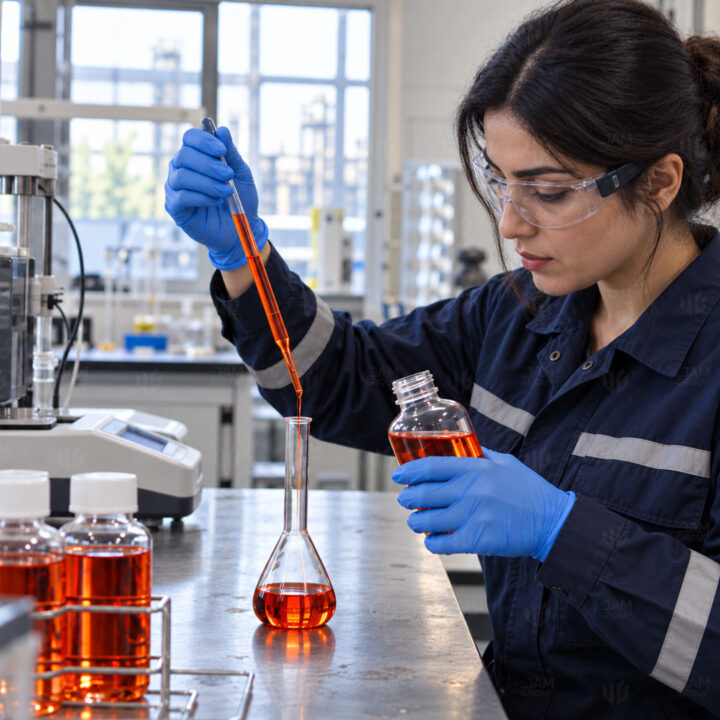
Quality control, the last stage of the PBX production process, is essential to ensuring that the final product satisfies the requirements for its intended purpose. The product is put through several quality control procedures, including consistency, stability, and purity tests. The product is also examined for contaminants, such as carbon disulfide or lingering moisture. To make sure that the PBX product fulfills the necessary quality requirements, the results of these tests are compared to the benchmarks established by potassium butyl xanthate manufacturers or regulatory bodies. To ensure the quality of the product, any deviations from the criteria are noted and rectified. The quality control process is critical in PBX production because it guarantees that the final product is safe and effective for usage in a variety of industries, including mining.
About JAM Group Co.’s Potassium Butyl Xanthate
JAM Group Co., a reliable potassium butyl xanthate manufacturer, offers a wide-ranging selection of Iran potassium butyl xanthate (PBX) products to meet the needs of various industries. Its PBX products are created using the most up-to-date technology and premium raw materials to ensure optimal efficiency and effectiveness in multiple applications. The company employs experienced chemists to oversee manufacturing and guarantee that every PBX product satisfies the highest industry requirements. The PBX from JAM Group Co. is known for its superior quality, extreme purity, and long shelf life. JAM Group Co. is a dependable and trustworthy potassium butyl xanthate supplier with years of expertise in the chemical sector.
Consumers can also count on JAM Group Co. for prompt deliveries and top-notch support. Drums, sacks, and bulk containers are just a few of the several packaging choices the company’s PBX products come in to accommodate diverse consumer needs. The PBX products from this Potassium butyl xanthate exporter are effective flotation collectors commonly used in mining. Additionally, they can serve in the pharmaceutical, rubber, metallurgical, agricultural, and agriculture industries. The company provides tailored solutions to fulfill individual customer requirements, and its goods are exported to countries all over the world. As such, JAM Group Co. remains a market-leading supplier and manufacturer of potassium butyl xanthate due to its dedication to quality and client satisfaction.
Conclusion
Potassium butyl xanthate (PBX), with the chemical formula C5H9KOS2, is a chemical compound with a wide range of industrial applications. It is offered in a variety of grades, including technical, pure, and superior grades that are appropriate for particular applications. To make PBX, carbon disulfide and butanol react in the presence of potassium hydroxide, creating a yellowish-white powder or flakes. PBX is used as a collector in the flotation process to separate metal ores like copper, lead, and zinc. Moreover, it serves as a curing agent and a chemical intermediary in synthesizing numerous organic compounds in the rubber sector. Furthermore, the substance has been used as a pesticide in the agricultural industry and as a reagent in the manufacture of drugs in the pharmaceutical sector.
| Property | Specification | Test Method |
| Chemical Type | Proprietary flotation collector; xanthate‑free or reduced‑CS₂ technology (PBX alternative) | – |
| Appearance | Clear to pale‑yellow liquid; free of visible solids | Visual inspection |
| Color (Gardner) | ≤ 3 | ASTM D1544 |
| Active Collector Content | ≥ 90 % (GC area % or w/w) | GC‑FID / validated assay |
| Xanthate (as PBX) | Not detected (< 0.10 wt%) or declare % for modified grade | GC‑MS / iodometric titration |
| CS₂ (releasable) | ≤ 5 mg/kg | Headspace GC |
| pH @25 °C (1% in water) | 7.0-10.0 | ISO 10523 |
| Density @25 °C | 0.85-1.05 g/cm³ | ASTM D4052 |
| Viscosity @25 °C | 2-15 mPa·s | ASTM D445 |
| Water Tolerance / Miscibility | Completely miscible or forms stable emulsion; report phase behavior | Visual miscibility / cloud point (SOP) |
| Flash Point (closed cup) | ≥ 60 °C | ASTM D93 |
| Water Content (wt%) | ≤ 0.20 | ASTM D6304 (Karl Fischer) |
| Non‑Volatile Matter (Residue) | ≤ 0.10 wt% | ASTM D1353 |
| Iron (Fe) | ≤ 1 mg/kg | ICP‑OES / ICP‑MS |
| Shelf Life | 12 months in unopened containers | Retain re‑test (assay/color/pH) |
| Packing | 180-200 L drums; 1,000 L IBCs; bulk ISO tank | – |
| Storage | Cool, dry, well‑ventilated; keep sealed; away from heat/ignition and oxidizers; compatible with SS/HDPE | – |
Potassium butyl xanthate holds a wide range of applications in numerous industries. This yellowish powder has a unique smell and is very soluble in water. The mining, chemical, and pharmaceutical industries, among others, benefit greatly from its unique qualities. The metal ore flotation process extensively uses PBX, which has good selectivity and collectivity towards sulfide minerals. PBX also accelerates the vulcanization process in the rubber industry. The substance is a precipitant for wetting and a flotation agent in the metallurgical sector. To synthesize different medications, the pharmaceutical industry uses PBX. Moreover, the industrial sector relies on PBX for a variety of purposes, and researchers are constantly looking for new ways to use its features. Read on to discover additional information about these diverse applications.
In the Mining Industry
Due to its superior selectivity and significant efficacy in the flotation of sulfide minerals like copper, lead, zinc, and gold, potassium butyl xanthate is frequently used as a flotation collector. Chalcopyrite, sphalerite, and pyrite ores are among the ore types that can be floated using the substance. Throughout the mining process, PBX binds to the sulfide minerals’ surfaces and creates a hydrophobic layer that aids in separating the sulfide minerals from the gangue minerals. Also, because PBX is compatible with other collectors, a synergistic effect might take place, increasing its efficacy in the flotation process. By minimizing the quantity of trash produced, the use of PBX in mining has made a substantial contribution to the extraction of valuable minerals and the mitigation of environmental damage.
In the Rubber Industry
The rubber industry uses potassium butyl xanthate (PBX) as a vulcanization accelerator. The vulcanization procedure is essential to create high-quality rubber goods with exceptional strength, elasticity, and longevity. In the vulcanization procedure, which involves employing sulfur to cross-link rubber molecules, PBX functions as a promoter. This cross-linking provides the rubber’s desired characteristics. As PBX is a xanthate derivative, its distinctive structure makes it the most excellent promoter of the vulcanization process. It assists in cutting down on curing time, which raises productivity and lowers costs. Our intended substance is a viable option for the rubber sector because it works well with additional accelerators and antioxidants.
In the Metallurgical Industry
Potassium butyl xanthate (PBX) is also utilized as a precipitant in the metallurgical industry. This application has employed it to selectively separate metal sulfides from gangue minerals in a slurry of crushed ore. Metal xanthates are created when PBX reacts with the metal ions in the slurry. These hydrophobic xanthates can be easily separated from the hydrophilic gangue minerals by froth flotation. In the flotation of copper, lead, and zinc sulfides, PBX has been found to be very effective. Moreover, refining precious metals like gold and silver also uses PBX. The metal sulfides are selectively separated by adding PBX to the crushed ore slurry, resulting in a concentrate that can be further processed to extract the valuable metals.
In the Chemical Industry
Potassium butyl xanthate (PBX) has many functions in the chemical industry, including its usage as a raw material in synthesizing other xanthate chemicals. These substances are used as reagents in synthesizing organic compounds, as collectors in the mining sector, and as flotation agents in the paper sector. In analytical chemistry, PBX is also employed as a reagent for detecting molybdenum and other heavy metals. In addition, PBX is a frequently used component in manufacturing many industrial chemicals, including fungicides, insecticides, and herbicides. PBX has gained popularity in several chemical industrial applications due to its adaptability and compatibility with many chemical processes.
○What is the primary role of PBX in the mining industry?


Potassium Butyl Xanthate is a powerful and selective collector used in the froth flotation of nonferrous metallic sulfide ores. It adheres to the surfaces of minerals like copper, lead, and zinc, making them hydrophobic. This allows them to attach to air bubbles and float to the surface for efficient separation.
○What are the key physical and chemical properties of PBX?
PBX is a yellowish, water-soluble powder with a distinctive, strong odor of carbon disulfide. It’s highly flammable and must be handled with care. Chemically, it’s a xanthate derivative with a moderate-strength alcohol chain, making it an effective but not overly aggressive collector in mineral processing applications.
○How is Potassium Butyl Xanthate synthesized?
PBX is produced by reacting butanol with carbon disulfide in the presence of a strong alkali, typically potassium hydroxide (KOH). This reaction forms the xanthate salt. The length of the alcohol chain (butyl, in this case) is what determines the collecting strength and selectivity of the final product for specific minerals.
○Beyond mining, what are other industrial applications for PBX?
Besides its main use in flotation, PBX serves as a vulcanization accelerator in the rubber industry and a precipitant in metallurgy to separate metal ions from solutions. It has also shown promise as a scavenger for effectively removing up to 99% of mercury from certain industrial wastewater streams.
○What are the recommended storage conditions for PBX from JAM Group Co.?
To ensure its one-year shelf life, JAM Group Co. recommends storing PBX in a cool, dry, and well-ventilated area. It must be kept away from heat sources, sparks, or open flames due to its high flammability. Proper storage is crucial for maintaining its stability and effectiveness as a flotation collector.
○How does JAM Group Co. ensure the safe handling of PBX?
Safety is our priority. JAM Group Co. packages PBX in durable, sealed containers to prevent exposure to moisture and air. Each shipment is accompanied by a detailed Safety Data Sheet (SDS) outlining its flammability, handling procedures, and necessary personal protective equipment (PPE) for safe on-site management by our clients.
HOW CAN JAM GROUP HELP YOU?
Send us a message and our friendly team will get back to you within one business day.