






• ENGLISH
  • PERSIAN
  • CHINESE
  • RUSSIAN
  • TURKISH
  • ARABIC

Collectors

Collectors

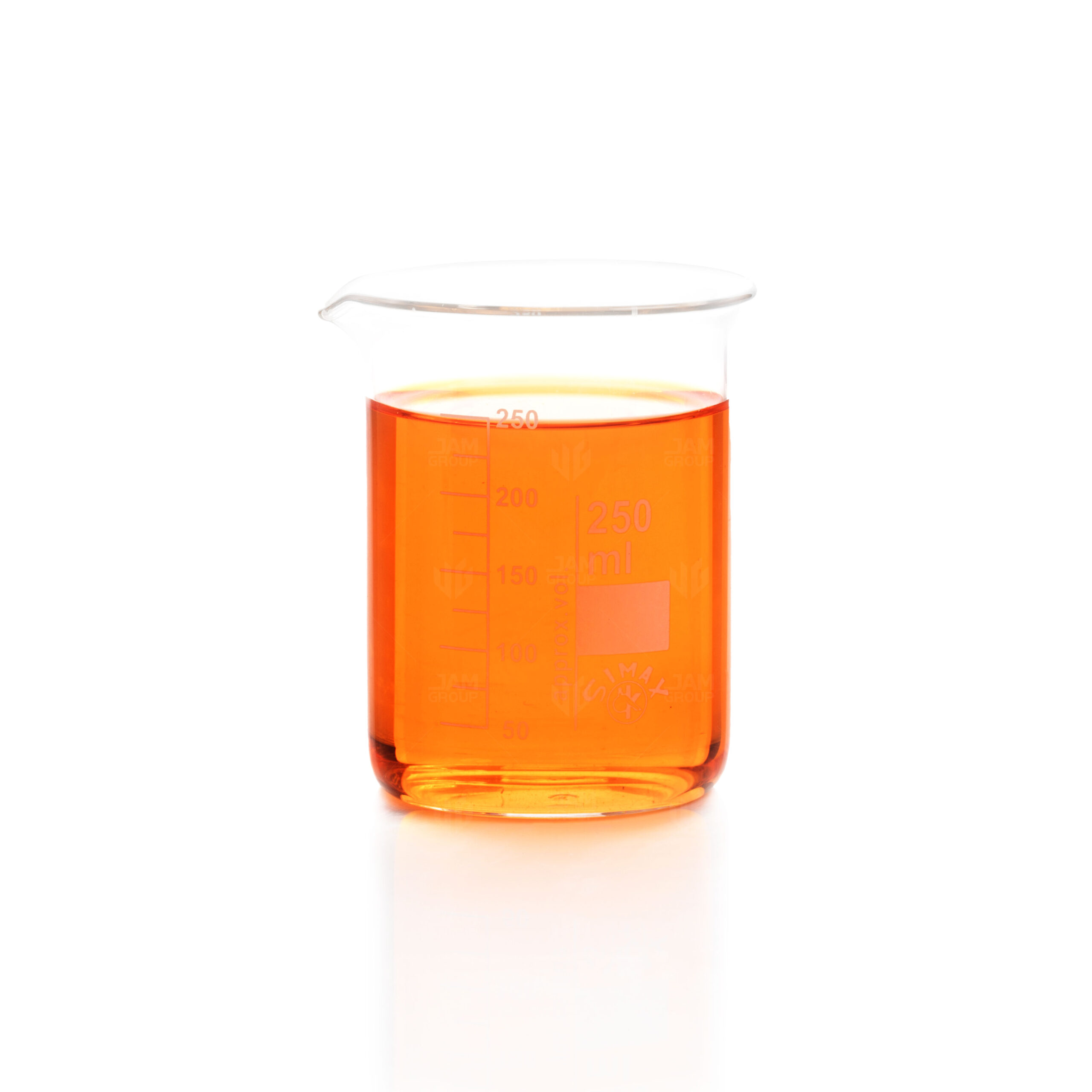
JAMCollector Z-33 is a liquid-phase industrial collector formulated as a direct substitute for Potassium Ethyl Xanthate (PEX), the most selective reagent in the potassium xanthate series. PEX holds a specific and well-defined role across froth flotation, rubber vulcanisation, hydrometallurgical precipitation, and analytical chemistry, sectors where its short ethyl chain delivers high mineral selectivity at the cost of relatively slow flotation kinetics. That combination of performance precision and chemical fragility explains why a safer, more stable alternative has become commercially necessary for operations across all four sectors.

The liabilities PEX carries are not marginal. It is spontaneously flammable in air, releases toxic carbon disulfide (CS2) on contact with moisture or heat, is very toxic to aquatic organisms, and requires dangerous goods classification for both solid and liquid transport. Regulatory pressure from the EU and Australia is tightening, and procurement teams in Europe and North America are actively redirecting purchasing toward lower-hazard collector alternatives. JAMCollector Z-33 addresses each of these pressure points while preserving the selectivity and cross-industry functional scope that makes PEX worth replacing carefully rather than simply eliminating.


The Limitations & Risks of Potassium Ethyl Xanthate (PEX)

Potassium Ethyl Xanthate has served the mining, rubber, and chemical industries for decades, and its performance record in selective sulfide flotation is well established. The chemical structure that gives PEX its exceptional selectivity (a short, reactive ethyl chain attached to a xanthate group) also makes it the most chemically unstable member of the potassium xanthate series. That instability translates directly into occupational hazards, environmental liabilities, and supply chain costs that have accumulated alongside its use and are now subject to increasing regulatory attention across multiple jurisdictions.

Why PEX Is the Riskiest Short-Chain Xanthate for Aquatic Environments?

PEX is classified as very toxic to aquatic organisms with long-term adverse environmental effects. Its primary decomposition product, carbon disulfide (CS2), is ecotoxic and forms whenever PEX hydrolyses under acidic conditions. Spectroscopic studies confirm that CS2 generation is active as pH drops below 10 and becomes substantial below pH 6.5, where PEX solution degrades at roughly 16 percent per day. The European Union’s water legislation has placed xanthates and CS2 on a formal monitoring Watchlist. Both European and Australian regulators have issued specific guidance on xanthate aquatic toxicity, signalling the direction of tightening compliance requirements for operations discharging near river systems or populated catchment areas.

Spontaneous Ignition, Toxic Gases, and the Hidden Costs of PEX on Site

Solid PEX is spontaneously flammable in air (GHS H228) and does not need an external ignition source to catch fire when exposed to moisture or heat. Contact with water releases toxic, extremely flammable CS2 gas. Thermal decomposition produces CS2, hydrogen sulfide, carbonyl sulfide, sulphur oxides, carbon monoxide, and carbon dioxide simultaneously. Real-world incidents across the xanthate family include storage area combustions, toxic plumes from uncontrolled water contact, and low-order explosions requiring area evacuations. Chronic occupational exposure to CS2 causes central and peripheral nervous system damage, cardiovascular disorders, and kidney dysfunction — long-term liability that sits alongside the immediate fire and inhalation risk.

Temperature Limits, Container Restrictions, and the Real Cost of PEX Procurement

Every tonne of PEX procured introduces costs that extend well beyond the purchase price. Storage must be maintained below 30 degrees Celsius and kept completely dry (conditions that tropical mine sites and ship holds frequently cannot guarantee). Bulker bags present a greater spontaneous combustion risk than steel drums because CS2 accumulates more readily in larger enclosed packaging. Metal ions from flotation tank contact accelerate solution breakdown. On-site dissolution adds a handling step before dosing can begin. Transport as UN 3342 (Class 4.2) for solids and UN 2922 (Class 8) for solutions restricts freight mode options, raises insurance costs, and increases documentation requirements at both origin and destination. Licensed hazardous waste disposal compounds the running cost at scale.


JAMCollector Z-33: Properties and Strengths

JAMCollector Z-33 is built on a straightforward commercial logic: preserve everything that makes PEX worth using, and remove everything that makes it operationally costly. As a liquid, it eliminates spontaneous combustion classification at source, removes the on-site dissolution requirement, and provides a wider pH operating range than solid PEX can sustain. For plant metallurgists and procurement teams who have valued PEX’s selectivity but factored its hazard overhead into safety budgets and insurance premiums for years, JAMCollector Z-33 offers the same selective chemistry with a substantially cleaner operational and logistics profile. In the following, you can read about four operational advantages of this substitute over PEX.

Selectivity Preserved, Hazard Removed:

JAMCollector Z-33 replicates PEX’s high-selectivity collector profile across galena, chalcopyrite, silver sulfides, sphalerite, and nickel sulfide minerals. It performs in the same rougher and scavenger circuit positions, in single-collector configurations and in blended regimes with PAX or other collectors, without changes to downstream metallurgical targets or concentrate grade specifications at any site where PEX currently operates.

No Spontaneous Combustion, No CS2 Risk:
JAMCollector Z-33 is not classified as spontaneously flammable and generates no carbon disulfide under normal storage or operational conditions. This removes fire, explosion, and inhalation hazards from every PEX application context, reducing site safety obligations, simplifying emergency response, and lowering operator PPE requirements in mining, rubber, and hydromet plant environments.

Simpler Freight, Lower Logistics Cost:
JAMCollector Z-33 carries no dangerous goods classification, removing DG freight surcharges, transport mode restrictions, and documentation overhead from every shipment. A stable liquid format and extended shelf life reduce inventory risk and stock loss through degradation, producing a more predictable total procurement cost across mining, rubber, water treatment, and synthesis supply chains globally.

Direct Equipment Compatibility:
JAMCollector Z-33 connects to existing liquid dosing infrastructure in flotation circuits, rubber compounding lines, water treatment plants, and synthesis facilities without equipment modification. Standard liquid metering pumps are compatible as installed. No dissolution tank is required. Dosage calibration during bench testing is the primary adjustment needed — existing circuit configurations and co-collector pairings carry forward unchanged.


The Mechanics of JAMCollector Z-33

PEX holds a specific technical position within the xanthate collector family. Where longer-chain xanthates (butyl, amyl) offer stronger collecting power at the expense of selectivity, PEX’s short ethyl chain produces the opposite: the highest mineral selectivity in the series, but correspondingly slow flotation kinetics and the strictest pH requirements for solution stability. JAMCollector Z-33 reproduces this functional profile in liquid form, maintaining the selective chemistry that gives PEX its value in complex multi-metal circuits while extending its pH operating range beyond the narrow window that solid PEX requires.

How PEX-Level Selectivity Works Inside a Flotation Cell?

In a flotation cell, the collector’s role is to coat target mineral particles with a water-repelling (hydrophobic) surface layer that allows them to attach to rising air bubbles and float to the top of the cell for collection. JAMCollector Z-33 achieves this through chemisorption (a direct chemical bond between its sulfur functional group and the metal ions exposed on the sulfide mineral surface). This bond forms a stable hydrophobic monolayer that persists through impeller agitation. Non-target gangue particles (silicates, carbonates, oxides) remain hydrophilic, fail to attach to bubbles, and exit as tailings. PEX’s selectivity means it naturally favours galena, chalcopyrite, and silver sulfides over less hydrophobic species like pyrite, allowing grade-targeted flotation in complex multi-metal ores where collecting everything indiscriminately would dilute the concentrate. JAMCollector Z-33 maintains this differentiated surface chemistry in liquid form.

Beyond Flotation: PEX Chemistry in Rubber, Hydrometallurgy, and Analytical Use

PEX’s xanthate functional group underpins three additional confirmed industrial roles that JAMCollector Z-33 covers as a drop-in replacement. In rubber manufacturing, the xanthate group acts as a vulcanisation accelerator (it promotes cross-linking of rubber polymer chains during heat cure, improving tensile strength, elasticity, and abrasion resistance in finished products). In hydrometallurgy and water treatment, it functions as a precipitant: the xanthate group reacts with dissolved copper, nickel, and cobalt ions in solution, forming insoluble metal-xanthate complexes filtered from the process stream. In analytical chemistry, PEX serves as a colorimetric reagent for detecting and quantifying copper and nickel ions in solution (a specific application not shared by longer-chain xanthates). In organic synthesis, it generates xanthate ester intermediates for pharmaceutical and agrochemical manufacturing. JAMCollector Z-33 covers each role in liquid format with standard metered-dosing compatibility across all four application sectors.


Industry-Specific Applications of JAMCollector Z-33

PEX’s defining characteristic is that its selectivity advantage creates value in several distinct industrial contexts, not just mineral processing. The same short ethyl chain that makes it selective in flotation circuits also makes it reactive in rubber chemistry, precipitation reactions, and analytical detection. JAMCollector Z-33 was designed to cover this full application footprint. The sections below address each of PEX’s confirmed sectors in turn, from its most specific technical role (selective flotation of complex multi-metal ores) through to its supporting functions in rubber, hydrometallurgy, and analytical and synthesis chemistry.

Selective Flotation of Complex Copper, Zinc, Silver, and Lead Ores

PEX’s primary industrial role is selective flotation collector in complex multi-metal sulfide circuits, where concentrate grade (not just recovery) determines process value. Its short ethyl chain selectively coats the most naturally hydrophobic sulfide minerals first (galena, chalcopyrite, silver sulfides) while naturally depressing less hydrophobic species like pyrite, unless conditions specifically activate them. It is applied in copper-gold (Cu-Au), silver-lead-zinc (Ag/Pb-Zn), and copper-lead oxidised ore circuits, typically in rougher and scavenger stages at active concentrations of 5 percent or less in water, within a pH 9 to 12 range maintained with lime. It is also used in combination with potassium amyl xanthate (PAX) to balance selectivity with collecting power in circuits where some non-selective recovery is also needed.

Gold and Silver Recovery in Refractory and Oxide Ore Processing

PEX carries specific documented advantages in two precious metal contexts. In copper-gold (Cu-Au) mining operations, gold is typically encapsulated within or associated with copper sulfide minerals. PEX’s selectivity allows it to adsorb onto these gold-bearing copper sulfides while limiting the flotation of unwanted iron sulfides, producing higher-grade gold concentrates destined for smelting or cyanide leaching. In lead-silver operations, PEX’s strong affinity for galena (lead sulfide, the most naturally hydrophobic common sulfide) makes it the preferred primary collector. JAMCollector Z-33 maps directly to both circuit positions, covering gold recovery in Cu-Au circuits and silver recovery in Ag/Pb-Zn operations as a verified drop-in functional equivalent.

Rubber Vulcanisation: Cure Acceleration in High-Volume Manufacturing

In rubber manufacturing, vulcanisation is the heat-driven process that cross-links rubber polymer chains into a durable solid with defined mechanical properties. Without chemical accelerators, this process is slow and produces inconsistent results. PEX acts as a vulcanisation accelerator — it controls the rate and extent of cross-linking, producing finished rubber with measurable improvements in tensile strength, elasticity, and abrasion resistance. These are properties critical in high-volume applications including automotive tyres, industrial hoses, mechanical seals, and protective footwear. Managing spontaneously flammable, CS2-generating solid PEX on a rubber production floor introduces avoidable fire and inhalation hazards. JAMCollector Z-33 provides equivalent accelerator function in a liquid format that doses directly into rubber compounding equipment without those risks.

Heavy Metal Precipitation, Analytical Detection, and Agrochemical Synthesis

PEX covers three additional confirmed application roles that JAMCollector Z-33 inherits as a direct substitute. In hydrometallurgy and industrial water treatment, it precipitates dissolved copper, nickel, and cobalt ions from process solutions and wastewater by forming insoluble metal-xanthate complexes, which are then filtered and removed. This is applied in electroplating wastewater treatment and metallurgical process water purification. In analytical chemistry, PEX serves as a colorimetric reagent for detecting and quantifying copper and nickel ion concentrations in solution (a technically specific use not shared by longer-chain xanthates). In organic synthesis, PEX generates xanthate ester intermediates used in pharmaceutical and agrochemical manufacturing, including pesticide and fungicide precursors.


Step-by-Step Transition & Bench Testing Protocol for JAMCollector Z-33

Replacing a highly selective collector like PEX requires more care than substituting a general-purpose reagent. PEX operates in circuits where both recovery and grade are actively managed (any shift in collector selectivity that was not confirmed at bench scale will show up quickly in concentrate quality). The three-phase protocol below applies across all JAMCollector Z-33 application contexts and is structured to generate documented, quantified evidence at each stage before any commitment to the next. No phase should be skipped. Each produces data that directly supports the changeover decision that follows it.

Mapping the Current PEX Regime Before Any Change Is Made

The first step is full documentation of the existing PEX operating baseline across every application in scope. For flotation circuits, record PEX dosage in grams per tonne or active concentration percentage, dosing point locations, circuit pH, conditioning time, rougher and scavenger metal recovery, concentrate grade, and mass pull. Note any co-collector usage (particularly PAX blends) and their dosage rates. For rubber applications, document accelerator loading, cure temperature, cure time, and mechanical property targets per product line. For hydrometallurgical or water treatment use, record dosage, solution chemistry, operating pH, precipitation efficiency, and filtration performance. This baseline is the fixed reference against which all JAMCollector Z-33 test results are compared across all subsequent phases.

Bench Testing for Selectivity, Grade, and Recovery Equivalence

With the baseline documented, controlled bench tests compare JAMCollector Z-33 against PEX at identical starting conditions. For flotation, use representative ore samples from the active plant feed; run tests in triplicate at the PEX-equivalent dosage, then adjust systematically up and down. The key test for PEX substitution is selectivity: confirm that JAMCollector Z-33 keeps non-target sulfides (especially pyrite) depressed at pH 9 and above, and that concentrate grade is consistent with the baseline. For rubber, compare cure kinetics and mechanical results at equivalent loadings. For hydromet and water treatment, assess metal removal efficiency and precipitation completeness. The liquid format eliminates the dissolution step and removes CS2 inhalation risk from laboratory bench work entirely.

Pilot Circuit Trials and Staged Full-Plant Changeover

Confirmed bench performance triggers a controlled pilot in one circuit section or production unit per applicable context. For flotation, introduce JAMCollector Z-33 into one rougher bank while the remainder of the circuit continues on PEX, enabling direct side-by-side comparison under matched plant conditions. Where PEX is used in a blend with PAX, maintain PAX dosage at the baseline rate and substitute only the PEX component with Z-33 during the pilot. Monitor tailings grade, concentrate grade, and mass pull at hourly intervals. For rubber, run one batch or production line on Z-33 and compare vulcanisation quality against the current standard. For water treatment, pilot one precipitation stage and track metal removal yield. Full changeover proceeds only after pilot results confirm consistent, within-variance performance across at least one complete operational cycle in each applicable context.

Safe Handling & Storage of JAMCollector Z-33

The storage requirements for solid PEX are strict: temperature below 30 degrees Celsius, completely dry conditions, isolation from all water sources, separation from strong acids and oxidising agents, and careful packaging selection to avoid CS2 accumulation in large-format containers. None of these conditions apply to JAMCollector Z-33. As a liquid product not classified as spontaneously flammable, it does not require inert atmosphere storage, temperature-controlled dangerous goods areas, or size-restricted packaging. Standard liquid chemical storage applies: a bunded, covered, ventilated area away from strong oxidising agents and sustained heat sources. Containers should remain sealed when not in use. Confirmed storage temperature limits and incompatibilities should be verified on the product Safety Data Sheet for each grade and jurisdiction.

Standard Precautions That Still Apply During Daily Operations

Although JAMCollector Z-33 presents a substantially lower hazard profile than PEX, routine chemical handling precautions remain in effect for all daily operations. Operators connecting dosing lines, servicing pumps, or responding to incidental spills should wear chemical-resistant gloves and safety goggles as standard. If a spill occurs, contain it using dry sand or vermiculite, transfer the absorbed material to a sealed, labelled container, and dispose of it according to applicable local environmental regulations. The product must not be discharged to drains or natural watercourses. The current product SDS should be accessible at every point of use, and all personnel must complete documented chemical induction training before first operational contact.


Global Market Trends in Xanthate Chemicals

The global xanthates market is growing on two parallel tracks. Rising demand for copper, gold, zinc, lead, and nickel (the metals that PEX-equivalent collectors process) is expanding the total volume of flotation reagents consumed. At the same time, environmental regulation, ESG reporting obligations, and procurement policy in Europe and North America are pushing the market toward liquid-format, lower-hazard, and biodegradable collector formulations. For buyers currently managing PEX’s spontaneous combustion classification and environmental liabilities, JAMCollector Z-33 sits at the convergence of these two dynamics: a product serving a growing market that is actively moving away from the product it replaces.

The global xanthates market was valued between USD 501 million and USD 863 million in 2025 and is projected to reach between USD 839 million and USD 1.46 billion by 2032, growing at compound annual rates of 5.4 to 7.5 percent. The PEX-specific segment was valued at USD 107 million in 2025 with a projected CAGR of 4.9 percent through 2033. Mining accounts for 57 to 78 percent of total xanthate demand, driven by copper, gold, nickel, and zinc production. Asia-Pacific holds 42 to 55 percent of global market share. Europe is the fastest-growing region at a projected CAGR of 11.6 percent through 2032, driven by environmental regulation and mandatory shifts toward safer mining chemicals. Water treatment is the fastest-growing application, growing at approximately 4.9 percent annually. Across all segments, regulatory compliance costs for conventional solid xanthates are rising while liquid-format alternatives capture increasing share of new procurement decisions.

Market Metric
Value
Global xanthates market (2025)
USD 501–863 million
Projected market (2032)
USD 839 million – USD 1.46 billion
CAGR range
5.4–7.5%
PEX-specific market (2025)
USD 107 million
PEX market CAGR (2025–2033)
4.9%
Mining application share
57–78% of total xanthate demand
Asia-Pacific market share
42–55%
Europe CAGR (2025–2032)
11.6% — fastest-growing region
Water treatment CAGR
~4.9% (mining chemicals context)
JAM Holdings Group Supply Capability & Export Readiness

For buyers transitioning away from PEX, supply reliability and documentation quality are commercial concerns that sit alongside the technical chemistry. An equivalent product that arrives inconsistently, or without the export and quality documentation that modern procurement requires, creates operational disruption of a different kind. JAM Holdings Group structures its JAMCollector Z-33 supply to address both the technical and commercial dimensions of the transition (consistent batch quality, complete traceability, verified export capability, and technical support across mining, rubber, water treatment, and synthesis applications).

About JAM Holdings Group’s JAMCollector Z-33

The company, as a committed supplier of JAMCollector Z-33, maintains sourcing infrastructure spanning the complete potassium and sodium xanthate collector series (SIPX, PBX, SEX, SAX, PAX, and their equivalents), providing the procurement depth and technical reference base needed to serve industrial buyers across mineral processing and related sectors reliably. Each production batch is issued with a Certificate of Analysis confirming product composition and key parameters, along with a Safety Data Sheet tailored to the applicable destination jurisdiction. Full batch-level traceability connects production origin to confirmed delivery for every consignment, and documentation formats are compatible with the procurement and quality management systems used by buyers across all target application sectors.

JAM Holdings Group as a Reliable Supplier of Potassium Ethyl Xanthate (PEX) Substitute

As an established exporter of JAMCollector Z-33, JAM Holdings Group maintains the documentation framework required for compliant international chemical trade. Standard export documents (Commercial Invoice, Packing List, Bill of Lading, Certificate of Analysis, and Safety Data Sheet) accompany every shipment. Pre-shipment inspection by independent third-party agencies including SGS and Bureau Veritas is available for buyers requiring independent verification of specification and quantity before loading. JAMCollector Z-33’s absence of dangerous goods classification means standard container booking applies across all shipping routes, removing the DG surcharges and freight restrictions that accompany both solid PEX (UN 3342) and PEX solution (UN 2922) shipments on every international order.

Sourcing & Facilities / Provenance for JAMCollector Z-33

As a reliable provider of JAMCollector Z-33, the company sources through a qualified production network selected for output consistency, purity, and supply continuity across all order volumes and product grades. Provenance documentation is available to buyers managing formal vendor qualification programmes, ESG supplier assessments, or regulatory traceability requirements, and JAM Holdings Group supports these review processes with transparent supply chain records on request. A geographically diversified sourcing base reduces the concentration risk that has historically made solid xanthate supply chains vulnerable to disruption from transport restrictions, manufacturing incidents, or single-facility production constraints that affect solid xanthate producers disproportionately worldwide.

Packaging & Logistics of JAM Holdings Group

JAMCollector Z-33 is available in packaging configurations suited to evaluation, pilot trials, and full-scale operational supply. Twenty-five-litre drums support bench-scale and initial trial quantities; 200-litre drums serve plant-level pilot use and early operational rollout; and intermediate bulk containers (IBCs) are available for large-volume ongoing orders. All containers are labelled with batch number, net and gross weight, production date, and applicable hazard identification. Pallets are stretch-wrapped for stable international container loading. Because JAMCollector Z-33 carries no dangerous goods classification, no specialist transport conditions apply and standard freight arrangements cover all major international shipping routes serving JAM Holdings Group’s global buyer base.

HOW CAN JAM GROUP HELP YOU?

Send us a message and our friendly team will get back to you within one business day.