



• ENGLISH
  • PERSIAN
  • CHINESE
  • RUSSIAN
  • TURKISH
  • ARABIC

Extractants

Extractants

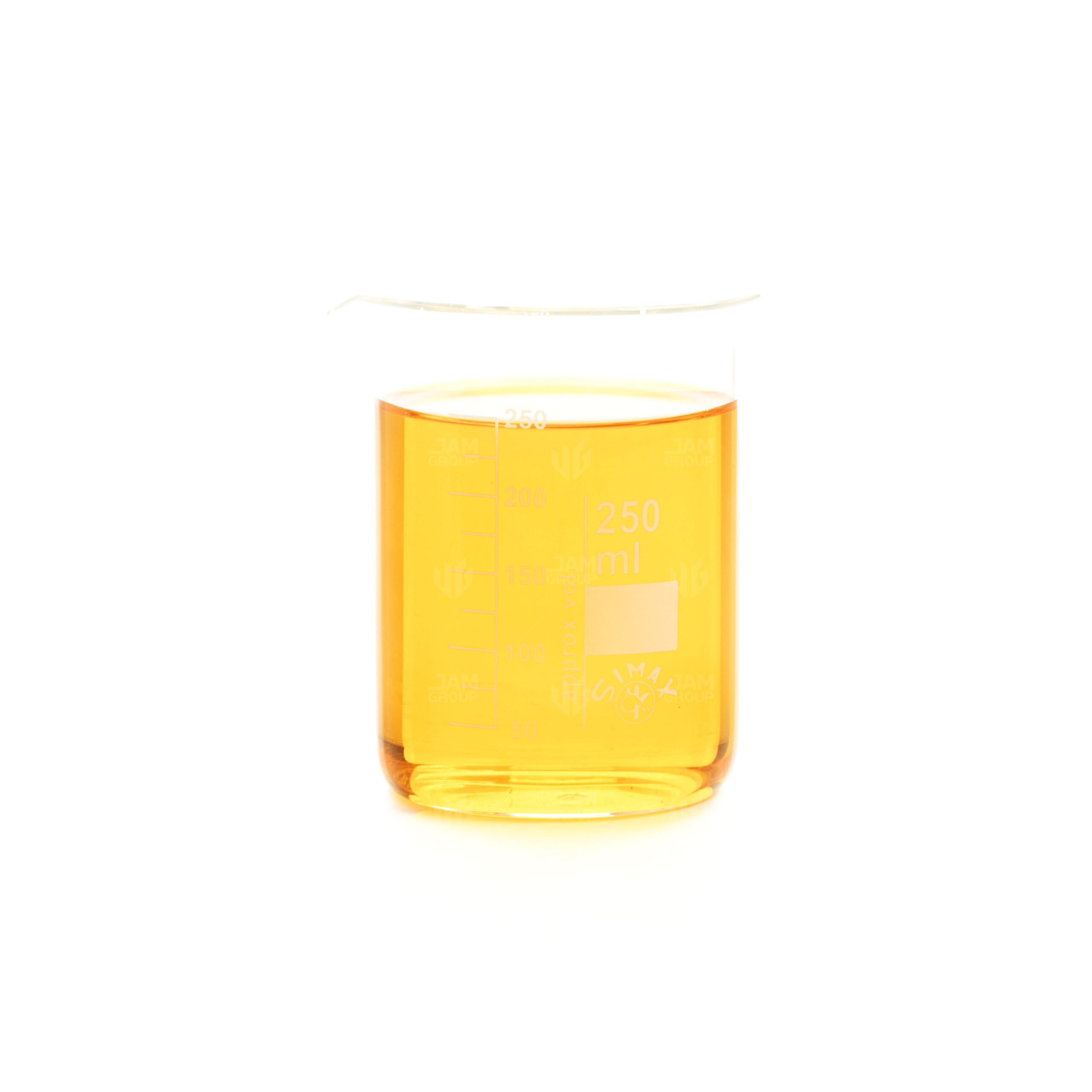
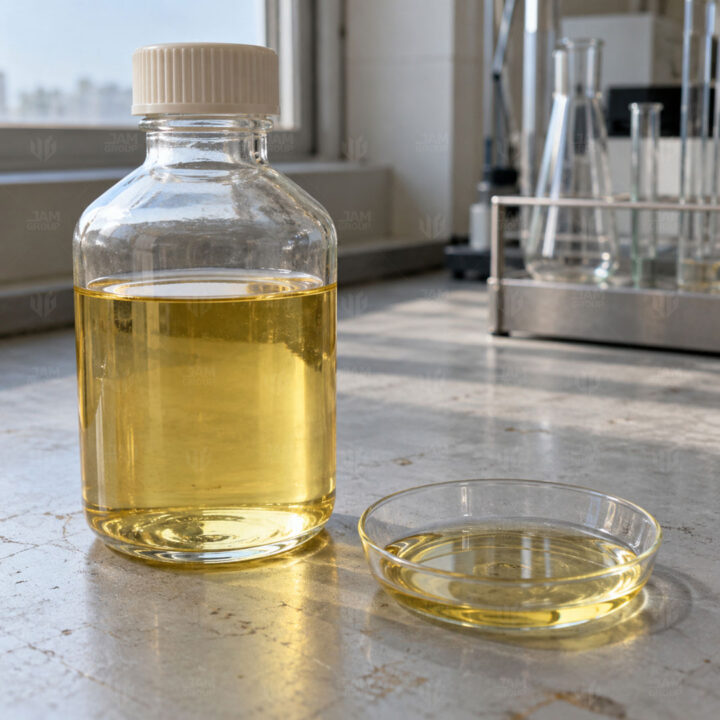
In copper hydrometallurgy, the solvent extraction reagent is the chemical that separates a low-grade acidic leach solution from a purified copper electrolyte ready for electrowinning. Acorga M5774 has filled that role at some of the world’s largest copper operations for decades: a modified aldoxime extractant with a well-established performance record in heap leach and dump leach SX-EW circuits. Extractant J-5774 is a direct functional equivalent, formulated to the same ester-modified aldoxime specification, designed for operations that want equivalent extraction performance without the commercial risk of sourcing a mission-critical reagent from a single proprietary brand.

Roughly one in five tonnes of copper produced globally passes through a solvent extraction-electrowinning (SX-EW) circuit. In Latin America, the share is closer to two in five. At those operations, the SX extractant is not an interchangeable commodity: it is the reagent that defines copper transfer per circuit pass and, ultimately, cathode quality. JAM Holdings Group supplies Extractant J-5774 as a fully documented, export-ready alternative to Acorga M5774, backed by batch-by-batch quality verification, a Certificate of Analysis (COA) per shipment, and the supply chain flexibility that procurement teams at copper SX-EW plants need when building resilience around a single-brand reagent dependency.


The Limitations & Risks of Acorga M5774

The track record of Acorga M5774 in copper SX-EW circuits is not in question. Validated across multiple continents, at heap leach and dump leach operations, in a range of climatic and chemical conditions, it has earned its reputation over many years of operational use. What is in question is the procurement model that surrounds it. The reagent flows from one manufacturing base, through one corporate supply chain, to plants that have structured their entire hydrometallurgical recovery process around it, with no alternative source if that supply is interrupted. For a reagent central to copper recovery rates, this structural dependency carries real commercial consequences.

Extractant Degradation: The Invisible Threat to Copper Loading and Phase Quality

Acorga M5774 belongs to the hydroxyoxime extractant class, a group subject to degradation through several chemical pathways that progressively reduce circuit performance over time. The most common is hydrolysis, which occurs in the acidic aqueous environment of the SX circuit and produces aldehyde and ketone fragments that accumulate in the organic phase. Nitration is a more severe pathway, triggered when the pregnant leach solution (PLS, the copper-bearing acid solution entering the SX circuit) contains nitrate concentrations above 5 grams per litre at pH values below 1.8. Nitration is a documented operational problem at copper operations in northern Chile where these feed conditions prevail, and its consequences reach across the whole circuit.

Cascade Effects: How Degraded Extractant Disrupts the Entire SX-EW Circuit?

Extractant degradation does not simply reduce copper loading. It creates a chain of process problems across the whole SX-EW circuit. Nitration of the aldoxime molecule makes stripping difficult, reducing the net copper transferred from the organic phase to the strip electrolyte with each circuit pass. Oxidative degradation produces organic compounds that contaminate the advance electrolyte (the purified copper solution that feeds the electrowinning tankhouse), and these organics can affect cathode copper quality, potentially compromising compliance with high-grade cathode purity specifications. Degraded organic also causes slower phase disengagement in mixer-settlers, increased entrainment losses, and emulsification problems that reduce circuit throughput.

Single-Source Dependency and the True Cost of a Proprietary SX Reagent

Acorga M5774’s global supply chain leads back to a single manufacturing site under a single company’s control. Every drum reaching copper operations in Chile, Peru, Zambia, Kazakhstan, and beyond passes through that one point. A maintenance shutdown, a logistics constraint, or a capacity decision at that site translates directly into a supply gap for every operation on the distribution list simultaneously. For a reagent that determines copper recovery rate, this is not an abstract risk. The costs associated with Acorga M5774 extend beyond the purchase price too: ongoing losses through entrainment in the raffinate and advance electrolyte, degradation-driven replenishment, and hazardous organic waste disposal all inflate the real cost of reagent management over a circuit’s operational life.


Extractant J-5774: Properties and Strengths

Extractant J-5774 is built around the same modified aldoxime chemistry as Acorga M5774. Its active ingredient is 5-nonylsalicylaldoxime combined with an ester equilibrium modifier (the same formulation approach used in the Acorga M series), which produces a mid-strength aldoxime with an optimized stripping equilibrium. That chemical equivalence carries through to circuit behavior: Extractant J-5774 operates through the same ion-exchange mechanism, delivers the same high copper-to-iron selectivity, and produces the fast phase separation behavior that makes this class of extractant a consistent choice in mid-grade PLS circuits. The four operational advantages below explain why procurement teams are looking at the transition seriously.

Four Reasons Plant Teams Consider Extractant J-5774 a Viable Long-Term Alternative

Plant managers running copper SX-EW circuits don’t change extractants without a clear reason. The reagent defines the extraction isotherm, and any shift in that isotherm affects every downstream step in the circuit. The four points below give procurement and metallurgical teams four reasons to evaluate Extractant J-5774: not as a supply contingency, but as a workable long-term alternative to a reagent that has left operations exposed to single-source pricing and delivery risk. Each point addresses a concern that consistently surfaces in extractant substitution discussions at copper hydrometallurgy operations.

Performance Equivalence:

The extraction and stripping performance of Extractant J-5774 in mid-grade PLS, mid-pH circuits matches Acorga M5774’s established benchmark. Copper loading, Cu/Fe selectivity, and advance electrolyte quality at equivalent extractant concentrations (10–30% v/v in kerosene) and O:A ratios are consistent with results achieved using the original reagent across these circuit types.

Cost Efficiency:

Extractant J-5774 is available outside the single-supplier pricing model of the Acorga brand. Reagent management costs in SX-EW circuits include ongoing losses through entrainment and degradation replenishment, not just the initial purchase. A competitive, multi-source supply option for an equivalent extractant supports more predictable reagent cost planning across a circuit’s operational life.

Safety & Handling:

Extractant J-5774 uses the same handling classification as all modified aldoxime SX reagents. It is an organic liquid dissolved in hydrocarbon diluent, requiring standard combustible-liquid handling precautions and appropriate PPE. It does not introduce any additional hazard categories beyond those already applicable to the Acorga M5774 organic phase that plant teams currently manage.

Drop-In Readiness:

No changes to mixer-settler equipment, organic storage tanks, or circuit piping are required to introduce Extractant J-5774. It is prepared and dosed in kerosene diluent at the same volume percentage as Acorga M5774, with extraction and stripping stages left intact. The process of qualification is an isotherm testing exercise, not an infrastructure project.


The Mechanics of Extractant J-5774

Copper is rarely found in ore at concentrations high enough to process directly. The leaching step dissolves it out by irrigating the ore with dilute sulfuric acid, producing the copper-bearing acidic solution (known as the pregnant leach solution, or PLS) that the SX circuit then treats. That treatment involves contacting the PLS with the organic extractant phase in mixer-settler units. A mixer-settler combines the two immiscible liquids (aqueous PLS and organic extractant) for chemical equilibration, then separates them by gravity. The extractant removes copper selectively from the PLS, transferring it to a purified electrolyte that the electrowinning tankhouse converts into copper cathode.

The Ion-Exchange Reaction That Drives Copper From PLS Into the Organic Phase

At the heart of the SX process is a reversible ion-exchange reaction. When Extractant J-5774 contacts the acidic PLS in the mixer, the aldoxime molecules in the organic phase form stable chelate complexes (tight chemical bonds) with copper (Cu²⁺) ions in the aqueous solution. Two aldoxime molecules bond to each copper ion, drawing it from the aqueous phase into the organic. For each copper ion extracted, two hydrogen ions are released back into the aqueous phase, maintaining the acid balance in the raffinate (the depleted aqueous stream that returns to the leach heap for recirculation). This reaction is expressed as: Cu²⁺(aq) + 2HR(org) ⇌ CuR₂(org) + 2H⁺(aq).

Stripping, Electrolyte Quality, and the Role of the Ester Modifier in Circuit Balance

After extraction, the copper-loaded organic phase moves to the stripping stage, where it contacts concentrated sulfuric acid (typically 150 to 200 g/L H₂SO₄). The high acidity reverses the equilibrium, releasing copper from the chelate complex into the aqueous strip electrolyte while the organic phase is regenerated and recycled back to extraction. The ester modifier in Extractant J-5774’s formulation adjusts the extraction-stripping equilibrium: it slightly reduces the strength of the copper-aldoxime bond, making stripping more complete without meaningfully reducing copper loading in the extraction stage. The purified, concentrated copper strip electrolyte then proceeds to the electrowinning tankhouse, where electrical current plates high-purity copper onto cathode blanks.


Industry-Specific Applications of Extractant J-5774

The application profile of Extractant J-5774 follows directly from the operating window of the mid-strength modified aldoxime class: mid-grade PLS copper concentrations, mid-pH conditions, covering the majority of commercial copper SX-EW operations globally. As a functional equivalent to Acorga M5774, it is not a product designed for one specific ore type or geography. The five circuit types described below represent the full span of documented Acorga M5774 applications, each with equivalent selectivity, matching operating parameters, and no requirement for circuit reconfiguration to accommodate the change.

Heap Leach SX-EW: The Core Application Driving Global Copper Cathode Production

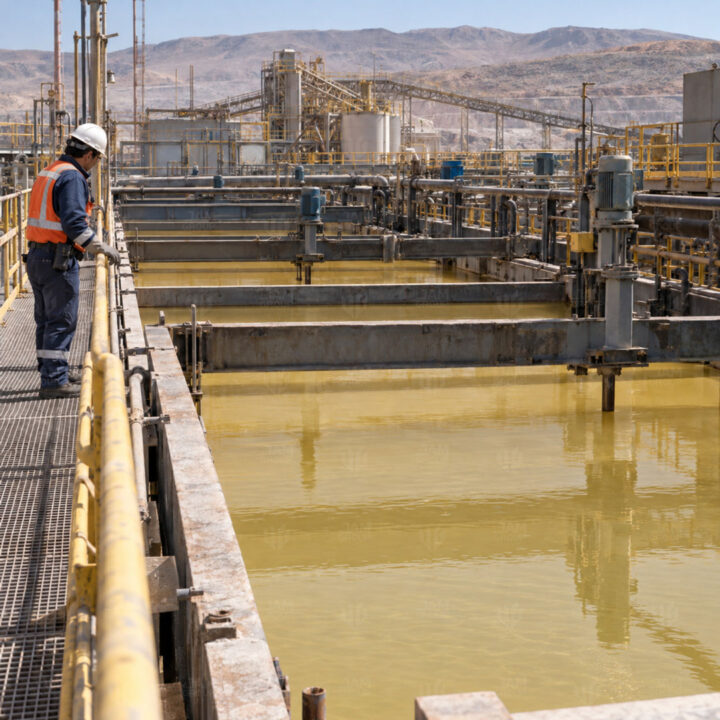
Heap leach followed by SX-EW is the primary commercial application for the modified aldoxime extractant class, and it is where Extractant J-5774 is most directly positioned as an Acorga M5774 equivalent. In a heap leach operation, crushed copper ore is stacked on an impermeable pad and irrigated with dilute sulfuric acid. The resulting PLS (typically containing 1 to 10 grams per litre of copper at pH 1.5 to 2.5) falls within the mid-grade, mid-pH range for which this extractant class is specifically formulated. Operations in Chile, Peru, the African Copperbelt, Kazakhstan, and Arizona all operate within these parameters, making Extractant J-5774 directly applicable across each of these major copper-producing regions.

Dump and Mine Waste Leaching: Recovering Stranded Copper With a Selective Extractant

Old mine waste dumps and low-grade ore stockpiles represent a growing source of copper recovery through acid leaching. Leach solutions from these materials tend to be more impurity-laden than conventional heap leach PLS, carrying higher concentrations of iron, aluminum, and other dissolved metals that the extractant must reject. The high copper-to-iron (Cu/Fe) selectivity of the modified aldoxime class (which Extractant J-5774 inherits) is particularly valuable here, where iron contamination of the advance electrolyte would reduce electrowinning current efficiency and degrade cathode copper quality. Many operations in the African Copperbelt and the central Andes region apply this model to recover copper from material that was previously classified as waste.

Low-Grade Oxide and Mixed Copper Ores: Hydrometallurgy Over Smelting

Oxide copper ores (including malachite, azurite, chrysocolla, and cuprite) have been the traditional feed material for SX-EW processing since the process was widely commercialized in the 1980s. Mixed oxide-sulfide ore bodies, where sulfide content is too low to justify a conventional flotation and smelting circuit, are increasingly processed hydrometallurgically as well. Extractant J-5774 is appropriate for both ore types, provided the leach solution falls within the mid-pH, mid-grade operating window of the mid-strength aldoxime class. The lower capital and operating cost of SX-EW relative to smelting continues to attract both new project developers and established operations looking to extend mine life through low-grade resource processing.

In-Situ and Run-of-Mine Leaching: Cost-Effective Copper Recovery at Scale

In-situ leaching (where acid is injected directly into the ore body without mining or crushing) and run-of-mine, or ROM, heap leaching (where uncrushed ore is directly stacked) both produce lower-grade PLS than conventional crushed heap leach operations. These approaches reduce capital and energy costs significantly and are increasingly applied to large, low-grade copper ore bodies. Extractant J-5774 performs well at the lower copper concentrations typical of these circuits. As mining companies work to bring more marginal copper resources into production ahead of growing demand from the energy transition, in-situ and ROM leaching are set to expand, widening the market for mid-strength modified aldoxime extractants.

Secondary Copper Recovery From Industrial Residues and Electronic Waste

Beyond primary mining, SX-EW is increasingly applied to secondary copper sources: spent copper electrolytes, industrial effluent streams, printed circuit board leach solutions, and copper-bearing residues from manufacturing processes. These secondary leach solutions are typically more complex than primary mine PLS, carrying elevated concentrations of iron, zinc, nickel, and other metals that must be separated from copper. The modified aldoxime chemistry of Extractant J-5774 provides the selectivity needed to produce high-purity copper electrolyte from these demanding feeds. This application base is growing alongside the global circular economy movement, as manufacturers and mining operations seek to recover copper from materials that were previously treated as waste streams.


Step-by-Step Transition & Bench Testing Protocol for Extractant J-5774

Transitioning from one SX extractant to another requires more structured technical validation than most reagent changes in mineral processing. At the core of that validation is the extraction isotherm: the equilibrium curve that shows how copper distributes between the organic and aqueous phases at different O:A ratios. This isotherm must be established for Extractant J-5774 on real site PLS before any commercial-scale adoption, because it defines the number of extraction stages required and the copper recovery achievable under the plant’s specific conditions. The three-phase protocol below delivers that validation at progressively larger scales before any permanent supply change is finalized.

Phase 1: Extraction and Stripping Isotherm Testing on Actual Plant PLS

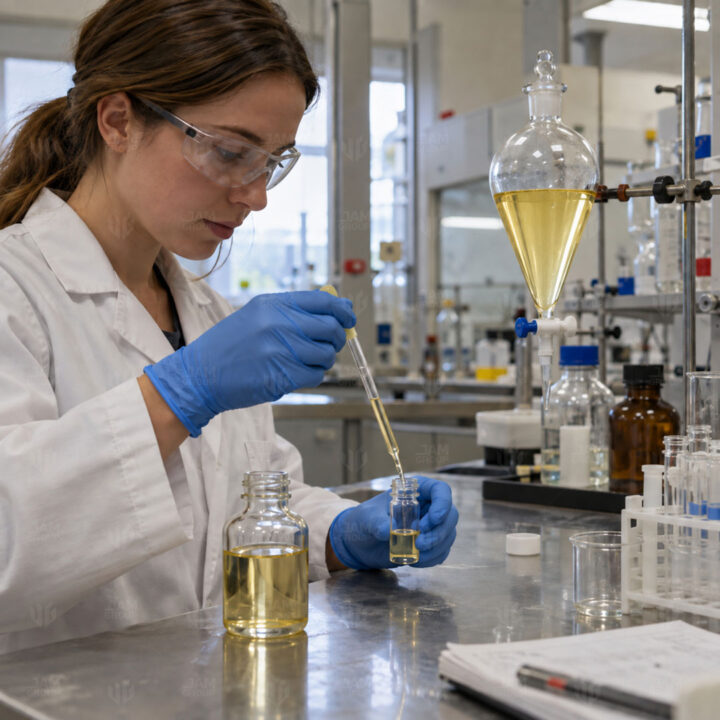
Laboratory isotherm testing is conducted using a representative PLS sample from the current operating circuit and the plant’s strip acid conditions. Extractant J-5774 is prepared at the same volume percentage in kerosene as the current Acorga M5774. Organic and aqueous phases are mixed at a range of O:A ratios at 20°C until equilibrium is reached, and copper concentrations in both phases are measured to construct the extraction isotherm. Stripping isotherms are produced using synthetic advance electrolyte acid. McCabe-Thiele diagrams (graphical tools that show how many extraction and stripping stages are required for a target level of copper transfer) are then plotted to confirm that the same circuit configuration applies to Extractant J-5774.

Phase 2: Continuous Mixer-Settler Pilot Trial to Confirm Phase Behavior

With isotherm equivalence confirmed, Extractant J-5774 is tested in a continuous small-scale mixer-settler trial on actual plant PLS. This step captures dynamic behavior that equilibrium tests cannot: phase disengagement time, crud tendency (the formation of solid or gelatinous material at the organic-aqueous interface that disrupts phase separation), organic entrainment into the raffinate and advance electrolyte, and circuit stability over at least 72 hours of continuous operation. Copper recovery, raffinate grade, advance electrolyte quality, and organic losses are monitored throughout, producing the data set needed to confirm that Extractant J-5774 will meet the plant’s copper recovery and cathode quality targets at operating scale.

Phase 3: Blending Into the Operating Circuit and Monitoring to Steady State

Most SX-EW plants manage their organic inventory through progressive top-up additions rather than full circuit replacement. Extractant J-5774 can therefore be introduced by blending it into the existing organic as replenishment additions are made, with no circuit shutdown required. As the proportion of Extractant J-5774 in the circuit increases, plant metallurgists track daily copper loading, raffinate grade, advance electrolyte quality, and phase disengagement behavior. Full steady state (where the organic inventory is entirely Extractant J-5774) is typically reached over two to four weeks, depending on circuit volume and replenishment rate. No changes to stripping acid concentration or electrowinning parameters are anticipated during this process.


Safe Handling & Storage of Extractant J-5774

The handling requirements for Extractant J-5774 are shaped by its physical form: an organic liquid dissolved in kerosene diluent. Like all modified aldoxime SX reagents, the organic phase is classified as a combustible liquid and carries the standard hazard profile of that class. Plants currently using Acorga M5774 are already managing this profile as part of daily operations. No new hazard categories are introduced by switching to Extractant J-5774; the procedural framework, emergency response provisions, and PPE protocols already in place for the Acorga M5774 organic phase are fully sufficient.

Fire Prevention, PPE Requirements, and Spill Response at SX Plant Sites

Extractant J-5774, when prepared in kerosene diluent, should be stored in a dedicated organic chemical storage area away from ignition sources and heat. Storage tanks and drums should be properly earthed (grounded) to prevent static electricity buildup during transfers, and containers must be built from compatible materials (steel or HDPE) and kept sealed when not in active use. The storage area should be bunded (enclosed within a secondary containment structure) to prevent any spill from reaching surface water, drainage systems, or process water recycling infrastructure. Strong oxidizing agents and concentrated acids at elevated temperatures should not be stored in the same area as the organic phase.

During transfer and dosing operations, workers should wear chemical-resistant nitrile or neoprene gloves, safety goggles, and (where splashing is possible) a chemical-resistant face shield and apron. Adequate ventilation at all transfer points minimizes hydrocarbon vapor accumulation from the kerosene diluent. For skin contact, wash the affected area thoroughly with soap and water and remove contaminated clothing promptly. For eye contact, flush immediately with clean water for at least 15 minutes and seek medical attention. Spills should be contained using inert absorbent material and disposed of as hazardous organic waste through a licensed waste management contractor, in compliance with local environmental regulations.


Global Market Trends for Acorga M5774 and Its Substitutes

Copper is now one of the most strategically tracked industrial metals in the world. Its role in electric vehicles, solar panels, wind turbines, and power grid infrastructure has created a demand profile that mining operations are working hard to meet, and the SX-EW process is the primary technology for bringing new low-grade oxide copper resources into production. The SX extractant sits at the centre of that process, and demand for it is growing in direct proportion to the expansion of SX-EW capacity. Within that growing market, the interest in supply alternatives to single-brand proprietary reagents is a documented and accelerating trend.

Green Energy, Expanding SX-EW Capacity, and the Case for Multi-Source Extractant Supply

Market data tells a clear story. The global copper SX extractant market was valued at approximately USD 1.2 billion in 2024 and is projected to reach USD 2.0 billion by 2033, growing at a compound annual growth rate of approximately 6.2 percent. This growth is tied directly to expanding copper SX-EW production capacity (a process that accounts for about 20 percent of total world copper output and as much as 40 percent in Latin America). Over 60 percent of new copper extraction plants commissioned in 2025 are expected to use hydrometallurgical methods, with SX-EW as the central production technology.

In March 2024, BASF launched a next-generation aldoxime-based SX reagent, confirming that the market for equivalent-performance SX extractants from non-proprietary sources is commercially active and expanding. The African Copperbelt (Democratic Republic of Congo and Zambia) and Central Asia (Kazakhstan) are the fastest-growing regions for new SX-EW capacity, both served primarily through international chemical imports. ESG requirements are also driving the shift from smelting to SX-EW at operations where sulfur dioxide emissions from pyrometallurgical processing face regulatory pressure. Taken together, these factors build a sustained and accelerating case for reliable, quality-verified extractant supply that is not concentrated in a single brand or manufacturing point.


JAM Holdings Group as a Reliable Supplier of Acorga M5774 Substitute

JAM Holdings Group operates as a committed supplier of Extractant J-5774 to copper SX-EW operations worldwide, providing a fully documented, export-ready alternative to Acorga M5774. The supply model rests on three commitments: batch-consistent product quality, comprehensive export documentation, and packaging formats suited to the liquid organic chemical requirements of SX-EW plants at different production scales. For procurement teams working to reduce single-source reagent dependency without disrupting circuit metallurgical performance, JAM Holdings Group provides the product traceability, transition sampling support, and supply security that makes the substitution process both practical and technically supported.

About JAM Holdings Group’s Substitute: Extractant J-5774

Extractant J-5774 is supplied with a Certificate of Analysis (COA) issued for each production batch, documenting key chemical parameters including active ingredient content, modifier ratio, and physical properties. Batch coding and production dating are applied to every shipment, providing full traceability from the point of manufacture through to delivery at the receiving plant. A Safety Data Sheet prepared in accordance with GHS classification requirements is provided with all shipments, ensuring that plant chemistry teams and safety officers have the complete documentation needed for internal chemical management, occupational health, and environmental compliance records without additional effort on their part.

JAM Holdings Group as a Reliable Supplier for Substitute Acorga M5774

JAM Holdings Group is an active exporter of Extractant J-5774, with export operations structured around the documentation and compliance requirements of international specialty chemical trade to copper-producing markets. Pre-shipment inspection by third-party inspection agencies is available on the buyer’s request, providing independent verification of product quantity and quality before loading. Standard export documentation is provided with every shipment. For operations in regions with specific import requirements, a Certificate of Origin and other jurisdiction-specific documents can be included as part of the standard export file.

Sourcing & Facilities / Provenance for Extractant J-5774

Extractant J-5774 is produced through a qualified partner manufacturing network, with production consistency and quality overseen directly by JAM Holdings Group’s procurement and quality management team. The production base is positioned to support efficient export logistics to copper SX-EW operations in Africa, Latin America, Central Asia, and other regions where specialty chemical imports represent a significant operational dependency. Provenance documentation confirming the country of origin is available for each shipment, supporting buyer supply chain transparency requirements and import compliance processes. The company operates through a vetted manufacturing partner model and does not make direct plant ownership claims beyond the scope of this qualified network.

Packaging & Logistics of Extractant J-5774 at JAM Holdings Group

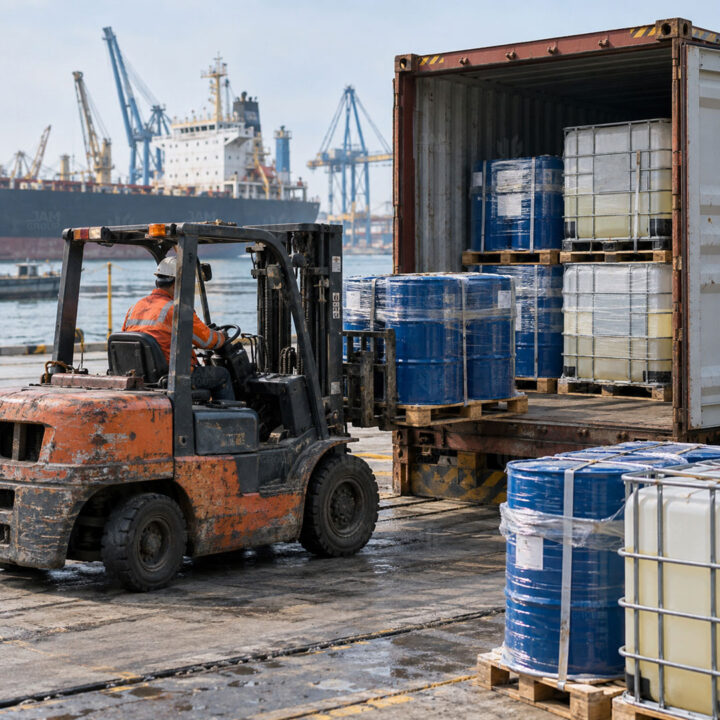
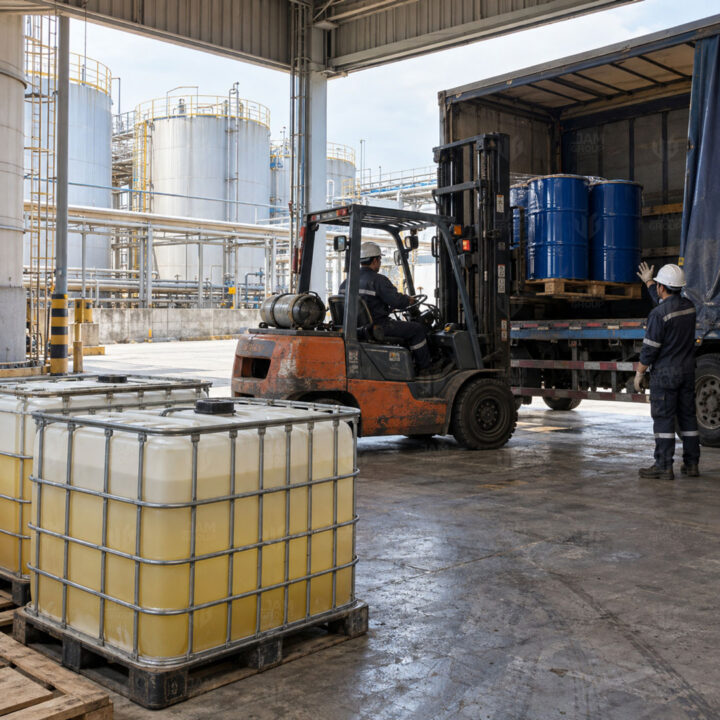
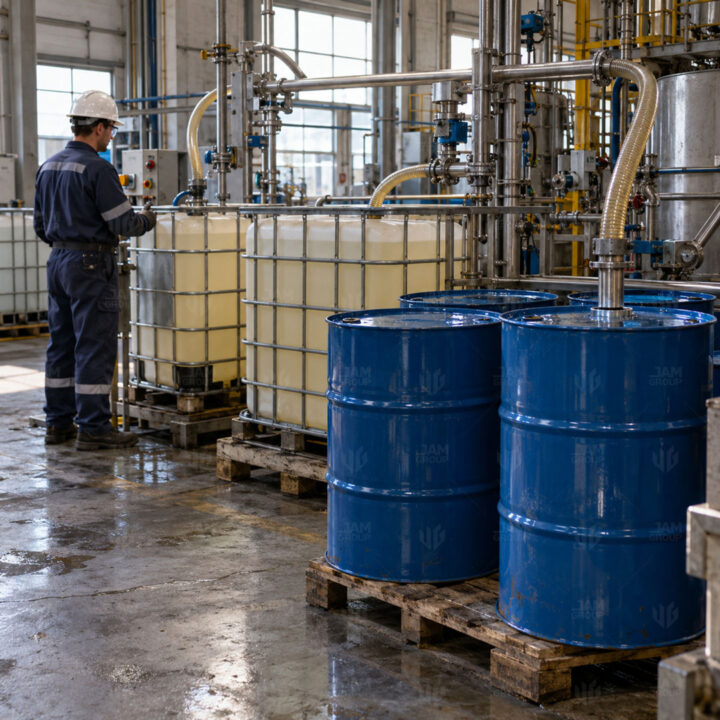
JAM Holdings Group serves as a reliable provider of Extractant J-5774 to copper hydrometallurgy operations in international markets, with packaging formats matched to the liquid organic chemical handling requirements of SX-EW plants at different scales. The product is available in 200 to 220 litre steel or HDPE sealed drums and 1,000 litre intermediate bulk containers (IBCs). Each unit carries a batch number, net and gross weight, production date, and appropriate GHS hazard labeling for organic liquid chemicals. Container loads are optimized for 20-foot and 40-foot FCL shipments, with sealed closures and temperature management options available for deliveries to high-temperature or remote-location destinations.

HOW CAN JAM GROUP HELP YOU?

Send us a message and our friendly team will get back to you within one business day.