









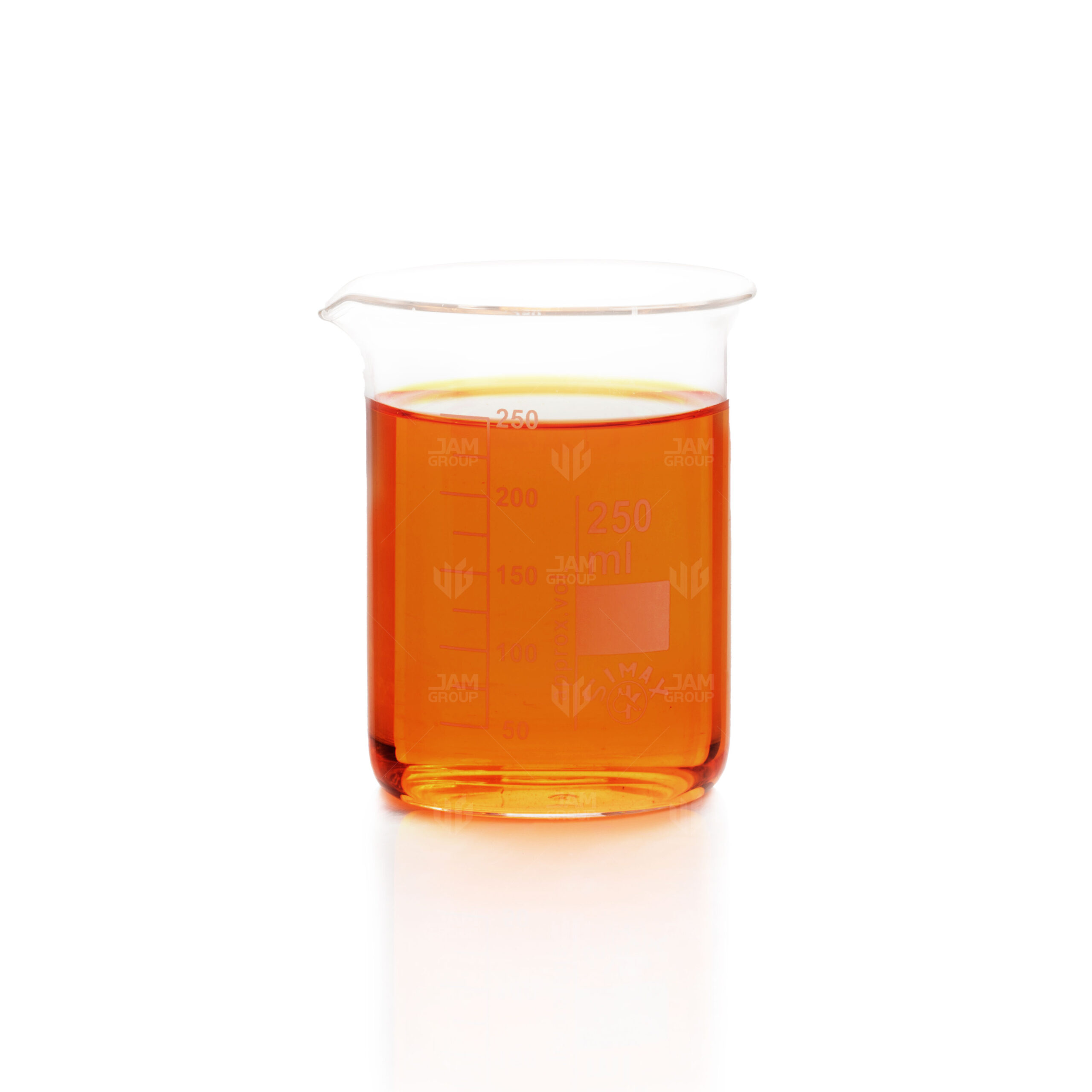
As a high-performance alternative to Sodium Isobutyl Xanthate (SIBX), JAMCollector 2318-T serves as a substitute in the mining sector. It is a widely used flotation collector in the global mining industry. A collector is a chemical reagent that attaches to the surface of target mineral particles, making them water-repelling so they can attach to rising air bubbles and be recovered as mineral-rich froth concentrate. SIBX has served copper, lead-zinc, gold, and nickel sulfide ore circuits for decades, but its classification as a spontaneously combustible substance creates serious storage, transport, and occupational health burdens. JAMCollector 2318-T delivers equivalent sulfide ore collecting performance without these operational and regulatory constraints.
Replacing a primary collector is a decision that plant metallurgists approach carefully. Any change to the reagent suite can affect flotation recovery, concentrate grade, and circuit stability. JAM Holdings Group addresses these concerns directly by supplying JAMCollector 2318-T as a fully documented, export-ready collector, backed by batch-consistent quality, a Certificate of Analysis (COA) issued per shipment, and practical support throughout the transition process. For operations in copper, lead-zinc, gold, and nickel sulfide processing that are seeking a more manageable alternative to SIBX, the company provides the product traceability and supply consistency needed to make that change with confidence.
The Limitations & Risks of Sodium Isobutyl Xanthate (SIBX)
Sodium Isobutyl Xanthate has been one of the dominant flotation collectors in the mining industry for many years. Its collecting power for non-ferrous metal sulfides is well established, and it remains in widespread use across copper, lead-zinc, gold, and nickel circuits worldwide. Its hazard profile, however, stands apart from most other mining reagents. SIBX is formally classified as a spontaneously combustible solid under international dangerous goods regulations, and its decomposition produces toxic, flammable gases. As environmental standards tighten and ESG reporting requirements expand, the operational and financial burden of managing SIBX at scale is becoming increasingly difficult for processing plants to absorb.
A Spontaneously Combustible Solid in a Tightening Regulatory Environment
SIBX is formally classified under international dangerous goods regulations as a Class 4.2 spontaneously combustible substance, assigned transport designation UN 3342 Packing Group II. In practical terms, this means that under the right conditions (principally moisture contact and elevated temperature) it can ignite without any external ignition source. This classification triggers compliance requirements that go well beyond those applicable to most flotation reagents. In the European Union, REACH registration requires full documentation of environmental fate and toxicity data. In Australia and several other jurisdictions, SIBX storage operations qualify as major hazard facilities, requiring continuous monitoring, formal emergency response plans, and financial assurances for post-closure water treatment.
Toxic Decomposition Products and the Occupational Health Reality for Plant Workers
When SIBX decomposes (through moisture contact, heat, or exposure to acidic materials) it releases carbon disulfide (CS₂), a colorless, highly toxic, and flammable gas. Short-term CS₂ inhalation causes nausea, vomiting, dizziness, headache, and chest pain — and in high concentrations, convulsions. Long-term occupational exposure is linked to neurological damage, increased rates of myocardial infarction and cardiovascular disease, reproductive effects, and psychoneurotic disorders. SIBX is also hygroscopic: it absorbs atmospheric moisture readily, which accelerates decomposition and raises the risk of spontaneous combustion. This is a particular concern at mining operations in warm or humid climates, common across Africa and Southeast Asia.
The Real Cost of SIBX: Storage, Transport, and Disposal Overheads
The purchase price of SIBX does not reflect its true cost of ownership. Its Class 4.2 transport classification imposes dangerous goods logistics requirements on every shipment (specialized documentation, restricted carrier options, and freight premiums compared to non-classified reagents). Storage requires cool, dry, locked, and ventilated facilities specifically designed for spontaneously combustible materials, isolated from heat sources, acids, and oxidizing agents. Shelf life is sensitive to moisture: even brief exposure can trigger degradation and combustion events. Disposal requires licensed incineration at approved facilities rather than standard industrial waste channels. Supply chain price volatility for xanthate salts has been documented at 10 to 15 percent year-on-year, adding further procurement unpredictability to an already demanding material.
JAMCollector 2318-T: Properties and Strengths
JAMCollector 2318-T is formulated to meet the full application profile of SIBX while removing its most serious operational liabilities. As a sulfide ore flotation collector, it targets the same mineral species (chalcopyrite, galena, sphalerite, pyrite, pentlandite, and associated gold-bearing sulfides) through the same fundamental collecting mechanism: selective attachment to sulfide mineral surfaces, producing the hydrophobicity needed for efficient bubble-particle attachment in the flotation cell. It is water soluble, compatible with standard flotation circuit reagent suites, and requires no modifications to existing dosing infrastructure. The four key advantages below outline the operational case for making the transition.
Four Reasons Plant Metallurgists Choose JAMCollector 2318-T Over SIBX
The advantages described below are grounded in the operational realities of sulfide ore flotation circuits. Transitioning a primary collector is not taken lightly: any change to a reagent that directly controls mineral recovery affects the financial performance of the entire plant. Each advantage addresses a specific concern that metallurgists and procurement managers raise when considering a move away from an established collector. JAMCollector 2318-T is designed to answer each of those concerns directly — matching collecting performance, reducing the regulatory and logistical overhead that SIBX imposes, and giving procurement teams a supply option that is not restricted by dangerous goods classifications.
Performance Equivalence:
JAMCollector 2318-T delivers equivalent collecting performance to SIBX in sulfide ore flotation circuits. It selectively targets the same range of mineral species (copper, lead, zinc, gold, and nickel sulfides) through the same chemisorption mechanism. Metal recovery rates and concentrate grades at comparable dosage levels are consistent with the benchmark performance established by SIBX in these circuit types.
Cost Efficiency:
JAMCollector 2318-T is not subject to the Class 4.2 dangerous goods classification that governs SIBX transport. This removes specialized logistics overhead, higher freight rates, and the storage requirements that inflate SIBX’s total cost of ownership. For operations familiar with the 10 to 15 percent annual price volatility in xanthate supply chains, more stable procurement costs are a practical benefit.
Safety & Handling:
SIBX is a spontaneously combustible solid that decomposes to release carbon disulfide (CS₂), a toxic and flammable gas with documented links to neurological, cardiovascular, and reproductive health damage. JAMCollector 2318-T does not carry this decomposition risk profile. Standard PPE and industrial chemical handling procedures apply, with no requirement for the specialized dangerous goods storage facilities that SIBX mandates.
Drop-In Readiness:
JAMCollector 2318-T requires no modifications to existing dosing equipment, flotation cells, or reagent feed lines. It operates through the same collector mechanism as SIBX and is compatible with standard activator, frother, and depressant packages, so plant operators can transition without restructuring the circuit reagent regime. Minor dosage calibration during initial bench testing is recommended as standard practice.
The Mechanics of JAMCollector 2318-T
Froth flotation is the dominant process for separating valuable minerals from waste rock in ore slurries. Within that process, the collector is the reagent that makes selective mineral separation possible. Without a collector, most sulfide mineral particles remain wetted by water and sink to tailings regardless of how well the circuit is configured. JAMCollector 2318-T performs the collector function through chemisorption — a form of surface bonding where the reagent molecule forms a stable chemical complex with metal ions on the sulfide mineral surface, changing its surface properties from hydrophilic (water-attracting) to hydrophobic (water-repelling) and enabling effective bubble attachment.
How JAMCollector 2318-T Bonds to Sulfide Mineral Surfaces and Drives Recovery?
When JAMCollector 2318-T is added to the flotation pulp (the water-based slurry of ground ore moving through the cell), its molecules migrate to the surface of target sulfide mineral particles. The reactive sulfur-containing group in the collector molecule forms a chemical bond with the metal ions present on the mineral surface, such as copper (Cu²⁺), lead (Pb²⁺), zinc (Zn²⁺), and iron (Fe²⁺). This bonding produces a stable surface layer that renders the mineral particle hydrophobic. The hydrophobic particle then preferentially attaches to rising air bubbles, is carried to the froth layer at the top of the flotation cell, and is recovered as mineral concentrate while the gangue remains in the pulp below.
Operating Variables That JAMCollector 2318-T Manages Consistently
In a working flotation plant, the collector must perform reliably across a range of variables that shift from shift to shift. JAMCollector 2318-T is compatible with both natural (near-neutral) pH circuits — the preferred condition for copper and pyrite flotation — and high-alkalinity lime circuits commonly used in lead-zinc and gold processing. Its water solubility allows for precise dosage control through standard volumetric delivery, with a reference dosage range of 60 to 100 grams per tonne of ore in copper circuits as a starting point for bench calibration. It is compatible with copper sulfate activation of sphalerite and works alongside standard frother types including MIBC and polypropylene glycol-based frothers without adverse interaction.
Industry-Specific Applications of JAMCollector 2318-T
JAMCollector 2318-T is designed to serve the exact same industries and circuit types as SIBX. As a direct functional substitute, it is not a specialist product for a single application but a broadly applicable collector covering the full range of non-ferrous metal sulfide ore types where SIBX is established. The applications described below reflect the documented use profile of SIBX-class collectors, which JAMCollector 2318-T is specifically formulated to replicate, with equivalent mineral selectivity, compatible reagent suite interactions, and no requirement for circuit reconfiguration across any of the industry sectors described.
Copper Sulfide Flotation: The Primary Application and the Benchmark for Performance
Copper ore processing is the most significant application area for SIBX-class collectors, and JAMCollector 2318-T performs directly in this role. Copper sulfide minerals — primarily chalcopyrite, the most widely processed copper ore mineral globally — respond strongly to this class of collector in natural pH circuits. Documented SIBX performance in carbonatitic copper ore processing has achieved recovery rates above 85 percent at dosages around 80 grams per tonne of ore, providing a clear performance benchmark. JAMCollector 2318-T maps to this standard and is compatible with the lime-based pH control systems, standard activator packages, and frother types used in both porphyry and high-grade copper sulfide concentrators.
Lead-Zinc Circuits: Selective Collection Across Sequential Flotation Stages
Lead-zinc sulfide ores are processed using differential flotation — a method where galena (the primary lead mineral) and sphalerite (the primary zinc mineral) are floated in a planned sequence rather than simultaneously. SIBX is a standard collector in this circuit type, providing collecting strength for galena recovery while remaining compatible with the depressant and activator regimes that control flotation timing. JAMCollector 2318-T functions in the same sequential circuit, collecting galena in the lead stage and supporting sphalerite collection after copper sulfate activation in the zinc stage, without disrupting the depressant chemistry used to keep one mineral below the froth while the other is being recovered.
Gold-Bearing Sulfide Ores: Recovering Free Gold and Refractory Gold Hosts
Gold occurs in two distinct forms in sulfide ore flotation circuits: free gold (physically liberated particles of gold) and refractory gold, which is locked inside sulfide host minerals such as pyrite and arsenopyrite. SIBX is effective for both. In natural pH circuits it provides strong collecting action for pyrite and arsenopyrite, recovering the sulfide host mineral together with the gold it contains as part of the concentrate. JAMCollector 2318-T is applicable to both gold ore types, providing the same sulfide host mineral collection that makes gold recovery by flotation viable in operations where direct cyanide leaching of the whole ore is insufficient or uneconomical.
Nickel Sulfide Processing: Collecting Pentlandite and Chalcopyrite in Bulk Circuits
Nickel sulfide ores present specific flotation challenges. The primary nickel-bearing mineral, pentlandite, often occurs alongside chalcopyrite and pyrrhotite in complex sulfide mineral associations that require a collector capable of recovering multiple mineral species in a single bulk concentrate stage. Xanthates including SIBX are the established collectors for nickel sulfide bulk flotation, particularly in operations processing disseminated sulfide ore types. JAMCollector 2318-T covers this application directly, providing effective collection of pentlandite and chalcopyrite in bulk concentrate circuits. Where copper sulfate activation is required for specific mineral types within the ore, the standard activation protocol remains unchanged.
Complex Polymetallic Sulfide Ores: Versatility Across Multi-Metal Processing Circuits
Many of the world’s major sulfide ore bodies are polymetallic, containing copper, lead, zinc, gold, silver, and other metals that must be separated into individual concentrates through multi-stage flotation. SIBX’s strength in polymetallic circuits comes from its broad collecting range and reasonable selectivity across different sulfide mineral species. JAMCollector 2318-T is suited to the same polymetallic processing environments, where the collector must remain effective and manageable across varying pH conditions, multiple activator and depressant additions, and the different flotation stages required to generate separate concentrate streams for each target metal in the ore.
Step-by-Step Transition & Bench Testing Protocol for JAMCollector 2318-T
Transitioning from SIBX to a functional equivalent collector requires structured metallurgical validation. The primary collector in any sulfide flotation circuit directly controls how much of the target metal is recovered and at what grade, making it the most performance-sensitive reagent in the system. The three-phase protocol below reflects standard industry practice for collector substitution in mineral processing plants. It is designed to manage technical risk at each scale, from laboratory confirmation through to full plant integration, and to generate the metallurgical data that process engineers and plant managers need before committing to a permanent supply change.
Phase 1: Establishing Performance Equivalence at Laboratory Scale
The first step is controlled flotation testing using a representative ore sample drawn from the current production circuit. A laboratory flotation cell is used to establish a performance baseline with the existing SIBX dosage (typically in the range of 60 to 100 grams per tonne for copper circuits, adjusted for the specific ore type being processed). JAMCollector 2318-T is then tested at the same dosage, with incremental adjustments to identify the optimum rate for the site’s ore. Key performance indicators at this stage are metal recovery percentage, concentrate grade, tailings assay, and flotation rate constant. The objective is to confirm equivalent performance at laboratory scale before progressing the evaluation.
Phase 2: Closed-Circuit Pilot Trials to Validate Scale-Up Behavior
With laboratory equivalence confirmed, the optimized dosage is transferred to a pilot plant closed-circuit trial (an operation that recycles process water as it would in a full-scale plant). This step clarifies how JAMCollector 2318-T interacts with recycled reagents and the dissolved metal ions that accumulate in process water over time. The pilot trial also tests collector interaction with the existing activator regime (typically copper sulfate for zinc activation), confirms that froth characteristics and downstream dewatering behavior are acceptable, and generates the mass balance data needed to support a full-plant transition decision with confidence.
Phase 3: Full-Plant Integration and Circuit Stabilization
With pilot trial data confirmed, JAMCollector 2318-T is introduced into the full-scale flotation circuit. The dosing pump is calibrated to the pilot-derived optimum, and the product is introduced progressively to allow the circuit to reach a new steady state without sharp performance disruptions. Plant metallurgists monitor froth appearance, concentrate grade, recovery rate, and tailings assay closely during the first 48 to 72 hours of operation. A monitoring period of two to four weeks is recommended to verify consistent performance across shift changes, feed grade variations, and changes in ore hardness or grind size. No restructuring of the activator, frother, or depressant regimes is expected during this integration process.
Safe Handling & Storage of JAMCollector 2318-T
JAMCollector 2318-T is handled as a standard industrial chemical rather than a dangerous goods material. This is a meaningful practical distinction from SIBX, which carries a Class 4.2 spontaneous combustion classification requiring specialized storage facilities, restricted transport documentation, and emergency planning provisions at major hazard facility scale. JAMCollector 2318-T does not carry these requirements. Standard industrial chemical handling procedures (appropriate PPE, dry storage in sealed containers, and routine chemical waste disposal) are sufficient for safe daily use in a mineral processing plant environment, significantly reducing the compliance and infrastructure burden that SIBX management imposes.
Storage Requirements, PPE, and Spill Response for Day-to-Day Plant Use
JAMCollector 2318-T should be stored in a cool, dry, well-ventilated area away from direct sunlight. Containers should be kept tightly sealed when not in use to protect the product from moisture and maintain stability throughout the storage period. Incompatible materials include strong oxidizing agents and strong acids — standard exclusions for most flotation chemistry storage areas. Shelf life under correct storage conditions is confirmed on the batch label provided with each shipment. There is no requirement for the locked, fire-rated, isolated storage facilities that SIBX demands, a meaningful simplification for plant site management and safety teams.
During routine handling and dosing operations, workers should wear chemical-resistant nitrile gloves, safety goggles, and (where splash or dust exposure is possible at the dosing station) a chemical-resistant face shield. Adequate ventilation at dosing points is recommended as standard practice for any flotation reagent handling area. In the event of skin contact, wash thoroughly with soap and water and remove contaminated clothing promptly. For eye contact, flush with clean water for at least 15 minutes and seek medical advice if irritation persists. Spills should be contained using inert absorbent material and disposed of in compliance with applicable local chemical waste management regulations.
Global Market Trends for Sodium Isobutyl Xanthate (SIBX) and Its Substitutes
The global mining flotation chemicals market is expanding steadily, driven by growing demand for base metals and precious metals across energy transition, construction, and electronics manufacturing sectors. Within this market, collectors represent the single largest product category by revenue, and xanthate-based collectors including SIBX currently dominate sulfide ore processing worldwide. At the same time, regulatory pressure, ESG reporting requirements, and the documented safety burden of xanthate management are driving a clear shift toward alternative collectors. JAMCollector 2318-T enters this market at a point when that shift is not anticipated but already underway at multiple levels of the industry.
From Compliance Pressure to Strategic Procurement: Why the Xanthate Shift Is Accelerating?
The global mining flotation chemicals market was valued at approximately USD 12 billion in 2024 and is projected to grow at a CAGR of around 5.1 percent through 2034. Collectors hold approximately 36 to 38 percent of that total, making them the single largest product segment. Xanthate-based collectors including SIBX and SIPX currently dominate the sulfide ore segment, achieving recovery efficiencies above 85 percent for copper and above 60 percent for gold in documented circuit applications.
The structural pressure to move away from xanthates is building from multiple directions at once. European and North American producers are actively phasing out xanthate collectors because of their toxicity and transport classification, and this practice is spreading to operations in Africa, Australia, and Latin America as ESG disclosure requirements extend across global mining supply chains. Supply chain price volatility of 10 to 15 percent year-on-year is a persistent secondary driver. Major specialty chemical companies have responded: Solvay launched a biodegradable copper flotation collector in late 2024, and BASF expanded its collector portfolio in September 2024 (both clear market signals that demand for safer, equivalent-performance alternatives is commercially active at the highest level). The collector segment is growing, and the share of that growth going to non-xanthate alternatives is expanding year on year.
JAM Holdings Group as a Reliable Provider of Sodium Isobutyl Xanthate (SIBX) Substitute
JAM Holdings Group, a specialized supplier of JAMCollector 2318-T, offers mineral processing facilities a high-performance, export-certified replacement for SIBX, complete with comprehensive documentation. The company’s supply model is built on three core commitments: batch-consistent product quality, comprehensive export documentation, and packaging options suited to the operational requirements of mining plants at different production scales. For procurement teams evaluating a transition away from a Class 4.2 dangerous goods collector, the company provides the product traceability, technical sampling support, and logistics infrastructure needed to make that transition practical and well-supported at every stage.
About JAM Holdings Group’s Substitute: JAMCollector 2318-T
JAMCollector 2318-T is supplied with a Certificate of Analysis (COA) issued for each production batch, documenting key chemical parameters and confirming product identity and quality. Batch coding and production dating are applied to every shipment, providing full traceability from the point of production through to delivery at the receiving plant. The product is managed with end-to-end quality oversight, from sourcing and quality control through to final export packing. A Safety Data Sheet (SDS) prepared in accordance with GHS (Globally Harmonized System) classification requirements is provided with all shipments, giving receiving operations the documentation needed for their own internal chemical management and compliance processes.
JAM Holdings Group as a Reliable Supplier for Substitute Sodium Isobutyl Xanthate (SIBX)
JAM Holdings Group, serving as a prominent exporter of JAMCollector 2318-T, manages its export logistics to align with the stringent regulatory and documentation standards of the global industrial chemical market. Pre-shipment inspection by third-party inspection agencies is available on the buyer’s request, providing independent verification of product quantity and quality before loading. Standard export documentation (Commercial Invoice, Packing List, Bill of Lading, Certificate of Analysis, and Safety Data Sheet) is provided with every shipment. For operations in regions with specific import requirements, a Certificate of Origin and other jurisdiction-specific documents can be included as part of the standard export file.
Sourcing & Facilities / Provenance for JAMCollector 2318-T
JAMCollector 2318-T is produced through a qualified partner manufacturing network, with procurement and quality oversight managed directly by JAM Holdings Group’s team. The production base is positioned to support efficient export logistics, reducing transit times and landed costs for buyers in active mineral processing markets compared to supply from more distant manufacturing regions. Provenance documentation confirming the country of origin is available for each shipment, supporting buyer supply chain transparency requirements and import compliance processes. JAM Group Co. operates through a vetted production partnership model; no claims are made regarding direct ownership of manufacturing facilities beyond the scope of this qualified network.
Packaging & Logistics of JAMCollector 2318-T at JAM Holdings Group
As a reliable provider of JAMCollector 2318-T to mining operations in international markets, the company offers packaging formats matched to the handling requirements of mineral processing plants at different scales. The product is available in 25-kilogram multi-wall bags, 180 to 200 kilogram sealed drums, and 850 to 900 kilogram wooden box bulk packs, consistent with standard collector packaging used across the mining industry. Each unit is labeled with batch number, net and gross weight, production date, and GHS-compliant hazard labeling where applicable. Container loads are optimized for 20-foot and 40-foot FCL shipments, with moisture protection and appropriate load securing applied to prevent product degradation during transit.
HOW CAN JAM GROUP HELP YOU?
Send us a message and our friendly team will get back to you within one business day.