




• ENGLISH
  • PERSIAN
  • CHINESE
  • RUSSIAN
  • TURKISH
  • ARABIC

Extractants

Extractants

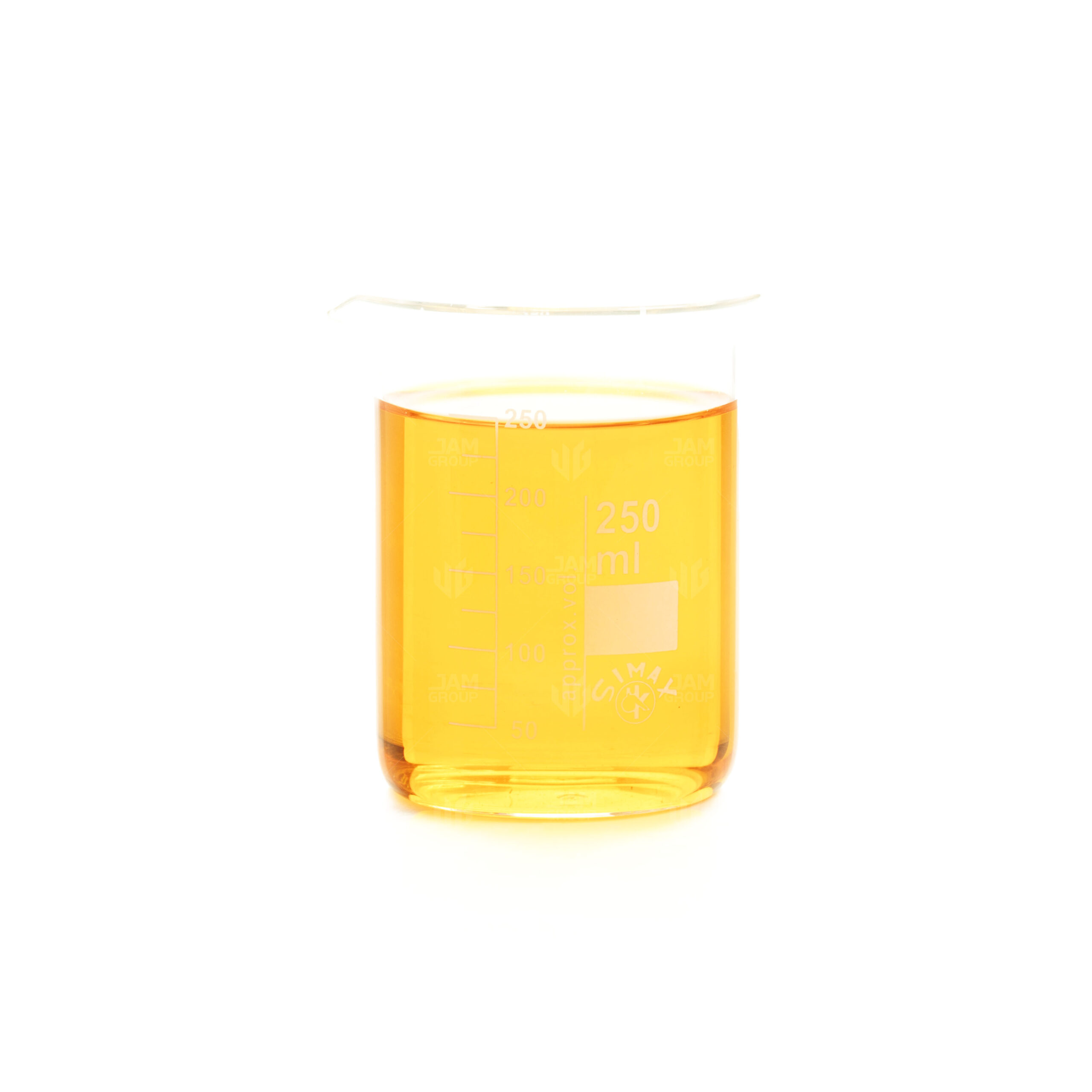
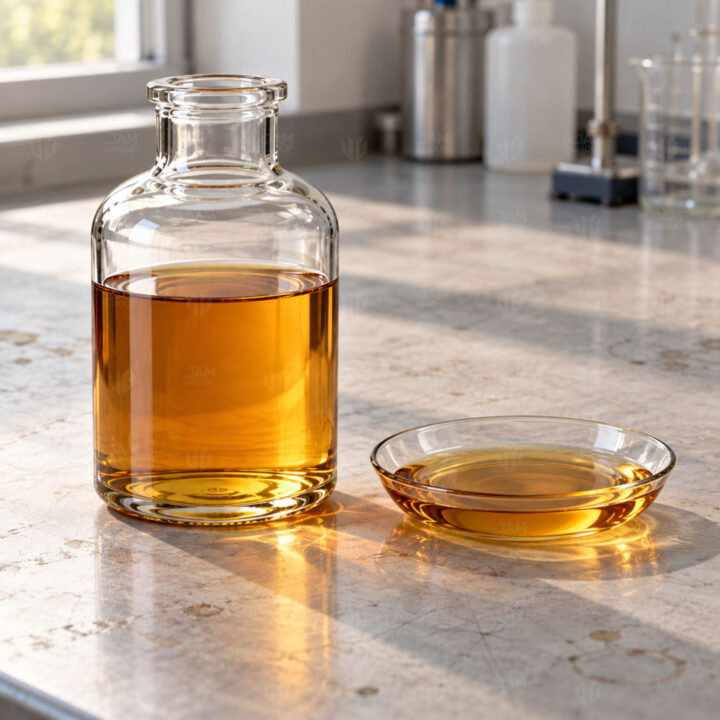
Two chemical forces drive copper out of an acidic leach solution and into a purified electrolyte in a solvent extraction (SX) circuit: an aldoxime that grips copper tightly at low pH, and a ketoxime that releases it cleanly at the stripping stage. Mextral 984H-C blends these two active components into a concentrated extractant that has served as a reference product in copper hydrometallurgy globally for decades. The challenge for procurement teams is that this reference product comes from a limited number of manufacturers around the world that creates real exposure. Extractant J-984 is a directly equivalent concentrated aldoxime/ketoxime blend, built to match Mextral 984H-C’s performance where it counts.

Copper SX-EW (solvent extraction-electrowinning) accounts for roughly 20 percent of global copper output, rising to around 40 percent across Latin America. Within those circuits, the extractant is not a peripheral reagent. It defines the extraction equilibrium, the copper transfer per circuit pass, and ultimately the purity of the cathode leaving the tankhouse. JAM Holdings Group supplies Extractant J-984 as a fully documented, export-ready alternative to Mextral 984H-C, backed by batch-by-batch quality verification, a Certificate of Analysis (COA) per shipment, and the supply chain flexibility that procurement teams at copper SX-EW plants need when managing dependence on a single, geographically concentrated reagent source.


The Limitations & Risks of Mextral 984H-C

Mextral 984H-C is a technically well-regarded extractant. Its aldoxime/ketoxime blend chemistry mirrors the globally established 984N performance standard, it performs across a wide pH range, and it handles diverse feed solution types from heap leach operations to industrial effluent streams. The concerns around it are structural rather than technical.

Degradation Chemistry and Its Environmental Footprint in Operating Circuits

Hydroxyoxime extractants like Mextral 984H-C degrade through several distinct chemical pathways, each introducing unwanted compounds into the circuit. Hydrolysis (the most common pathway) occurs in the acidic aqueous environment of the SX circuit and generates aldehyde and ketone fragments. Nitration becomes a significant problem when the pregnant leach solution (PLS, the copper-bearing feed entering the SX circuit) contains nitrate concentrations above 5 grams per litre, producing nitrated oximes that cannot be stripped under plant conditions and lock copper permanently out of circulation. In heap bioleach operations, where SX raffinate returns to the leach pad, entrained extractant can inhibit the acidophilic bacteria responsible for ore oxidation, disrupting copper dissolution at the source before it reaches the SX circuit.

Occupational Hazards and Fire Risk in Concentrated Organic Phase Operations

The concentrated format of Mextral 984H-C means the product as supplied contains a higher proportion of active oxime components with less pre-mixed diluent. Workers must blend the concentrated product with kerosene before use — a transfer step that increases vapor exposure and spill risk compared to pre-diluted formulations. The working organic phase (extractant dissolved in kerosene diluent) is classified as a combustible liquid, requiring fire prevention infrastructure: earthed storage tanks, ventilation at transfer points, fire suppression provisions, and trained emergency response. Degradation products (particularly nitrated oximes formed in high-nitrate PLS operations) may be more irritating to skin and respiratory tissue than the fresh extractant itself.


Extractant J-984: Properties and Strengths

Extractant J-984 is a concentrated aldoxime/ketoxime blend copper extractant built to replicate the performance profile of Mextral 984H-C across its full application range. The two active components are present (5-nonylsalicylaldoxime and 2-hydroxy-5-nonylacetophenone oxime) in the same blend ratio that defines the 984N performance standard: strong copper extraction at low pH, fast phase separation, high Cu/Fe selectivity, and clean stripping into concentrated sulfuric acid. Supplied in concentrated form, Extractant J-984 offers the same shipping cost advantage as Mextral 984H-C while making that chemistry accessible through a supply chain that is not tied to a single manufacturing location.

The Blend Chemistry Advantage and Four Reasons to Consider a Supplier Change

The four performance and operational points below reflect the questions that process engineers and procurement managers at copper SX-EW plants raise before committing to any extractant change. The 984-class blend chemistry is not altered by switching suppliers — what changes is the procurement risk profile. Each point explains why Extractant J-984 answers the concerns that Mextral 984H-C’s supply model leaves open, while delivering the same extraction equilibrium, the same isotherm characteristics, and the same physical behavior in the mixer-settler that operations depend on.

  • Performance Equivalence:

Extractant J-984 is a 1:1 aldoxime/ketoxime blend matching the formulation standard of Mextral 984H-C. It extracts copper effectively from pH values as low as 1.0, delivers high Cu/Fe selectivity, and achieves fast phase separation with low entrainment. Copper transfer to the advance electrolyte per circuit pass is equivalent to the incumbent product under comparable operating conditions and extractant concentrations.

  • Cost Efficiency:

Extractant J-984 is available in concentrated form outside the single-source Mextral pricing model. The concentrated format preserves the shipping cost advantage of the “-C” designation — less volume transported per unit of extractant activity. Buyers retain the same on-site dilution economics while gaining access to a supply channel not tied to one manufacturer’s production schedule or export logistics.

  • Safety & Handling:

Extractant J-984 uses the same handling classification as Mextral 984H-C and all concentrated aldoxime/ketoxime blend extractants. It is handled as a combustible liquid when working with the organic phase, requiring the same fire prevention and PPE protocols already in place for the incumbent product. No new hazard categories are introduced, and the on-site blending procedures remain unchanged.

  • Drop-In Readiness:

No modifications to mixer-settler equipment, organic storage tanks, circuit piping, or electrowinning parameters are required to switch to Extractant J-984. It is diluted in kerosene to the same working volume percentage as Mextral 984H-C, used at the same O:A ratios and extraction stage count. Isotherm testing on actual plant PLS confirms equivalence before any commercial transition is made.


The Mechanics of Extractant J-984

The copper SX-EW process extracts copper from dilute, acidic leach solutions and concentrates it into a pure electrolyte for electrowinning. The extractant makes this separation possible: it selectively binds copper ions from the acidic aqueous PLS and carries them into the organic phase, leaving behind iron, manganese, and other impurities in the raffinate (the depleted aqueous stream). What defines the aldoxime/ketoxime blend class is its dual-component design — two distinct oxime molecules, each contributing specific performance characteristics that together cover a broader operating range than either component could achieve working alone.

How the Aldoxime and Ketoxime Components Share the Work in the SX Circuit?

When Extractant J-984 contacts the acidic PLS in the mixer, both oxime components participate in the copper chelation reaction. The aldoxime (5-nonylsalicylaldoxime) is the stronger extractor: it forms stable complexes with copper ions at pH values as low as 1.0, giving the blend its low-pH extraction capability and fast kinetics. The ketoxime (2-hydroxy-5-nonylacetophenone oxime) forms weaker copper complexes, which improves stripping efficiency. When the loaded organic contacts concentrated sulfuric acid in the stripping stage, the ketoxime component facilitates easier copper release into the strip electrolyte. Both components work through the same reversible ion exchange: Cu²⁺(aq) + 2HR(org) ⇌ CuR₂(org) + 2H⁺(aq).

What the “-C” Format Means for Circuit Economics and Operating Variables?

The “-C” in Mextral 984H-C, and its equivalent in Extractant J-984, denotes a concentrated product: the active aldoxime and ketoxime components are present at a higher percentage than in a standard pre-diluted formulation. The buyer supplies and blends their own kerosene diluent on-site, which reduces the volume of product that needs to be shipped per unit of extractant activity — a meaningful freight cost saving for operations in remote or landlocked locations. The working volume percentage in kerosene typically runs from 5 to 30 percent, adjusted for the copper concentration and pH of the specific PLS. O:A ratios are typically 1:1 to 1:2, with extraction proceeding at ambient temperatures between 20 and 35°C.


Industry-Specific Applications of Extractant J-984

The aldoxime/ketoxime blend class covers a broader range of copper-bearing feed solutions than ester-modified aldoximes alone, because the dual-component chemistry adapts to a wider span of pH conditions, solution types, and copper source materials. Extractant J-984 applies across every established use case of Mextral 984H-C, from conventional heap leach SX-EW in primary copper mining to secondary copper recovery from industrial waste streams. The five application sectors below reflect the full documented use profile of the 984H class, each served by Extractant J-984 with equivalent chemistry and no requirement for circuit reconfiguration.

Heap Leach and Dump Leach SX-EW: The Foundational Copper Mining Application

Heap leach followed by SX-EW is where the 984-class blend extractant built its global footprint, and it remains the primary application for Extractant J-984. The process irrigates stacked copper ore with dilute sulfuric acid, producing the PLS that the SX circuit then treats. The aldoxime component’s ability to extract copper at pH values as low as 1.0 makes this blend particularly well suited to heap leach operations where PLS acidity can be quite low. High Cu/Fe selectivity keeps iron contamination out of the advance electrolyte, protecting cathode quality and current efficiency in the electrowinning tankhouse. Operations in Chile, Peru, the DRC, Zambia, and Kazakhstan all fall within this application profile.

Mine Acid Leach Solutions: Tank and Vat Leach Operations

Tank and vat leach operations produce higher-grade PLS than heap leach, and Extractant J-984 handles medium-to-high copper concentration feeds with the same efficiency. Where the PLS contains elevated iron from sulfide ore dissolution (a common challenge in mixed oxide-sulfide ore processing) the high Cu/Fe selectivity of the 1:1 blend prevents iron co-extraction from contaminating the advance electrolyte. Iron contamination would reduce electrowinning current efficiency, increase energy consumption, and alter the surface structure of the cathode copper being plated onto blanks. Maintaining clean electrolyte chemistry in higher-grade circuits is one of the blend extractant’s core contributions to overall plant economics.

Electroplating Wastewater: Meeting Tightening Discharge Limits on Copper

Electroplating facilities generate copper-bearing acidic wastewater from rinse baths, barrel plating operations, and process drain streams. In most jurisdictions, this water cannot be discharged without copper removal, and the concentrations involved are too low for direct electrowinning but well suited to SX recovery. Extractant J-984 selectively removes copper from these dilute streams, producing a loaded organic from which copper is stripped and sent to a compact electrowinning unit for recovery. Tightening effluent discharge standards for copper in China, Southeast Asia, and Europe are driving new SX circuit installations in this sector, making it a growth application for the 984-class extractant.

Electronic Waste and PCB Copper Recovery: The Circular Economy Application

Leaching printed circuit boards (PCBs) and other electronic scrap produces copper-bearing solutions that typically contain multiple dissolved metals (copper, nickel, zinc, tin, and lead from solder and board components). The high Cu/Fe and copper-to-other-metal selectivity of the aldoxime/ketoxime blend makes Extractant J-984 particularly effective for selectively pulling copper from these complex leach solutions, leaving other metals in the aqueous raffinate. The recovered copper goes directly to electrowinning, producing cathode-quality metal from waste material. This application is growing rapidly as EU Battery Regulation 2023 requirements, WEEE Directive obligations, and Asia-Pacific e-waste legislation drive investment in metals recovery infrastructure.

Industrial Wastewater and Non-Ferrous Smelting: Capturing Copper Before It Becomes Waste

Non-ferrous smelting operations generate copper-bearing bleed streams, scrubber liquors, and process effluents that are too impure to return to the main circuit but too copper-rich to discharge. Extractant J-984 recovers this copper by selectively extracting it from acidic industrial liquors and producing a clean electrolyte for electrowinning. The same chemistry applies to ammonia leach solutions from copper scrap, copper alloys, and copper/lead dross processing, where the PLS pH is higher and the aqueous chemistry more complex. The aldoxime/ketoxime blend performs reliably across the pH and copper concentration ranges encountered in these secondary metallurgical recovery applications.


Step-by-Step Transition & Bench Testing Protocol for Extractant J-984

Changing from Mextral 984H-C to Extractant J-984 is technically a confirmation exercise rather than a process redesign. Both products belong to the same 1:1 aldoxime/ketoxime blend class, which means extraction isotherm characteristics should match closely at equivalent active ingredient concentrations in kerosene. The task of the testing protocol below is to confirm that equivalence under the specific conditions of the buyer’s operation: their PLS composition, copper grade, pH, temperature, and impurity profile. The three phases progress from laboratory verification through continuous pilot operation to full circuit introduction, with each stage building on the data from the one before.

Phase 1: Isotherm Confirmation Against Plant PLS

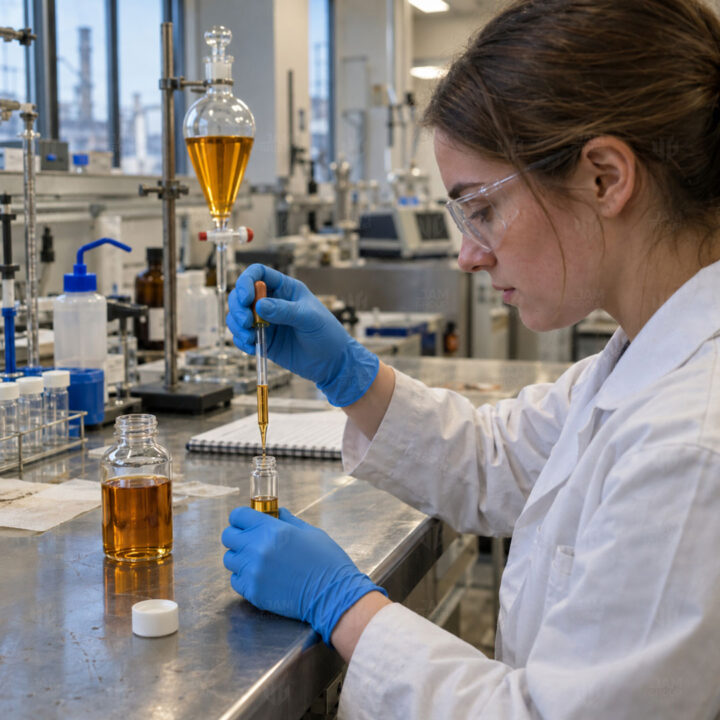
Laboratory isotherm testing is conducted using a representative PLS sample from the current circuit, with Extractant J-984 prepared at the same active ingredient volume percentage in kerosene as the site’s current Mextral 984H-C. Extraction tests are run at a range of O:A ratios at 20 to 25°C until equilibrium is reached, and copper concentrations in both phases are measured to build the extraction isotherm. Stripping tests follow using synthetic advance electrolyte acid. McCabe-Thiele diagrams (graphical tools that confirm how many extraction and stripping stages are required for a target copper transfer) are plotted to verify that the same circuit configuration applies to Extractant J-984 as to the incumbent product.

Phase 2: Continuous Mini-Plant Trial on Actual Feed Solution

With isotherm equivalence confirmed at laboratory scale, the transition advances to a continuous small-scale mixer-settler trial using actual plant PLS. This phase captures the dynamic behavior that equilibrium tests cannot: phase disengagement time, crud formation tendency at the organic-aqueous interface, organic entrainment in both raffinate and advance electrolyte, and circuit stability over at least 48 to 72 hours of continuous operation. For operations with high nitrate or chloride content in their PLS, this phase also provides early data on the comparative degradation rate between Extractant J-984 and Mextral 984H-C — information relevant to long-term reagent management cost planning.

Phase 3: Progressive Blending Into the Live Circuit

Most copper SX-EW plants manage their organic inventory through ongoing top-up additions as reagent losses from entrainment and degradation are replaced. Extractant J-984 is introduced by substituting it for Mextral 984H-C in replenishment additions — no circuit shutdown is required. Plant metallurgists monitor daily copper loading, raffinate grade, advance electrolyte quality, and phase disengagement times as the organic composition transitions. Full steady state (the entire organic inventory replaced by Extractant J-984) is typically reached over two to four weeks, depending on circuit volume and replenishment rate. No changes to stripping acid concentration, mixer-settler operating parameters, or electrowinning settings are expected throughout this process.


Safe Handling & Storage of Extractant J-984

Extractant J-984, like Mextral 984H-C and all aldoxime/ketoxime blend copper extractants, is handled on-site in two distinct forms: the concentrated product as supplied, and the working organic phase prepared by diluting the concentrate in kerosene at the operating volume percentage. Both forms carry the handling requirements of combustible organic liquids. Plants currently running Mextral 984H-C already manage these requirements as part of daily operations. No new hazard categories are introduced by switching to Extractant J-984. The concentrated form requires a controlled on-site blending step that demands the same precautions as any large-volume organic chemical transfer.

Storage Infrastructure, On-Site Dilution, and PPE for Day-to-Day Operations

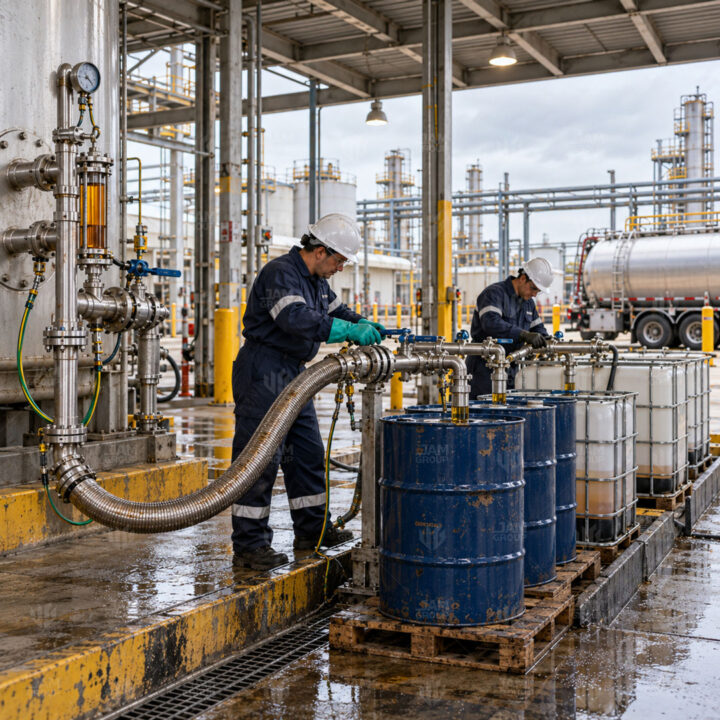
Concentrated Extractant J-984 and the prepared working organic phase must be stored in a dedicated organic chemical area with bunded secondary containment (a surrounding structure that retains any spilled liquid) to prevent contact with surface water or process water recycling systems. Storage tanks and drums must be earthed (grounded) to prevent static buildup during transfers, and containers should be made from compatible materials (steel or HDPE) and kept sealed when not in use. The on-site kerosene blending step requires a compatible mixing vessel and metered volumetric addition; the blended organic is prepared to the target volume percentage confirmed during Phase 1 isotherm testing. Keep away from strong oxidizing agents and heat sources at all times.

During transfer, blending, and dosing operations, workers should wear chemical-resistant nitrile or neoprene gloves, safety goggles, and (where splash or mist is possible) a chemical-resistant face shield and apron. Adequate ventilation at all transfer and blending points limits hydrocarbon vapor accumulation from the kerosene component. For skin contact, wash thoroughly with soap and water and remove contaminated clothing promptly. For eye contact, flush immediately with clean water for at least 15 minutes and seek medical attention. Spills should be contained using inert absorbent material, and all waste organic disposed of as hazardous chemical waste through a licensed contractor in compliance with local environmental regulations.


Global Market Trends for Mextral 984H-C and Its Substitutes

The 984-class aldoxime/ketoxime blend has been the most widely deployed copper SX extractant globally since its commercial development, and the market it serves is entering a sustained expansion phase. The green energy transition is driving copper demand across electric vehicles, renewable energy infrastructure, and power grid development at a pace that is accelerating investment in new SX-EW copper production capacity. Alongside this primary mining expansion, secondary copper recovery from electronic waste and industrial effluents is growing into a commercially significant application segment for the 984-class extractant — one subject to distinct regulatory drivers and faster growth rates than conventional mining.

Two Growth Engines: Primary SX-EW Expansion and the Rise of Secondary Copper Recovery

The global copper SX extractant market was valued at approximately USD 1.2 billion in 2024 and is projected to reach USD 2.0 billion by 2033, growing at a compound annual growth rate of approximately 6.2 percent. Approximately 20 percent of world copper production currently passes through SX-EW circuits, rising to around 40 percent in Latin America, and both figures are expected to grow as new low-grade oxide copper deposits are developed.

The secondary copper recovery segment is the faster-growing new application area for the 984-class extractant. The EU Battery Regulation 2023, WEEE Directive obligations, and Asia-Pacific e-waste legislation are collectively driving investment in electronic waste processing infrastructure where aldoxime/ketoxime blend extractants are the chemistry of choice for copper recovery from complex leach solutions. Electroplating wastewater treatment is under similar regulatory pressure across China, Southeast Asia, and Europe, adding further installed SX capacity. Supply chain diversification is also an active procurement priority: following the disruption years of 2020 to 2023, reagent source diversification has moved from a secondary planning concern to a first-order operational objective. For a reagent of this strategic importance, dependence on a single production site in one country is a risk category that operations are actively working to reduce.


JAM Holdings Group as a Reliable Supplier of Mextral 984H-C Substitute

JAM Holdings Group operates as a committed supplier of Extractant J-984, offering copper SX-EW operations and secondary copper recovery facilities a fully documented, export-ready alternative to Mextral 984H-C. The operational model for supply emphasizes three core areas: consistent product quality across batches, thorough documentation for export, and a variety of packaging options designed to meet the specific requirements for concentrated liquid organic chemicals of extractant purchasers at various operational levels. For procurement teams working to reduce dependence on a single reagent manufacturer, JAM Holdings Group provides the product traceability, transition sampling support, and international logistics capability that makes that shift practical.

About JAM Holdings Group’s Substitute: Extractant J-984

Extractant J-984 is supplied with a Certificate of Analysis (COA) issued for each production batch, documenting key chemical parameters including the active aldoxime and ketoxime component concentrations and relevant physical properties. Batch coding and production dating are applied to every shipment, providing complete traceability from the point of manufacture through to delivery at the receiving plant. A Safety Data Sheet prepared in accordance with GHS classification requirements is provided with all shipments, giving plant chemistry teams and safety officers the documentation needed to meet internal chemical management, occupational health, and regulatory compliance requirements without additional effort on their part.

JAM Holdings Group as a Reliable Supplier for Substitute Mextral 984H-C

JAM Holdings Group is an active exporter of Extractant J-984, with export operations structured around the documentation requirements of international specialty chemical trade to copper-producing and secondary metals recovery markets. Pre-shipment inspection by third-party inspection agencies is available on the buyer’s request, providing independent verification of product quantity and quality before loading. Standard export documentation (Commercial Invoice, Packing List, Bill of Lading, Certificate of Analysis, and Safety Data Sheet) is provided with every shipment. For operations with specific import requirements, a Certificate of Origin and other jurisdiction-specific documents can be arranged as part of the standard export file.

Sourcing & Facilities / Provenance for Extractant J-984

Extractant J-984 is produced through a qualified partner manufacturing network, with production quality and consistency managed directly by JAM Holdings Group’s procurement and quality team. The production base is positioned to support efficient export logistics to copper operations in Latin America, Africa, Southeast Asia, and Central Asia. Provenance documentation confirming the country of origin is available for each shipment, supporting buyer import compliance and supply chain transparency requirements. JAM Holdings Group operates through a vetted manufacturing partner model; no direct plant ownership claims are made beyond the scope of this qualified network.

Packaging & Logistics of Extractant J-984 at JAM Holdings Group

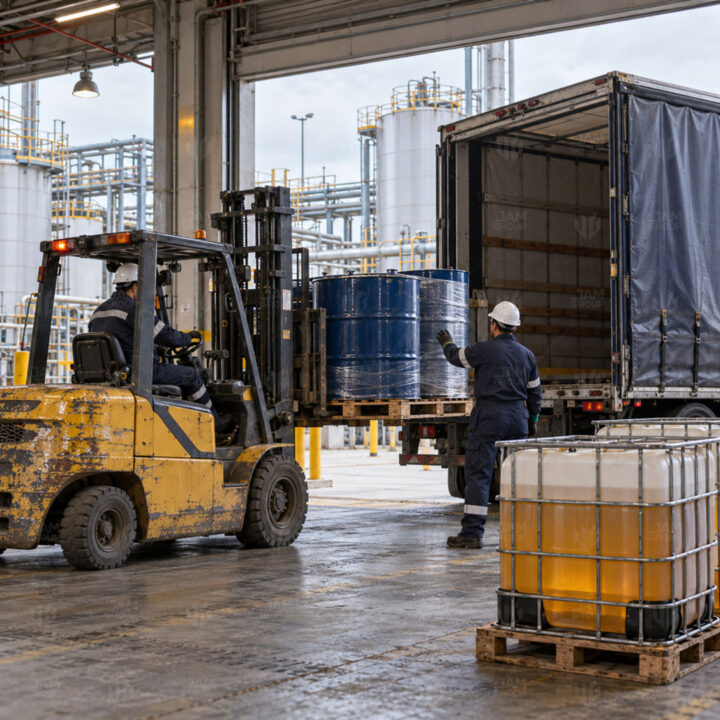
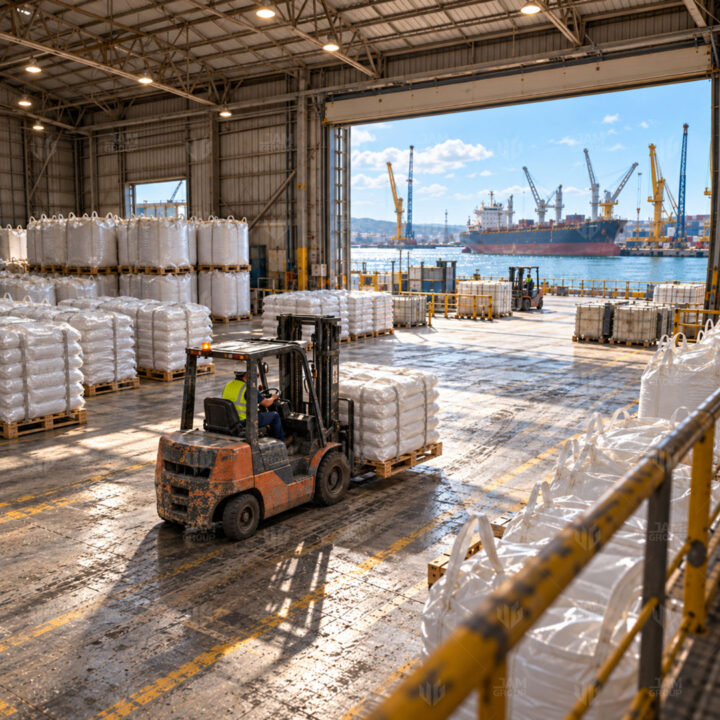
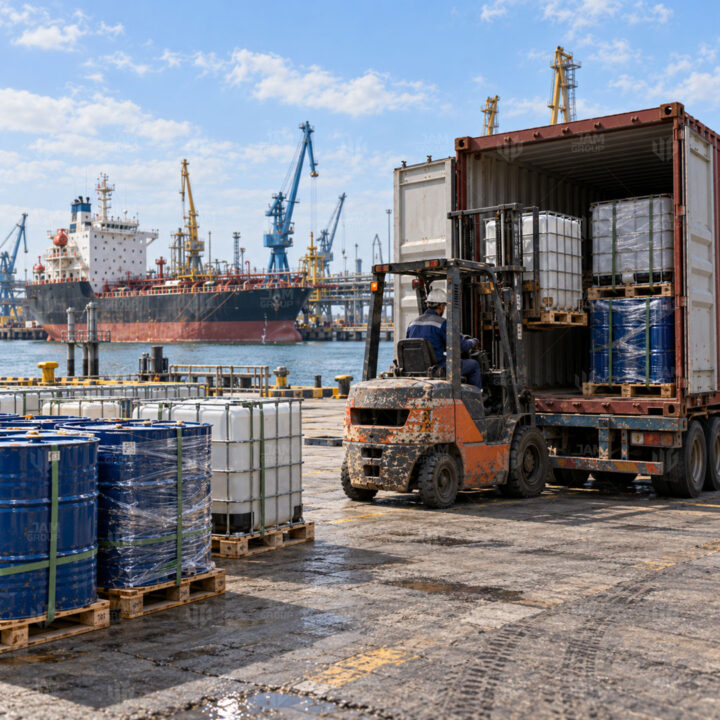
JAM Holdings Group serves as a reliable provider of Extractant J-984 to copper hydrometallurgy and secondary metals recovery operations in international markets. The product is packaged in 200 to 220 litre steel or HDPE sealed drums and 1,000 litre intermediate bulk containers (IBCs), formats appropriate for concentrated liquid organic extractant handling at plants of different production scales. Each unit is labeled with batch number, net and gross weight, production date, and GHS-compliant hazard labeling for combustible organic liquid chemicals. Container loads are optimized for 20-foot and 40-foot FCL shipments, with sealed closures and temperature protection options available for extreme-climate or remote-location destinations.

HOW CAN JAM GROUP HELP YOU?

Send us a message and our friendly team will get back to you within one business day.