




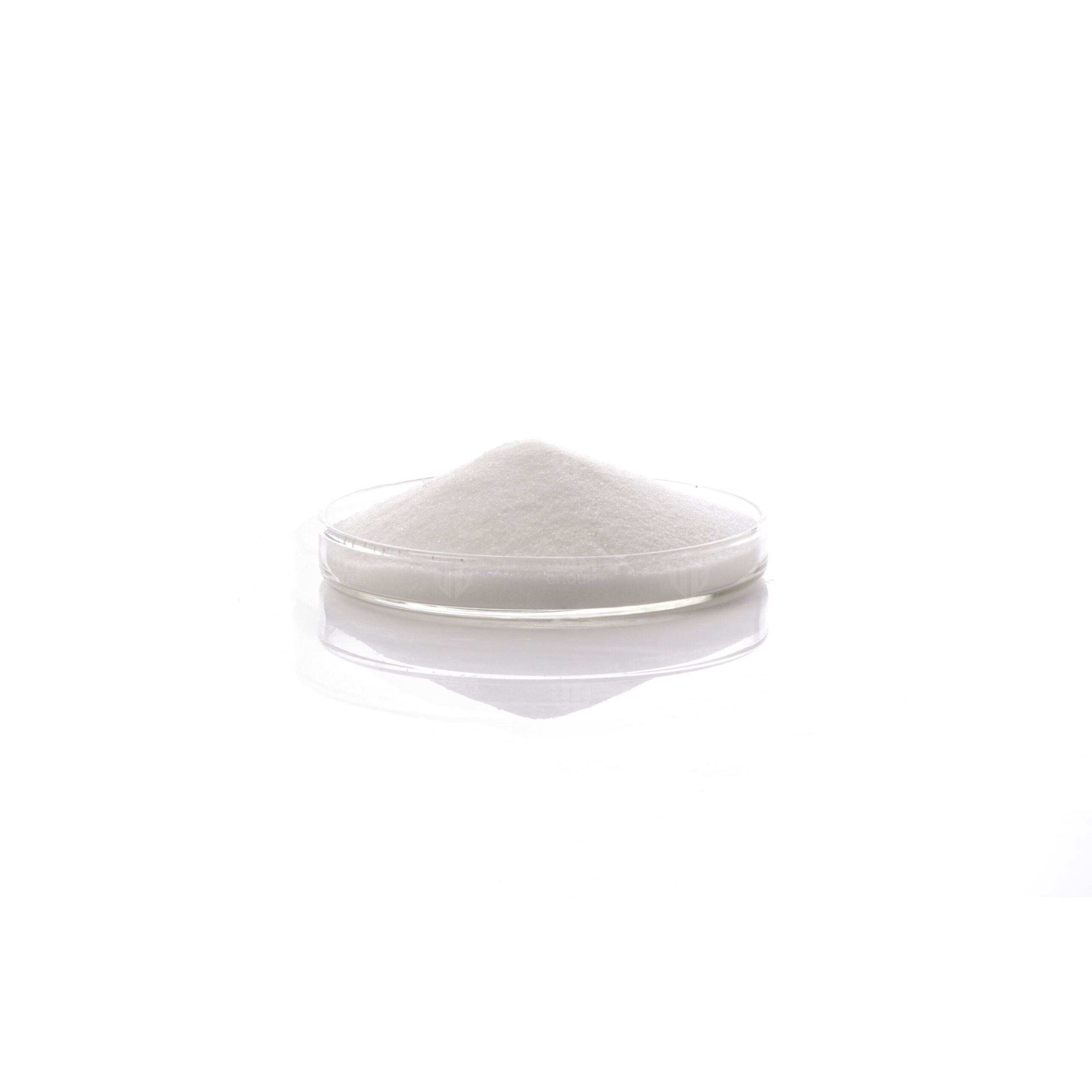
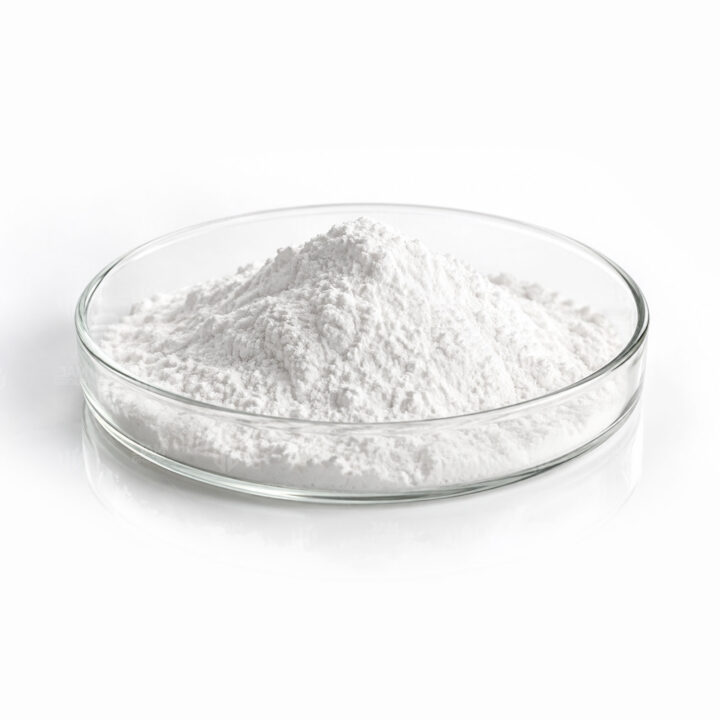
JAMFloc J-1697 serves as a highly effective substitute for Magnafloc 1697. In recent years, water treatment and mineral extraction facilities have started abandoning the older chemical. High costs for regulatory compliance, environmental risks to water systems, and unpredictable supply chains are the main reasons for this change. This modern alternative provides the same, if not better, solid-liquid separation performance without those negative side effects. It gives industrial plants a safer and cleaner option to run their daily processes while fully meeting tight environmental rules.
Switching to a different chemical can seem difficult, but it should never threaten your plant’s stability. JAM Holdings Group is a dependable exporter helping industrial businesses make this exact switch smoothly. Purchasing managers require a steady supply chain to hit their daily production goals. By selecting this replacement, facilities secure a highly consistent product, professional technical support, and full international export capabilities. Our strong emphasis on safe transport and steady inventory helps technical teams improve their systems without worrying about material shortages or sudden factory stops.
The Limitations & Risks of Magnafloc 1697
Magnafloc 1697 has a long legacy as a standard choice for solid-liquid separation tasks across various industries. Modern facilities are steadily phasing it out due to a series of compounding limitations. These drawbacks are categorized into three main areas: ecological impact, workplace hazards, and economic inefficiencies. As global standards evolve, relying on this older formula presents significant challenges for procurement teams and plant managers. Understanding these limitations is the first step toward implementing a more compliant and cost-effective operational strategy.
Ecological Impact and Strict Compliance Pressures
The ecological footprint of the legacy product is a primary concern for modern facilities. It carries a high potential for aquatic toxicity. This creates significant friction with modern environmental protection standards. Regulatory bodies (such as the EPA and REACH) are imposing tighter restrictions on such substances. Plants using the older formula face mounting compliance costs and constant regulatory scrutiny. Meeting these strict guidelines requires extensive wastewater treatment and continuous monitoring, turning a simple flocculation process into a heavily regulated and highly expensive environmental liability.
Workplace Hazards and Operator Safety Risks
Occupational health and safety is another major limitation associated with the original flocculant. Operators and technicians face specific dangers during routine handling and slurry preparation. The chemical often generates fine polymer dust. This presents serious inhalation risks for personnel working near dosing stations. Direct contact during mixing procedures can cause skin and eye irritation. These occupational hazards require plants to implement strict safety protocols, utilize extensive personal protective equipment, and invest in specialized ventilation systems. Such requirements complicate daily workflows and increase the overall risk profile for workers.
Hidden Costs and Storage Vulnerabilities
Beyond environmental and safety concerns, the older product introduces notable economic and storage inefficiencies. Procurement teams often struggle with the chemical’s relatively short shelf life, which complicates long-term inventory planning. When exposed to extreme temperatures, the formula can degrade rapidly. It loses its necessary binding strength and leads to wasted resources. If the product expires or becomes unusable, facilities are burdened with costly specialized disposal requirements. These hidden expenses (stemming from frequent reordering, spoiled inventory, and complex waste management) diminish the overall cost-effectiveness of continuing to rely on the traditional separation chemical.
JAMFloc J-1697: Properties and Strengths
Introducing JAMFloc J-1697 directly resolves the numerous limitations associated with the older generation of flocculants. This advanced substitute is engineered to provide superior functional and operational benefits without relying on complex chemical jargon. The focus remains firmly on tangible processing improvements, such as faster settling rates and greatly enhanced safety profiles. By adopting this modern alternative, industrial facilities can immediately overcome the hurdles of toxicity, high costs, and operational hazards. It represents a forward-thinking upgrade that actively improves daily performance metrics while streamlining inventory management.
Core Operational Advantages of JAMFloc J-1697
- Performance Equivalence:
This advanced alternative perfectly matches the core flocculation speed and yield recovery of the legacy chemical. It effectively ensures rapid separation and high-quality overflow clarity. Industrial plants do not have to sacrifice processing power when executing the transition to this modern formulation.
- Cost Efficiency:
Implementing this substitute actively drives down daily operating expenses across the facility. It successfully achieves the desired overflow clarity and separation targets while requiring notably lower dosage rates. Using less chemical volume to accomplish the same operational goals generates substantial long-term cost savings.
- Safety & Handling:
This modern formula considerably mitigates the severe dusting issues and aquatic toxicity risks associated with older products. It creates a much safer workplace environment for floor operators by reducing inhalation hazards and skin irritation. Facilities can more easily maintain strict environmental compliance and protect their workforce.
- Drop-In Readiness:
Transitioning to this highly adaptable product requires minimal effort from engineering teams. It functions as a direct drop-in replacement. It integrates easily without necessitating any expensive structural changes or physical modifications to existing thickeners, mixing tanks, or automated dosing pumps on the active plant floor.
The Mechanics of JAMFloc J-1697
Understanding how this substitute functions within an industrial workflow is essential for operators. Flocculation is the process where fine particles clump together to form larger, heavier clusters called flocs. This section breaks down the physical action of the product, detailing exactly how its polymer chains aggregate suspended solids to facilitate rapid separation. The advanced engineering behind this alternative ensures that it successfully executes the required mechanism of action smoothly. It provides engineers with the reassurance that the substitute remains highly stable, even when facing wildly fluctuating operational conditions inside the plant.
How JAMFloc J-1697 Drives Aggregation?
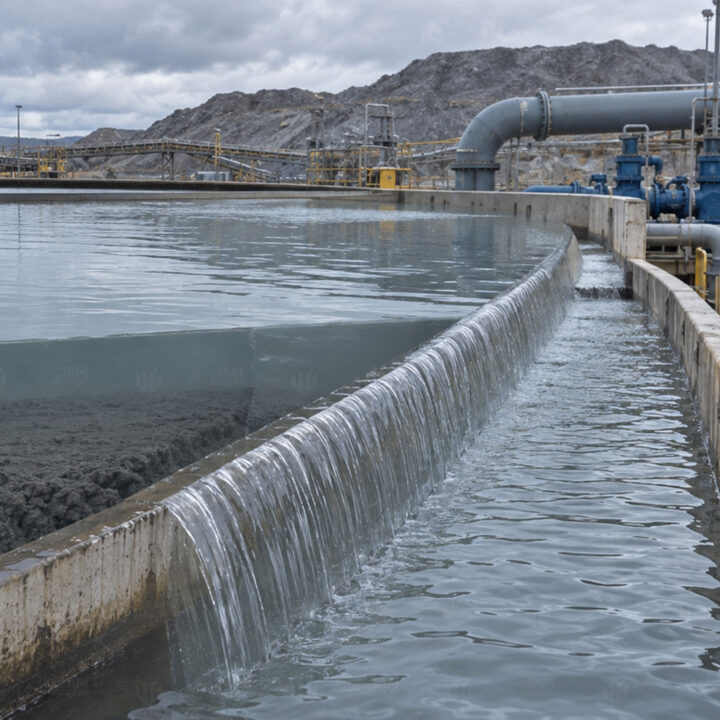
The primary mechanism of action for this product revolves around its ability to bind fine, suspended mineral particles effectively. When introduced into the process water, the long polymer chains stretch out and attach to the microscopic solids floating in the slurry. These connected particles are pulled together, rapidly transforming into dense, fast-settling flocs. These newly formed clusters are significantly heavier than the individual particles. Gravity pulls them down at an accelerated rate. This rapid aggregation process ensures clean overflow water and a highly concentrated underflow, directly replacing the physical function of the original chemical.
Sustaining High Performance Under Variable Conditions
Industrial environments are rarely perfectly controlled, making operational stability a vital factor for any chemical substitute. Buyers closely monitor variables like pH levels, automated dosage rates, and mechanical agitation time. This modern substitute excels by maintaining high efficacy despite sudden variations in these parameters. Whether there is a rapid shift in slurry pH, intense agitation shear forces, or unexpected drops in water temperature, the polymer chains remain intact and active. This resilience guarantees that plants experience consistent, reliable separation results without constantly needing to adjust equipment settings or manually correct process imbalances.
Industry-Specific Applications of JAMFloc J-1697
A clear advantage of this modern substitute is its broad utility across multiple industrial sectors. It serves the exact same industries and operational scenarios as the legacy chemical it replaces. By framing the product as the ideal drop-in solution, plant managers can confidently apply it to their specific workflows without hesitation. Whether utilized in complex mining operations, heavy metal refinement, or municipal waste management, the formulation adapts effectively. The following sections detail the precise role this powerful flocculant plays in various high-demand industrial extraction and clarification environments around the world.
Optimizing Copper and Gold Extraction Workflows
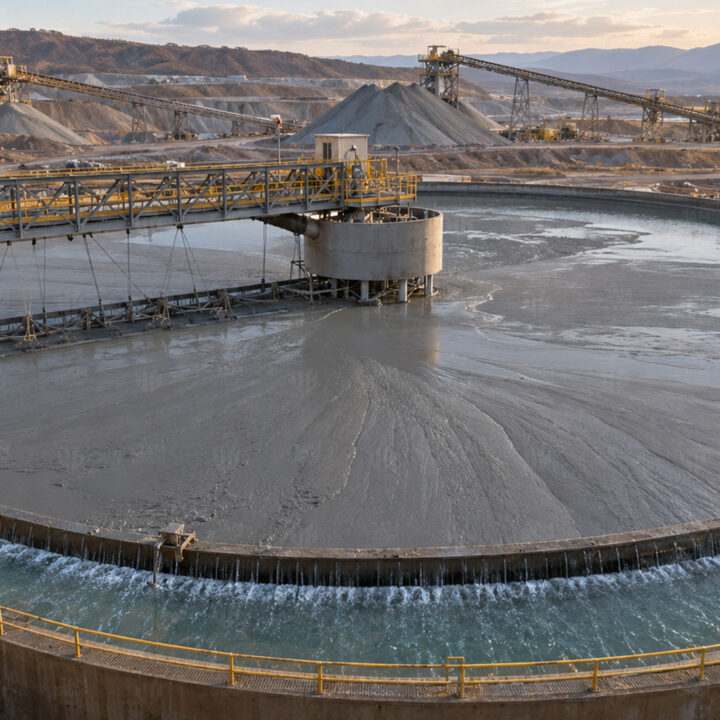
In the demanding sectors of copper and gold ore extraction, efficient solid-liquid separation is absolutely essential for success. This substitute is required for optimizing tailings thickening processes. In arid mining regions (where water is scarce) it maximizes the amount of process water recovered for immediate reuse within the plant. By rapidly settling the barren rock and waste materials, the chemical ensures that the valuable liquid components are clarified quickly. This allows mining operators to maintain continuous, high-volume production cycles without placing unnecessary strain on local freshwater resources.
Enhancing Lead and Zinc Concentrate Processing
Lead and zinc processing plants rely heavily on precise chemical interactions to separate valuable metals from the surrounding ore. Within these facilities, the substitute is actively used to clarify pregnant leach solutions (the liquid mixtures that carry the dissolved target metals). By effectively gathering the unwanted solid impurities into heavy flocs, the product removes them from the valuable solution. It drastically improves concentrate filtration efficiency during the final stages of production. This ensures that the resulting metal concentrates are exceptionally clean, reducing the need for secondary processing and improving overall refinery output quality.
Improving Clarification in Coal Preparation Plants
The coal preparation industry demands dependable chemicals capable of managing high volumes of dark, particle-heavy slurry. In these specific plants, the product is vital for clarifying thick wash water after the initial coal sorting phase. It rapidly agglomerates the fine coal refuse and clay particles suspended in the water. They settle out quickly in large thickener tanks. This targeted action allows the facility to recycle clean water back into the washing circuit rapidly. It helps compress the waste refuse, making it much easier and safer to handle during final disposal.
Advancing Municipal and Industrial Water Treatment
Outside of heavy mining applications, this versatile flocculant is highly effective in general water treatment scenarios. Both municipal and industrial effluent clarification facilities use it to treat wastewater before it is safely released back into the environment. The chemical binds together organic matter, suspended dirt, and other microscopic contaminants. They are forced to drop to the bottom of large settling basins. This process leaves the surface water clear and compliant with local discharge regulations. Its lower toxicity profile makes it an especially attractive choice for municipal plants striving to protect local aquatic ecosystems.
Step-by-Step Transition & Bench Testing Protocol for JAMFloc J-1697
Replacing a core processing chemical is a significant decision that naturally introduces some caution among engineering teams. To ease the buyer’s fear of transitioning, it is important to follow a standard industrial testing procedure. This step-by-step protocol ensures absolute process stability. It allows facilities to verify the substitute’s capabilities before committing to a full-scale change. The protocol guides procurement and technical staff through a strict, three-phase methodology. By systematically moving from small laboratory evaluations to continuous plant integration, operators can confidently validate the new product with zero risk of operational disruption.
Initial Laboratory Evaluations and Dosage Curves
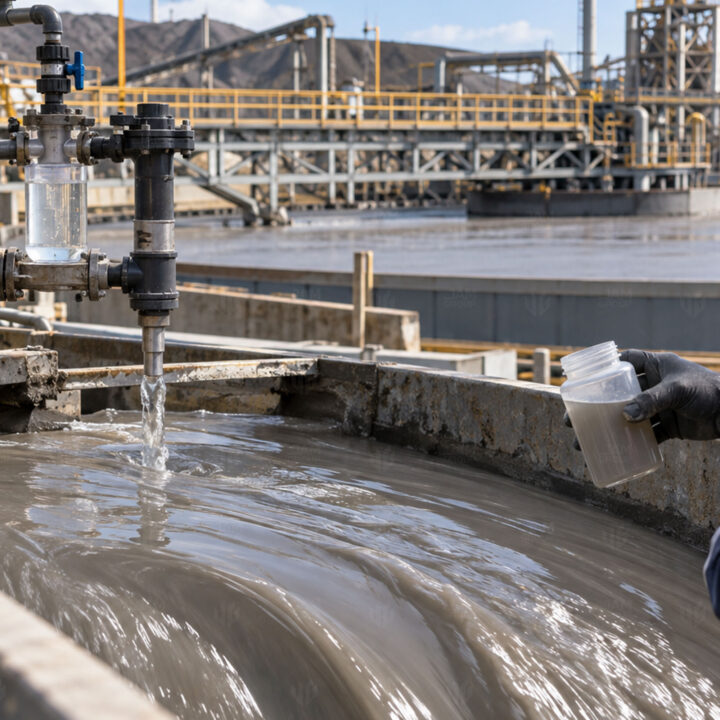
The first phase of the transition takes place entirely within a controlled laboratory setting. Technicians perform standard bench-scale testing (often utilizing small glass beakers) to simulate the plant’s environment. The primary goal is to establish baseline dosage curves by introducing varying amounts of the substitute to slurry samples. Observers carefully monitor the resulting settling velocities, recovery rates, and concentrate grades. This controlled environment allows the engineering team to determine the exact optimal dosage required to match or exceed the performance of the legacy chemical without risking any actual production volume.
Dynamic Pilot Plant and Closed-Circuit Trials
Once the laboratory benchmarks are established, the testing scales up to the pilot plant phase. This involves running closed-circuit trials using a smaller, isolated section of the facility’s actual processing equipment. The objective is to monitor the dynamic responses of the substitute under real-world mechanical stress. Engineers closely observe the floc structure and stability when exposed to actual pumping and agitation shear conditions. By evaluating the chemical in this dynamic but controlled environment, the team can identify any minor mechanical adjustments needed before introducing the product to the main processing circuit.
Executing Full-Scale Plant Integration and Calibration
The final phase involves rolling out the substitute across the entire operation. This full-scale plant integration is executed gradually, allowing operators to monitor the system’s reaction in real time. During this stage, the technical team performs the final calibration of automated feed rates and dosing pumps to match the parameters discovered during the earlier phases. As the new chemical completely replaces the old one, staff continuously track long-term stability. They ensure that overflow clarity and thickener underflow density remain consistently high. This methodical approach guarantees a smooth, permanent transition without unexpected downtime.
Safe Handling & Storage of JAMFloc J-1697
Proper chemical management is essential for protecting the workforce and maximizing the product’s lifespan. The handling of this substitute maps closely to the general procedures used for the original chemical category, making the transition straightforward for floor staff. It is vital to emphasize the specific areas where the new alternative is notably safer. This section outlines practical, everyday guidelines designed to maintain product integrity and ensure complete worker safety. By strictly following these established industrial storage and handling best practices, facilities can completely prevent premature hydration and eliminate unnecessary workplace accidents.
Essential Safety and Environmental Controls
To preserve its chemical efficacy, the product demands specific storage conditions that must be strictly maintained. The inventory must always be kept in a cool, heavily ventilated, and completely dry environment. Exposure to moisture before intended use is highly detrimental. It is critical to store the bags away from direct sunlight, rain, or high-humidity zones. Maintaining these standard storage parameters guarantees that the powder remains free-flowing and ready for rapid dissolution. This prevents the long polymer chains from degrading or clumping together before they are ever introduced to the mixing tanks.
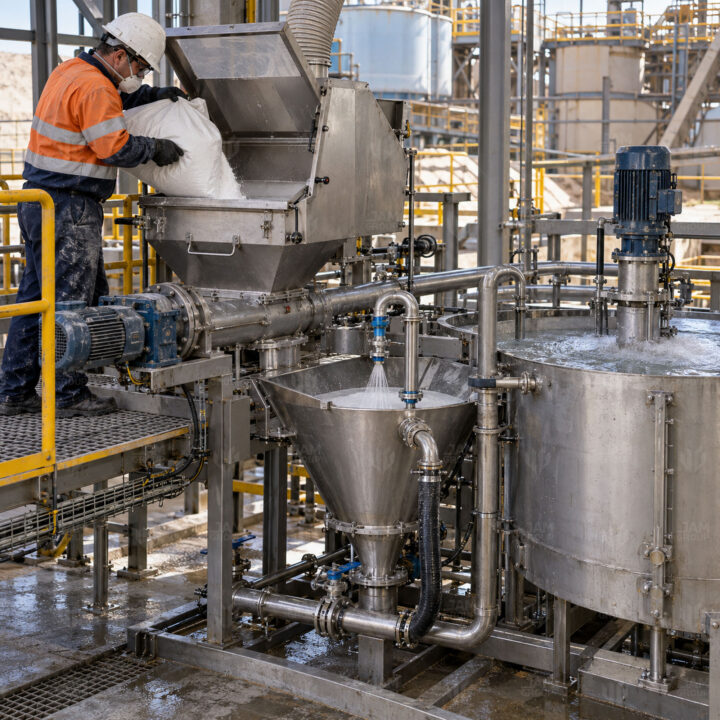
While the substitute boasts a lower toxicity profile, standard safety protocols are still mandatory during daily operations. Workers handling the dry powder or preparing the liquid solutions must wear appropriate personal protective equipment (PPE). This includes safety goggles, protective gloves, and standard dust masks. Contamination prevention is also a top priority. If a spill occurs, it must be managed with extreme caution. Applying water to spilled powder makes the resulting polymer incredibly slippery, creating a severe fall hazard. Dry spills should be swept up completely before any liquid cleaning methods are applied to the floor.
Global Market Trends for Magnafloc 1697 and Its Substitutes
The global industrial sector is experiencing a massive transformation, making the adoption of modern chemical alternatives a strategic necessity rather than a simple preference. Positioning this substitution within the context of inevitable macroeconomic trends helps explain why so many facilities are urgently upgrading their processing agents. The transition is deeply connected to global sustainability targets, tightening governmental regulations, and the rising financial burden of relying on outdated formulas. Understanding these broad market shifts provides valuable insight into the future of industrial procurement and highlights the long-term benefits of modernizing chemical supply chains today.
The Strategic Move Toward Sustainable Flocculants
Across the globe, heavy industries are experiencing a shift toward greener, safer, and significantly more efficient chemical alternatives. This transition is heavily influenced by the widespread adoption of strict ESG (Environmental, Social, and Governance) goals. Modern corporations are under immense pressure from stakeholders and regulatory agencies to minimize their ecological footprint and eliminate toxic discharge from their operations. Relying on legacy chemicals creates immense friction with these modern mandates. This leads to rapidly rising compliance costs and heavy fines.
The industry is also grappling with persistent supply chain bottlenecks tied to older chemical formulations. Sourcing raw materials for outdated products has become increasingly difficult, resulting in unpredictable lead times and volatile pricing. By pivoting to advanced substitutes, facilities overcome raw material shortages and build strong supply chain resilience. This proactive market shift allows mining operations and water treatment plants to secure reliable, long-term procurement channels while fulfilling their corporate sustainability pledges. Embracing this chemical modernization is a necessary step for maintaining both environmental compliance and competitive profitability in the current global market.
JAM Holdings Group as a Reliable Supplier of Magnafloc 1697 Substitute
Changing your primary processing chemical means you need a manufacturing partner that offers total reliability. JAM Holdings Group is a top-tier partner for finding industrial chemical alternatives and handling international trade. We assure buyers that moving to a new formula comes with secure logistics, tight quality checks, and full export preparation. By mixing strong technical knowledge with safe global shipping practices, we lower the chance of plant shutdowns. Picking the proper supplier means your site gets a uniform, premium product exactly when you need it, every single time.
About JAM Holdings Group’s Substitute: JAMFloc J-1697
We control every step of the process, ensuring high quality from the initial manufacturing phase all the way to the final international delivery. Operating as a dedicated Supplier of JAMFloc J-1697, we closely monitor the whole production line to keep every batch completely consistent. We focus heavily on tracking the origin and journey of every order. To prove our quality, we include certified laboratory documents with every shipment. This features clear batch numbers and a full Certificate of Analysis (COA) so clients trust the materials they receive.
JAM Holdings Group as a Reliable Supplier for Substitute Magnafloc 1697
Buying materials across borders demands careful planning and clear standards. To give you total confidence, we organize pre-shipment inspections through trusted global agencies like Bureau Veritas or SGS when needed. Working as an active Exporter of JAMFloc J-1697, we have a long history of shipping safely to many different countries. Our shipping departments follow strict timelines, making sure your chemical stocks arrive exactly on the promised date. This careful organization and focus on safe trading make us a strong match for plants modernizing their separation systems.
Sourcing & Facilities / Provenance for JAMFloc J-1697
Where your chemicals come from heavily affects the safety of your daily operations. We work with a qualified partner network and steady manufacturing centers to make sure the product is always available. Serving as a consistent Provider of JAMFloc J-1697, we know that this clear origin is highly important for long-term shipping success. By closely managing our factory partners, we avoid the sudden shortages that often hurt older chemical supply chains. This practical approach means our buyers always get the right amount of flocculant to run continuously.
Packaging & Logistics of JAMFloc J-1697 at JAM Holdings Group
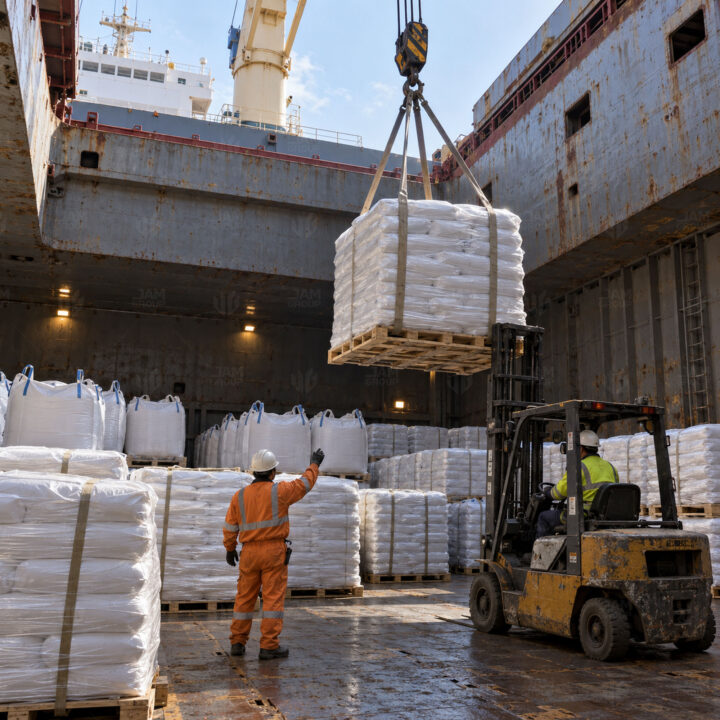
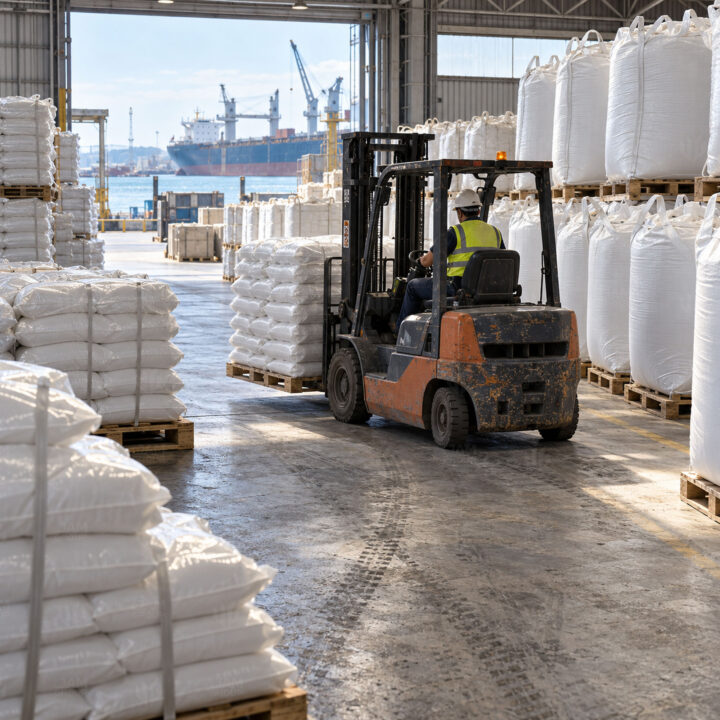
Keeping the product safe during travel is necessary to stop moisture damage and physical breakdown. Our packing methods match the tough requirements of industrial chemicals and minerals. We supply strong 25 kg moisture-proof bags, along with large bulk jumbo bags for bigger plant operations. To use shipping container space well and prevent harm during long ocean trips, we wrap all pallets tightly. Our exact labeling rules show the batch number, accurate weights, and manufacturing dates. This helps your team manage the inventory perfectly upon arrival.
HOW CAN JAM GROUP HELP YOU?
Send us a message and our friendly team will get back to you within one business day.