








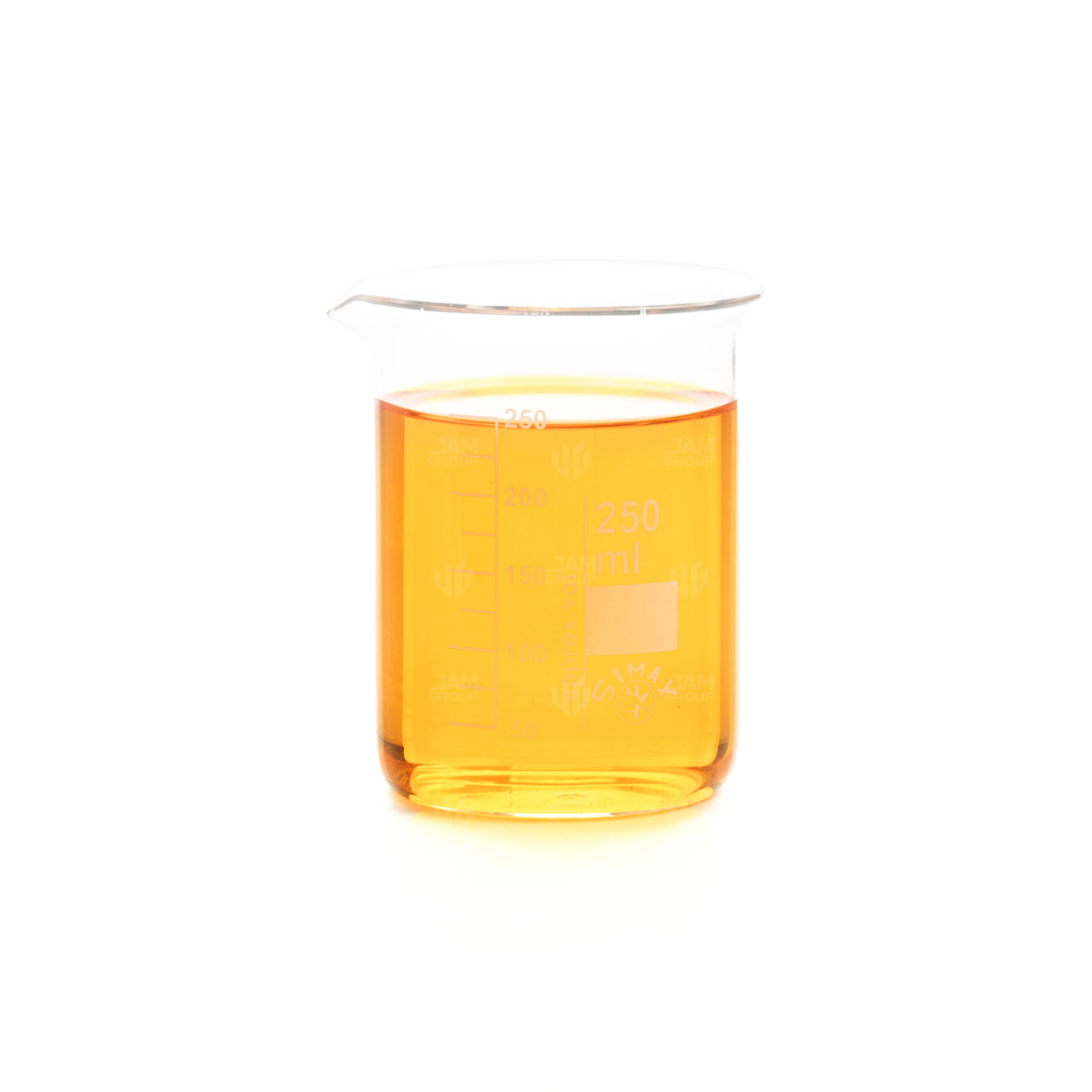
Designed as a high-performance alternative to Aerophine 3418A, JAMCollector J-3418 is a reagent that matches the established industry standard for treating complex sulfide ores. Aerophine 3418A is a phosphine chemistry-based flotation collector that has been an industry standard in the processing of complex sulfide ores since its first commercial use in 1980. A collector is a chemical reagent that attaches to the surface of target mineral particles, making them water-repelling so they can rise to the froth layer during flotation and be recovered as concentrate. Aerophine 3418A built its reputation on selectivity (strong collecting action on copper, lead, and precious metal sulfides while rejecting iron sulfides). JAMCollector J-3418 delivers the same selective collecting performance without the supply exposure of a single-source proprietary product.
For mineral processors in copper, lead-zinc, and precious metal operations, the decision to replace Aerophine 3418A is rarely about performance; it is about supply security and commercial risk. With Aerophine 3418A manufactured at a single facility and sold under one proprietary brand, procurement teams in all markets depend on one company’s production schedule and pricing decisions. JAM Holdings Group addresses this by supplying JAMCollector J-3418 as a fully documented, export-ready dithiophosphinate collector, backed by batch-consistent quality, a Certificate of Analysis (COA) per shipment, and the technical and logistical support needed to make the transition with confidence.
The Limitations & Risks of Aerophine 3418A
Aerophine 3418A is one of the most technically respected flotation collectors in the mining industry. Its selectivity against iron sulfides, its precious metal recovery capabilities, and its established application across more than 30 countries have earned it a strong track record. Those strengths, however, sit alongside a procurement model that creates genuine operational risk. The product is manufactured at one plant, sold under one brand, and available through one global supplier, meaning any disruption to that single point of supply affects every operation worldwide that depends on it. Beyond supply risk, it carries specific chemical and handling limitations that add to the management burden for plant teams.
One Plant, One Brand, One Point of Failure in Every Procurement Order
Aerophine 3418A is produced exclusively at a single manufacturing facility in Welland, Ontario, Canada. Every drum shipped to mines across more than 30 countries originates from that one plant. Any event that disrupts production at that site (scheduled maintenance, an unplanned outage, a logistics bottleneck, or a capacity constraint) creates a supply gap that cannot be covered from any alternative source. For a collector used as the sole primary reagent in copper and lead flotation circuits, this is not a theoretical risk. It is a direct operational vulnerability that procurement teams must account for in their reagent security planning, particularly in operations far from the point of manufacture.
Crystallization, Byproduct Variability, and the Compatibility Constraints That Restrict Reagent Flexibility
Aerophine 3418A is a liquid product that presents handling challenges beyond those of standard dry collectors. It crystallizes at or below 0°C, and in cold-climate operations or during winter shipping, the product can solidify in storage or transit. When crystallization occurs, the container must be warmed to above 15°C and agitated to fully redissolve the active ingredient before use. The product also contains a manufacturing byproduct — triisobutylphosphine sulfide — at low levels that can vary between batches. Its use alongside xanthates in copper or lead flotation stages is technically discouraged, as the combination is documented to reduce rather than improve performance, restricting the reagent flexibility that plant metallurgists typically rely on.
Premium Brand Dependency and the Occupational Health Profile That Requires Active Management
Aerophine 3418A is sold under a proprietary brand with no market-equivalent alternative available through the same supplier. This structure removes all pricing leverage from the buyer: dosage levels, supply volumes, and procurement timing are governed by one company’s commercial terms. The product also carries two formal GHS hazard classifications that require active management: H317 (may cause allergic skin reaction, which can develop with repeated exposure even at low concentrations) and H318 (causes serious eye damage, the most serious eye hazard category under GHS, requiring immediate emergency eye flushing and prompt medical attention on contact). Disposal is classified as hazardous waste, requiring incineration at licensed facilities rather than standard industrial waste streams.
JAMCollector J-3418: Properties and Strengths
JAMCollector J-3418 is a dithiophosphinate-class flotation collector formulated to match the selective performance profile of Aerophine 3418A across its full established application base. Dithiophosphinate is the same chemical family as the active ingredient in Aerophine 3418A (sodium diisobutyldithiophosphinate), meaning the fundamental collecting mechanism, mineral selectivity behavior, and circuit compatibility are equivalent. It is supplied as a liquid aqueous solution, compatible with standard flotation dosing systems, and available through a supply chain that is not tied to a single production site or proprietary brand. The four key operational advantages below set out the case for making the transition.
Selectivity, Supply Security, and Four Operational Advantages Over Aerophine 3418A
The four advantages described below address the specific concerns that mineral processors and procurement managers raise when considering a move away from Aerophine 3418A. Performance equivalence is the starting point, but it is not the only factor. Supply continuity, handling manageability, and predictable procurement costs all matter to operations where a collector change affects not only metallurgical performance but financial planning and risk management. JAMCollector J-3418 is designed to match Aerophine 3418A on the performance metrics that matter most (selectivity, precious metal recovery, and low effective dosage) while offering supply terms that are not defined by a single supplier’s production schedule.
Performance Equivalence:
JAMCollector J-3418 delivers the same dithiophosphinate collecting performance as Aerophine 3418A in copper, lead, and precious metal sulfide circuits. It achieves strong collection of chalcopyrite and galena while maintaining high selectivity against pyrite, pyrrhotite, and non-activated sphalerite. Gold and silver mineral recovery (a defining performance characteristic of this collector class) is matched across both copper and lead circuit applications.
Cost Efficiency:
JAMCollector J-3418 is available outside the single-supplier pricing model that governs Aerophine 3418A procurement. Dithiophosphinate-class collectors are effective at low dosage, with a reported substitution reference of approximately one gram of dithiophosphinate per three grams of equivalent xanthate, keeping reagent consumption and overall circuit costs competitive with conventional collector programs.
Safety & Handling:
JAMCollector J-3418 is a liquid collector that is not classified as a dangerous goods material for transport. Unlike xanthate-class collectors, it does not release toxic decomposition gases such as CS₂. Standard occupational health precautions (nitrile gloves, safety goggles, and ventilation) apply, as the product carries GHS classifications for skin sensitization and serious eye damage.
Drop-In Readiness:
JAMCollector J-3418 requires no changes to flotation cells, dosing pipelines, or storage infrastructure. It is fed neat or diluted to a 1 to 20 percent solution for conditioning tank dosing, the same method as Aerophine 3418A. A frother dosage adjustment may be needed depending on the incumbent collector type being replaced, as dithiophosphinate collectors are froth-neutral by nature.
The Mechanics of JAMCollector J-3418
In froth flotation, the collector is the reagent responsible for making valuable mineral particles hydrophobic (water-repelling) so they can attach to rising air bubbles and be carried to the froth layer for recovery as concentrate. The defining characteristic of a dithiophosphinate collector is not just that it makes minerals hydrophobic, but that it does so selectively: it bonds strongly to copper, lead, and precious metal sulfide surfaces while forming weak or no bonds on iron sulfide surfaces such as pyrite and pyrrhotite. This selective bonding behavior is fundamentally different from xanthate chemistry, and it is what sets JAMCollector J-3418 apart from conventional collector programs in complex ore environments.
Why Dithiophosphinate Chemistry Outperforms Xanthates in Selective Sulfide Flotation?
Xanthate collectors adsorb broadly onto most sulfide mineral surfaces, which makes them effective but relatively non-selective in high-pyrite or high-pyrrhotite ores. Dithiophosphinate collectors form stable chemisorbed layers specifically on the surfaces of chalcopyrite (copper sulfide) and galena (lead sulfide), bonding directly with the copper (Cu²⁺) and lead (Pb²⁺) metal ions at those surfaces. On unactivated pyrite and pyrrhotite, the dithiophosphinate molecule does not form a stable surface complex under standard pH conditions, leaving iron sulfide minerals unharvested by the collector. This differential bonding is the chemical foundation of the selectivity advantage that this reagent class offers over conventional xanthate programs in circuits where iron sulfide contamination of concentrates is the primary metallurgical challenge.
Staged Addition, Frother Neutrality, and the Operating Variables That Govern Circuit Performance
To achieve optimum selectivity and control, JAMCollector J-3418 is added in stages rather than as a single bulk dose. The recommended protocol mirrors that established for Aerophine 3418A: approximately 80 percent of the collector dose is introduced at the rougher stage, with the remaining 20 percent at the scavenger. JAMCollector J-3418 should be used as the sole primary collector in copper and lead flotation stages. Combining it with xanthates in these stages reduces rather than improves performance, and this approach is strongly discouraged based on documented circuit data. The collector is froth-neutral: it does not generate froth by itself, meaning frother dosage may need adjustment when transitioning from a collector type that had its own frothing properties.
Industry-Specific Applications of JAMCollector J-3418
JAMCollector J-3418 serves the same mineral processing applications as Aerophine 3418A. As a direct functional equivalent in the dithiophosphinate collector class, it is applicable across every ore type and circuit configuration where the original product is established. The applications described below map precisely to the documented use profile of Aerophine 3418A, covering copper, lead-zinc, precious metal, nickel sulfide, and complex polymetallic circuit types, with equivalent mineral selectivity, the same staged-addition protocols, and no requirement for changes to flotation cell configurations, depressant regimes, or activator chemistry across any of the sectors described.
Copper Sulfide and Copper-Gold Ores: Where Selectivity Against Iron Sulfides Drives Concentrate Value
Chalcopyrite flotation in ores that also contain significant pyrite or pyrrhotite is the core application where dithiophosphinate chemistry delivers its clearest performance advantage. JAMCollector J-3418 selectively collects chalcopyrite while leaving iron sulfide minerals in the tailings, reducing dilution of the copper concentrate and improving grade. In copper ores with associated gold and silver content, this collector class recovers precious metal values into the copper concentrate alongside base metals. Documented dithiophosphinate performance includes chalcopyrite recovery of 96.2 percent at low dosage with pyrite recovery as low as 13.5 percent under identical conditions — a copper-to-iron selectivity ratio that conventional xanthate programs typically cannot match.
Lead Flotation in Pb-Zn Systems: Galena Recovery and Selectivity Against Sphalerite
Galena (the primary lead sulfide mineral) is one of the mineral types for which dithiophosphinate collectors show particularly strong collecting action. JAMCollector J-3418 is especially effective as the primary collector for galena in lead-zinc circuits, where the ability to float lead while leaving zinc (sphalerite) and iron sulfides behind is the defining metallurgical challenge. Published data for this collector class shows galena recovery of 91.7 percent at standard dosage and pH 11, with sphalerite recovery remaining at just 16.9 percent under the same conditions — demonstrating the lead-to-zinc selectivity that makes differential flotation of lead-zinc ores viable without heavy reliance on additional depressants.
Silver and Gold Recovery: Boosting Precious Metal Deportment to Saleable Concentrates
One of the most commercially significant capabilities of the dithiophosphinate collector class is its ability to recover gold and silver values that would otherwise report to tailings under conventional xanthate programs. Silver minerals (including argentiferous galena, which is silver-bearing lead ore) and gold electrum respond strongly to this collector chemistry. Industry data shows silver flotation improvements of 3 to 5 percent and gold recovery improvements of 1 to 2 percent in polymetallic mines using this collector class compared to xanthate-only programs. For operations where gold and silver are byproducts of copper or lead mining, this recovery uplift translates directly to increased revenue per tonne without additional capital expenditure.
Complex Polymetallic Ores: Managing Cu-Zn-Pb-Ag-Au Circuits With a Single High-Selectivity Collector
Complex polymetallic ores (those containing copper, lead, zinc, silver, and gold in the same orebody) are the broadest application area for Aerophine 3418A, and the same applies to JAMCollector J-3418. In these circuits, the collector must float copper and lead selectively in early stages while leaving zinc and iron sulfides behind for separate treatment downstream. JAMCollector J-3418 provides the selectivity needed to manage this separation, reducing zinc and iron sulfide contamination of copper and lead concentrates. Where the ore contains all five metals, the collector’s precious metal recovery contribution adds further value to concentrates that are already complex to produce and market.
Nickel Sulfide Operations: Secondary Collector Application for Iron Sulfide Rejection
Nickel sulfide flotation circuits face a persistent challenge: nickel-bearing pentlandite minerals are often closely associated with pyrrhotite and other iron sulfide minerals that must be rejected to maintain concentrate quality and avoid smelter penalty charges. Dithiophosphinate collectors have been successfully used as low-dosage secondary collectors in nickel operations to improve nickel recovery without compromising selectivity against iron sulfides. Trial results in nickel operations have shown recovery improvements of approximately 0.6 percent when a low dose of dithiophosphinate is introduced alongside a primary xanthate collector, supporting its use as a targeted performance enhancement rather than a full primary collector replacement in this circuit type.
Step-by-Step Transition & Bench Testing Protocol for JAMCollector J-3418
Transitioning from Aerophine 3418A to a functional equivalent requires careful metallurgical validation. Dithiophosphinate collectors have specific addition protocols that differ from conventional xanthate programs: the collector works best as the sole primary collector in copper and lead stages, fed in staged additions, and should not be combined with xanthates in those circuits. The three-phase protocol below respects these protocols and reflects standard industry practice for specialty collector substitution. It is designed to confirm equivalence at each scale, generate the precious metal deportment data that is essential when evaluating this collector class, and manage the transition without disrupting ongoing plant performance.
Phase 1: Bench-Scale Validation of Selectivity, Recovery, and Precious Metal Deportment
The first step is controlled flotation testing using a representative ore sample from the current production circuit. A laboratory flotation cell is used to establish a performance baseline with the existing Aerophine 3418A dosage and staged-addition protocol (approximately 80 percent of the collector dose at the rougher stage and 20 percent at the scavenger). JAMCollector J-3418 is then tested at the same dosage, using the same staged protocol, as the sole primary collector. Key measurements include copper and lead recovery, concentrate grade, iron and zinc deportment to concentrate (selectivity indicators), and gold and silver recovery to each concentrate stream — a metric that is particularly important for evaluating this collector class.
Phase 2: Pilot Plant Trials to Confirm Precious Metal Behavior in Closed-Circuit Operation
With laboratory equivalence confirmed, the optimized dosage is transferred to a pilot plant closed-circuit trial, where process water is recycled as it would be in a full operating plant. This step clarifies how JAMCollector J-3418 performs when dissolved metal ions accumulate in the circuit over time and how it interacts with recycled frother and depressant chemistry. Precious metal deportment (the distribution of gold and silver across concentrate streams) is the primary metric to track at this stage, as it directly determines the revenue impact of the collector choice. Full mass balance data for all metals is generated before advancing to the full plant trial.
Phase 3: Full-Plant Introduction, Frother Calibration, and Performance Stabilization
With pilot data confirmed, JAMCollector J-3418 is introduced into the full-scale circuit. The dosing pump is calibrated to the pilot-derived optimum, and the product is introduced at the established rougher and scavenger addition points. Because dithiophosphinate collectors are froth-neutral, frother dosage may require adjustment, particularly if the previous collector contributed to froth generation. Plant metallurgists monitor concentrate grade, metal recovery, iron and zinc reporting to concentrate, and precious metal deportment closely during the first 48 to 72 hours of operation. A stabilization monitoring period of two to four weeks is recommended to verify consistent performance across shift changes and feed grade variations. No other reagent regime changes are expected.
Safe Handling & Storage of JAMCollector J-3418
JAMCollector J-3418 is a liquid dithiophosphinate collector handled as a standard industrial chemical. It is not classified as a dangerous goods material for transport, a practical distinction from xanthate-class collectors, which carry Class 4.2 spontaneous combustion classifications. JAMCollector J-3418 does carry two GHS occupational health hazard classifications that require active management: H317 (may cause allergic skin reaction with repeated exposure) and H318 (causes serious eye damage, the most serious eye hazard category under GHS). These require appropriate PPE and care at dosing stations, particularly where spray or splash exposure is possible during routine handling operations.
Storage Conditions, Compatible Containers, PPE Requirements, and Spill Response
JAMCollector J-3418 should be stored in a sealed container in a cool, dry area at temperatures between 0°C and 35°C. Temperatures below 0°C can cause the product to crystallize; if this occurs, the container should be warmed gently to above 15°C and the contents agitated to fully redissolve before use. Compatible container materials include stainless steel, mild steel, cast iron, HDPE, HDPP, PTFE, and PVC. Copper, brass, galvanized steel, and soft rubber must not be used in storage or dosing feed systems, as these materials are incompatible with the product chemistry. Containers should be kept away from strong mineral acids and strong oxidizing agents at all times.
Workers handling JAMCollector J-3418 at dosing stations should wear chemical-resistant nitrile or neoprene gloves, safety goggles, and (where spray or splash risk is present) a chemical-resistant face shield. The H318 serious eye damage classification requires immediate emergency eye flushing followed by prompt medical attention if eye contact occurs. Skin contact should be washed immediately with soap and water, and contaminated clothing removed without delay. Adequate ventilation at dosing points is standard practice. Spills should be contained with inert absorbent material, and all waste material disposed of by thermal treatment or incineration at a licensed waste management facility in compliance with local regulations.
Global Market Trends for Aerophine 3418A and Its Substitutes
The global mining flotation chemicals market is expanding steadily, driven by growing demand for base metals and precious metals across green energy infrastructure, electronics, and construction sectors. Within this market, collectors are the largest single product category, and the shift toward high-selectivity specialty collectors (of which dithiophosphinate is a leading example) is accelerating. Two converging forces drive this shift: declining ore grades that make selectivity more important than ever, and ESG-driven pressure to reduce reagent toxicity and improve metallurgical precision. JAMCollector J-3418 enters this market at a point when demand for accessible, supply-secure alternatives to single-brand dithiophosphinate products is a live commercial priority for operations worldwide.
Declining Ore Grades, Precious Metal Revenue, and the Growing Case for Specialty Collector Supply Security
The global mining flotation chemicals market was valued at approximately USD 12 billion in 2024 and is projected to grow at a CAGR of around 5.1 percent through 2034, reaching an estimated USD 18.3 billion by 2033. Collectors account for approximately 36 to 38 percent of that total (the single largest product segment by revenue).
The structural case for dithiophosphinate collectors is growing stronger year on year. Declining ore grades globally are forcing concentrators to operate with more chemically precise reagent programs — exactly the environment where high-selectivity collectors outperform conventional xanthate approaches. The rise of copper ores with significant gold and silver content as the primary development target for new mine projects is expanding the commercial base for collectors that recover precious metal values alongside base metals in a single flotation stage.
Supply chain security is a third, increasingly urgent driver. The supply disruptions experienced between 2020 and 2023 elevated single-source reagent dependency to a board-level procurement risk across the mining industry. Specialty chemical manufacturers have responded: Huntsman introduced a new low-toxicity flotation aid for precious metal recovery in highly oxidized ores in August 2024, confirming that demand for performance-equivalent, supply-secure alternatives is commercially active across the major specialty collector categories. Operations that currently rely on a single brand for their primary collector are actively evaluating how to establish alternative supply lines, and JAMCollector J-3418 is positioned to serve that need.
JAM Holdings Group as a Reliable Supplier of Aerophine 3418A Substitute
As a dedicated supplier of JAMCollector J-3418, JAM Holdings Group provides mineral processing operations with a fully documented, export-ready alternative to Aerophine 3418A. Built on three core pillars (batch quality, comprehensive export paperwork, and specialized packaging for large-scale mining liquid handling), the company’s supply strategy is designed for reliability. The company facilitates a seamless transition for procurement teams seeking to mitigate the risks of single-source specialty collector dependency by providing comprehensive product traceability, logistical expertise, and sampling support.
About JAM Holdings Group’s Substitute: JAMCollector J-3418
JAMCollector J-3418 is supplied with a Certificate of Analysis (COA) issued for each production batch, documenting key chemical parameters and confirming product identity and quality. Batch coding and production dating are applied to every shipment, providing end-to-end traceability from the point of manufacture through to delivery at the receiving plant. A Safety Data Sheet prepared in accordance with GHS classification requirements (reflecting the product’s H317 and H318 hazard classifications) is provided with all shipments. This documentation gives receiving plants everything needed to meet their own internal chemical management, occupational health, and regulatory compliance requirements without any additional documentation effort.
JAM Holdings Group as a Reliable Supplier for Substitute Aerophine 3418A
This leading exporter of JAMCollector J-3418 has structured its export operations around the documentation and compliance requirements of international industrial chemical trade. Pre-shipment inspection by third-party inspection agencies is available on the buyer’s request, providing independent verification of product quantity and quality before loading. Standard export documentation is provided with every shipment. For operations in regions with specific import requirements, a Certificate of Origin and other jurisdiction-specific documents can be arranged as part of the standard export file.
Sourcing & Facilities / Provenance for JAMCollector J-3418
JAMCollector J-3418 is produced through a qualified partner manufacturing network, with production quality and consistency overseen directly by JAM Holdings Group’s procurement and quality management team. The production base is positioned to support efficient export logistics to mining markets in Africa, Latin America, Southeast Asia, and other regions where flotation chemical imports represent a significant share of reagent procurement. Provenance documentation confirming the country of origin is available for each shipment, supporting buyer supply chain transparency and import compliance requirements. JAM Group Co. operates through a vetted manufacturing partner model; no direct plant ownership claims are made beyond the scope of this qualified network.
Packaging & Logistics of JAMCollector J-3418 at JAM Holdings Group
JAM Holdings Group, as a committed provider of JAMCollector J-3418 to mineral processing operations in international markets, offers packaging formats suited to the liquid handling requirements of flotation plants at different production scales. The product is available in 200 to 220 litre HDPE or steel sealed drums and 1,000 litre intermediate bulk containers (IBCs). Each unit is labeled with batch number, net and gross weight, production date, and GHS hazard labeling reflecting the product’s occupational health classifications. Container loads are optimized for 20-foot and 40-foot FCL shipments, with sealed closures, secondary containment, and thermal and moisture protection applied for sea freight transit.
HOW CAN JAM GROUP HELP YOU?
Send us a message and our friendly team will get back to you within one business day.