




















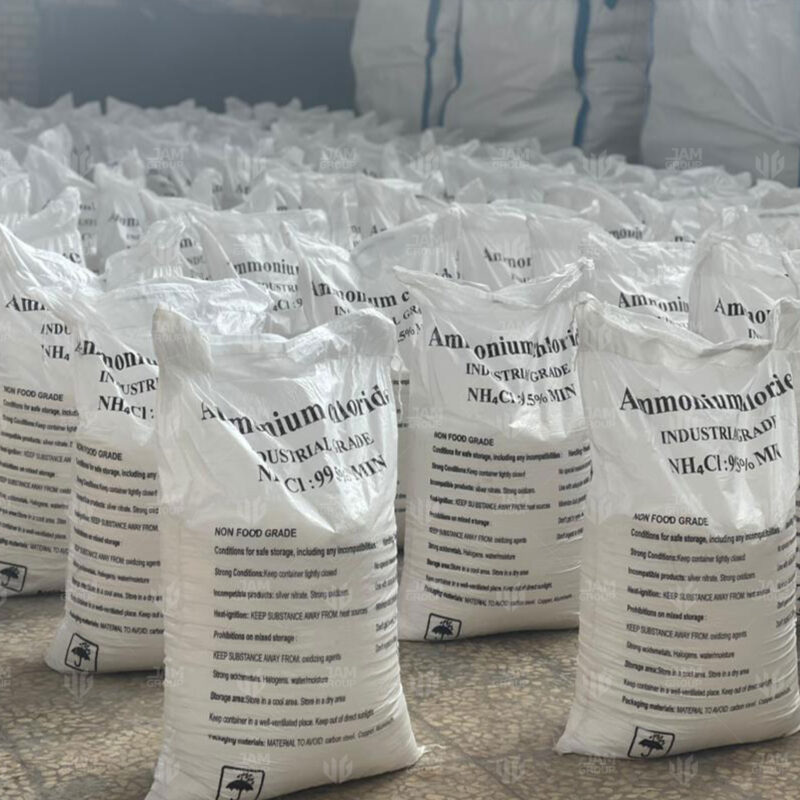
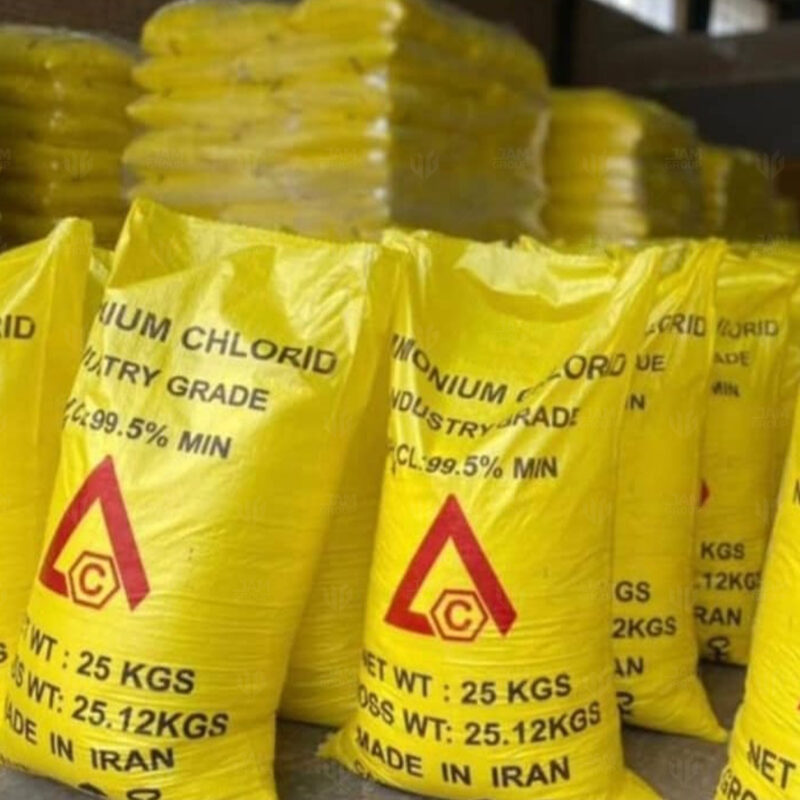
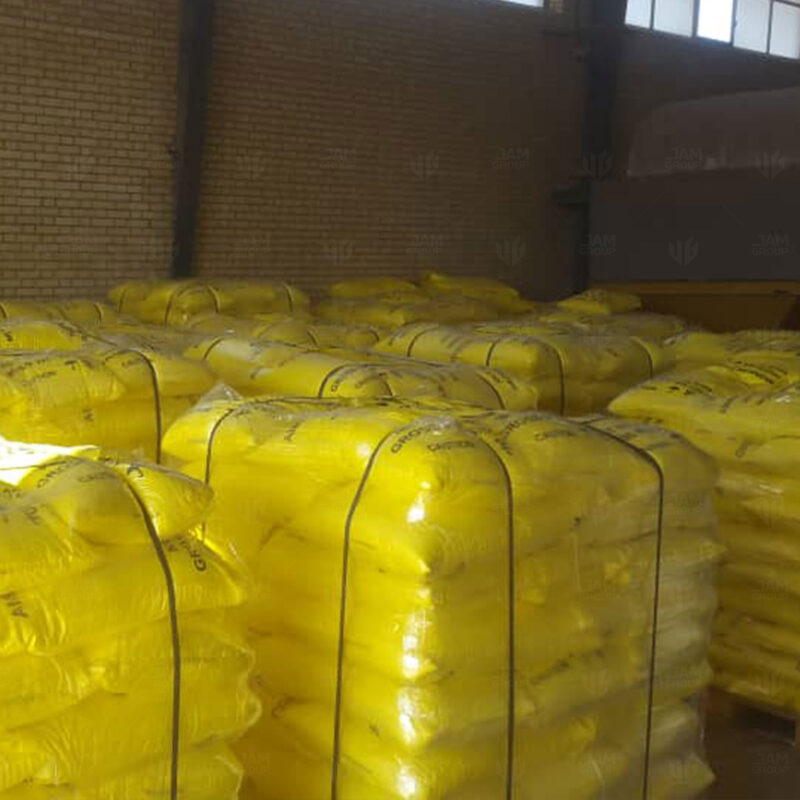
Ammonium Chloride is a widely used inorganic salt that buyers choose when they need stable, repeatable chemistry in large-scale processes. It is supplied as a crystalline solid and is valued because it dissolves easily in water and delivers ammonium and chloride ions in a predictable way. That combination supports uses ranging from fertilizer blending to metalworking fluxes and certain battery applications. In practice, purchasing is less about the name on the label and more about whether the delivered material matches the required grade, form, and impurity limits. Let’s examine the points that matter for reliable procurement.
In commodity markets, specifications are only as dependable as the supply chain behind them. For Ammonium Chloride, the same product description can cover different grades with very different controls on moisture, insolubles, and trace metals. If those limits are not aligned with the intended use, performance issues can appear as caking in storage, unexpected residues, or compliance gaps. JAM Holdings Group supports buyers by focusing on batch consistency and documentation discipline, including COA and SDS packs tied to clear lot identification. This approach helps receiving teams confirm what arrived matches what was ordered.
What is Ammonium Chloride?
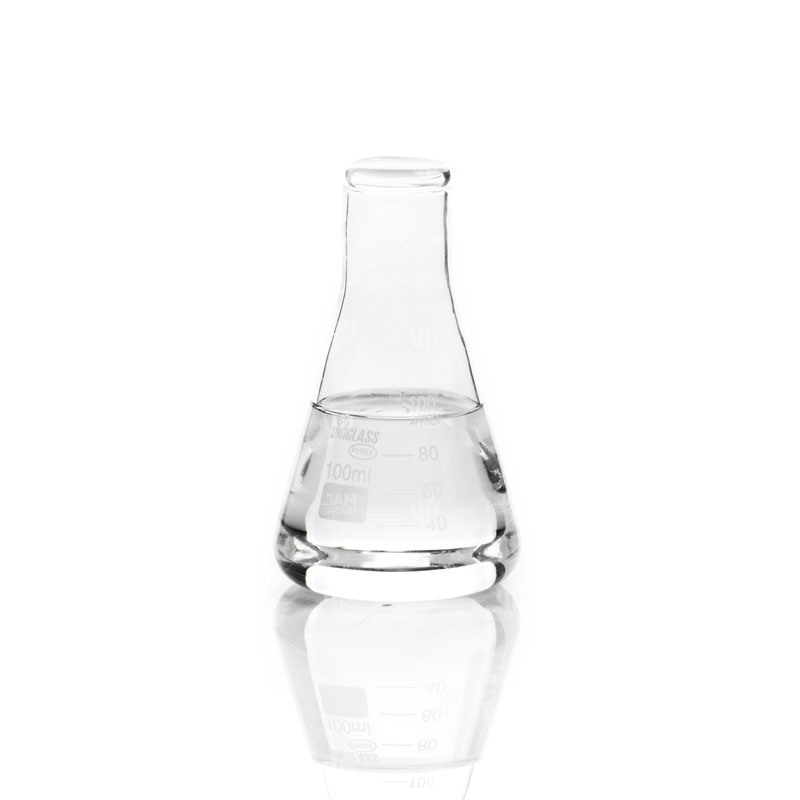
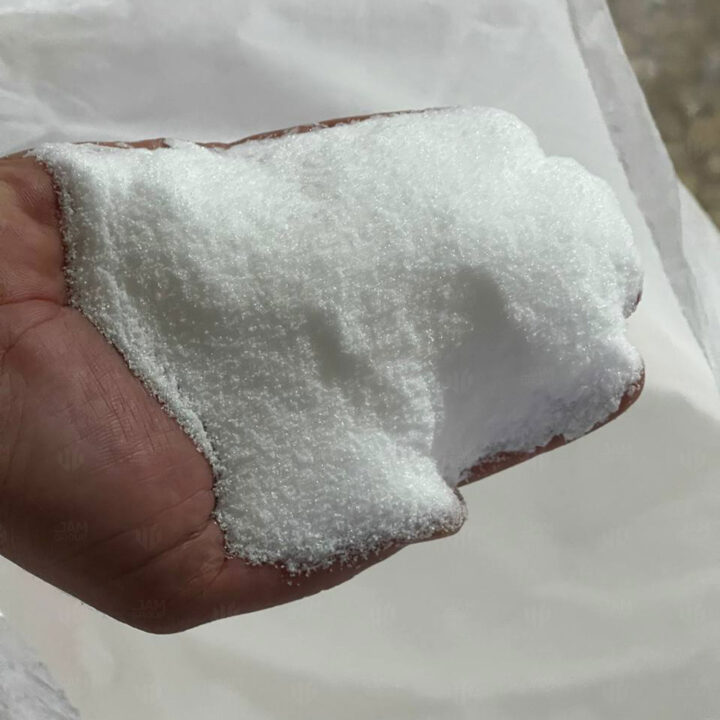
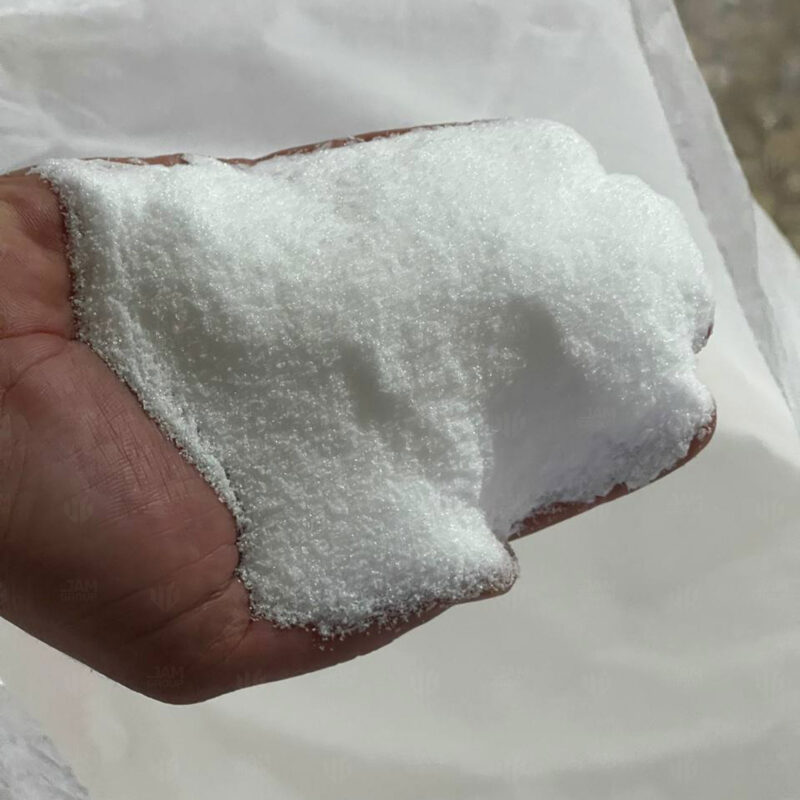
Ammonium Chloride (NH₄Cl) is an inorganic ammonium salt commonly supplied as white crystals, either as powder or granules. In water it dissociates into ammonium and chloride ions, and the resulting solution is often mildly acidic, which can matter for equipment compatibility. In industrial trade it is typically positioned as a water-soluble salt used as an input material rather than a finished consumer product. Because it serves many industries, buyers should define the grade and the assay basis used on the Certificate of Analysis, so dosing and acceptance checks are consistent.
Chemical & Physical Specifications of Ammonium Chloride
A meaningful specification for Ammonium Chloride links measurable items on a COA to the way the material will behave in handling and in the process. Procurement usually starts with an agreed purity or assay basis, then adds limits for moisture, insoluble matter, and any impurities that could affect corrosion, color, or regulatory compliance. Physical parameters such as particle size and bulk behavior may be equally important for automated feeders and blending uniformity. Numeric targets vary by grade and standard, so values should be confirmed against the applicable specification and verified lot by lot on the COA.
- Purity & Composition:
Assay or purity is usually reported as percent NH₄Cl, or another agreed basis written in the contract. Along with assay, buyers often set limits for impurities that can affect process results or compliance, such as iron and regulated heavy metals. The required list and limits depend on grade, so the COA scope should be fixed before ordering.
- Appearance & Physical Standards:
Appearance checks confirm the shipment matches the agreed color, cleanliness, and form. Ammonium Chloride is normally white and crystalline, supplied as powder or granules. Powder can be dusty and may bridge in hoppers, while granules often flow better for blending. Define acceptable fines, lumps, and visual condition in the receiving plan.
- Solubility & Density Standards:
Many users dissolve Ammonium Chloride in water before dosing, so consistent dissolution is important. Buyers may control water-insoluble matter to avoid filter load and residue in tanks. If solubility figures or mixing guidance are needed, they should come from the TDS or standard. Avoid assuming conditions such as temperature or concentration.
- Thermal Properties:
Thermal behavior matters mainly when the material meets heat during drying, processing, or hot metalwork steps. Instead of relying on generic melting or decomposition numbers, specify what the process needs and which COA items confirm it. If a standard requires a thermal parameter, include it in the test list; otherwise focus on moisture and residue controls.
- Insolubles / Residue / Moisture:
Moisture and insolubles often drive real problems: caking in storage, poor flow, and residue during solution make-up. Moisture pickup can also change dosing by weight. For that reason, buyers commonly set limits for moisture or loss on drying and define an acceptable level for insoluble matter. These items should be verified on the COA.
Reactivity, Stability & Performance of Ammonium Chloride
Reactivity and stability topics translate the specification into real-world outcomes like shelf behavior, compatibility, and safe use. Ammonium Chloride is generally stable as a dry solid when kept sealed and protected from humidity, but it can cake if it absorbs moisture. In use, it dissolves readily and can create mildly acidic solutions, which may influence material selection in contact parts. Performance is therefore managed by moisture control, cleanliness, and alignment of grade-specific impurity limits with the intended process.
- Chemical Stability / Hygroscopicity:
Ammonium Chloride can absorb moisture in humid conditions, which increases caking and reduces flow. To protect stability, keep packaging sealed, store on pallets, and avoid temperature swings that create condensation. If long storage is expected, set a moisture limit and confirm liner quality. Any shelf-life statement should be taken from supplier documentation.
- Corrosion / Reaction Profile:
In water, Ammonium Chloride often forms mildly acidic solutions, so equipment compatibility should be reviewed for sensitive metals. It can release ammonia when mixed with strong alkalis, so segregation from incompatible chemicals is important in storage and handling. Site teams should follow SDS guidance for incompatibilities, spill response, and emergency measures required by local rules.
- Toxicity & Safety Profile:
As a handled solid, practical risks include dust and potential irritation to eyes, skin, or the respiratory tract during transfer. Use dust control, ventilation where needed, and suitable gloves and eye protection. Hazard classification, exposure limits, and first-aid measures must be taken from the SDS for the specific grade and supplier, and local regulations.
Available Grades, Forms & Supply Formats of Ammonium Chloride
Ammonium Chloride is offered in multiple grades and physical forms to match different technical and compliance needs. The grade defines how tightly purity, moisture, insolubles, and trace contaminants are controlled, while the form defines how the material will handle in storage and dosing. In trade, the most common supply formats are dry crystalline solids, typically as powder or granules, selected based on dust control and flow. Buyers should specify the grade, the assay reporting basis, the key impurity limits, and the preferred particle form to avoid substitution risks.
Ammonium Chloride Production Process
Industrial production of Ammonium Chloride commonly relies on controlled neutralization chemistry, where ammonia reacts with hydrochloric acid to form the salt. The resulting liquor is then processed to create crystals under defined conditions, because crystallization strongly influences purity and particle characteristics. After crystallization, solids are separated by filtration or centrifuging, washed as needed to reduce soluble impurities, and prepared for drying. This sequence is kept general because exact routes can differ by producer and grade requirements. Producers may also recover it from certain chemical streams, but the quality controls remain similar.
After separation, the wet crystals are dried to meet the target moisture level, then screened or classified to deliver the specified powder or granular range. Quality control typically includes assay confirmation, moisture or loss-on-drying checks, and limits for insoluble matter and selected impurities. The final release is tied to a documented batch identity so a Certificate of Analysis can be linked to the shipped lots. For buyers, the key is not the route itself but whether the producer can hold the agreed specification consistently across shipments.
Safe Handling & Storage of Ammonium Chloride
Safe handling of Ammonium Chloride focuses on controlling dust and preventing unwanted moisture uptake. During transfer, closed systems, careful bag opening, and local ventilation can reduce airborne particles, while suitable gloves and eye protection help limit contact exposure. Receiving teams should check packaging integrity, confirm labeling matches documents, and keep opened material resealed to avoid humidity pickup. All site practices should follow the SDS for the specific grade and comply with local workplace rules in the destination market. Keep the work area clean to prevent cross-contamination with other salts or powders.
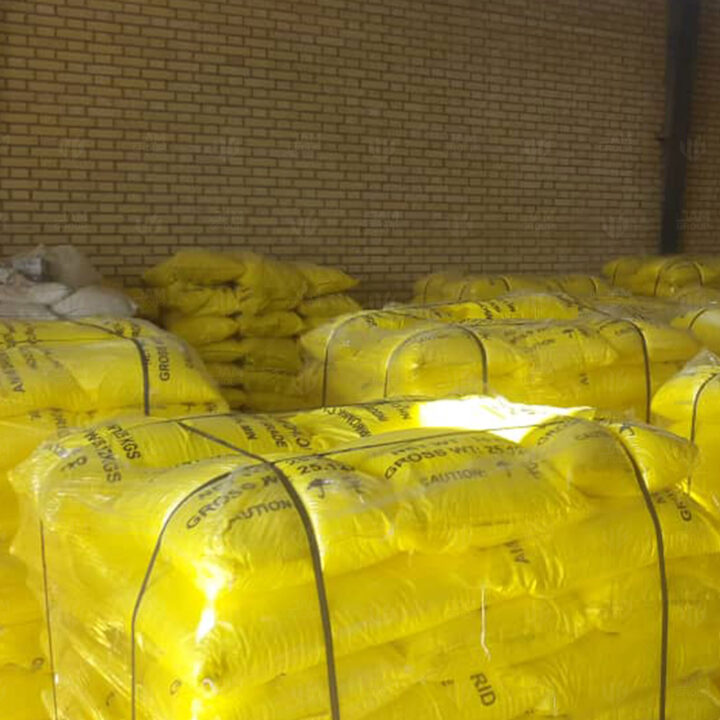
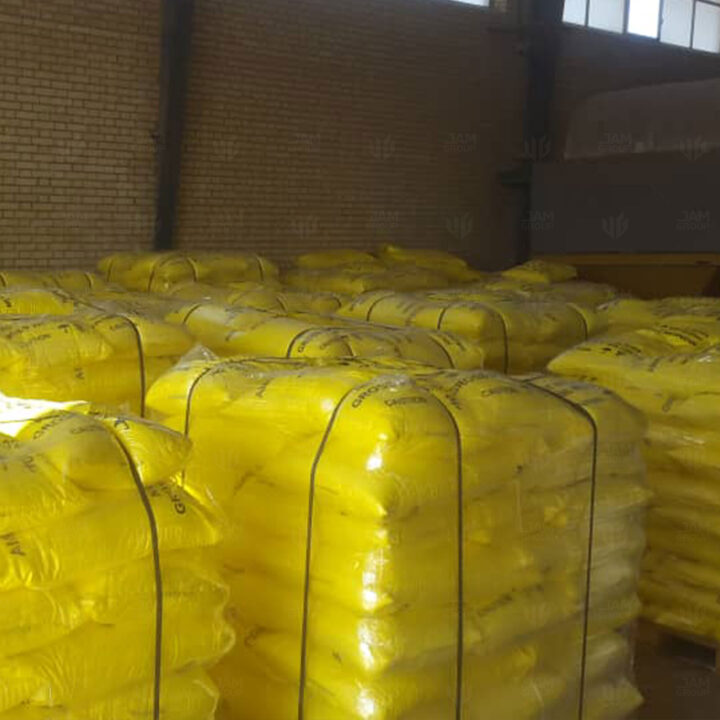
Storage is typically in a cool, dry, well-ventilated area, away from water sources and conditions that create condensation. Common pitfalls include stacking damage that breaks liners, cross-contamination from nearby powders, and caking caused by high humidity. Preventive controls include pallets that keep bags off the floor, shrink wrap or covers where needed, and clear segregation from incompatible chemicals identified in the SDS. Good inventory rotation and batch tracking also help maintain consistent performance and simplify any quality investigations.
About JAM Holdings Group’s Ammonium Chloride
JAM Holdings Group supports Ammonium Chloride procurement by aligning each order to a defined grade, documented specification, and agreed COA scope. The supply workflow focuses on disciplined lot identification, so the COA and SDS set can be matched to the shipped material at receiving. Where projects are sensitive to moisture, insolubles, or trace metals, the order specification can be structured to highlight those controls and prevent substitutions. This buyer-focused approach is designed to reduce surprises during intake testing and to keep production planning stable from one shipment to the next.
JAM Holdings Group as a Reliable Supplier
As a supplier partner, JAM Holdings Group emphasizes practical quality gates that buyers can audit: specification review before order placement, packaging condition checks, and documentation completeness prior to dispatch. For Ammonium Chloride, reliability often means consistent assay reporting and steady physical form, so the receiving team can repeat the same handling and dosing steps across lots. If an order requires pre-shipment inspection or additional reporting items, the scope should be defined contractually so timing and acceptance criteria are clear. This keeps procurement, logistics, and quality teams aligned.
Sourcing & Facilities
Sourcing and provenance should be managed in a way that supports continuity, traceability, and clear origin statements when they are required for customs or internal compliance. Where multiple producers are used, the operational priority is qualification and consistency rather than changing specifications between sources. For buyers, the key questions are whether the material is supplied from approved sources, whether batch identities remain consistent through the chain, and whether any origin documentation requested for the destination market can be provided as part of the shipment pack. These items should be agreed during contracting.
Packaging & Logistics of JAM Holdings Group
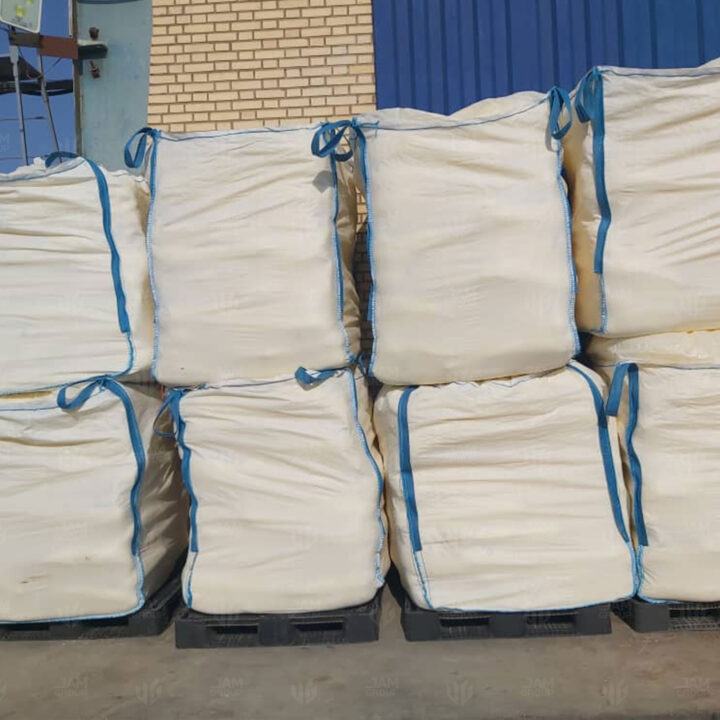
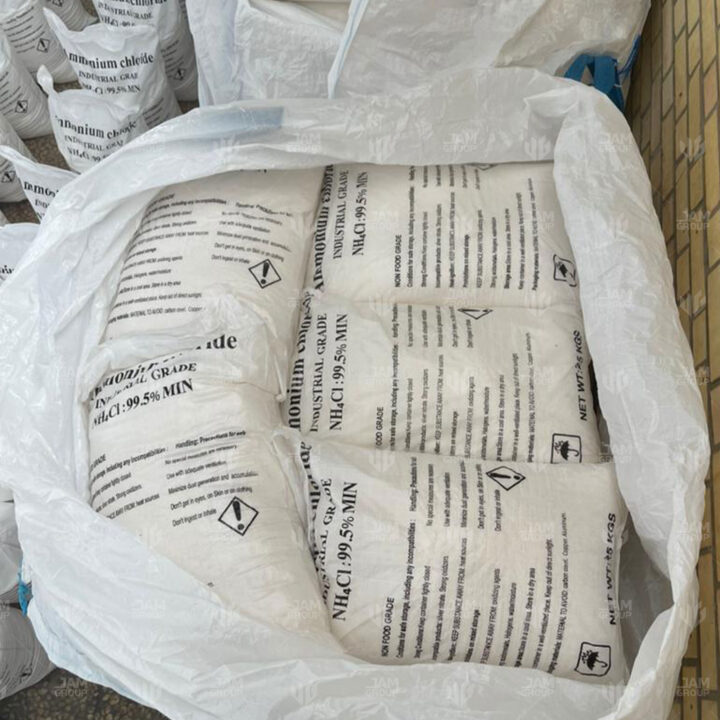
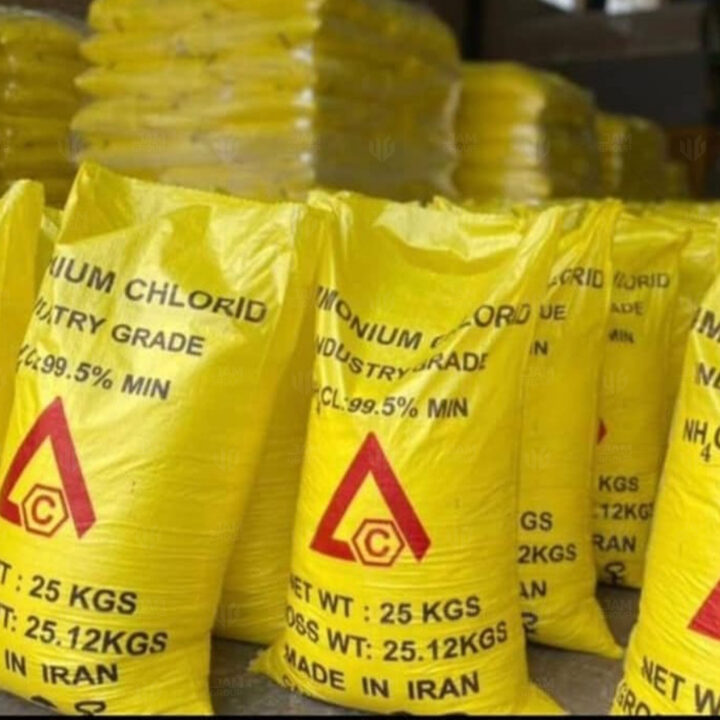
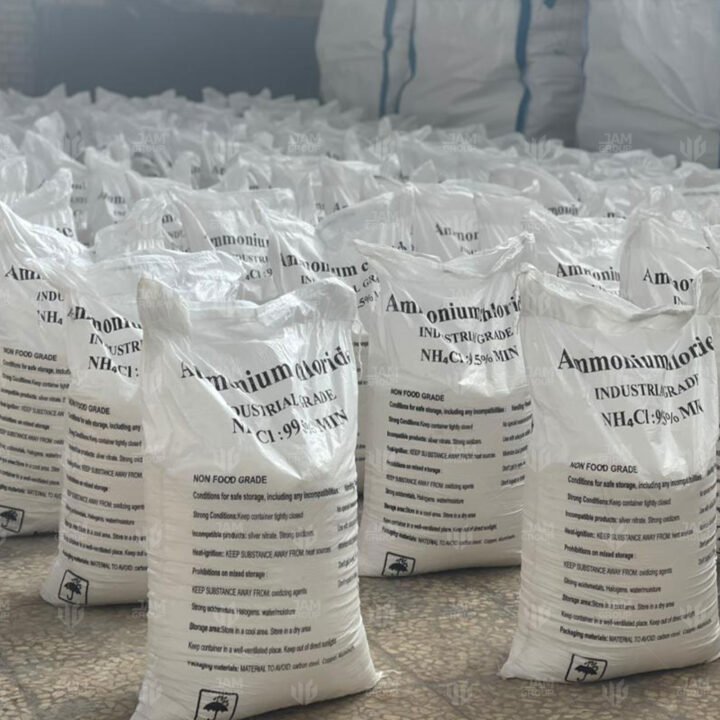
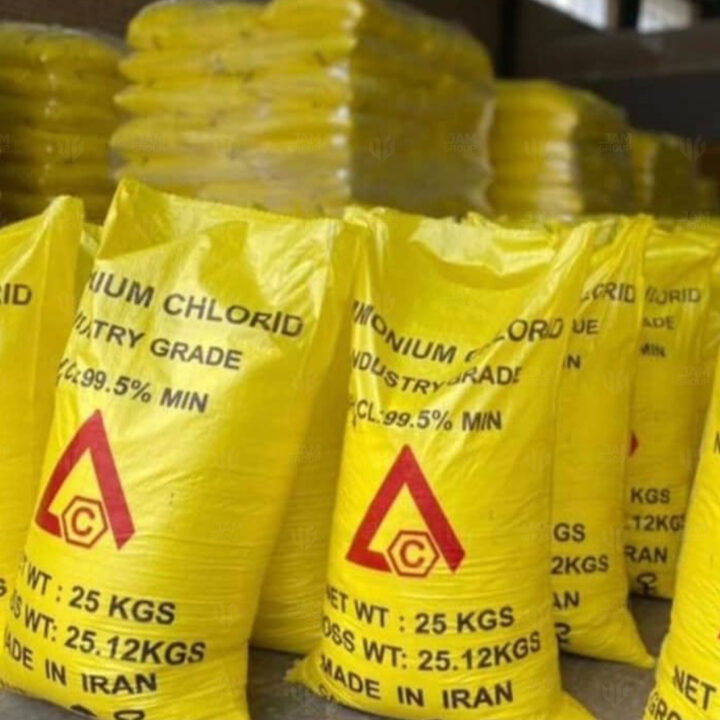
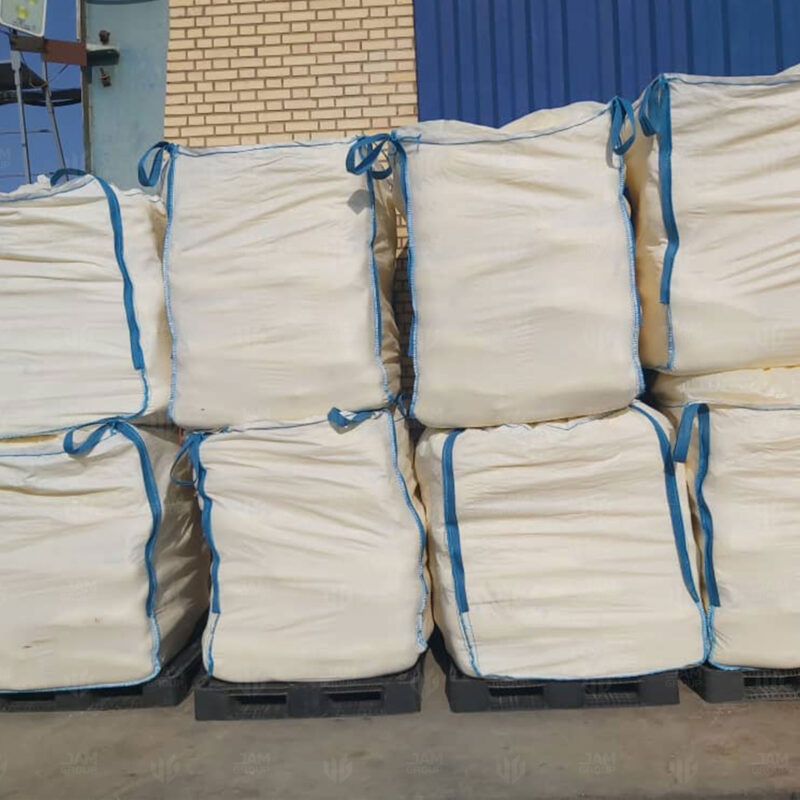
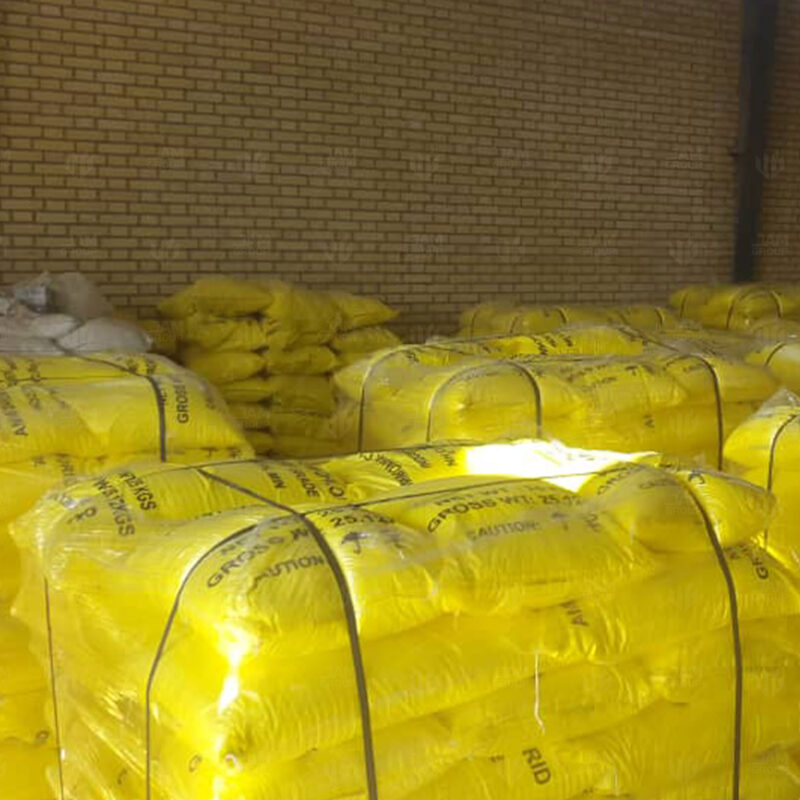
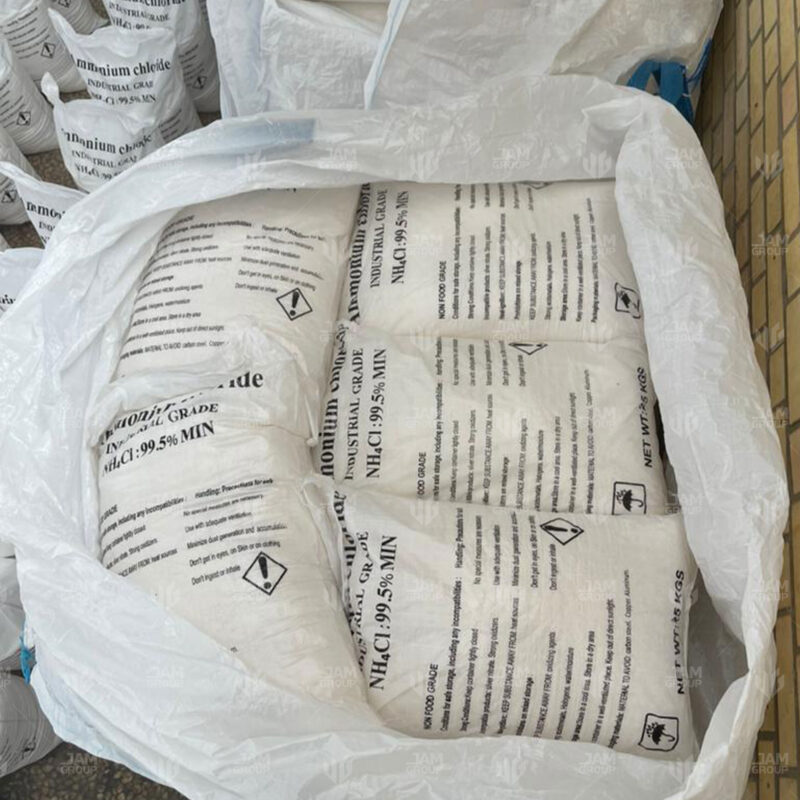
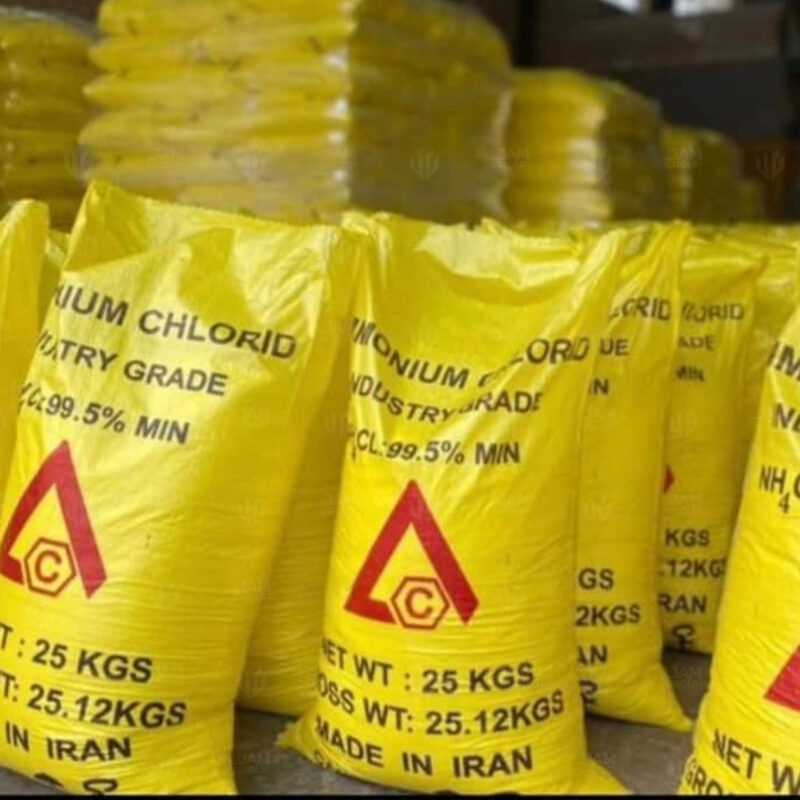
Packaging for Ammonium Chloride is selected to protect the product from moisture, contamination, and physical damage during transit. Because humidity can drive caking, liners and sealing practices matter, and pallets and wrapping help limit tearing and exposure during handling. Labels should support receiving checks by showing product identity, net weight, and batch or lot references that match the COA. Container loading should aim to reduce movement and compression damage, especially for bagged cargo. Exact pack sizes and pallet patterns should be confirmed in the quotation and packing specification.
| Property | Specification | Test Method |
| Chemical Type | Inorganic ammonium salt (NH₄Cl). | — |
| Appearance | White crystals/powder or granules; free-flowing, low visible foreign matter. | Visual inspection |
| Assay (NH₄Cl), dry basis | Typically ≥ 99.0% (grade-dependent). | AgNO₃ titration (Volhard / Mohr) or ion chromatography (IC) |
| Moisture / Loss on Drying | ≤ 0.5–1.0 wt% (as supplied). | Gravimetric LOD (USP <731>) or Karl Fischer (ASTM E203) |
| Water-Insoluble Matter | ≤ 0.02–0.10 wt%. | Gravimetric residue after dissolution and filtration |
| Particle Size (as agreed) | Sieve fraction per purchase spec; typical powder ≤ 1 mm, granules 0.5–4 mm. | Sieve analysis (ASTM C136 / C136M) |
| Bulk Density | Typically 0.7–1.1 g/cm³ (form-dependent). | Apparent density of powders (ASTM D1895) |
| pH @25 °C | 4.5–6.0 (5% w/w aqueous solution). | pH measurement (ISO 10523) |
| Iron (Fe) | Typically ≤ 10–100 ppm (grade-dependent). | ICP-OES / ICP-MS |
| Heavy Metals (as Pb) | Typically ≤ 10–50 ppm (where specified). | ICP-OES / ICP-MS |
| Shelf Life | Typically 24 months from production when stored sealed and dry. | — |
| Packing | 25 kg bags (PE-lined PP), big bags, or as agreed. | — |
| Storage | Store sealed in a cool, dry, well-ventilated area; protect from moisture and contamination. | — |
Typical Applications of Ammonium Chloride
Ammonium Chloride serves several major industries, but application fit depends on selecting the correct grade and documentation set. In agriculture, it is used as a nitrogen source in certain fertilizer programs and blends. In metalworking, it can act as a flux component or surface treatment aid, where cleanliness and low insolubles are important. Some battery systems use it as an electrolyte-related input, where moisture and contaminant control may affect performance. Depending on the required standard, it may also appear in food and pharmaceutical contexts. Below, its most famous applications are explained.
In Agriculture
In agriculture, Ammonium Chloride is mainly used as a nitrogen fertilizer, supplying nitrogen in a fully water-soluble form that plants can take up quickly. It has been used widely in some regions for crops such as rice and wheat, especially where fertilizer programs and pricing make it practical. In parallel, it also brings chloride into the soil, which can be helpful in some cases but can be a limitation for chloride-sensitive crops or soils with salinity concerns. Because it can influence soil acidity over time, application rates are normally guided by soil testing and local agronomy practice.
In Metalworking
In metalworking, Ammonium Chloride is commonly used as a flux, meaning it helps clean metal surfaces so joining or coating works better. During soldering, tinning, and galvanizing, it supports oxide removal on the metal surface and improves wetting, so solder or molten metal can spread more evenly. In practical workshops, “sal ammoniac” blocks that contain ammonium chloride are also used to clean soldering iron tips and restore better heat transfer. The value in this field is process consistency: lower residues, cleaner bonding, and fewer defects caused by oxide films or poor surface preparation.
In Batteries
In batteries, Ammonium Chloride is best known for its role in zinc–carbon (Leclanché-type) cells. In these systems, it is part of the electrolyte, often used together with zinc chloride in an aqueous paste or gel. The electrolyte enables ionic conduction inside the cell so the electrochemical reactions can proceed and current can be delivered to a device. This use is grade-sensitive because moisture level and contaminant control can influence shelf behavior and performance. In many “heavy duty” variants, the electrolyte formulation may shift toward zinc chloride, but ammonium chloride remains a recognized electrolyte component in classic designs.
As a Food Additive
As a food additive, Ammonium Chloride is known under the code E510 in markets where it is permitted. It is used mainly as an acidity regulator and as a flavoring component, especially in “salmiak” style products such as salty liquorice and related sweets. The food use is strongly grade-dependent, since food applications require compliance with the relevant additive rules and impurity limits for the destination market. In production, it is typically dosed in small amounts to reach a target taste or pH effect rather than as a bulk ingredient. Buyers should confirm that the product is offered as food grade and supported by the correct documentation.
In Pharmaceutical Sector
In the pharmaceutical sector, Ammonium Chloride has been used as an expectorant, which means it helps loosen and thin mucus so it can be cleared more easily by coughing. It may appear in cough and cold preparations, sometimes in combination formulas, depending on local product registrations. The functional idea is that it can increase respiratory tract fluid, which supports mucus clearance. Pharmaceutical use requires tight control of quality, traceability, and impurity limits, and it must follow the applicable pharmacopeial or regulatory requirements in the target market. Any medical claim, dosing, or labeling must be handled by the finished-product manufacturer under local rules.
In Analytical Chemistry
In analytical chemistry, Ammonium Chloride is widely used as part of ammonia/ammonium buffer systems. A common example is the ammonium chloride–ammonia buffer around pH 10–11, which is used in complexometric titrations such as EDTA titration. This buffer helps keep the pH stable during the test, which is important because the metal-EDTA reaction and the color indicator response depend on pH. One practical application is water analysis, where the buffer supports hardness testing by EDTA methods. In labs, the buffer may be prepared in-house or used as a prepared reagent, depending on workflow and quality needs.
In Industrial Products
Across industrial products, Ammonium Chloride is used as a processing aid where its solubility and ionic behavior are useful. It is reported in textile and leather operations such as dyeing, printing, and tanning, where process control can depend on the chemical environment. It also appears in some cleaning formulations and in certain adhesive systems such as wood or plywood bonding products, depending on the formulation strategy. In personal care, it is used in some products as a viscosity (thickness) adjustment agent, including certain shampoo and cleansing systems. Because these uses are formulation-specific, buyers normally define limits for moisture, insolubles, and metals to reduce variability in finished goods.
○What are the main applications of Ammonium Chloride?


Ammonium Chloride is widely used as a nitrogen source in fertilizers, as a flux component in galvanizing, tinning, and soldering to help remove oxide films, and as an electrolyte component in zinc–carbon dry cells. It is also used as an intermediate for making other ammonium salts in some supply chains.
○How do I choose the right grade, especially for food or pharmaceutical use?
Start by defining the end use and the required standard, then lock the COA test list to that requirement (assay basis, moisture/LOD, insolubles, and metals). For food use, confirm that the additive is permitted under relevant rules and supplied as food grade. For pharma, confirm the required pharmacopeia compliance and traceability.
○How should Ammonium Chloride be handled and stored?
Handle it to minimize dust and ensure adequate ventilation during transfer. Store it in tightly closed containers in a cool, dry, well-ventilated area, because moisture pickup can lead to clumping and handling problems. Keep it away from food and drink in work areas and follow SDS-based hygiene steps such as washing after handling.
○What materials are incompatible with Ammonium Chloride?
Avoid contact with strong bases, strong acids, and strong oxidizing agents, as these can drive unwanted reactions or hazardous releases under certain conditions. Some safety references also flag reactivity concerns with specific oxidizers and certain metal salts. Your site segregation plan should follow the SDS for the supplied grade and form.
○How soluble is Ammonium Chloride in water, and what does that mean for solution preparation?
It is highly water-soluble, and solubility increases with temperature (for example, about 37.56 g per 100 g water at 20 °C and about 77.3 g per 100 g water at 100 °C). For solution make-up, add the solid gradually with mixing, control dust, and use the SDS for handling precautions.
HOW CAN JAM GROUP HELP YOU?
Send us a message and our friendly team will get back to you within one business day.