













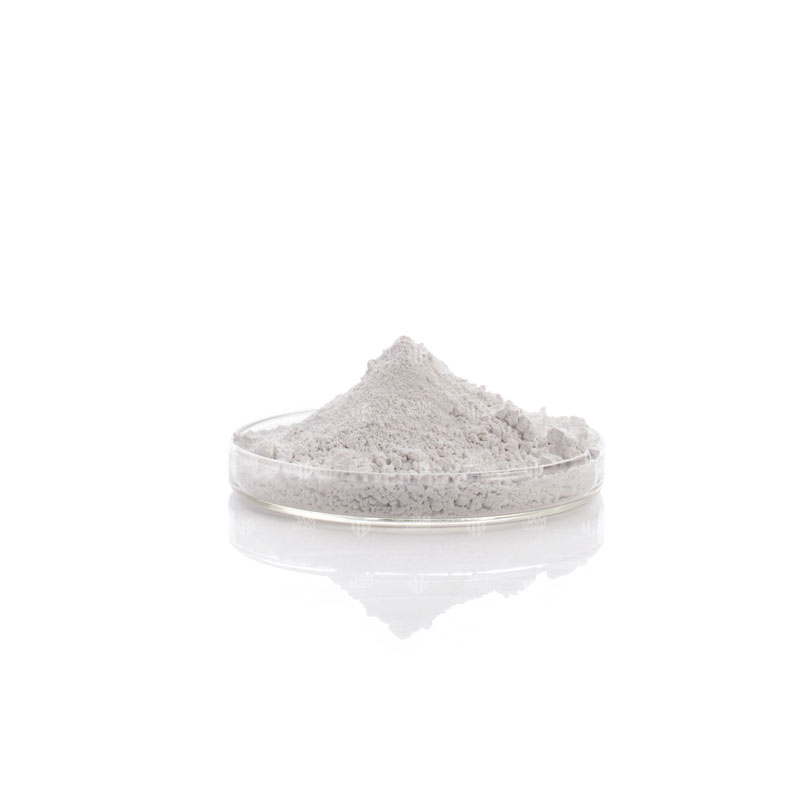

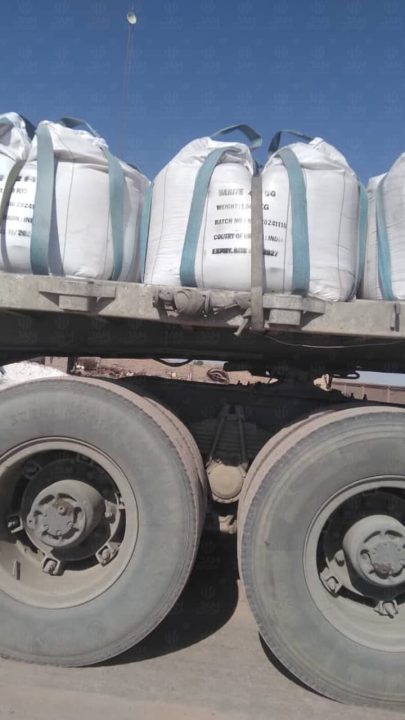
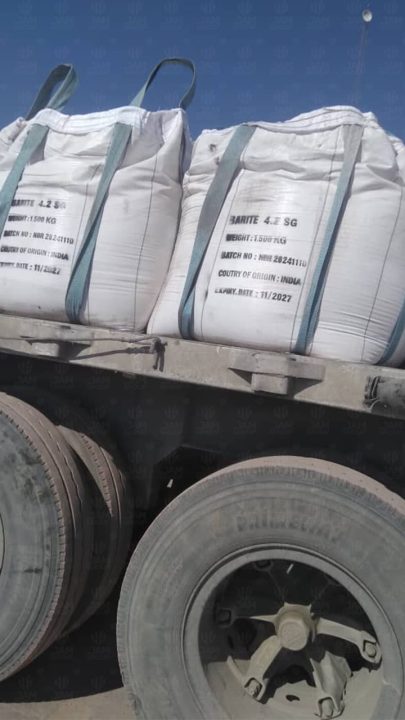
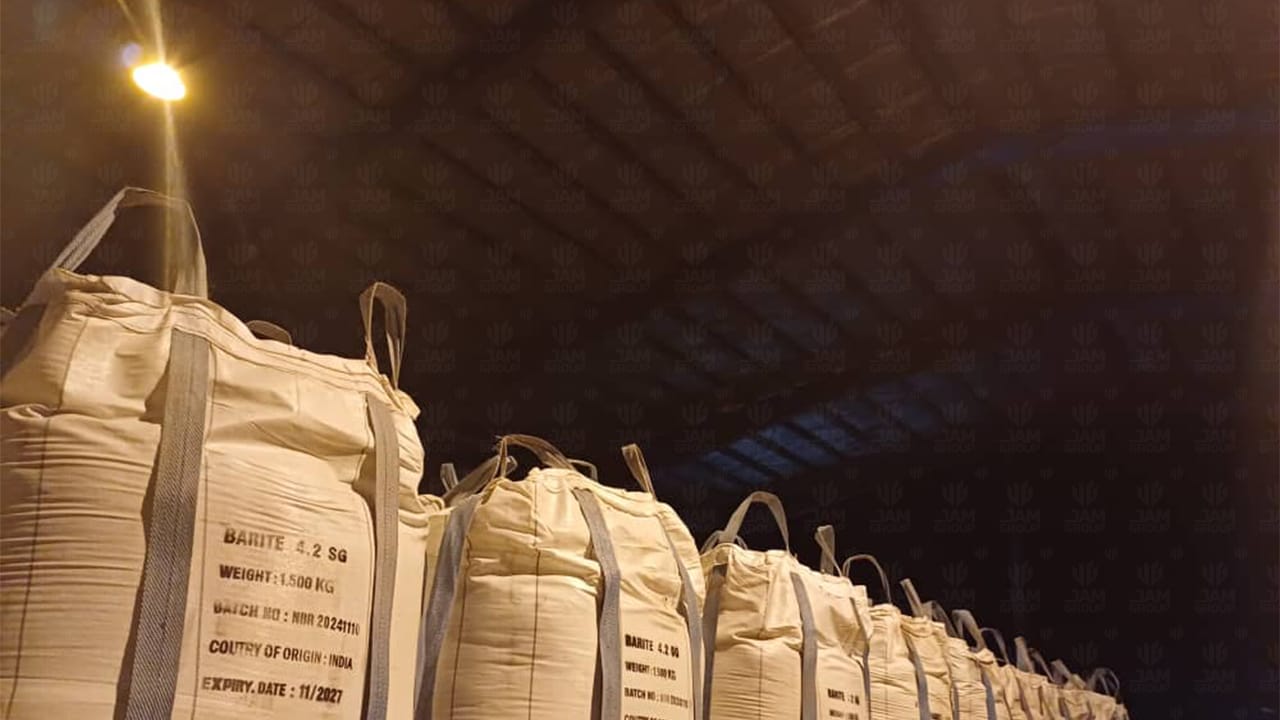
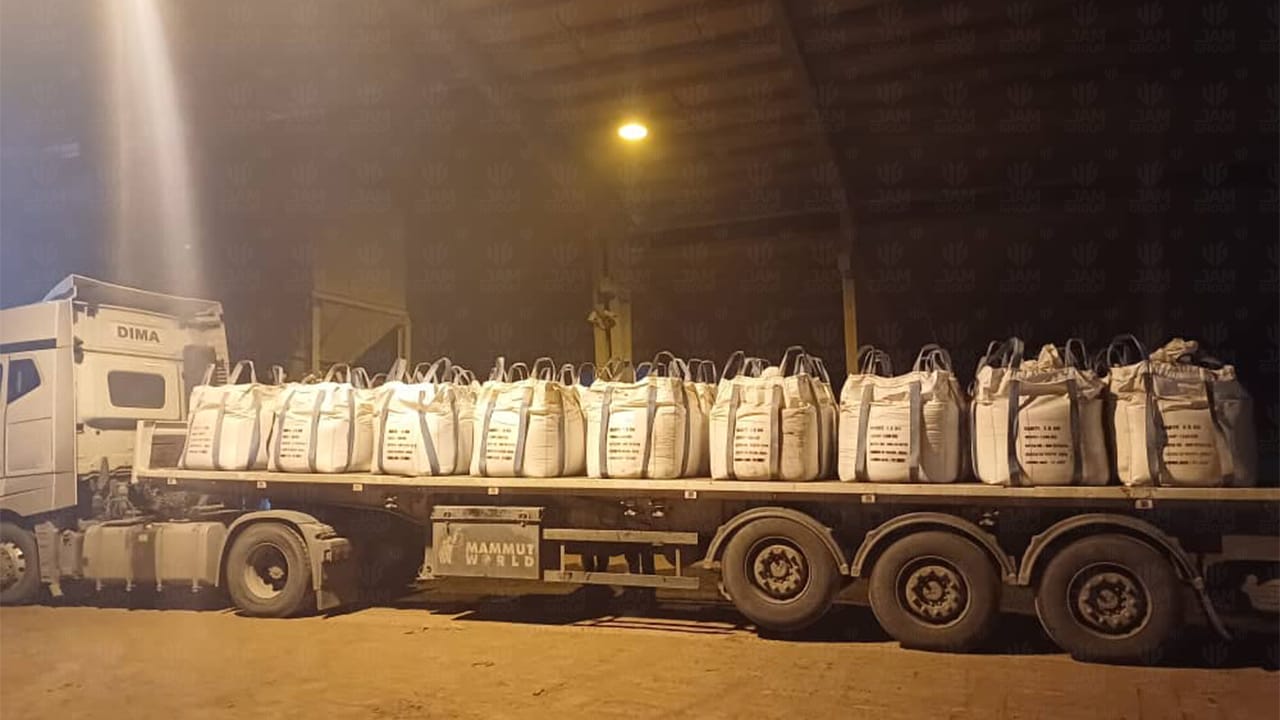
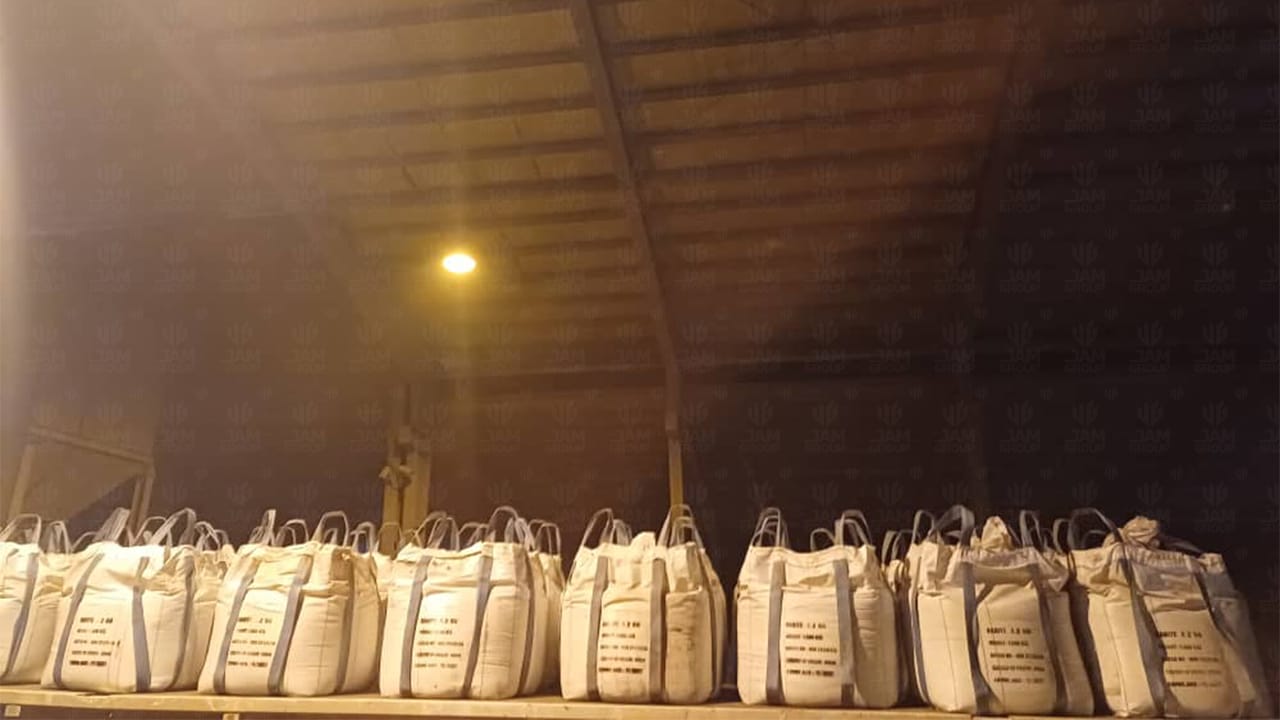
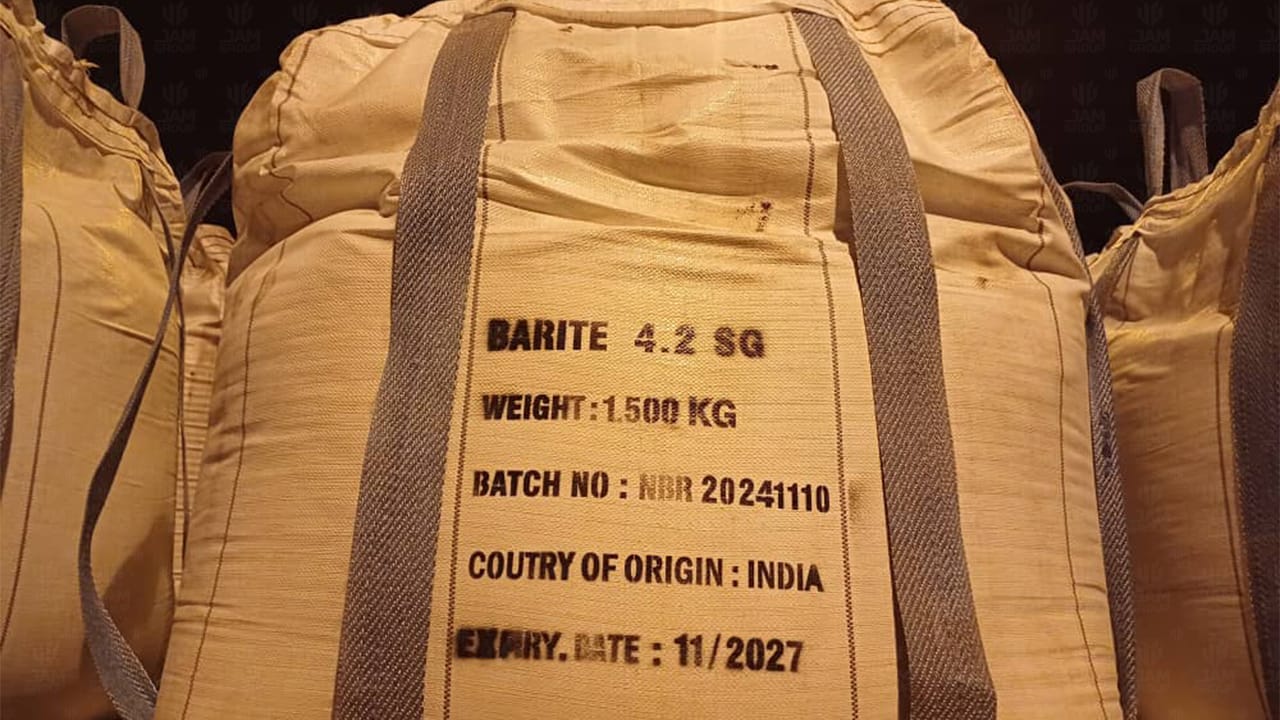
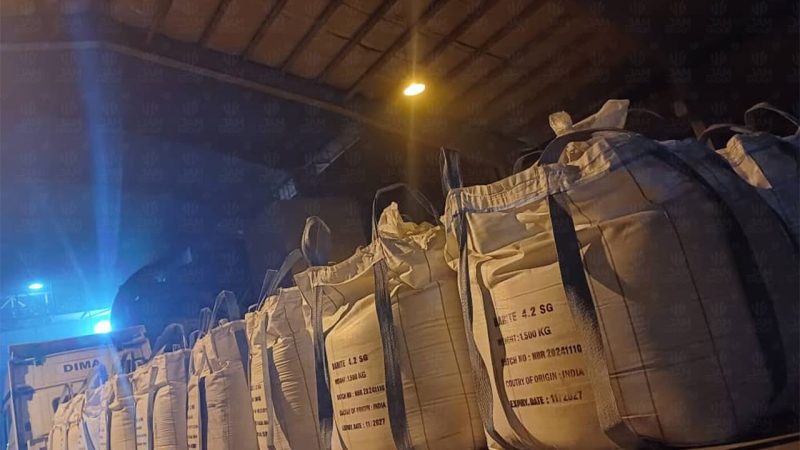
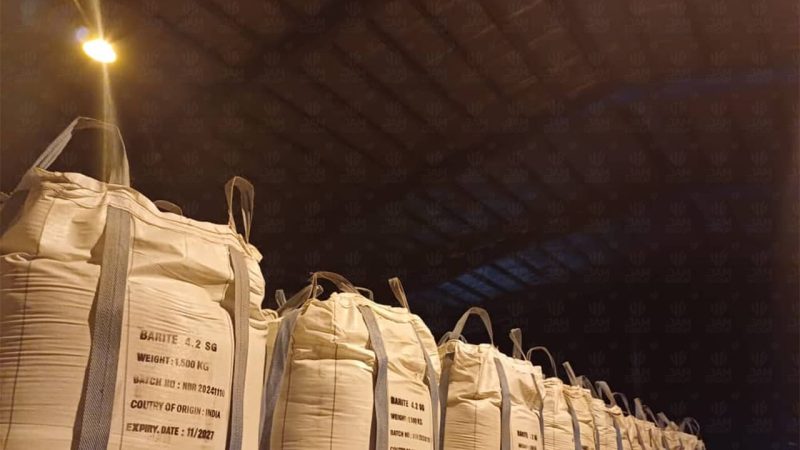
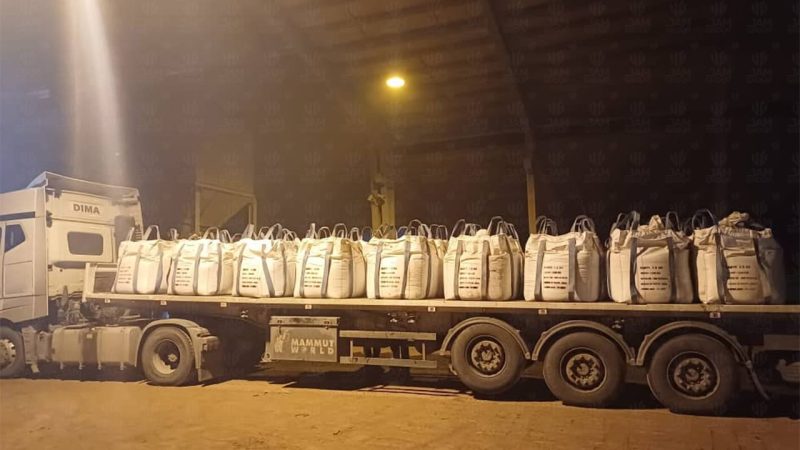
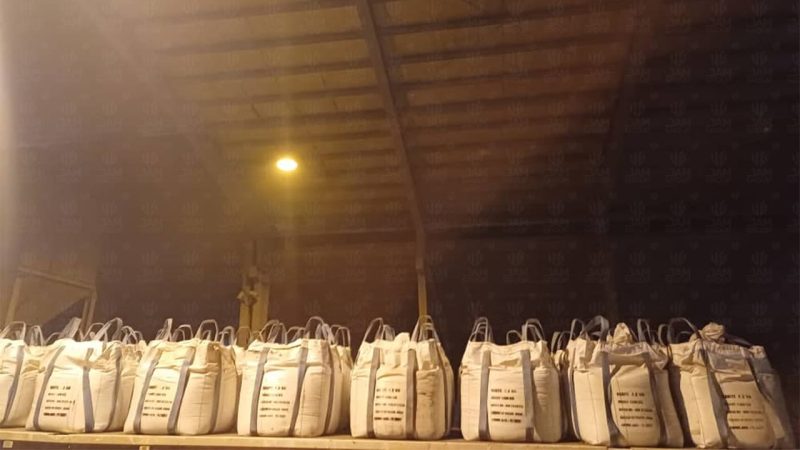
Barite is a mineral made up of barium sulfate (BaSO4). It has a Mohs hardness of 3 to 3.5 and a specific gravity of 4.3 to 5 and comes in various colors, including colorless, white, blue, brown, yellow, and red. Due to its relative softness, the mineral is simple to powderize. Barite is safe for many applications because it is non-toxic and non-reactive. It is extensively utilized in many different industries, including the oil and gas sector, the building and mining industries, the paint market, the plastics, and rubber business, and the medical profession.
JAM Group Co. is a leading barite mining, processing, and supplying company. The company operates several barite mines in Iran and is one of the largest exporters of barite in the region. JAM Group Co. is also a leading manufacturer of a variety of grades of barite, including API grade, drilling grade, and pigment grade. JAM Group Co. has been operating in the sector for many years and has developed a deep understanding of the market and the needs of its customers. As a result, the company is able to supply high-quality barite in various grades that meet customer specifications, including the oilfield drilling industry, the construction industry, etc. JAM Group Co. is also a well-known barite lumps manufacturer, producing high-quality barite lumps that are widely used as a weighting agent in the drilling mud and other applications.
What is Barite?
Baryte, also known as barite, is a mineral composed of barium sulfate (BaSO4). It is a common mineral, typically found in sedimentary rocks, and is often associated with lead, zinc, and silver deposits. Barytes are found in various shades, including colorless, white, blue, brown, yellow, and red. The color is often influenced by impurities present in the mineral. It is relatively soft, with a Mohs hardness of 3 to 3.5, making it unsuitable for use as a gemstone. It has a specific gravity of 4.5, which is slightly higher than that of most other minerals.
Baryte has some important industrial uses. One of the most common uses is as a weighting agent in drilling fluids, which provides buoyancy and prevents boreholes’ collapse during drilling operations. These fluids are crucial in the oil, gas, construction, and mining industries. This substance also serves as a filler in paint, plastics, and rubber and as a radiation-shielding material in medical imaging. In the paint industry, baryte adds weight to paint, which helps it adhere to surfaces and provides a smoother finish. In the plastics and rubber industries, the substance is added as a filler to improve the durability and strength of the final product. In the medical sector, baryte functions as a radiation shielding material to protect patients and medical staff from the harmful effects of ionizing radiation during medical imaging procedures.
Baryte is mined in several countries, including the United States, China, India, Morocco, and Mexico. The United States is the largest baryte producer, with most of the production coming from Arizona, Texas, and Louisiana. This substance has also been mined in other countries, including Iran, Kazakhstan, and Ukraine. It is typically extracted using open-pit mining techniques, as the mineral is often found near the surface. The ore is then crushed and screened to produce the desired size of baryte. It is vital to note that there are also plenty of Barite Mines in Iran which are regarded as pure sources of this multipurpose mineral. Various barite exporters rely on Iran barite mines to provide different grades of this mineral for specific applications.
What is barium sulfate?
As mentioned in the previous section, barite mainly consists of barium sulfate, so it seems vital to find out about this substance and its properties.
Barium sulfate, also known as barite, is an inorganic compound with the chemical formula BaSO4. It is a white, odorless solid that is insoluble in water and occurs naturally as the mineral barite. Its high density and white, opaque appearance make it useful in various applications. One of the primary uses for barium sulfate is as a component of oil well drilling fluid. It is added to the fluid to help keep the drill bit on the bottom of the hole and reduce the risk of a stuck pipe. Approximately 80% of the world’s barium sulfate production is consumed for this purpose, and it is typically purified for use in the oil industry.
However, barium sulfate has several other applications as well. It is applied as a filler in manufacturing industrial products such as paints, ceramics, and plastics, and it is also used as a contrast agent in medical imaging procedures. It is able to absorb X-rays and CT scans differently than surrounding tissues, making it easier to see the organs and structures being imaged. It effectively identifies abnormalities or blockages in the digestive system and visualizes the body’s organs and structures during surgery.
Barite Production Process
The production of barite involves several stages. The first stage of the process is mining, which consists of extracting barite from earth deposits. These deposits are often found in sedimentary rocks and may be associated with other minerals such as lead, zinc, and silver. Open-pit mining techniques are commonly used to extract barite, as the mineral is often found near the surface. Once the ore has been removed, it is transported to a processing facility for further processing.
The next stage in the production process is crushing and screening. The extracted barite ore is first crushed using jaw or gyratory crushers to break it into smaller pieces. These smaller pieces are then screened to produce the desired size of barite. The size of the barite particles is typically determined by the product’s end use, as different industries have different size requirements.
The third stage in the production process is grinding. After the barite has been crushed and screened, it goes into a fine powder using various grinding methods, such as ball mills, hammer mills, and rod mills. The ground barite is then classified according to particle size, and the desired particle size is separated using several screening methods.
Beneficiation Stage
The beneficiation of barite involves several stages designed to remove impurities and improve the quality of the final product. Flotation is one of the first steps in the beneficiation process, which separates barite from impurities using chemicals and air bubbles. The flotation process involves introducing chemicals and air bubbles into a slurry of barite and impurities, causing the barite to float to the top of the slurry. In contrast, the impurities sink to the bottom. The barite is then separated from the contaminants using a series of screens and filters.
The flotation process is typically followed by a series of gravity separation methods, such as jigging and spiral separation, which use differences in the density and shape of the barite and impurities to separate them. In jigging, the barite and impurities are separated through screens and jigs, allowing the denser barite particles to settle to the bottom. Pollutants that are lighter are carried to the top. In spiral separation, the barite and impurities are separated using a series of spirals that allow the denser barite particles to sink to the bottom. In contrast, lighter contaminants are carried to the top.
Another standard beneficiation method is magnetic separation, which uses the magnetic properties of barite to separate it from impurities. This method is beneficial for separating barite from iron-based impurities. In magnetic separation, the barite and impurities are passed through a series of magnets, which attract the iron-based contaminants and separate them from the barite. Other beneficiation methods that may improve the quality of barite include leaching, which uses chemicals to dissolve impurities, and roasting, which utilizes heat to remove impurities. The specific beneficiation methods employed will depend on the characteristics of the barite ore and the contaminants present.
Overall, the beneficiation of barite is an essential step in the production process, as it helps improve the final product’s quality and increase its value. By removing impurities and improving the purity of the barite, the product is more suitable for a wide range of various industrial and commercial applications.
About JAM Group Co.’s Barite
JAM Group Co. is a leading company in the field of barite mining and processing. The company is a well-known manufacturer of various grades of barite, including API grade, drilling grade, and pigment grade. One of the critical advantages of JAM Group Co. is its extensive experience in the barite industry. Over the years, this company has operated in the sector, developing a deep understanding of the market as well as its customers’ needs. It allows JAM Group Co. to provide high-quality barite products that meet its customers’ specific requirements, whether in the oilfield drilling industry, the construction industry, or any other sector that uses barite.
In addition to its experience and expertise, JAM Group Co. is known for the quality of its products. The company is a leading manufacturer of super white barite, which is highly sought after in the market due to its bright white color and high purity. JAM Group Co. is also a leading API barite manufacturer, producing superior barite that meets the standards of the American Petroleum Institute (API). The company is also an established barite lumps manufacturer, creating high-quality barite lumps widely used as a weighting agent in drilling mud and other applications.
Conclusion
Barite, also called baryte, is a mineral composed of barium sulfate (BaSO4). It has a Mohs hardness of 3 to 3.5, a specific gravity of 4.3 to 5, and comes in various shades such as white, blue, brown, yellow, and red. Barite is a soft mineral that is non-toxic and non-reactive, making it suitable for various uses. These uses include being a weighting agent in drilling fluids, a filler in paint and plastics, and a radiation shield in medical imaging. Its production involves mining, crushing and screening, and grinding. Its beneficiation involves methods such as flotation, gravity separation, magnetic separation, leaching, and roasting to remove impurities and improve quality.
| Property | Specification | Test Method |
| Chemical Type | Inorganic mineral; barium sulfate (BaSO₄) | XRF / XRD |
| Appearance | White to off‑white powder or crystalline aggregate; free‑flowing, low moisture | Visual / sieve check |
| Whiteness/Brightness | ≥ 85 (reflectance, typical filler grade) | ISO 2470 / ISO 2469 |
| Moisture (as packed) | ≤ 0.5 wt% | ISO 787‑2 (105 °C oven) |
| BaSO₄ Content | ≥ 90 wt% (general industrial grade) | XRF |
| pH @25 °C (10% slurry) | 6.5-8.5 | ISO 10523 |
| Specific Gravity (solid) | 4.2-4.5 | ASTM D854 |
| Residue on 75 μm (200 mesh) | ≤ 3.0 wt% (powder grade); report full PSD if required | ISO 3310 (sieving) / ISO 13320 (laser) |
| Water‑Soluble Alkaline Earths (as Ca) | ≤ 250 mg/kg (drilling grade reference) | API 13A / ICP‑OES |
| Iron (Fe) | ≤ 0.10 wt% | ICP‑OES / ICP‑MS |
| Oil Absorption | 10-25 g/100 g (typical filler range) | ISO 787‑5 |
| Hardness (Mohs) | 3.0-3.5 (informational) | – |
| Shelf Life | 24 months if kept dry and sealed | Retain re‑test (moisture/whiteness) |
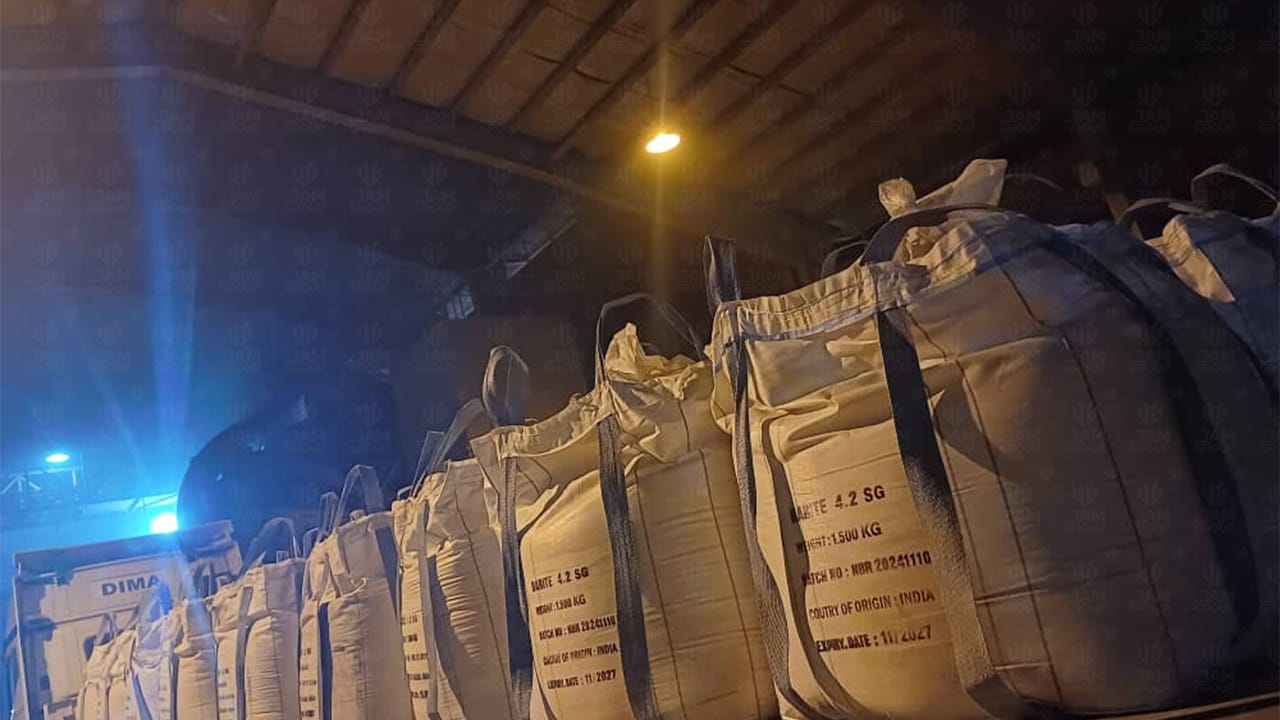
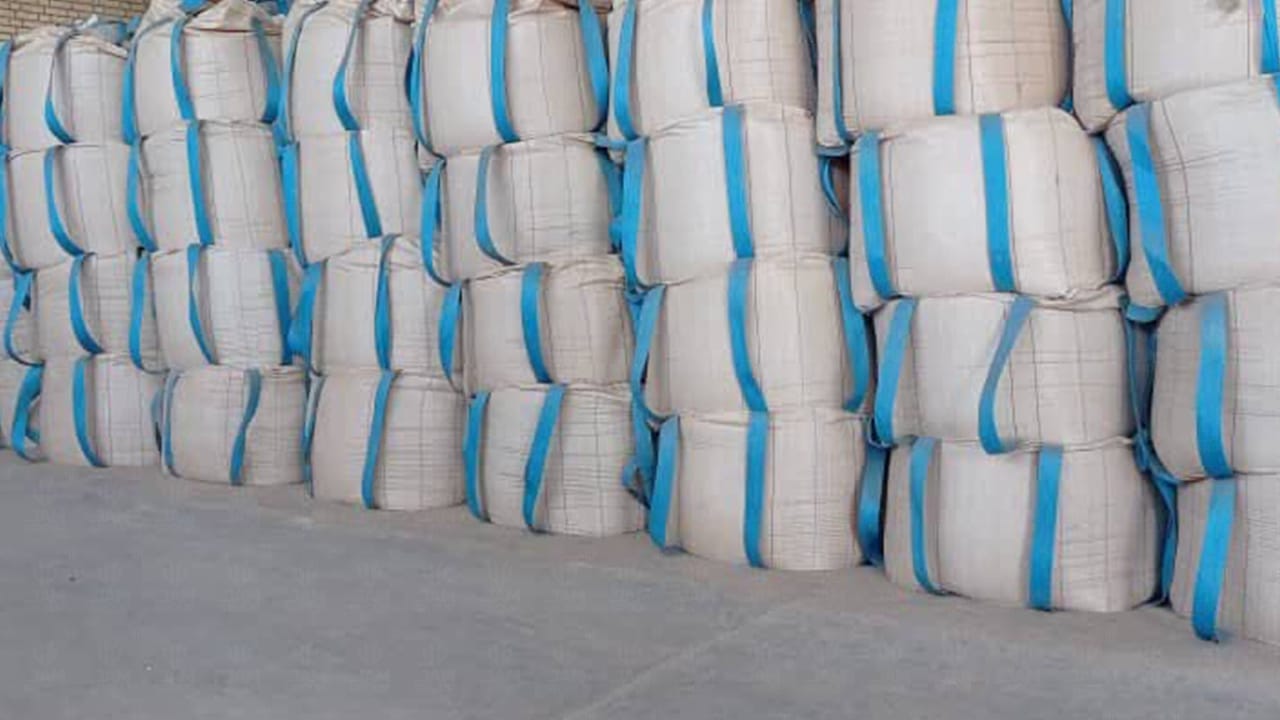
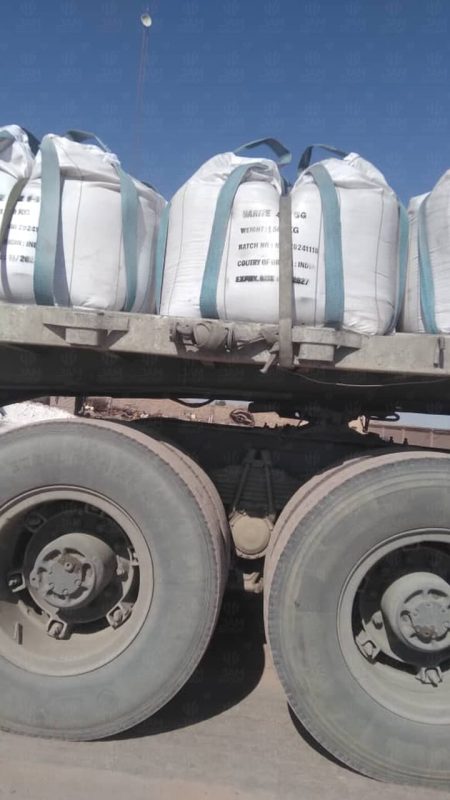
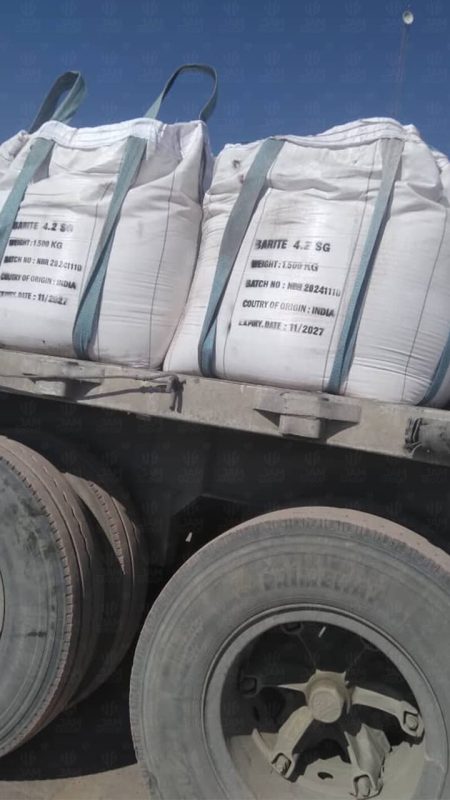
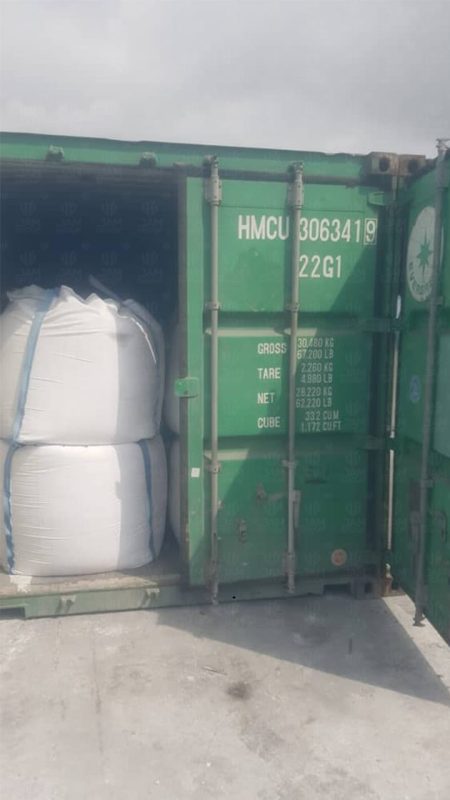
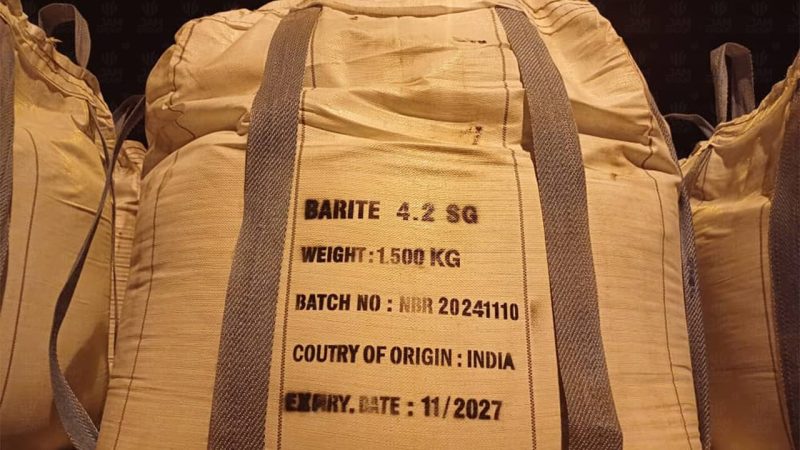
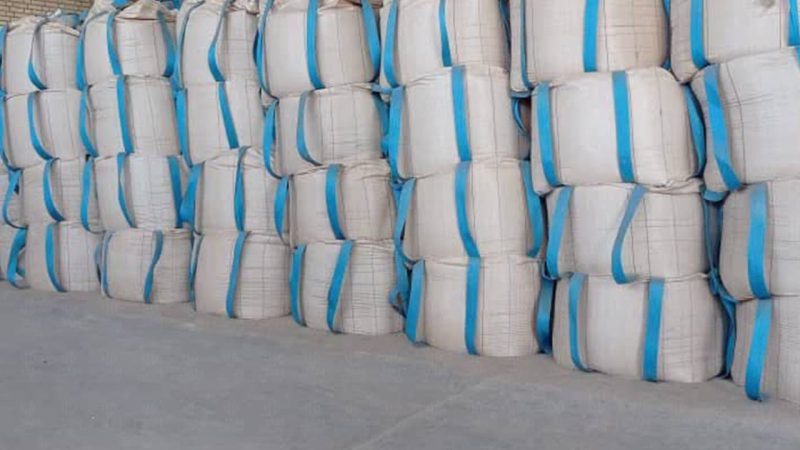
| Packing | 25 kg bags; 1,000-1,250 kg jumbo bags; bulk on request | – |
| Storage | Cool, dry, covered; avoid moisture and contamination | – |
By now, we know that barite, also known as baryte, is a barium sulfate mineral (BaSO4) with various properties that lead to functioning in multiple industries. For instance, it comes in different shades, including white, blue, brown, yellow, and red, and has a Mohs hardness of 3 to 3.5 and a specific gravity of 4.5. It is a soft mineral and can be easily ground into a fine powder. It is safe to use and has a range of applications, including as a weighting agent in drilling fluids, a filler in paint and plastics, and a radiation shield in medical imaging. It also plays a role in animal feed and steel production. This section discusses the many uses of barite in more detail.
Drilling Fluid Weighting Agent
One of the most common applications of barite is as a weighting agent in drilling fluids. These fluids are used in the oil and gas sector, as well as in the construction and mining industries, to provide buoyancy and prevent the collapse of boreholes during drilling operations. Barite is an effective weighting agent because it is relatively dense, with a specific gravity of 4.3 to 5, and has high chemical stability. Aside from being non-toxic, it is also non-reactive, making it safe for drilling operations.
Paint Filler
Another common application of barite is as a filler in paint. In the paint industry, it is employed to add weight to paint, which helps it to adhere to surfaces and provides a smoother finish. Baryte also increases the opacity of the paint, making it more opaque and hiding the surface on it is applied. Barite is an effective filler in paint because it is relatively soft, with a Mohs hardness of 3 to 3.5, and is easy to grind into a fine powder.
Plastics and Rubber Filler
Barite also functions as a filler in plastics and rubber. In these industries, it improves the durability and strength of the final product. This mineral is an effective filler in plastics and rubber because it is relatively dense, with a specific gravity of 4.5, and has high chemical stability.
Medical Imaging
In the medical industry, our intended substance acts as a radiation shielding material to protect patients and medical staff from the harmful effects of ionizing radiation during medical imaging procedures. It is effective as a radiation shielding material because it is relatively dense, having a specific gravity of 4.3 to 5.
○What technical support and customization does JAM Group Co. provide?


We tailor specific gravity, particle size, and brightness via washing, jigging, milling, and classification. Our labs issue batch COAs (SG, PSD, BaSO₄ content, moisture) and can arrange pre-shipment inspection. Samples for qualification are available, and we plan continuity of supply with buffer stock, multi-lot consistency controls, and flexible loading windows.
○How does JAM Group Co. supply barite to global clients?
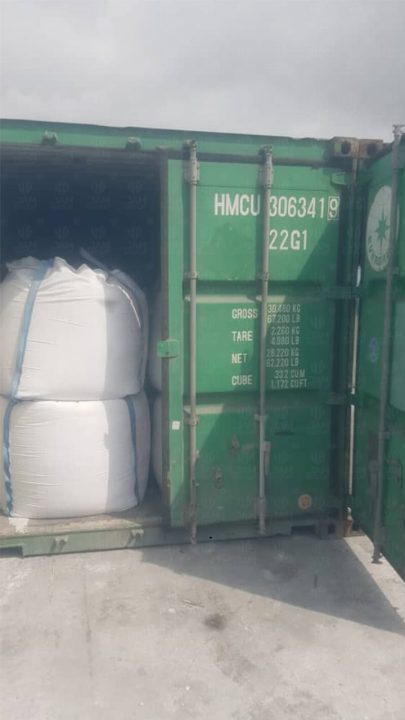
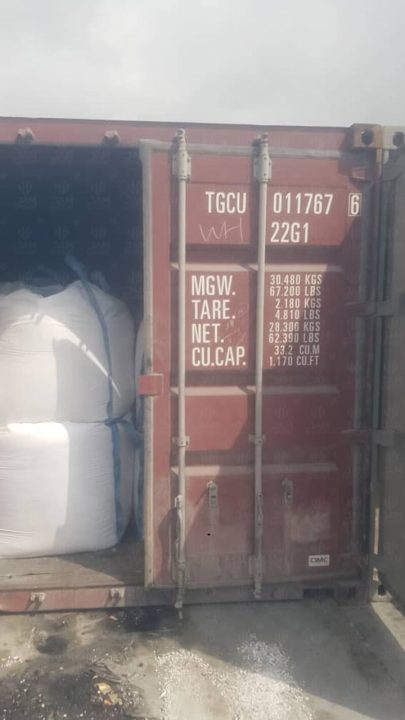
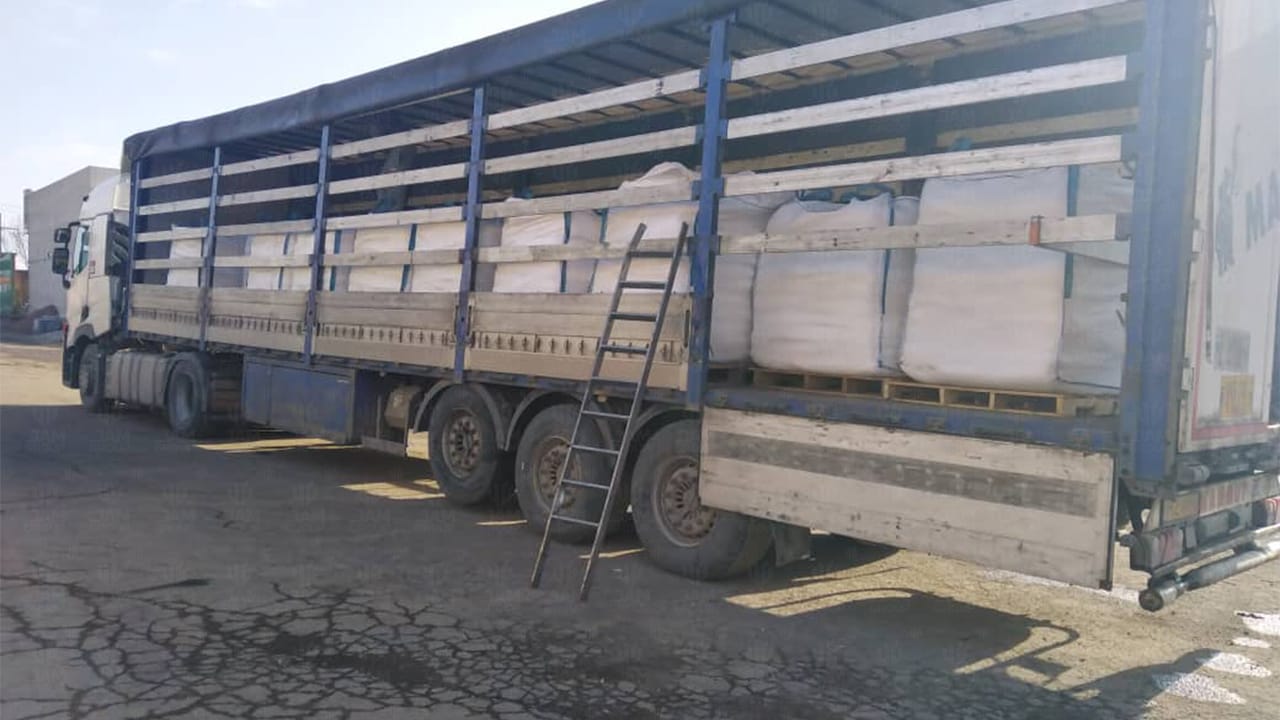
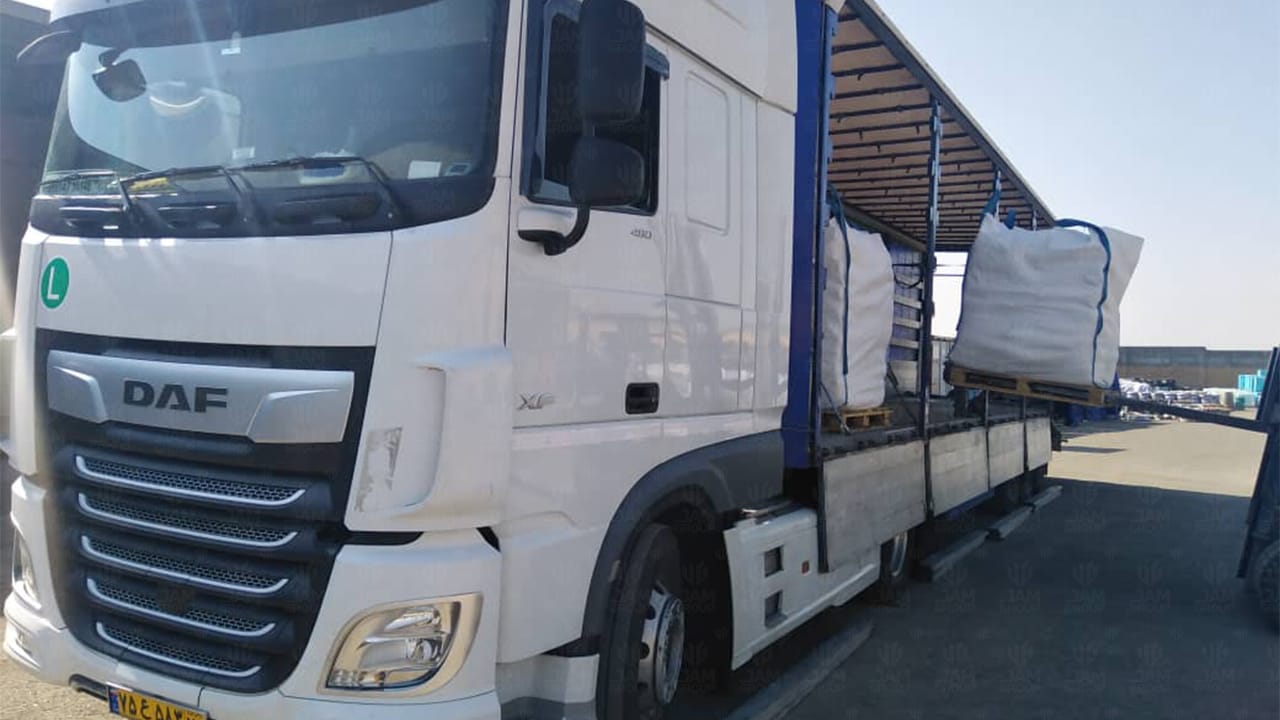
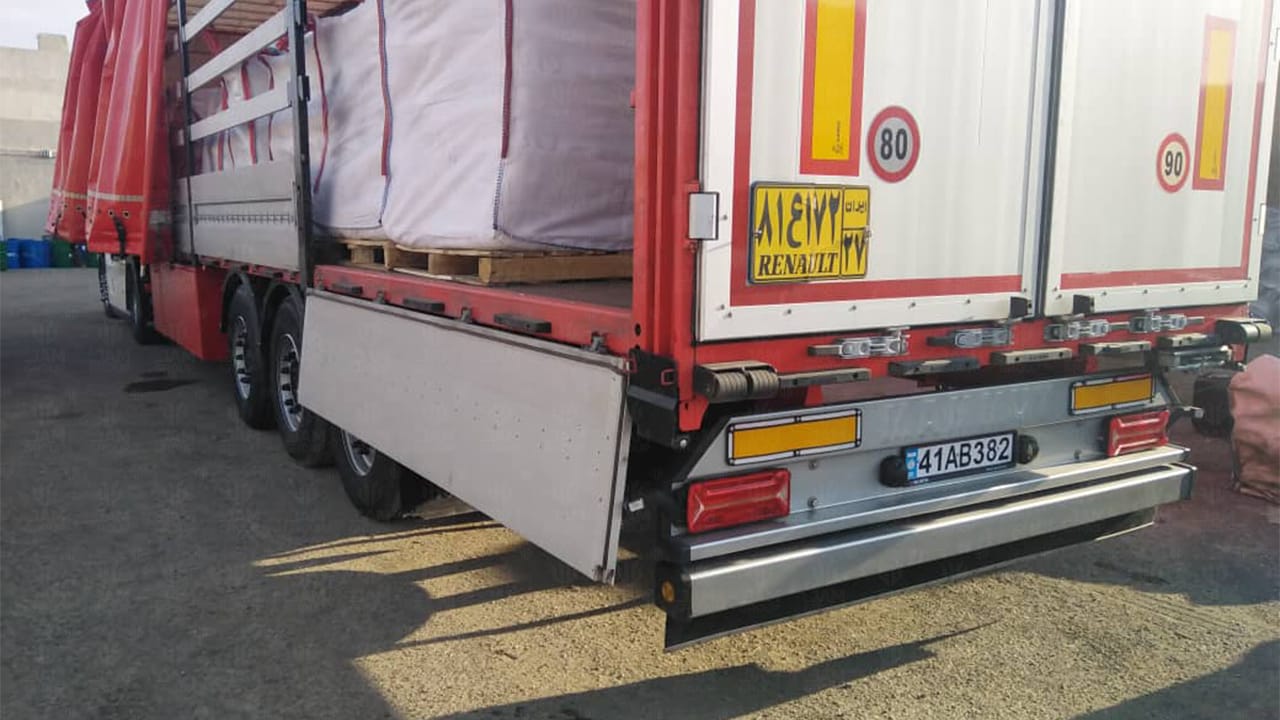
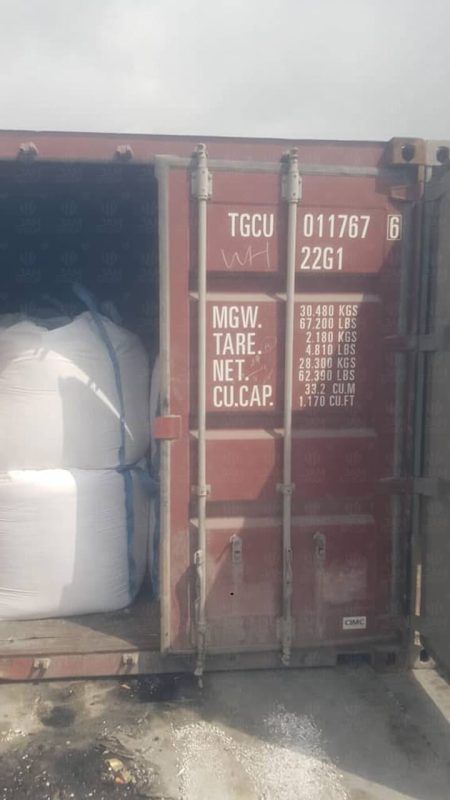
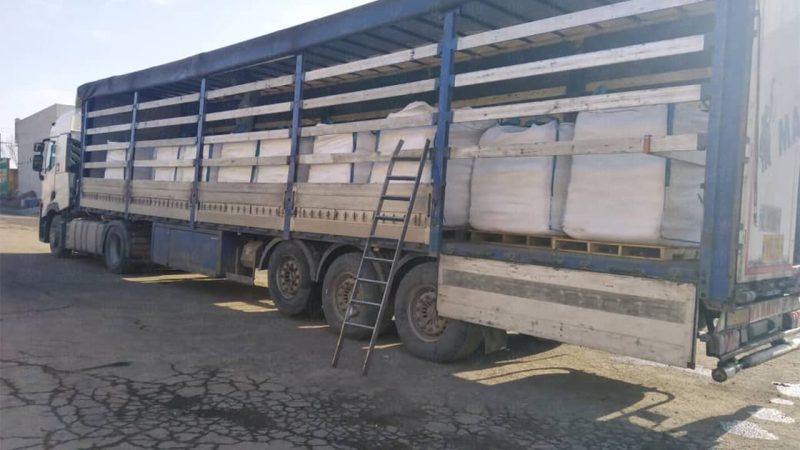
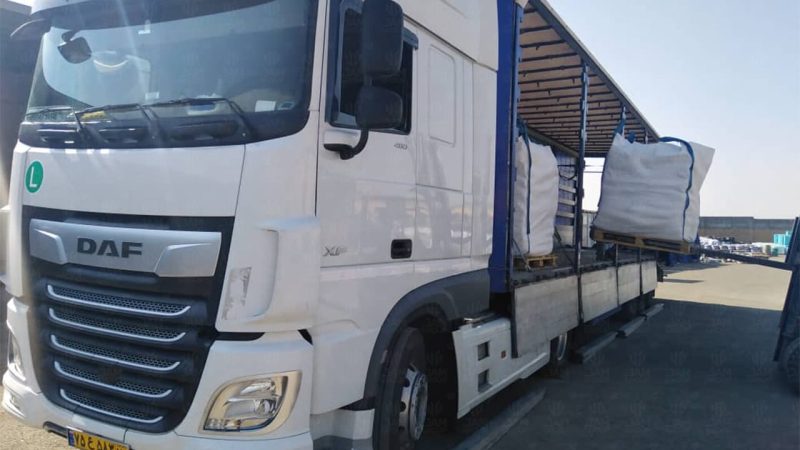
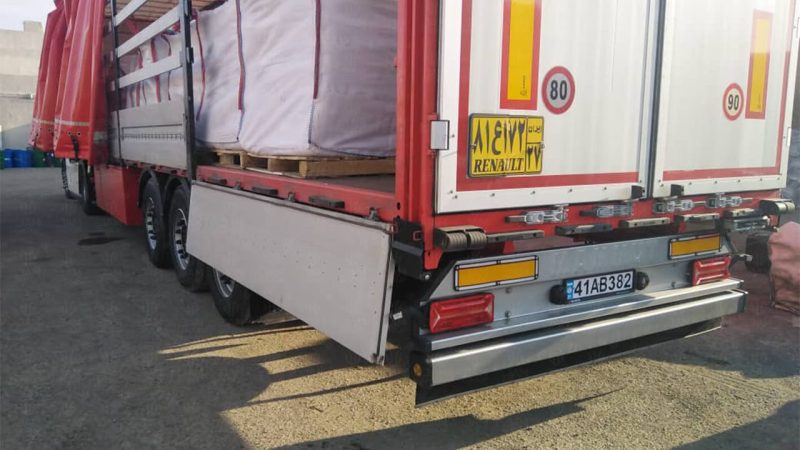
JAM Group Co. sources from Iranian barite deposits and regional partners, offering API-compliant drilling grade and industrial fillers. Typical packaging includes 1-1.5-ton jumbo bags or 25-kg sacks on pallets. We support EXW, FOB, CFR, and CIF terms, provide COA/SDS, and align MOQs and shipment schedules with project timelines and port constraints.
○What is Barite?
Barite, also known as baryte, is a naturally occurring mineral composed of barium sulfate (BaSO₄). It is known for its high specific gravity, whiteness, and chemical inertness. These properties make it valuable in oil and gas drilling, as a filler in paints, plastics, and rubber, and in radiation shielding materials.
○What are the main industrial uses of Barite?
Barite is primarily used as a weighting agent in drilling muds for oil and gas exploration to control pressure and prevent blowouts. It is also utilized in producing barium-based chemicals, as a pigment extender in paints, a filler in plastics and rubber, and in medical imaging applications.
○Where is Barite commonly found and mined?
Barite deposits are found worldwide, with major sources in Iran, China, India, Morocco, and the United States. It typically occurs in hydrothermal veins, sedimentary rocks, and limestone formations. The mineral often forms alongside ores of lead, zinc, and fluorite, making it a byproduct of polymetallic mining.
○What are the key physical and chemical properties of Barite?
Barite has a high specific gravity of around 4.5, making it unusually heavy for a nonmetallic mineral. It is colorless to white, though impurities may give it shades of blue, brown, or gray. Chemically, it’s insoluble in water and acids, giving it stability in industrial applications.
○Why is Barite important in the oil and gas industry?
In drilling operations, barite’s high density helps control well pressure and prevents blowouts by weighting the drilling mud. It also stabilizes boreholes and reduces formation damage. Without barite, drilling deep or high-pressure wells would be unsafe and less efficient, making it a critical mineral in energy exploration.
HOW CAN JAM GROUP HELP YOU?
Send us a message and our friendly team will get back to you within one business day.