


















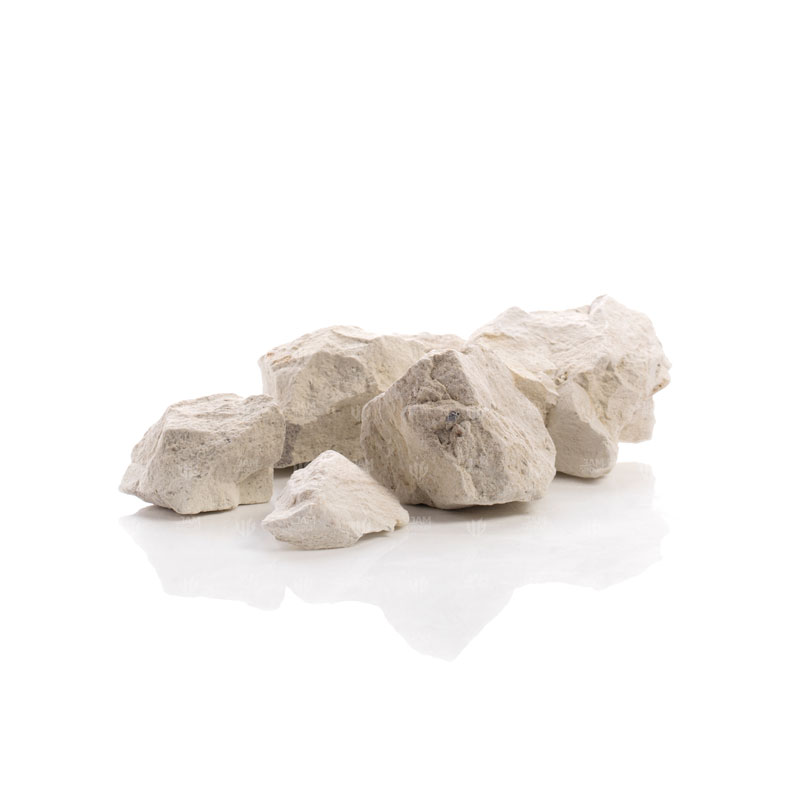

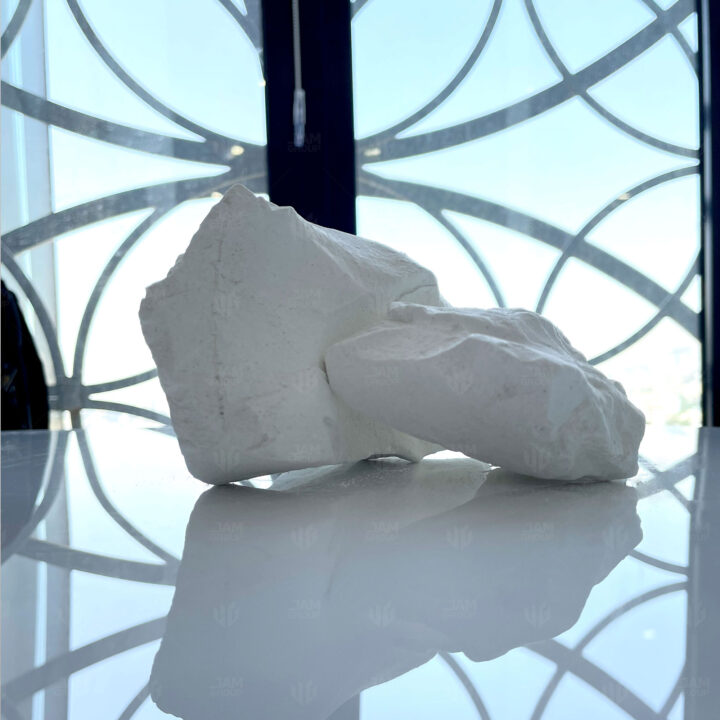
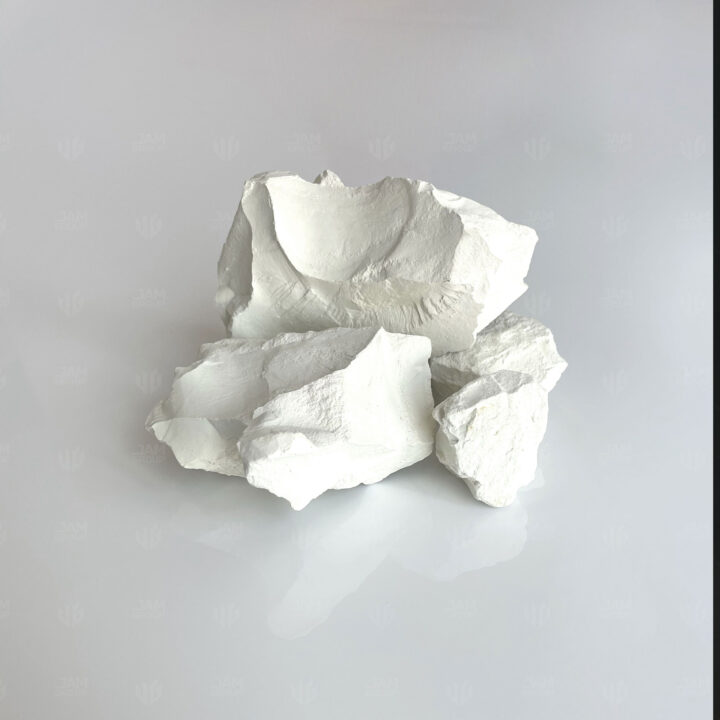
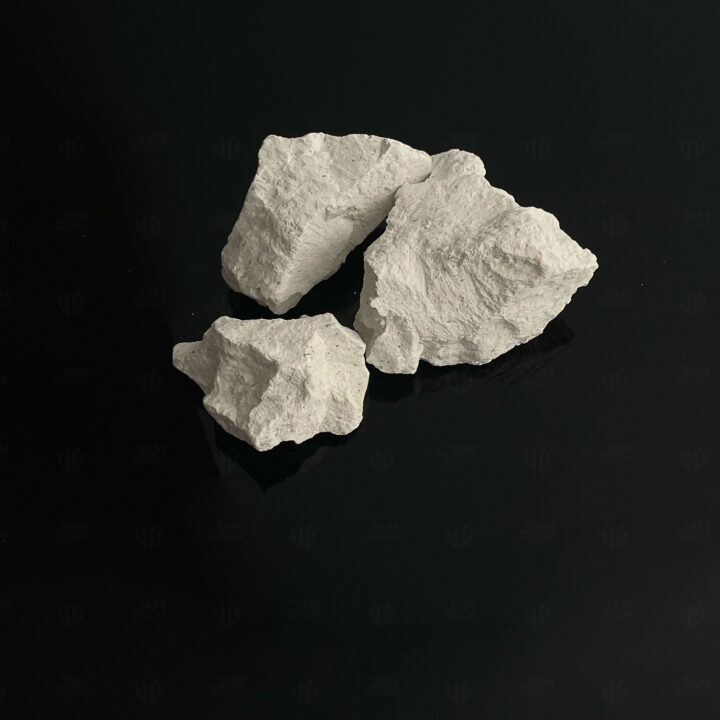
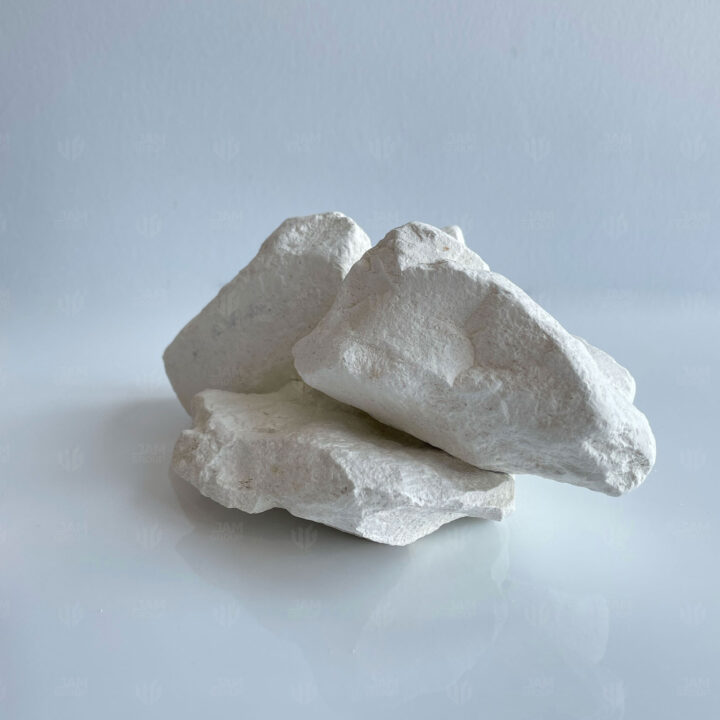
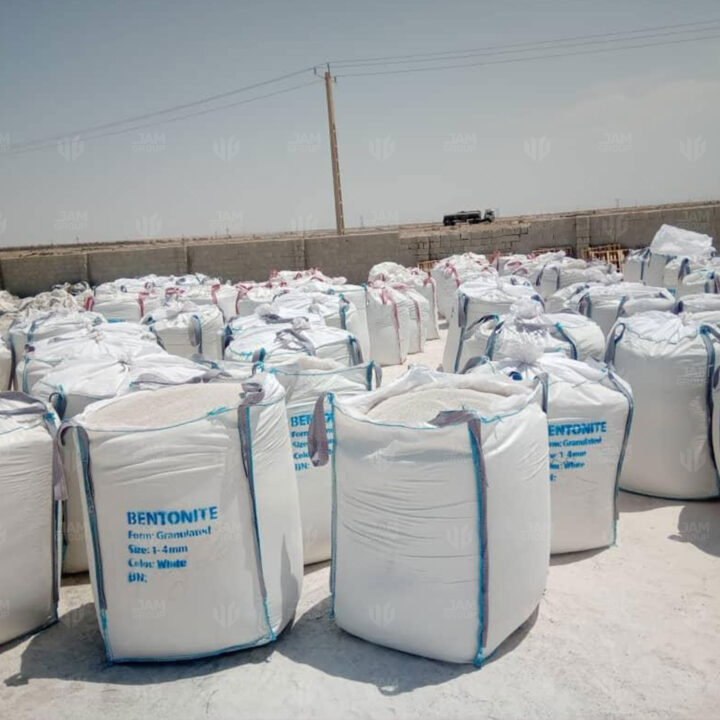
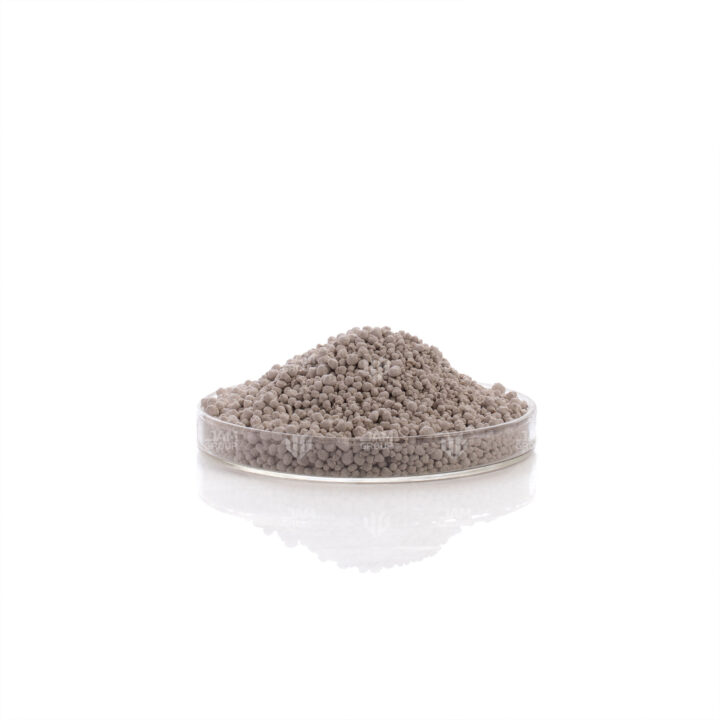
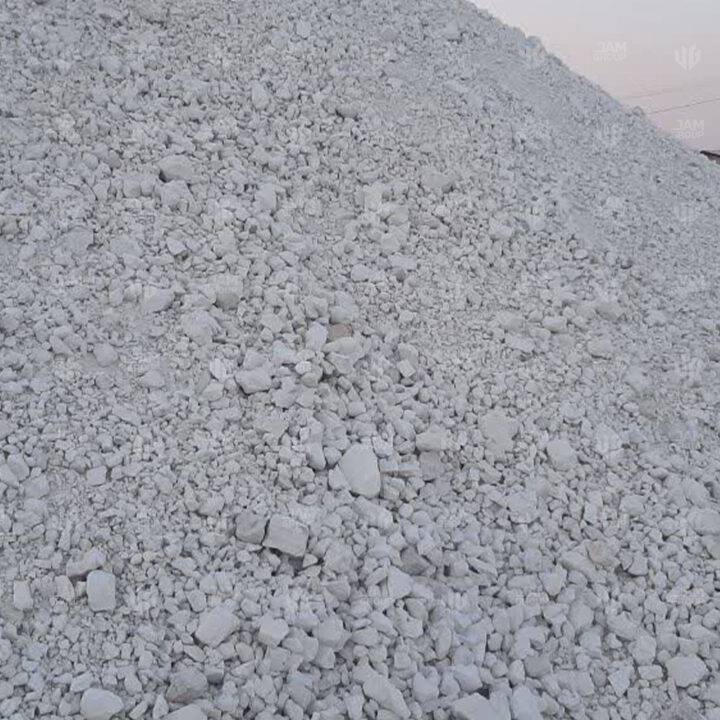
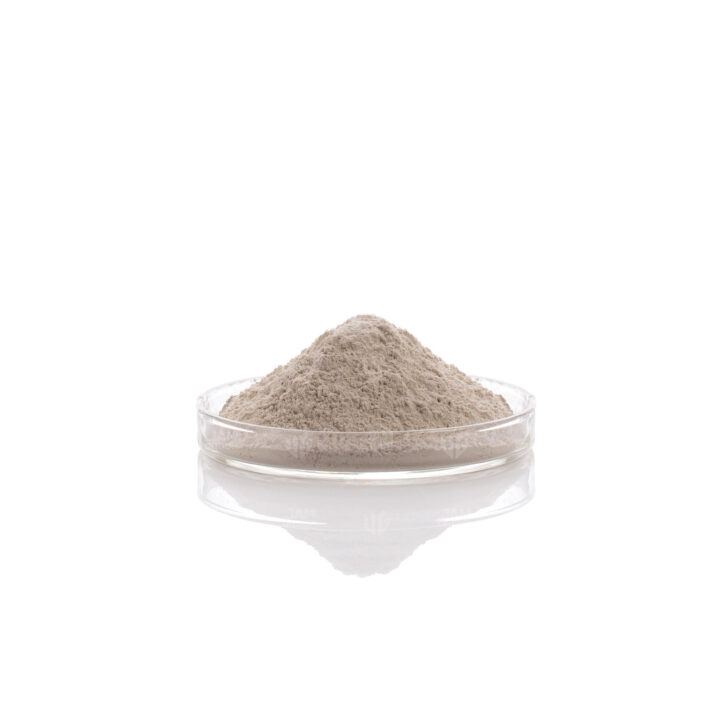
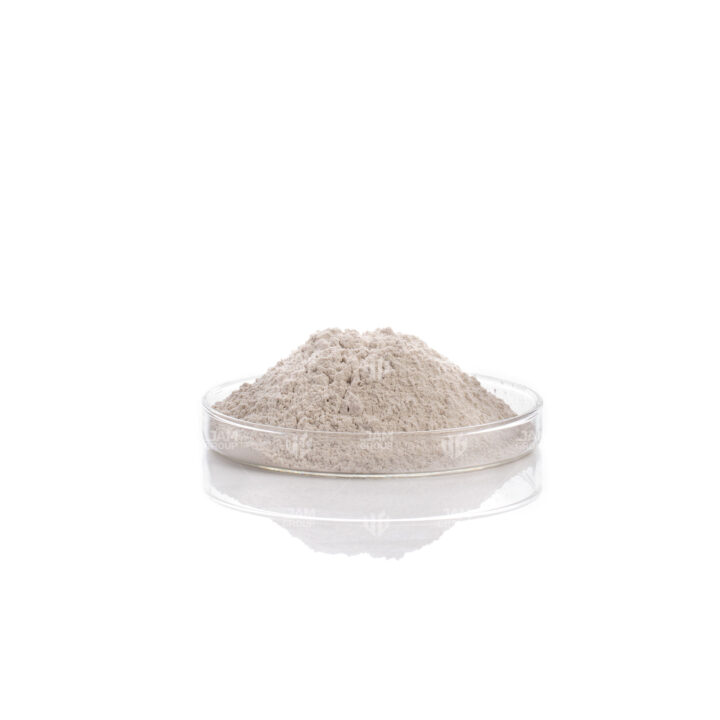
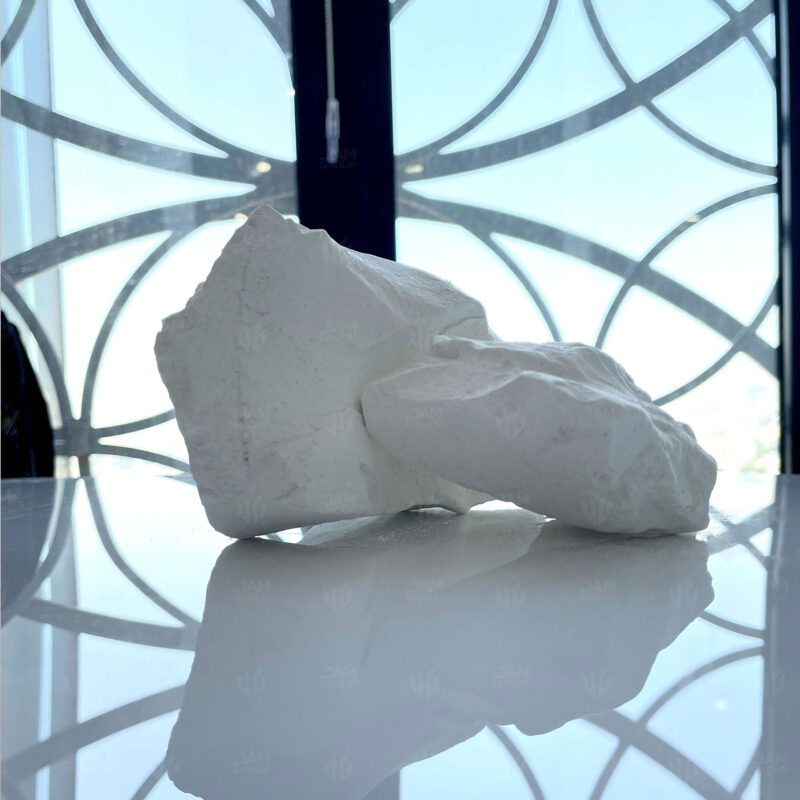
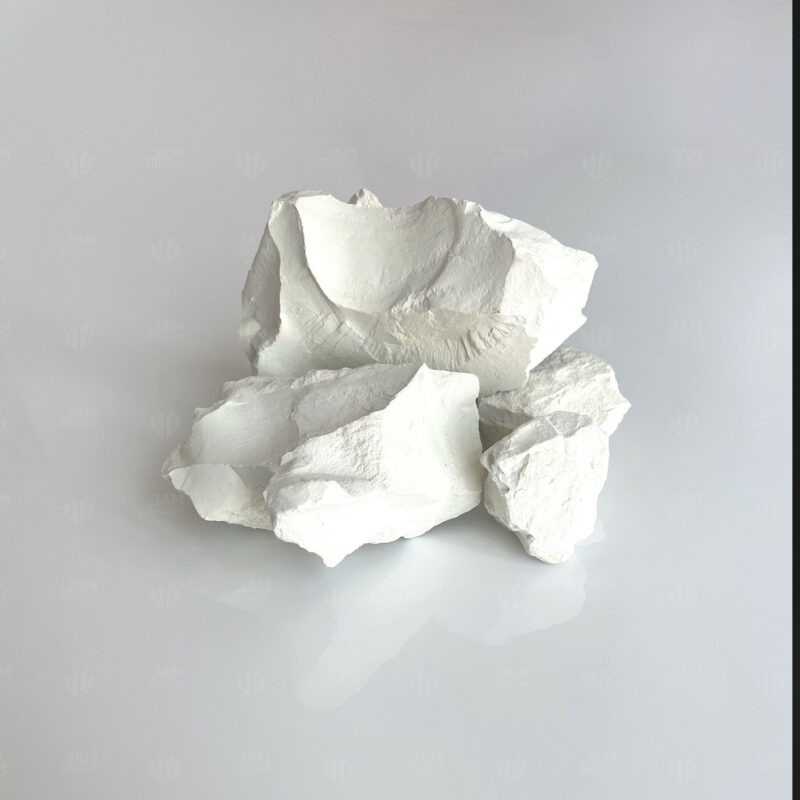
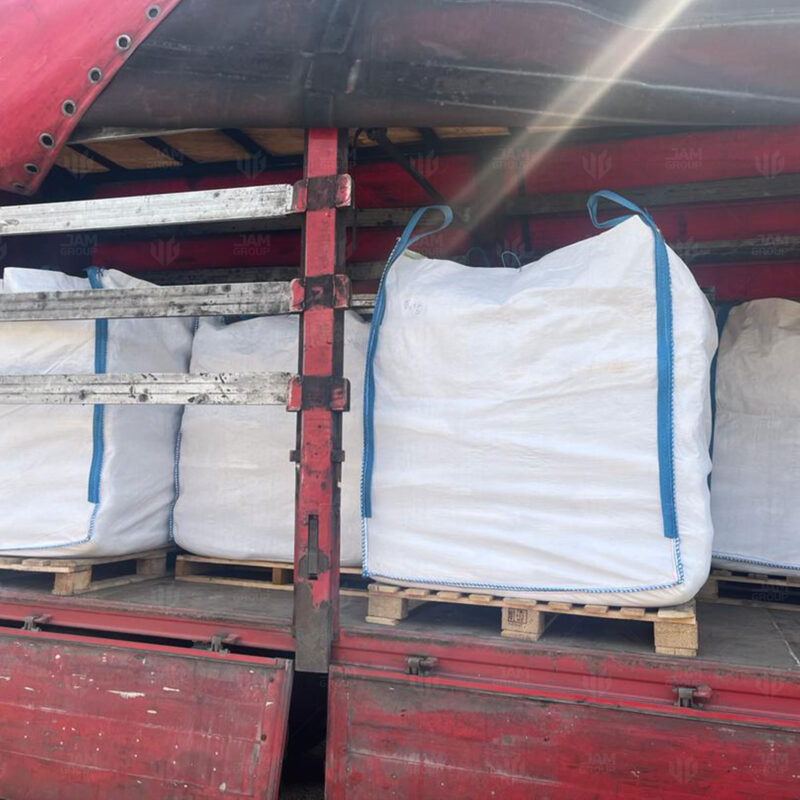
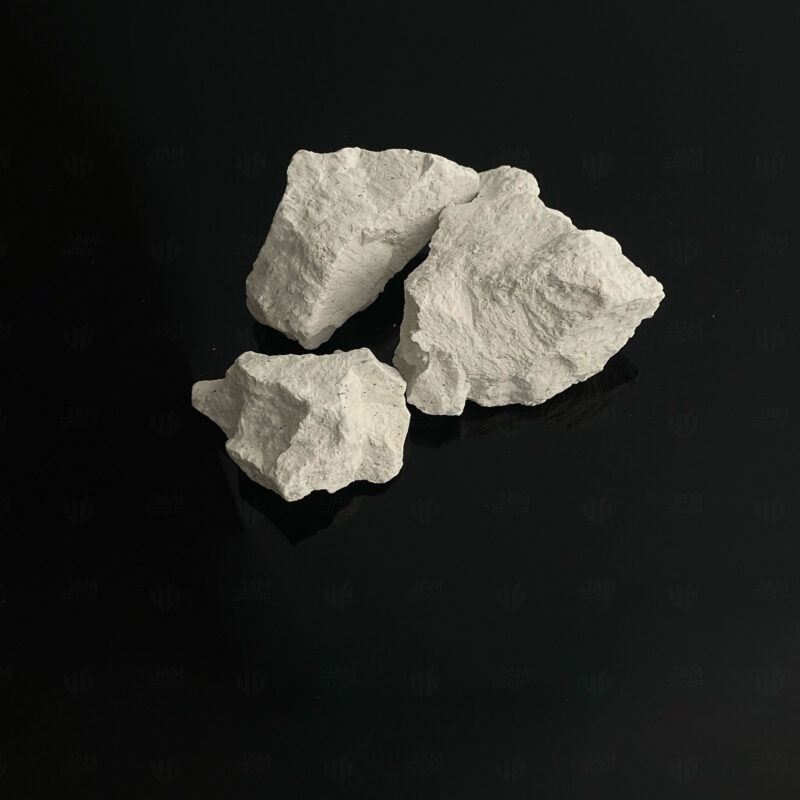
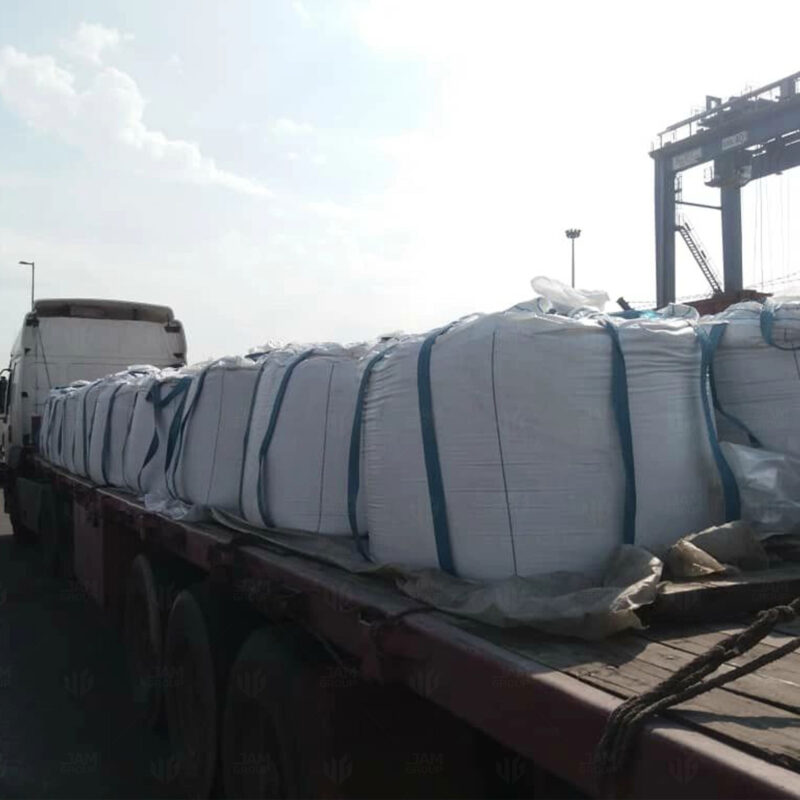
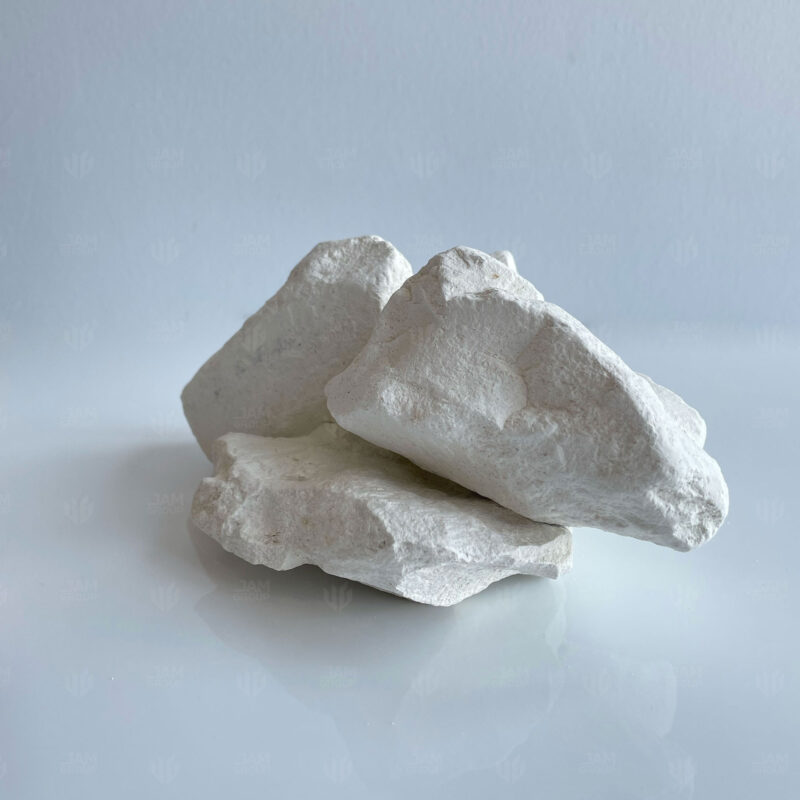
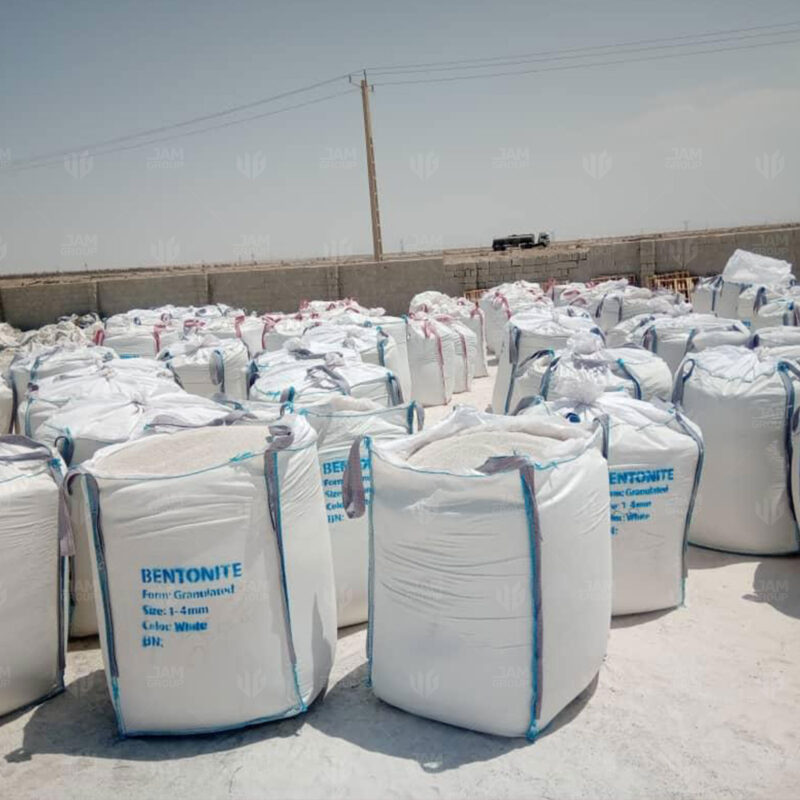
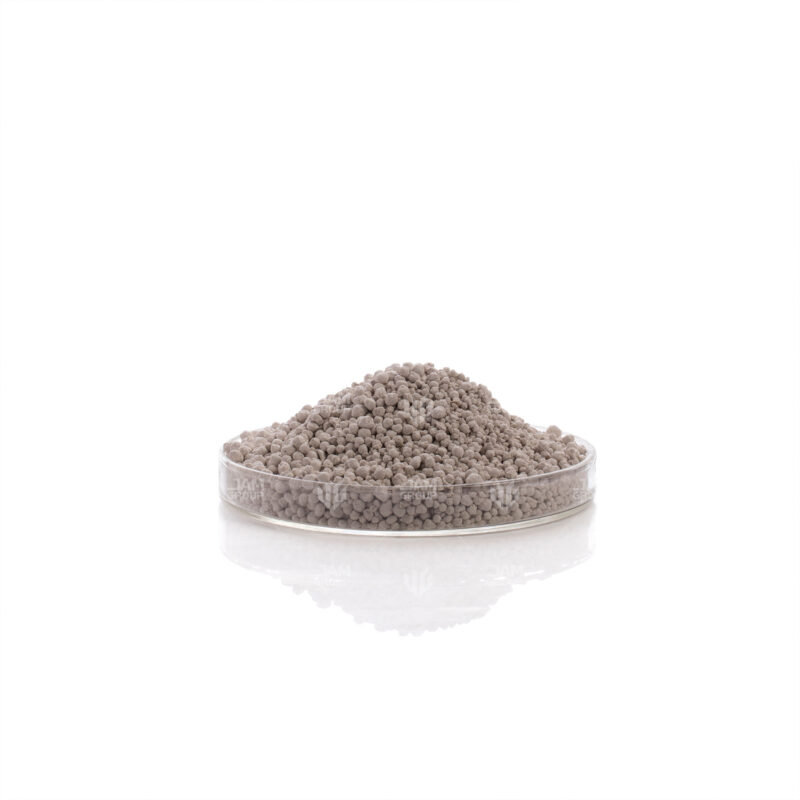
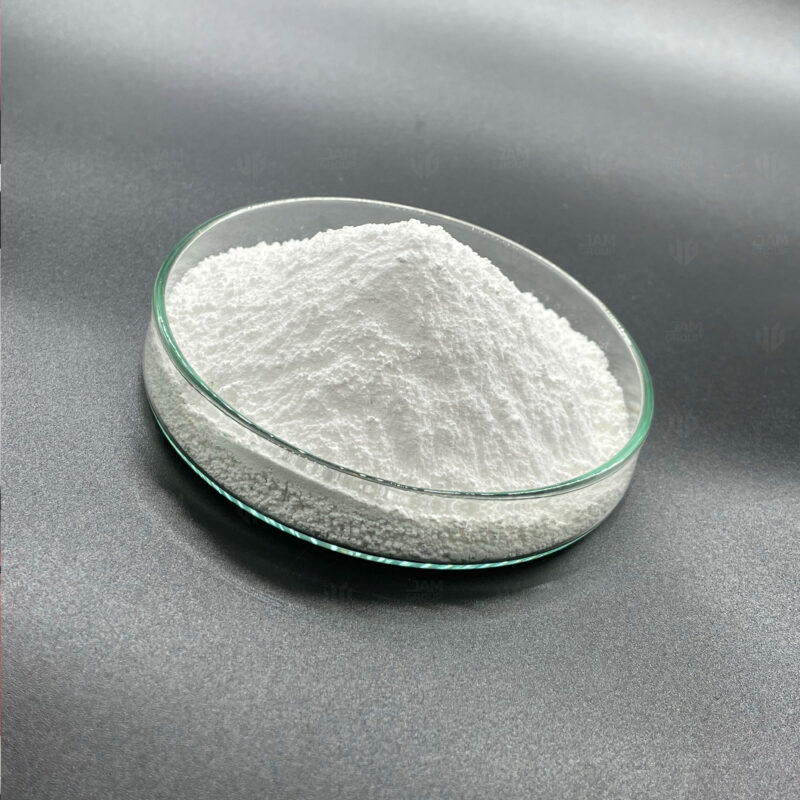
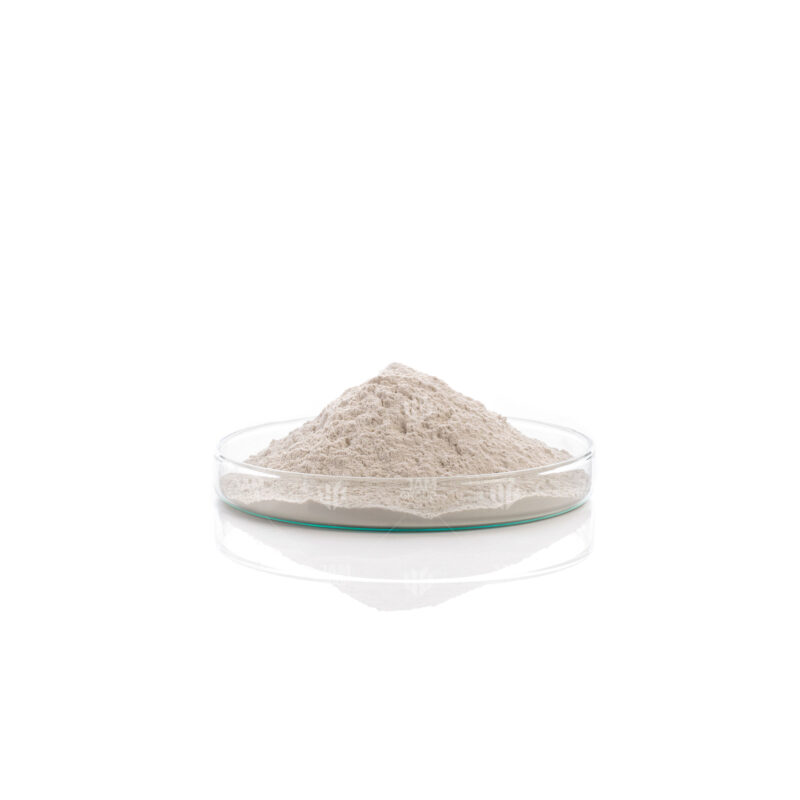
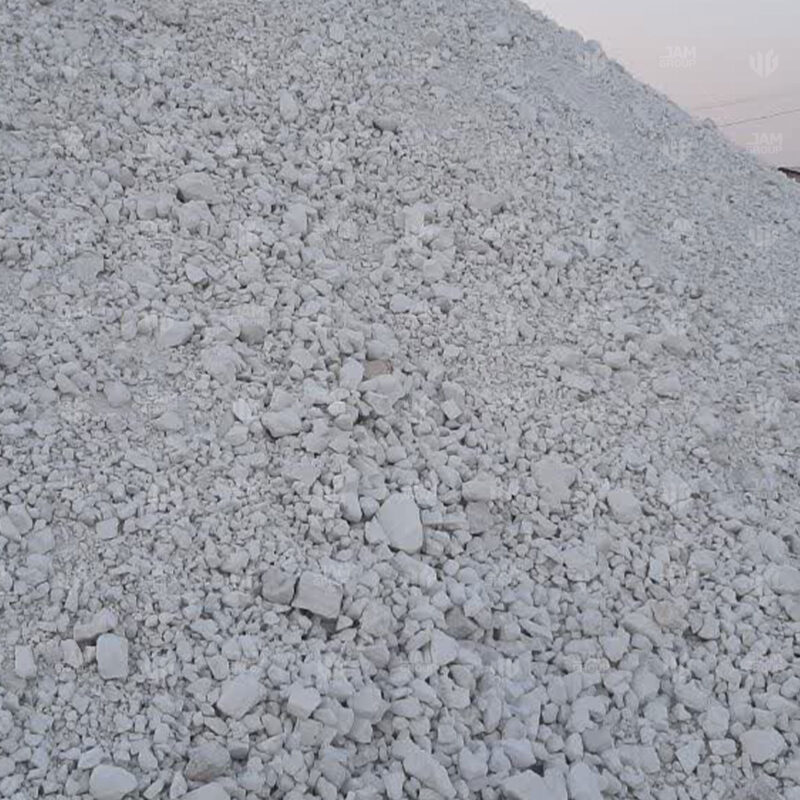
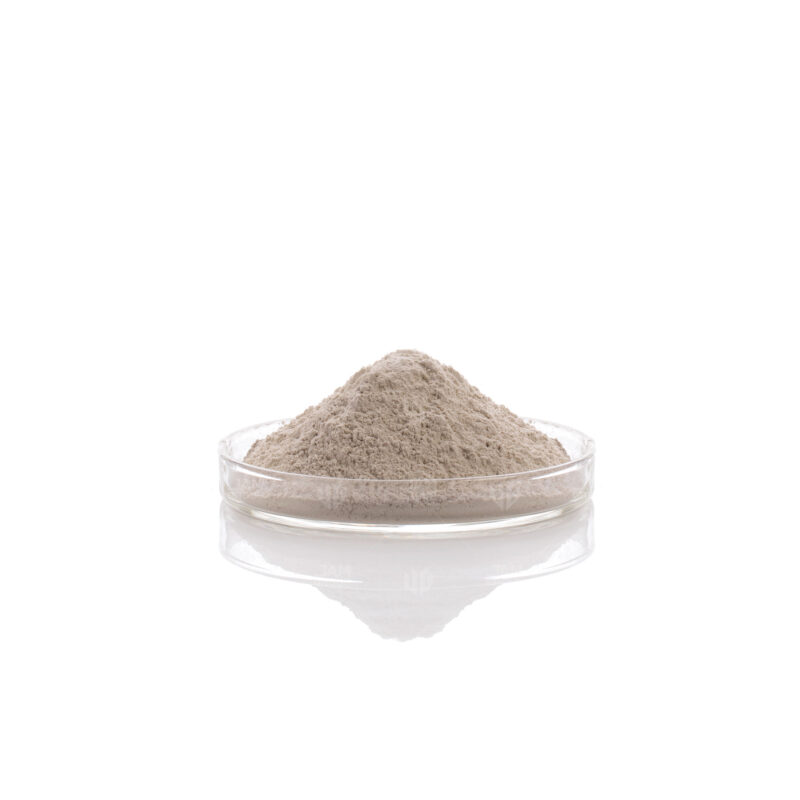
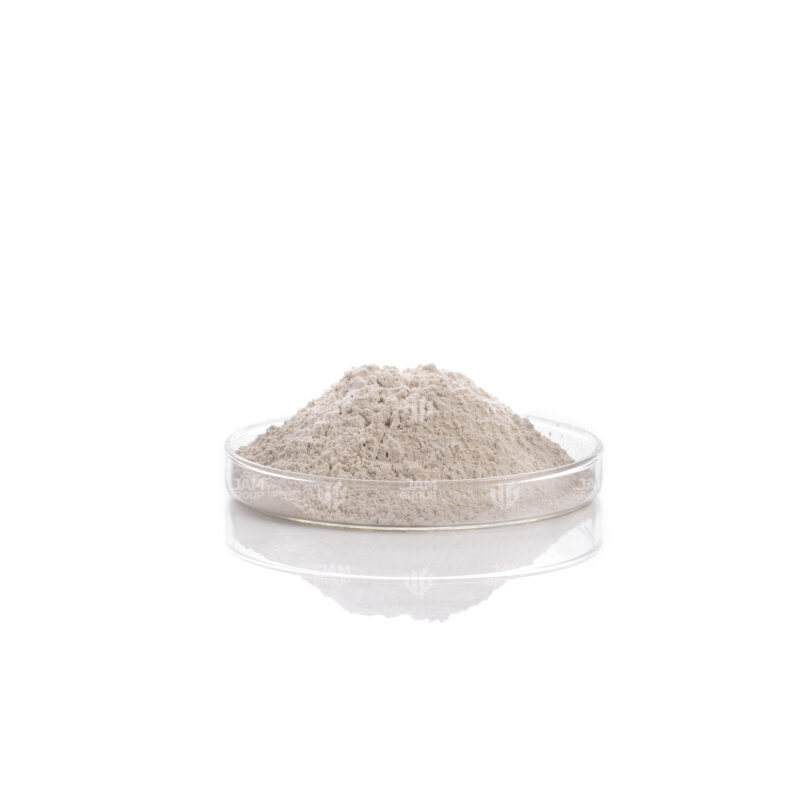
Having several Bentonite Mines and a well-equipped Bentonite Grinding Factory, JAM Group Co. is one of the best manufacturers and suppliers of all grades of bentonite such as High Yield, API, OCMA, Super White, and so on.
These grades are suitable for many industries such as Oilfield Drilling, Paint, Paper, Ceramic, Burial of Nuclear Waste and so on.
Bentonite clay has been used for thousands of years as both an internal and external purification aid. The Egyptians used it to preserve their famous mummies. The ancient Greeks and Romans used it to restore health. The great German naturopaths of the last century hailed clay as one of nature’s great remedies. Numerous so-called primitive tribes have used clay for both internal and external purification.
The American Indians were evidently the first to use Bentonite for its adsorptive properties. According to one Indian legend, a deposit of natural clay of miraculous medicinal qualities was used by the medicine men in the Bighorn Mountains of Wyoming and Montana. The Indians called this clay “ee-wah-kee,” meaning “the mud that heals” (H.H. Tiffany, written commun., 1966). The early pioneers used Bentonite from outcrops called “soap holes” to wash their clothes and to lubricate their wagon wheels (Thorson, undated).
Iranians have known Bentonite and its characteristics since far pasts and used Bentonite as mud shampoo, clay soap and etc. Nowadays Iran has many Bentonite mines and has a great ability to supply Bentonite into other countries. Iran’s Bentonites are famous because of their stunning characteristics. It’s JAM Mineral Company’s honor that can provide all necessary communications for Bentonite exporting.
What is Bentonite?
Bentonite clay is a fine-grained rock composed mainly of Montmorillonite minerals. The formation of Bentonite is an in situ alteration of rhyolitic volcanic ash. Pyroclastic material was ejected into the atmosphere by volcanic activity and deposited as sediment in a marine environment.
Bentonite clay is composed of microscopic platelets consisting of layers of aluminum hydroxide held between layers of silicate atoms. These platelets are stacked one on top of the other. If a gram of Bentonite were spread out only one particle layer thick, its billions of particles would cover an area greater than a regular football field.
There are two basic types of Bentonite, Sodium type and Calcium type:
Sodium Bentonite
Because of its high absorbency and clumping tendency, Sodium Bentonite is useful as a sealant. It is considered a safe, natural, nontoxic and inexpensive treatment for porous soils. Its swelling capacity gives Sodium Bentonite the ability to bond with soil and create and impenetrable barrier. Sodium Bentonite is also used for mud drilling, clumping cat litter, and as a bonding agent for feeds, medicines and cosmetics. Currently, Sodium Bentonite is being investigated as an absorbing agent to remove E-Coli bacteria from food.
Calcium Bentonite
Calcium Bentonite is referred to as “living clay” because of the belief found in many cultures that it is useful as a medicine. The practice of geophagy or “earth eating” is centered on the belief that some clays such as Calcium Bentonite is able to be safely ingested for the absorption and removal of toxins from the gastrointestinal tract. Geophagy is known to have been practiced by some Indigenous peoples of Australia and Africa. The modern alternative healthcare industry uses Calcium Bentonite extensively for internal and external toxin removal that is believed to be based on ion exchange. Consult your doctor if you are considering ingestion of any non-food substance.
Bentonite Occurrence
Bentonite occurs in sedimentary or volcanic sequences where it forms in-situ by the alteration of volcanic ash or tuff. Alteration processes may include deuteric alteration, hydrothermal alteration and sub-aqueous devitrification.
Most Bentonite deposits form under marine conditions or, less commonly, in alkaline lakes. Andesitic to Rhyolitic volcanic rocks are the most common primary source. The final chemical character of the Bentonite is dependent on the combined influences of the chemistry of the primary rock, the environment in which it was deposited and its post-formation history.
Bentonitic units are commonly laterally extensive strata within volcanogenic sedimentary sequences. They may vary in thickness from a few centimeters to tens of meters, and range from Permian to Pleistocene in age. The most economically important Sodium-Bentonites tend to be associated with Jurassic or younger volcanic rocks. This is because Smectite clays are unstable at higher pressures, and Bentonite is increasingly transformed into mixed Illite Smectite with increasing depth of burial.
Quality Requirements for Bentonite Clay
Quality requirements for the bentonite depend on purpose (buffer on backfill) and used material. Preliminary required values for the buffer bentonite are presented in below table. The values are set based on current knowledge. The required values may be updated along with increasing amount of information and test data on suitable buffer bentonites.
| Property | Specification | Test Method |
| Chemical Type | Hydrated aluminum phyllosilicate; sodium/calcium montmorillonite | XRD / XRF |
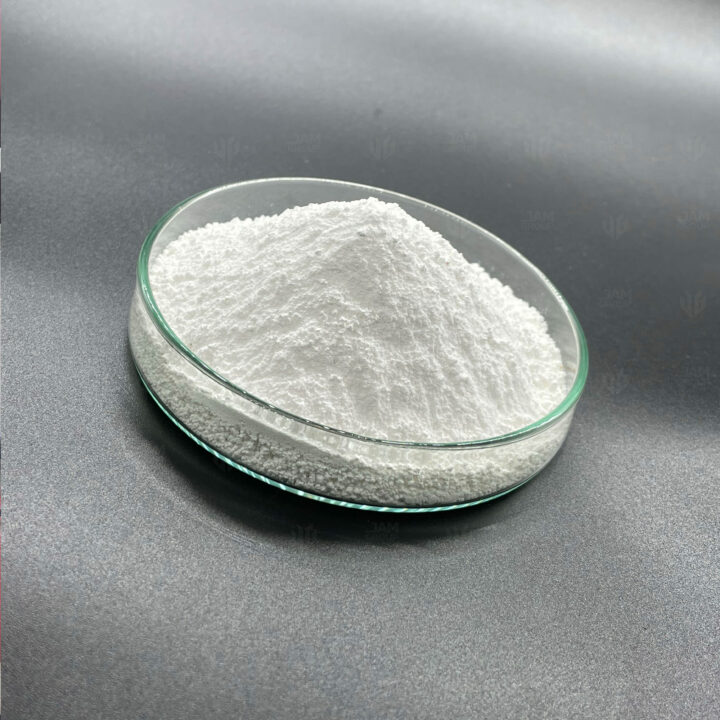
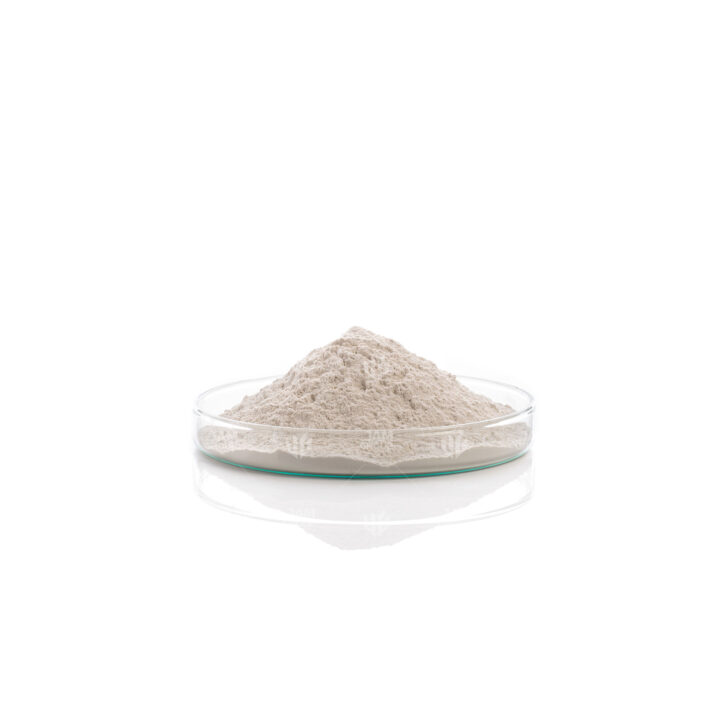
| Appearance | Fine cream to light‑grey powder; free‑flowing, low grit | Visual / sieve check |
| Whiteness/Brightness | ≥ 70 (powder pigments, typical) | ISO 2470 / ISO 2469 |
| Moisture (as packed) | ≤ 12 wt% | ISO 787‑2 (105 °C oven) |
| Montmorillonite Content | ≥ 60-80 wt% (grade‑dependent) | XRD (Rietveld) |
| pH @25 °C (5% slurry) | 7.5-10.0 (grade‑dependent) | ISO 10523 |
| Specific Gravity (solid) | 2.4-2.8 | ASTM D854 |
| Bulk Density (loose) | 0.60-0.90 g/cm³ | Scott volumeter (ASTM B329) |
| Swell Index (2 g in water) | ≥ 24-30 mL/2 g (sodium grade) | ASTM D5890 |
| Methylene Blue Value (MBV) | ≥ 250-400 mg MB/g | ASTM D7503 |
| Particle Size (Residue on 75 μm) | ≤ 5.0 wt% | ISO 3310 (sieves) / ISO 13320 (laser) |
| Cation Exchange Capacity (CEC) | 60-100 meq/100 g (sodium grade) | ISO 11260 (ammonium acetate) |
| Soluble Alkaline Earths (as Ca) | ≤ 500 mg/kg (drilling reference) | API 13A / ICP‑OES |
| Iron (as Fe₂O₃) | ≤ 3.0 wt% (light grades) | XRF / ICP‑OES |
| Loss on Ignition (1000 °C) | 6-15 wt% | ISO 1158 / ASTM D7348 |
| Shelf Life | 24 months if kept dry and sealed | Retain re‑test (moisture/swell) |
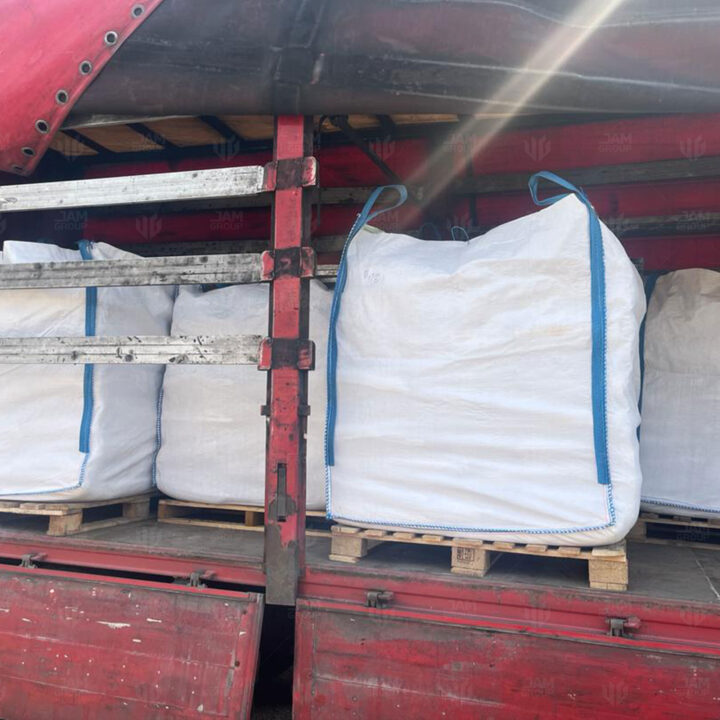
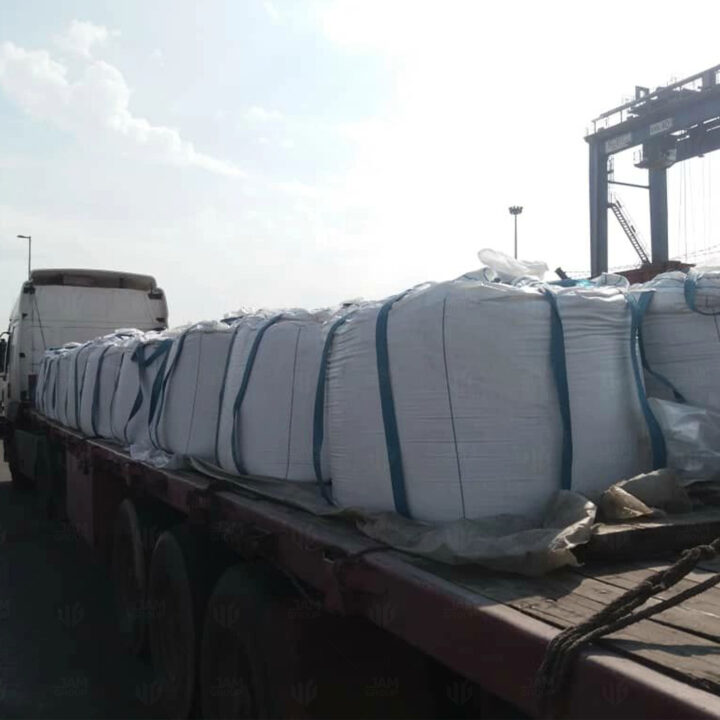
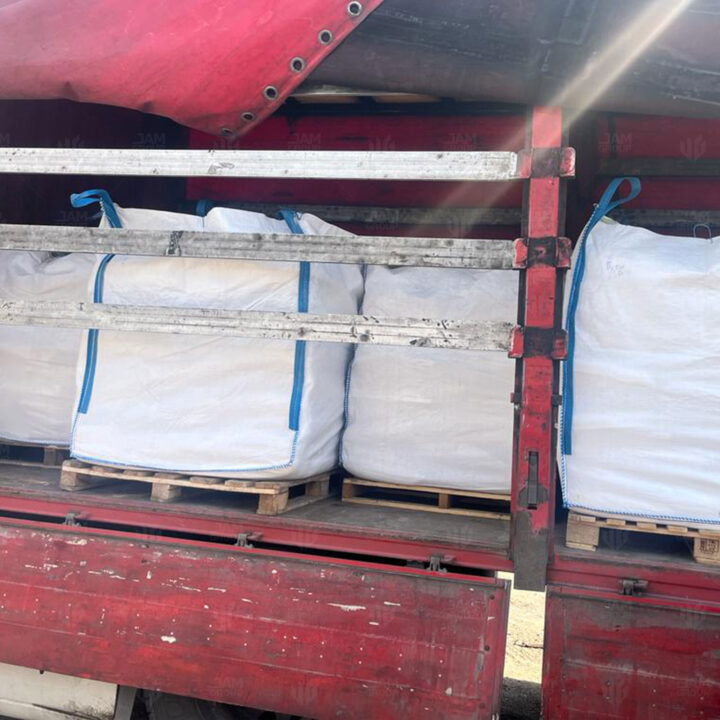
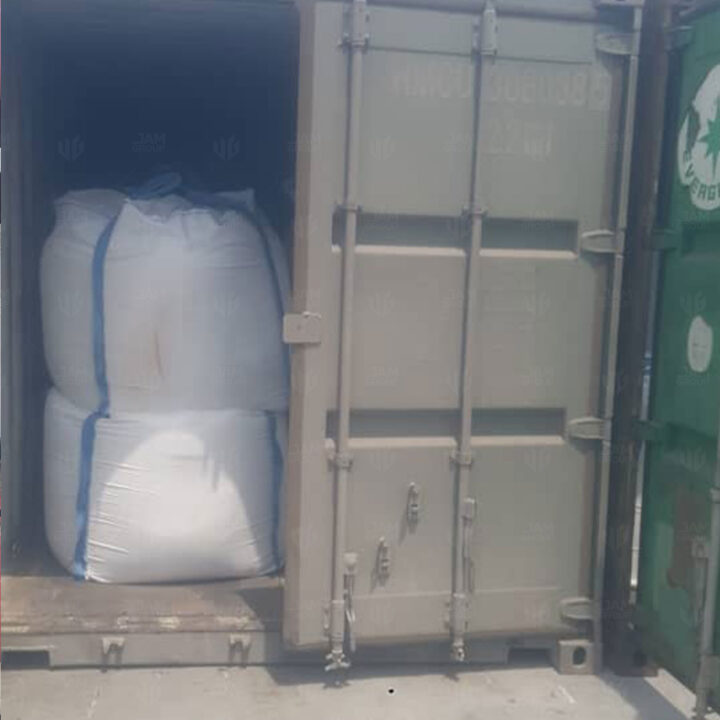
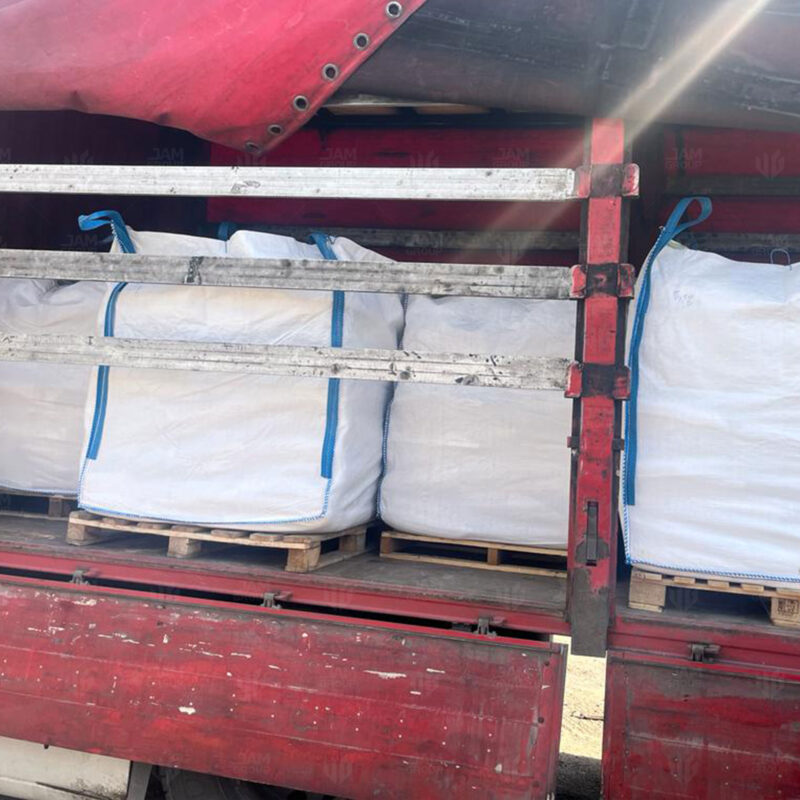
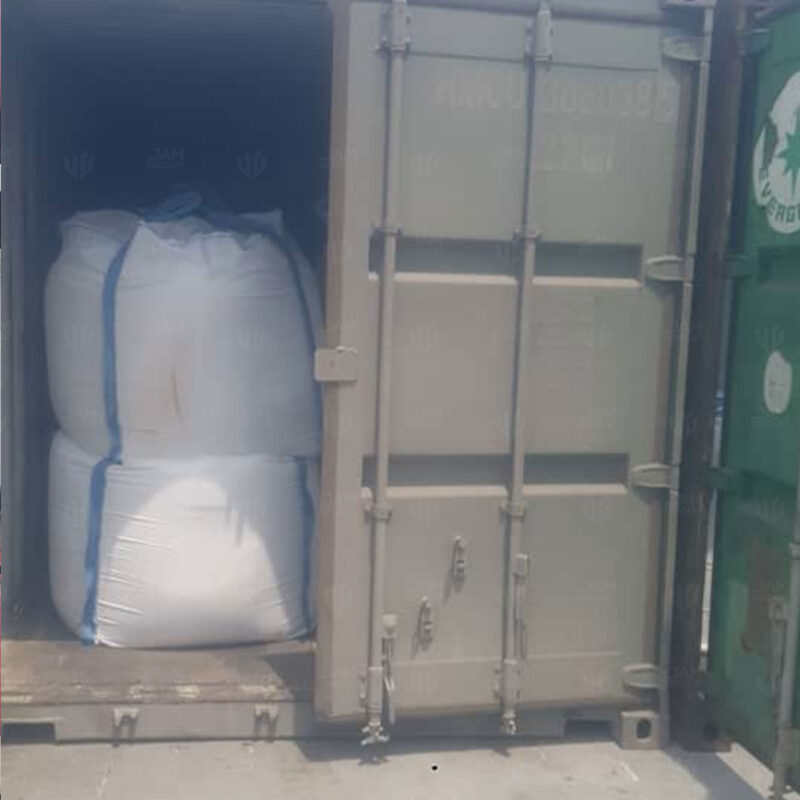
| Packing | 25 kg bags; 1,000-1,250 kg jumbo bags; bulk on request | – |
| Storage | Cool, dry, covered; avoid moisture and contamination | – |
Bentonite has high swelling properties along with good viscosity and liquid limit. These properties are highly valued in most of the industrial applications. Sodium bentonite is well suited as a binder in the preparation of pellets and in foundry and as oilwell drilling mud. Bentonite also acts as a suspending agent in oil well drilling fluids. Bentonite exhibits good green strength along with high hot and dry strength which helps in preventing moulds from breaking or cracking during the pouring or cooling process in the foundry industry. Owing to high green strength resulting from its property to absorb and then release moisture, bentonite is used in iron ore pelletisation. Sodium-based bentonite of 75 micron size finds suitability in iron ore pelletisation for bonding by user industries. Bentonite clay is also used in pyrotechnics, to make end plugs and rocket engine nozzles. The substance’s applications include:
- Drilling:
Owing to its rheological properties and thixotropy of aqueous suspensions, bentonite is used as a mud constituent for oil and water well drilling. Its functions are mainly to stabilise the borehole, seal the borehole walls, and remove drill cuttings. Bentonite muds are thus employed for oil and water well drilling, tunnel, and microtunnel drilling.
- Foundry:
Bentonite is used as a bonding material in the preparation of moulding sand for the production of cast iron, steel, and non-ferrous casting. The unique properties of bentonite yield green sand moulds with good flowability, compactability, and thermal stability for the production of high quality castings.
- Surface Coatings:
the gel structure in water based Coatings assists the suspension of other Pigments. It also enhances application properties and prevents the applied film from sagging.
- Paper Industry:
White Bentonite MB has the ability to scavenge for organics such as pitches and stickies. It is also used in Retention Aid Systems and to control ink and adhesive penetration.
- Ceramics:
because of its relatively pure nature and stong binding properties, White Bentonite MB can be used to improve the ‘green strength’ of ceramic bodies.
- Adhesives and Sealants:
gels formed from White Bentonite MB are particularly useful in structuring products which are subject to changes in pH during their manufacture. Applications include toilet cleaners, machine dishwashing liquids, cream cleaners, liquid detergents, oven cleaners and in powder detergents as a natural fabric softener.
- Civil engineering:
Bentonite slurries are used in the construction of special foundations for digging diaphragm walls and bored piles. In geothecnical engineering, bentonite is used for self-hardening mixtures employed to build cut off walls, grouting mortars, and grouting. Finally, bentonite waterproofing properties are best exploited in environmental engineering, to seal off soil infiltrations, and line the base of landfills.
- Water treatment:
Due to its ion exchange, flocculation, and sedimentation properties, bentonite is used in environmental protection for water clarification, and as an aid to polyelectrolites and inorganic flocculants.
- Agriculture:
Bentonite is used as an ion exchanger for soil improvement and conditioning. It is also used for gardening in soil compounds and mixtures to absorb humidity, and as a carrier for various herbicides and pesticides.
- Cat litter:
Owing to its swelling property, bentonite is used for cat litter, due to its advantage of absorbing refuse by forming clumps.
- Pharmaceuticals, cosmetics, and spa mud therapy:
Bentonite is used as a filler in pharmaceuticals, and for its absorption/adsorption functions. It is also employed in creams, face-powders, and spa mud preparations.
- Detergent additive:
Bentonite is used in detergents to soften the fabrics. Liquid cleansers/soaps rely on the inclusion of bentonite as a suspension agent and viscosity enhancer.
○Can JAM Group Co. customize specifications and support trials?


Yes. We tailor swelling index, rheology, filtrate loss, PSD, and moisture through selective mining, sodium activation, milling, and blending. Lab batches ship with COAs; representative samples are available for pilot tests. Typical lead times are scheduled against MOQs and vessel space, with continuity ensured via buffer stock and multi-lot consistency controls.
○How does JAM Group Co. supply bentonite internationally?
JAM Group Co. offers various grades for drilling, geosynthetics, foundry, litter, and cosmetics. Standard packaging includes 1–1.25-ton jumbo bags and 25-kg sacks on pallets. We support EXW, FOB, CFR, and CIF terms, provide COA/SDS, and coordinate moisture-controlled loading, fumigation, and third-party inspections upon request for smooth customs clearance.
○Sodium vs. calcium bentonite—how do I pick?
Choose sodium bentonite when you need strong swelling and gel strength (drilling, sealing, clumping). Pick calcium bentonite for gentler swelling and better absorption/flow (granulation, purification, cosmetics). If unsure, run a small test: mix with water, check viscosity and clump strength, then compare cost-in-use per application.
○What should I know before using bentonite in drilling fluids?
Bentonite increases mud weight slightly, builds viscosity, and controls fluid loss. It performs best in fresh water and a mildly alkaline pH. Salt, calcium, or magnesium can reduce yield, so treat make-up water if needed. Mix slowly with good shear, allow hydration time, and monitor funnel viscosity and filtrate.
○Can bentonite seal ponds or support liners effectively?
Yes—when properly hydrated and confined. For blanket applications, distribute evenly and compact in thin lifts; for geosynthetic clay liners (GCLs), keep overlaps tight and protect from drying before backfill. Performance drops with very salty water, so check site chemistry and, if necessary, use a polymer-enhanced product.
○How is bentonite used as a binder in pellets or granules?
Small additions help particles stick during forming and keep their strength during drying and handling. Start with low dosages, then adjust to balance strength and product purity. Too much binder can increase ash or gangue; pairing with an organic aid sometimes keeps strength while limiting non-product solids.
○Any simple handling and safety tips for bentonite?
Store dry, off the floor, and sealed to prevent premature clumping. Add powder slowly to water (not water to powder) to avoid lumps. Use basic dust protection during handling, and keep product labels straight—industrial, cosmetic, and food-grade materials differ. For skincare, do a small patch test first.
HOW CAN JAM GROUP HELP YOU?
Send us a message and our friendly team will get back to you within one business day.