




















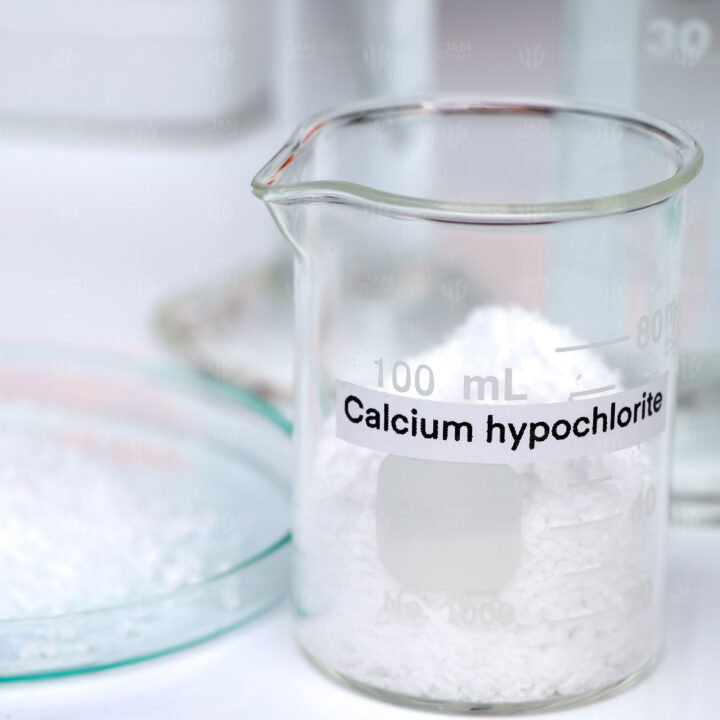


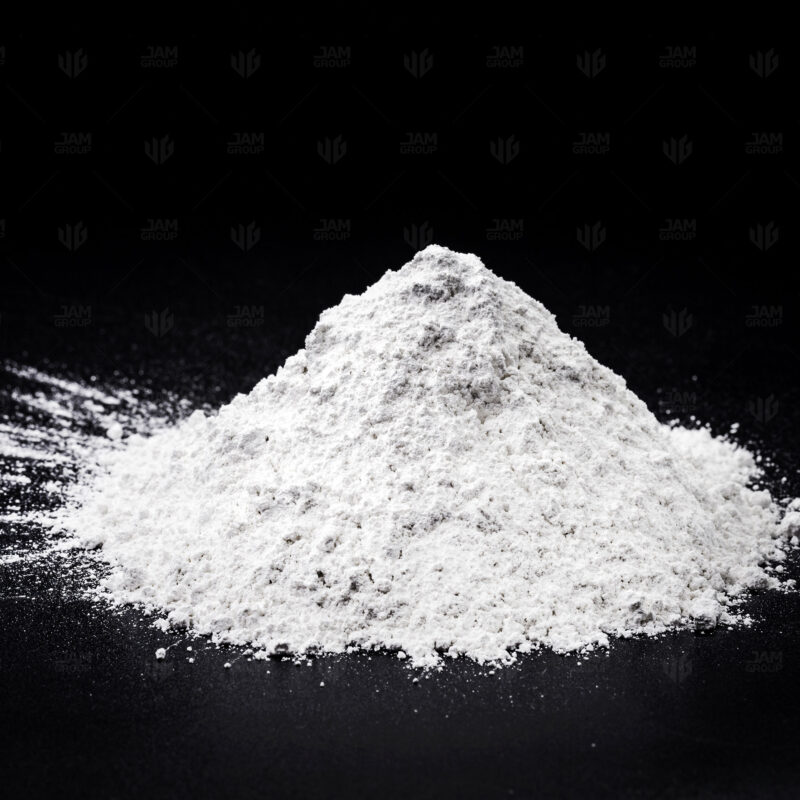
Calcium Hypochlorite is chosen when a site needs strong disinfection from a dry product that can be stored and shipped more easily than liquid bleach. Buyers often use it to prepare a chlorine solution on demand, so dosing can be adjusted to changing water quality or sanitation needs. Its practical value is linked to “available chlorine”, meaning the amount of active chlorine it can release in use. Because it is an oxidizer, good handling is part of performance: humidity, heat, and contamination can reduce strength or create safety issues. Let’s examine how to specify and manage this material in a buyer-focused way.
For industrial chemicals, a specification on paper is only useful if each shipment matches it. Calcium Hypochlorite can vary by grade and finishing method, so procurement should rely on documented lot control instead of assumptions. In practice, this means requesting a Certificate of Analysis for every batch, confirming the supplied form, and checking that the Safety Data Sheet fits the shipped classification. JAM Holdings Group supports buyer receiving checks by organizing documentation, batch identification, and export-ready paperwork aligned with the purchase contract.
What is Calcium Hypochlorite?
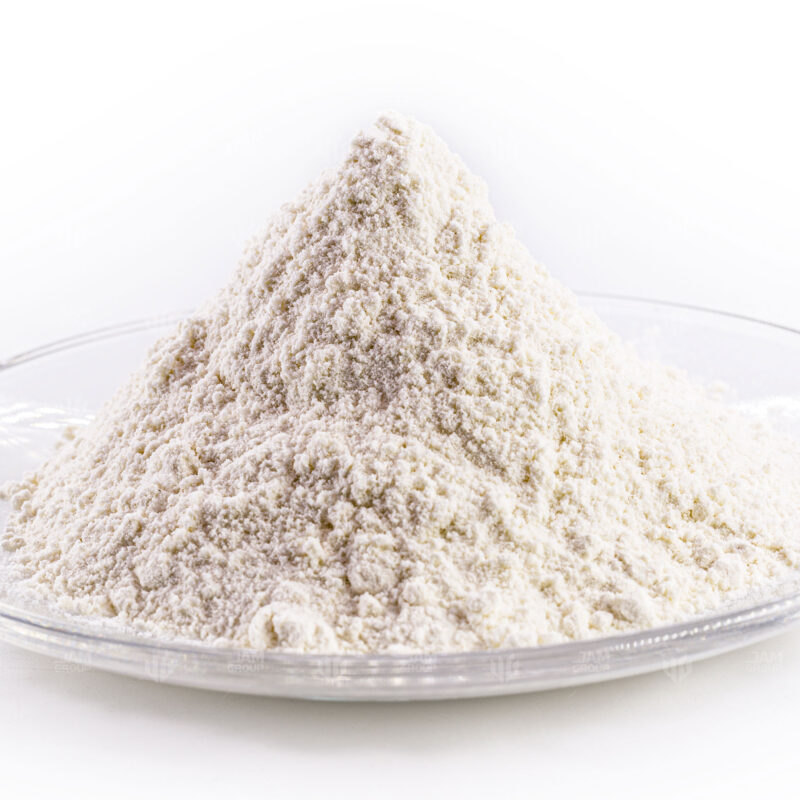
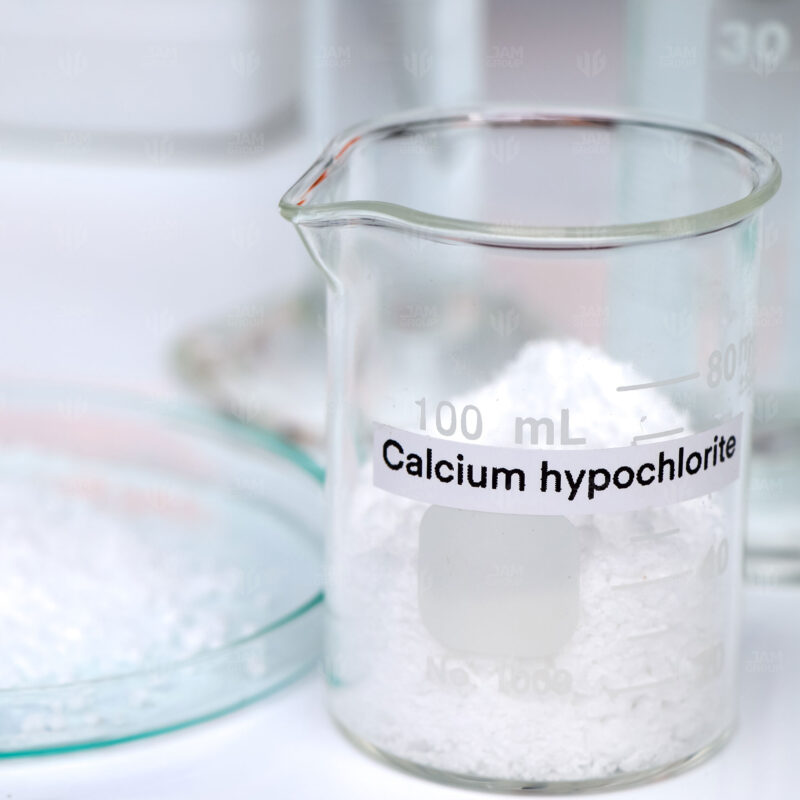
Calcium Hypochlorite is an inorganic, chlorine-releasing compound supplied as a solid disinfectant and oxidizer. It is commonly referenced by the formula Ca(OCl)₂, but commercial products may contain related calcium salts and different water content depending on grade. It is typically supplied as white to pale yellow granules or tablets, designed for safer handling and controlled dissolution. When it contacts water, it forms hypochlorous species that kill microorganisms and oxidize many contaminants. For buyers, the key performance language is “available chlorine,” which links directly to dosing and cost-in-use.
Chemical & Physical Specifications of Calcium Hypochlorite
Specifications for Calcium Hypochlorite should be written in a way that protects performance during storage, solution make-up, and dosing. The headline number is available chlorine, because it drives the required dosage. However, moisture, insoluble residue, and physical form also matter. Moisture can accelerate decomposition and cause caking, while high insolubles can leave sediment that blocks injectors or reduces solution clarity. Because targets differ by grade and end use, numeric limits should be taken from the agreed standard or the supplier’s COA for the shipped lot, not from generic claims.
- Purity & Composition:
Procurement usually focuses on available chlorine rather than “chemical purity” alone. Still, composition matters because by-products and trace elements can affect stability and suitability for regulated uses. Buyers should define which impurities are controlled for their application and require reporting on the COA. If potable-water use is intended, the controlling limits should come from the chosen drinking-water standard.
- Appearance & Physical Standards:
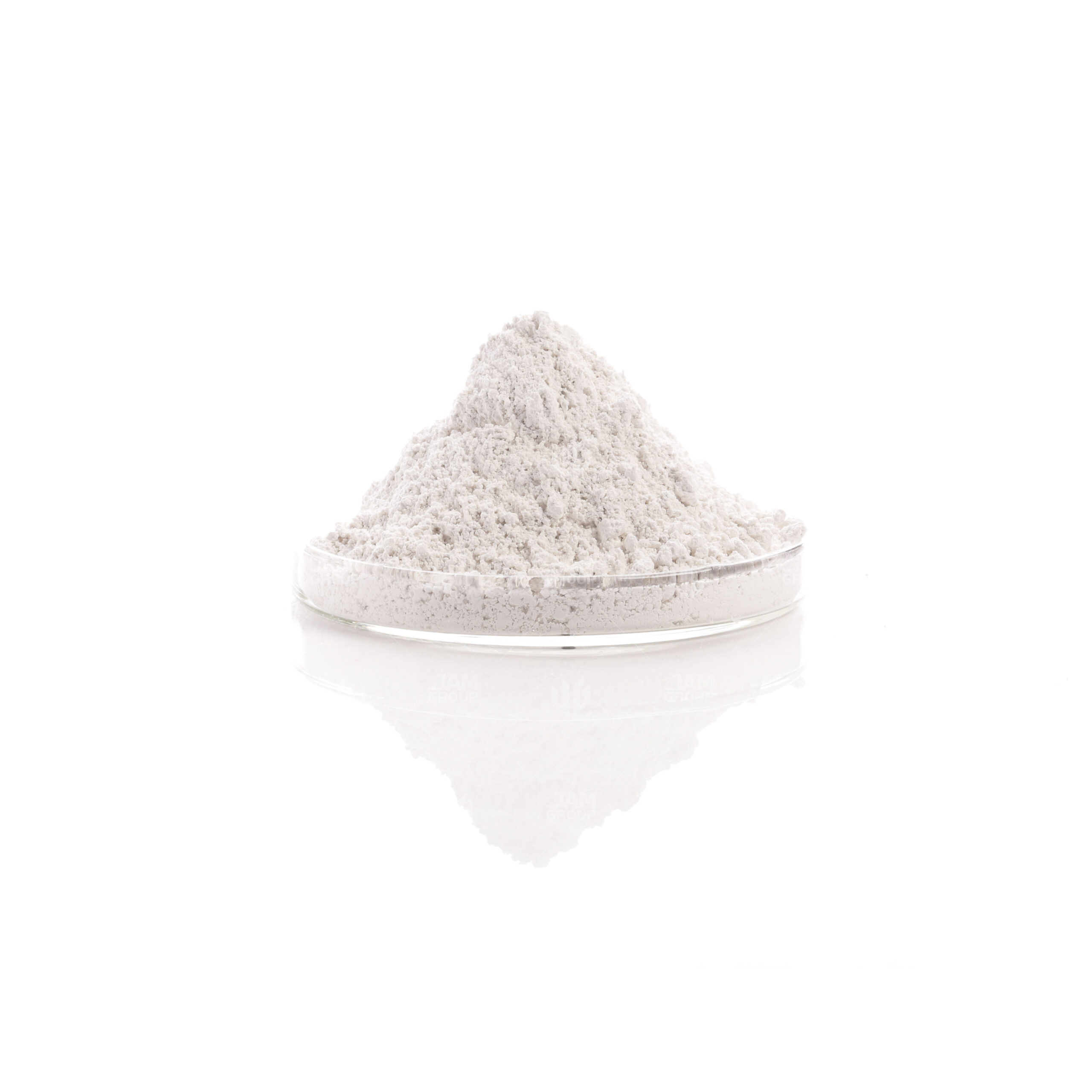
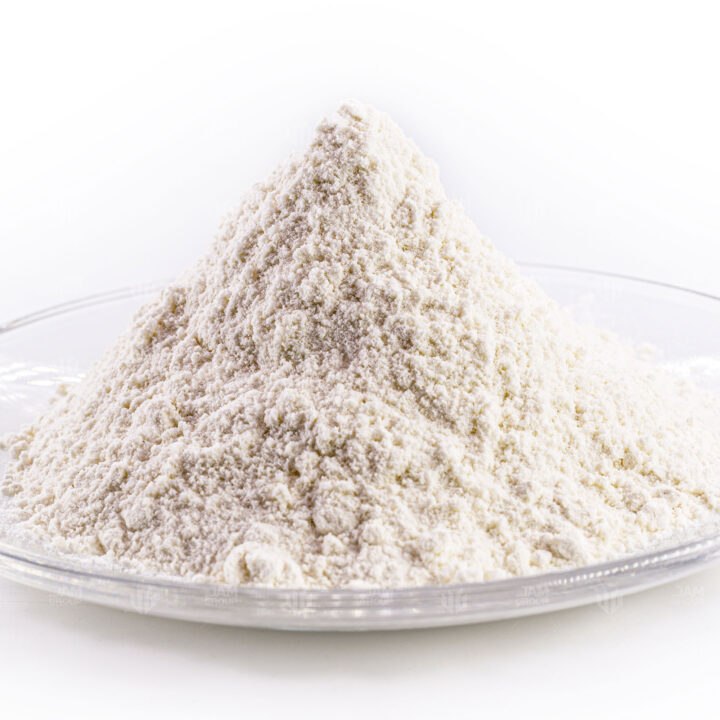
Calcium Hypochlorite is normally delivered as a dry solid, most often granular material or tablets. Appearance checks are simple but useful at receiving: color should be consistent with the agreed grade, the product should be free-flowing, and packaging should be intact. Any strong chlorine odor, heavy dusting, or visible wet clumps can indicate moisture exposure and potential strength loss.
- Solubility & Density:
In use, the product is often dissolved to prepare a dosing solution, so practical solubility depends on form and temperature. Confirm whether the supplier provides solution-preparation guidance, such as recommended concentrations and mixing steps. Density is not always a purchasing driver, but it can matter for packaging, volumetric feeders, and shipping calculations when it is stated in the TDS.
- Thermal Properties:
Calcium Hypochlorite can decompose when heated and may release oxidizing gases. Thermal data is therefore mainly a safety parameter, not a processing target. Store it away from heat sources and verify any stated stability or decomposition limits in the SDS or technical sheet for the supplied grade, rather than relying on generic values.
- Insolubles / Residue / Moisture:
Moisture and insoluble residue are practical controls that protect day-to-day operation. Low moisture helps keep the product free-flowing and slows strength loss during storage. Low insolubles improve solution clarity and reduce sediment that can plug strainers, dosing lines, or injector nozzles. These parameters should be listed on the COA, especially when the buyer is preparing stock solution for continuous dosing.
Reactivity, Stability & Performance of Calcium Hypochlorite
Calcium Hypochlorite is a strong oxidizer, so reactivity control is part of quality management. Moisture, high temperature, and contamination can speed up decomposition and may create hazardous gases, while also reducing available chlorine. Operationally, this means storing the product in a cool, dry place, keeping containers tightly closed, and avoiding contact with incompatible materials such as acids, ammonia-containing cleaners, fuels, or organic matter. In application, many users prepare a measured-strength solution and dose it, because that approach improves control and supports consistent disinfection results.
Available Grades, Forms & Supply Formats of Calcium Hypochlorite
Buyers usually choose Calcium Hypochlorite by matching grade and form to the end use and local compliance requirements. A drinking-water project may require a recognized potable-water standard and tighter impurity control, while pool sanitation often prioritizes form factor and predictable dissolution. Industrial users may focus on available chlorine, low residue, and stable storage performance in their climate. Because the market includes different finishing methods and strengths, procurement should specify the required available chlorine range, the physical form, and any critical impurity limits, then confirm each lot by COA. Frequently utilized grades of this chemical are introduced below.
Drinking-water treatment grade
Drinking-water treatment grade Calcium Hypochlorite is specified for potable-water systems where both disinfection performance and health-related impurity control matter. Buyers usually require compliance with a recognized drinking-water chemical framework (often referenced as NSF/ANSI/CAN 60 or EN 900, depending on market), plus a lot-based COA. Typical specification points include minimum available chlorine, limits on moisture and insoluble residue (to reduce sediment in stock solutions), and controlled by-products and trace metals relevant to human consumption. Documentation discipline is part of the grade: correct SDS, traceable batch coding, and consistent labeling.
AWWA B300 compliant
AWWA B300 is a utility-focused specification used in many water-industry tenders to standardize how hypochlorites are purchased and verified. For calcium hypochlorite, the standard generally drives how the product is described (form and available chlorine basis), what quality parameters must be met, and how sampling and acceptance testing should be handled. In practice, buyers using AWWA B300 expect a clear available chlorine target range, defined moisture/residue expectations, and packaging/labeling that supports safe oxidizer handling. Because utilities often have strict receiving procedures, COA consistency and batch traceability are treated as core compliance items.
Pool & spa grade
The Pool and spa grade is specified mainly for recreational water sanitation, where operators need predictable dissolution and practical handling. Grade specifications usually focus on available chlorine strength, physical form (granules versus tablets), and control of fines and caking that can cause uneven feeding. Many buyers also check insoluble residue because sediment can affect feeders, strainers, and circulation lines. Since cal-hypo is an oxidizer, packaging integrity and clear safety labeling are part of the grade expectations. Compared with potable-water grades, impurity limits may be less formal unless required by local rules, but lot-to-lot consistency remains important for stable pool chemistry.
Technical grade
The technical grade is used for general industrial disinfection, oxidation, and bleaching where a formal drinking-water certification is not required. Specifications typically prioritize available chlorine and practical handling properties rather than strict health-effect impurity limits. Buyers often set limits for moisture (to reduce strength loss), insoluble residue (to prevent sediment in solutions), and physical form for compatibility with their dosing or mixing method. This grade may allow a broader impurity profile, so procurement should align it with the end use and equipment sensitivity. A batch COA is still important, because technical grade products can vary by manufacturing route and finishing.
Reagent grade
Reagent grade Calcium Hypochlorite is intended for laboratory and research use as a controlled oxidizing reagent. Specifications are usually tighter and more explicit about assay reporting, moisture, and identity, because lab work needs repeatable results at small scale. Buyers may also expect clearer impurity statements and cleaner physical presentation to reduce unknown variables in reactions or analytical work. Packaging is commonly smaller, with emphasis on seal integrity to protect against humidity and decomposition during storage. Even for reagent grade, “available chlorine” remains a relevant strength concept, but the purchasing decision often also considers traceability, consistent labeling, and dependable documentation for safe handling.
Strength-based grades
Strength-based grades classify Calcium Hypochlorite mainly by available chlorine, which directly affects dosing calculations and cost-in-use. In the market, high-strength material is often referenced around the “high-test” range (commonly discussed near 65–70% available chlorine), while lower-strength variants may be offered for specific supply chains or handling preferences. Beyond the headline strength, buyers should still control moisture, insoluble residue, and physical form, because those factors influence stability and feeder performance. Strength-based purchasing works best when the contract states how available chlorine is measured and reported, and when each lot ships with a COA confirming the agreed basis.
Calcium Hypochlorite Production Process
Commercial Calcium Hypochlorite is commonly produced by bringing chlorine into contact with calcium hydroxide under controlled conditions. The process is managed to reach a target available chlorine level and a stable product profile. Because the chemistry can also form related calcium salts and varying water content, the finished product is better viewed as a standardized commercial grade than as a single pure compound. After the reaction stage, manufacturers separate the product and prepare it for finishing steps that support storage stability and safe handling.
Finishing typically includes drying, screening, and shaping the material into granules or tablets, followed by quality checks before packing. For buyers, the key release control is the batch COA, which should report available chlorine and the other agreed parameters needed for the application. If a specific market requires tighter impurity limits, that requirement should be stated in the purchase specification and verified against the COA and the supplier’s technical data. This approach reduces disputes and supports consistent dosing performance in the field.
Safe Handling & Storage of Calcium Hypochlorite
Calcium Hypochlorite should be handled as an oxidizer with clear segregation and clean tools. Dust and contact risks mean basic PPE is normally needed, such as eye protection, gloves, and good ventilation during opening and solution preparation. The product should be kept away from acids, ammonia-based cleaners, fuels, and organic materials, because contamination can trigger rapid reaction or gas release. Operational controls are simple but important: keep containers closed, avoid mixing with other chemicals, and use dedicated scoops to prevent cross-contamination.
Storage conditions have a direct effect on strength and usability. Moisture can cause clumping and accelerate decomposition, while heat can increase loss of available chlorine and raise safety risk. For that reason, store the product in a cool, dry, well-ventilated area and protect it from direct sunlight and water sources at all times. For transport and customs, the shipment documentation should include an SDS that matches the exact supplied condition and packaging, so the hazard classification is consistent from origin to destination.
About JAM Holdings Group’s Calcium Hypochlorite
JAM Holdings Group supplies Calcium Hypochlorite using a documentation-led approach that supports receiving control and safe site handling. For each shipment, the transaction should be defined by an agreed specification and a batch-linked Certificate of Analysis, so the buyer can confirm available chlorine and other critical parameters on arrival. Because requirements differ by application, the supplied grade and form should be stated clearly in the quotation and packing marks. Safety and transport alignment is handled through an SDS that matches the shipped product condition, helping buyers keep compliance consistent across storage, transport, and use.
JAM Holdings Group as a Reliable Supplier of Calcium Hypochlorite
A reliable supply for an oxidizing chemical depends on repeatable paperwork and disciplined shipment execution. JAM Holdings Group focuses on reducing avoidable mismatches by aligning the purchase contract, labeling, and document pack to the same product definition and lot identity. This supports practical checks at the destination, such as verifying batch numbers, packaging integrity, and COA values against the agreed specification. Where the buyer requests added verification, the inspection scope and timing should be defined in advance, so it complements the shipment schedule and does not delay loading.
Sourcing & Facilities
For Calcium Hypochlorite, provenance matters mainly because it affects consistency, documentation format, and continuity of supply. When a buyer has a defined standard or local compliance requirement, the sourcing route should be selected to meet those limits and to provide consistent COA reporting. JAM Holdings Group manages this through specification alignment, lot traceability, and clear product identification across documents and pack marks. If a project requires a specific origin, manufacturing route, or registration status, that requirement should be stated before contracting so the correct supply line is selected.
Packaging & Logistics of Calcium Hypochlorite at JAM Holdings Group
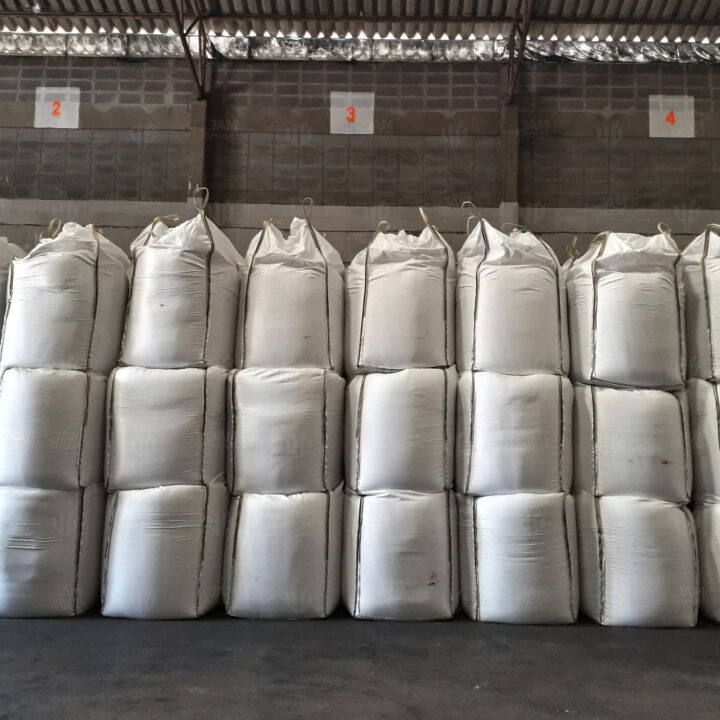
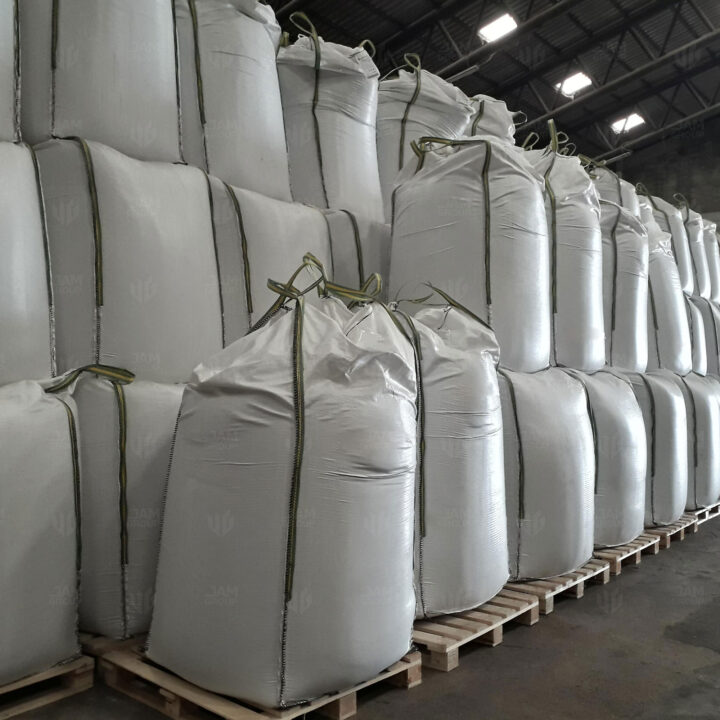
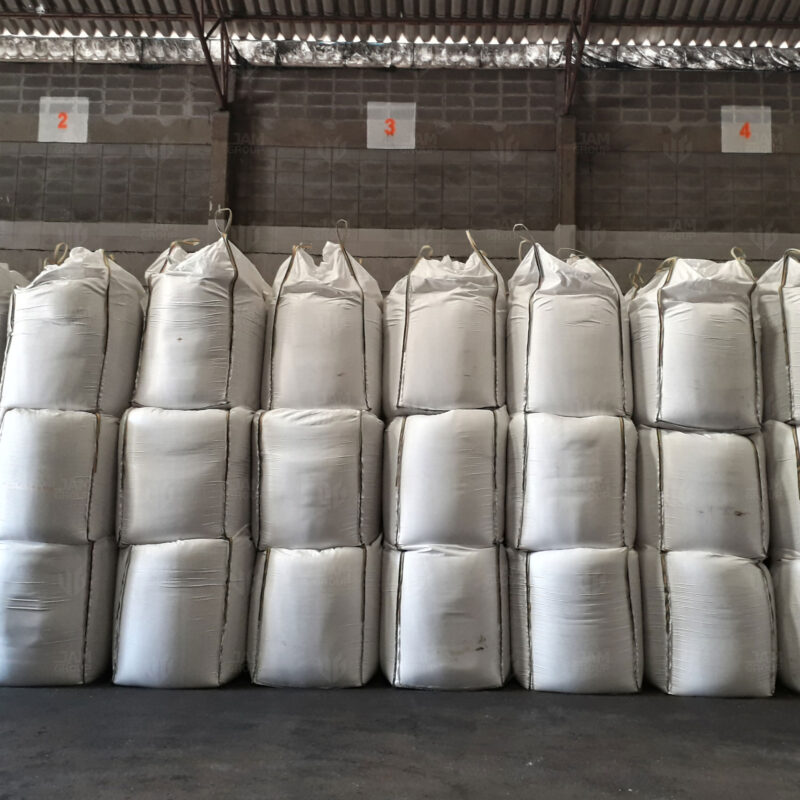
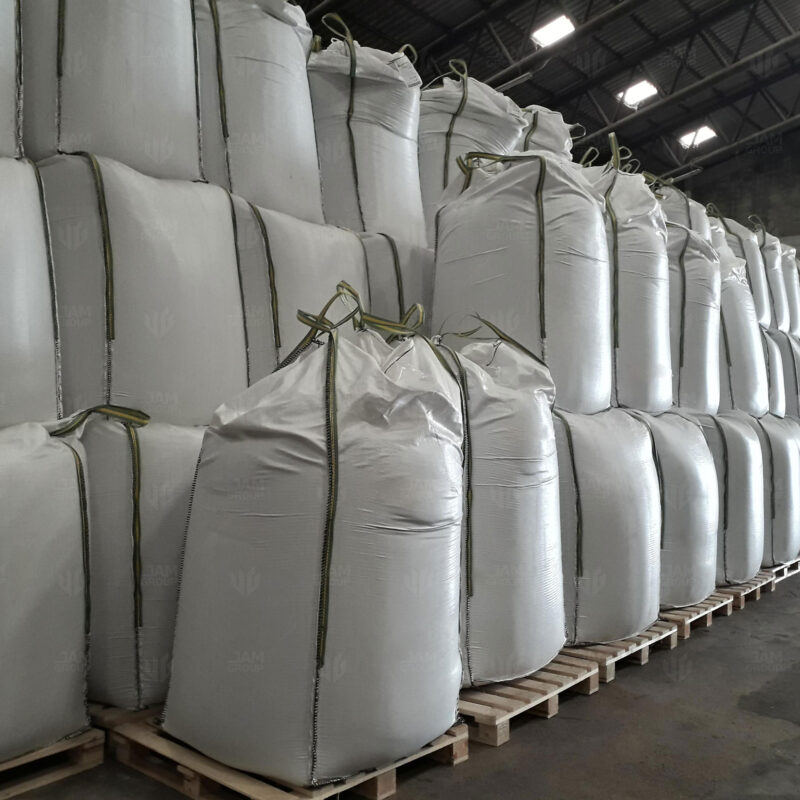
Packaging and logistics should protect Calcium Hypochlorite from humidity and physical damage, while keeping oxidizer labeling consistent with the SDS. The most important controls are sealed primary containers, clear outer marks that include product name and batch identity, and palletization that limits puncture and crushing risk. Because packaging options can vary by grade and destination rules, unit sizes and container types should be agreed at quotation stage and then repeated on the packing list. During transport, segregation from incompatible cargo helps preserve safety and reduces the chance of contamination.
| Property | Specification | Test Method / Reference |
|---|---|---|
| Chemical Type | Inorganic solid chlorine-releasing disinfectant and oxidizer; calcium hypochlorite-based formulation (grade and water content per agreed standard) |
Applicable drinking-water or disinfectant standard (e.g., NSF/ANSI 60, EN 12451, or equivalent) |
| Available Chlorine | Minimum level per agreed specification and supplier’s Certificate of Analysis; typical range 65–75 wt% (confirm exact requirement for end use) |
Iodometric titration per ISO 1895 or ASTM D2022 (or equivalent method specified in standard) |
| Appearance | White to pale yellow granules or tablets; uniform color and physical form; free-flowing, no heavy dusting, clumping, or wet masses |
Visual inspection per agreed acceptance standard |
| Color (Visual) | White to pale yellow; any significant darkening or off-color may indicate moisture exposure or decomposition | Visual comparison to reference standard or agreed sample |
| Moisture Content (wt%) | Low moisture to maintain free-flow and storage stability; typical max. 2–5 wt% (confirm target range per agreed grade and standard) |
Karl Fischer titration (ASTM E203) or oven drying per ISO 1018 |
| Insoluble Residue (wt%) | Minimal, typically ≤ 1–2 wt%, to prevent sediment in prepared solutions and reduce strainer/injector plugging | Filtration per ISO 1895, Section 4, or equivalent standard method |
| pH (Aqueous Solution) | pH of a prepared solution (typical concentration and conditions per TDS); nominal range 10–12 for standard product (confirm testing conditions) |
ISO 10523 or ASTM E70 (pH meter method on prepared solution) |
| Density (Bulk) | Typical bulk density 0.8–1.0 g/cm³ for granular form (reference value; confirm exact value per supplier TDS if critical for handling or dosing) |
Reference standard or supplier TDS; volumetric or gravimetric measurement per ASTM D1895 if required |
| Solubility & Dissolution | Readily soluble in water to prepare dosing solutions; supplier should provide guidance on recommended concentrations, mixing steps, and solution shelf life |
Reference to supplier TDS or preparation guidance; practical mixing trial |
| Iron (Fe) | Controlled low level per applicable drinking-water or disinfectant standard (e.g., typically ≤ 0.05–0.1 wt%, depending on grade); confirm on COA |
ICP-OES / ICP-MS or equivalent elemental analysis |
| Other Trace Impurities | Controlled per agreed standard (may include As, Cd, Cr, Pb, F, etc., depending on end use); limits to be defined in contract and verified on COA |
ICP-OES / ICP-MS; specific methods per applicable drinking-water or food-contact standard |
| Physical Form & Size | Granular or tablet format as agreed; nominal particle size or tablet dimensions per supplier specification | Sieve analysis (ASTM D452 or equivalent) if size distribution is critical |
| Packing | Moisture-proof, sealed bags or containers; typically lined plastic or paper bags with protective interior; closure must be intact and secure |
Visual inspection on receipt; check seal integrity |
| Storage | Store in cool, dry place away from heat sources, direct sunlight, moisture, organic materials, acids, ammonia, and incompatible chemicals; maintain good ventilation |
Internal storage and safety procedure; verify conditions per SDS guidance |
| Shelf Life & Stability | Stability and shelf-life guidance per supplier TDS or SDS; under proper dry storage, available chlorine may gradually decrease over time; periodic checking recommended for long-term stock |
Shelf-life statement from supplier; periodic testing (e.g., iodometric titration) on stored samples if needed |
| Lot Identification & Traceability | Each package marked with lot/batch number, manufactured date, and product grade; markings must match COA and packing list |
Document check against COA and delivery documentation |
Typical Applications of Calcium Hypochlorite
Calcium Hypochlorite is a chlorine-releasing oxidizer supplied in a dry form, so it is valued where strong disinfection power, storage stability, and on-site solution preparation are important. It can be dissolved to make a controlled-strength dosing solution or used in forms such as granules and tablets, depending on the system. These properties make it useful across water treatment and sanitation programs, as well as selected industrial processes that benefit from chlorine-based oxidation. In the following paragraphs, we will explain its applications in key sectors and clarify how buyers typically use it in each setting.
Drinking water disinfection
In drinking water treatment, Calcium Hypochlorite is used as a practical chlorine source for disinfecting raw or treated water and maintaining residual chlorine in distribution systems. Operators often dissolve it to prepare a stock solution and then dose it with metering equipment, which supports steady control when water quality changes. Buyers focus on “available chlorine” to calculate dose rates and should match the grade to potable-water requirements in the target market. Good practice includes controlling solution strength, preventing contamination, and confirming key parameters on the COA for each batch.
Wastewater treatment
In wastewater treatment, Calcium Hypochlorite can be applied to reduce pathogenic microorganisms before discharge or reuse, and it may support odor and biofilm control in certain process areas. The material is usually introduced as a prepared solution to improve dosing accuracy and reduce handling risks. Because wastewater contains higher organic loads, chlorine demand can be significant, so operators adjust dosing based on residual targets and contact time. Selection should also consider potential by-product formation and local discharge regulations. From a purchasing view, consistency of available chlorine and low insolubles help reduce maintenance issues in pumps and injectors.
Swimming pool and spa sanitation
For pools and spas, Calcium Hypochlorite is widely used to maintain free chlorine levels and control algae and harmful microorganisms. It is often supplied as granules for faster correction dosing or as tablets designed for controlled dissolution, depending on the facility’s equipment and operating routine. Users choose it because it is a dry product with high disinfection strength, which can simplify storage compared with liquid bleach. Proper use requires safe handling, correct dosing, and attention to water balance, since pH and alkalinity influence disinfection efficiency and swimmer comfort.
Industrial sanitation
In industrial sanitation, Calcium Hypochlorite is used where an oxidizing disinfectant is needed for cleaning and microbial control on hard surfaces, equipment, and water-handling systems. Typical examples include maintenance sanitation in warehouses, utilities areas, and process support zones where chlorine chemistry is suitable. Operators usually prepare a solution at a defined concentration and apply it with controlled contact time, followed by rinsing when required. Safety controls are critical because it is an oxidizer and can react with incompatible chemicals. Buyers should specify the intended use so the grade, form, and documentation fit site requirements.
Textile bleaching
In textile processing, Calcium Hypochlorite can act as a bleaching agent to lighten fabrics and remove certain natural pigments or stains through oxidation. It is typically used as a prepared solution, with process conditions managed to achieve the target whiteness while limiting fiber damage. Control of concentration, temperature, and contact time is important, and the process must include thorough rinsing and neutralization steps to reduce residual chlorine that could weaken fabric or affect dyeing. Procurement should focus on consistent available chlorine and manageable residue levels to support stable production results and reduce equipment fouling.
○What does “available chlorine” mean for Calcium Hypochlorite?


Available chlorine is the practical strength indicator for hypochlorite products. It describes how much active chlorine the material can release during use, which directly affects dosing rates and cost-in-use. Buyers should treat it as the primary performance specification and confirm the value on the COA for each batch.
○How should Calcium Hypochlorite be stored to avoid strength loss or caking?
Store it in a cool, dry, well-ventilated area, tightly sealed in its original packaging. Moisture is the main cause of caking and faster decomposition, while heat can accelerate strength loss. Keep it away from direct sunlight and water sources, and prevent contamination from other chemicals during handling.
○How do you safely prepare a dosing solution from Calcium Hypochlorite?
Add the product to water in a clean, dedicated container with good ventilation, mixing slowly to control dust and heat. Do not add water into a container of chemical. Allow any insoluble residue to settle if needed and dose from the clear portion. Follow the SDS and site safety procedures for PPE and handling.
○Is Calcium Hypochlorite suitable for drinking-water disinfection?
It can be used for potable-water disinfection when the grade meets the required drinking-water standard and the impurity limits are suitable for the target market. Buyers should specify the intended potable-water application upfront and require documentation that supports compliance, including the SDS and a batch COA reporting the relevant parameters.
○How is Calcium Hypochlorite different from Sodium Hypochlorite (liquid bleach) for procurement?
Calcium Hypochlorite is a dry, high-strength option that can simplify shipping and storage compared with liquid bleach, especially where transport volume and shelf stability matter. Sodium Hypochlorite is easier to dose directly as a liquid but often degrades faster in storage. Selection should reflect logistics, safety controls, and dosing setup.
HOW CAN JAM GROUP HELP YOU?
Send us a message and our friendly team will get back to you within one business day.