






















Copper Cathode stands as the fundamental building block for the modern electrical world, driving efficiency in power transmission and precision in downstream manufacturing. Industrial buyers prioritize this refined metal for its exceptional electrical conductivity and thermal performance, which are critical for producing high-quality wire, cable, and alloy products. Whether you are manufacturing delicate electronics or heavy-duty infrastructure components, the purity of your raw material directly dictates the reliability of your final output. Securing a consistent source of high-grade copper ensures that your production lines run smoothly without the costly interruptions caused by material defects. Let’s examine why this material is vital for your operations.
Supply-chain reliability is just as critical as chemical purity because technical specifications are only as reliable as the supplier behind them. In a volatile commodities market, procurement teams need partners who prioritize transparency and logistical discipline over simple transaction volume. JAM Holdings Group operates as a dedicated supplier and exporter, bridging the gap between global refineries and industrial end-users. We ensure that every shipment meets rigorous standards through comprehensive traceability, certified documentation like Certificates of Analysis (COA), and batch consistency checks. Our focus on export readiness means that your material arrives on schedule and fully compliant with international trade regulations.
What is Copper Cathode?
Copper Cathode is the purest form of copper available for industrial applications, produced through an electrolytic refining process that removes virtually all impurities. It is defined by its elemental composition, typically achieving a minimum purity of 99.99% copper, which qualifies it for the most demanding electrical and mechanical uses. Commonly traded under the classification of “Grade A” or similar high-purity standards, this refined non-ferrous metal serves as the primary feedstock for continuous casting rods and the production of high-performance alloys like brass and bronze. It is distinct from lower-grade scrap or blister copper due to its superior chemical uniformity.
Chemical & Physical Specifications of Copper Cathode
Understanding the specific chemical and physical parameters of copper cathode is essential for procurement managers to ensure compatibility with melting and casting equipment. The purity level directly influences conductivity, while physical integrity affects handling and furnace efficiency. While general industry standards provide a baseline, specific numeric values for purity, density, and impurity limits must always be verified against the current Safety Data Sheet (SDS) or the Certificate of Analysis (COA) provided with the batch. If specific documentation is not immediately at hand, buyers should assume typical values depend on the specific refinery grade and supplier documentation.
- Purity & Composition
The primary specification for this product is a copper (Cu) content of at least 99.99%, which is the standard for high-grade cathodes. Controlled impurities are strictly monitored, with specific maximum limits set for elements such as silver (Ag), arsenic (As), iron (Fe), lead (Pb), and sulfur (S) to prevent manufacturing defects.
- Appearance & Physical Standards
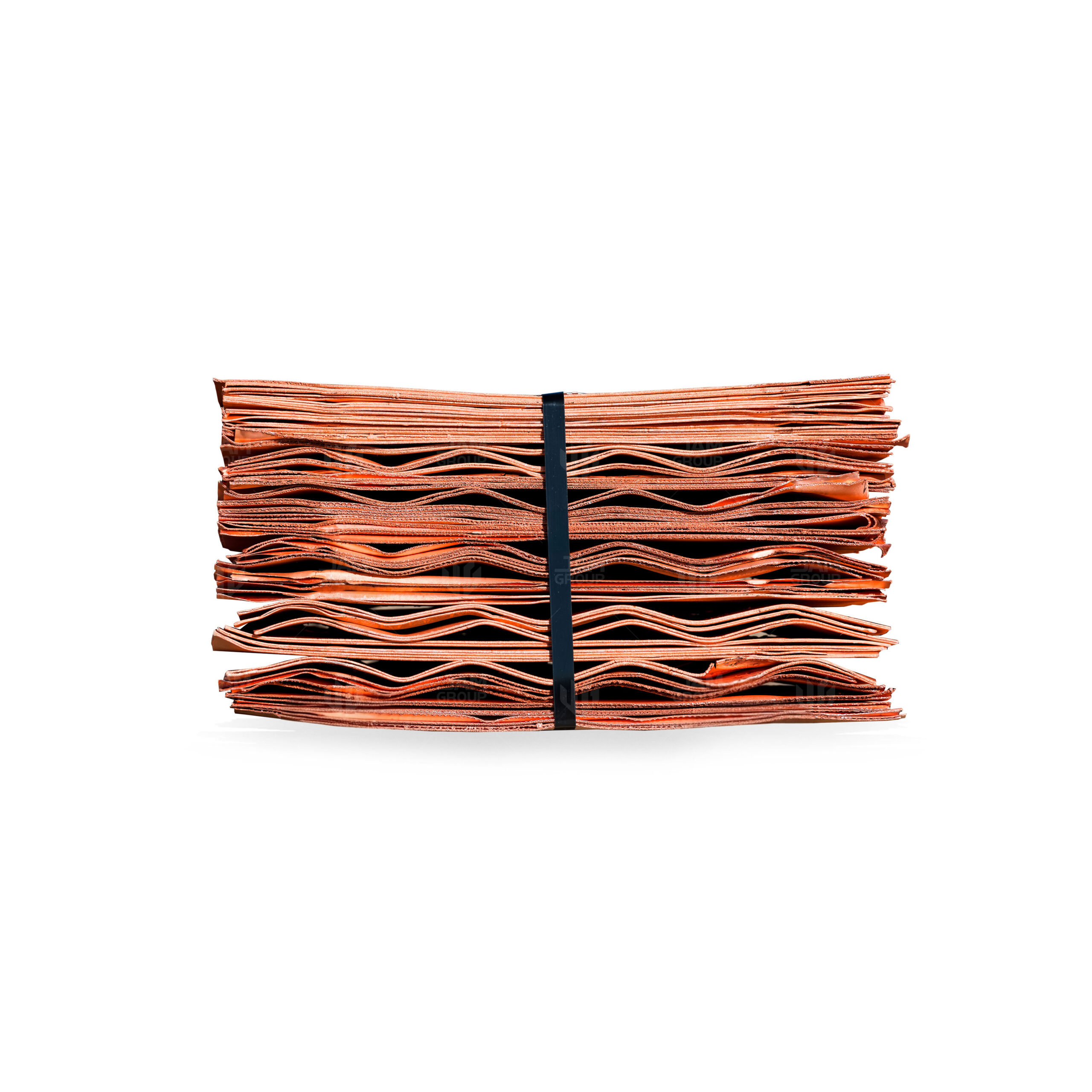
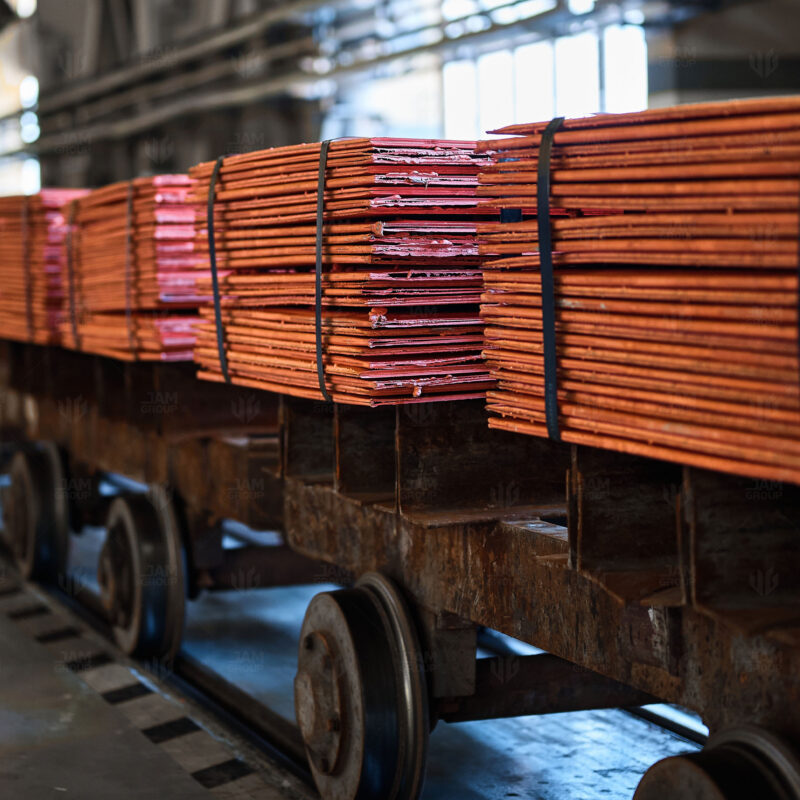
These cathodes are supplied as solid metal plates, characterized by a distinct red-metallic luster that indicates a clean surface free from excessive oxidation. The surface condition is inspected to ensure it is free of significant nodules, foreign materials, or green patina, which could introduce contaminants during the melting process.
- Density & Specific Gravity
The density of high-purity copper is a critical physical constant for logistics and casting calculations, typically registering around 8.96 g/cm³ at standard room temperature. This value is consistent across high-grade cathodes, although slight variations might occur based on the specific casting method or standard reference used in documentation.
- Thermal Properties
Copper cathode exhibits a melting point of approximately 1085°C (1984°F), a property that is fundamental for foundries and casting houses. This high melting point allows the material to retain structural integrity until it reaches the specific processing temperatures required for alloying or rod production.
- Insolubles / Residue / Moisture
Unlike chemical powders, solid metal cathodes do not contain insolubles in the traditional sense, but surface cleanliness is paramount. Controls focus on minimizing surface moisture and preventing the accumulation of electrolytic residue or sulfates, which can cause hazardous popping during furnace charging or compromise the melt quality.
Reactivity, Stability & Performance of Copper Cathode
The technical specifications of copper cathode translate directly into predictable performance outcomes for manufacturers, particularly in terms of electrical efficiency and mechanical workability. High-purity copper ensures that downstream products meet rigorous conductivity standards without the resistance losses caused by impurities. Claims of “premium” performance are grounded in measurable criteria, such as the material’s ability to be drawn into ultra-fine wires without breaking. Stability in storage is also a key factor, as the material is generally stable but requires protection from environmental factors to maintain its pristine condition for processing.
- Chemical Stability / Hygroscopicity:
While solid copper is not hygroscopic like many chemical salts, it is sensitive to environmental conditions over long periods. The primary risk during storage is the development of surface oxidation or tarnish if exposed to high humidity or corrosive atmospheres, which requires proper warehousing to preserve the cathode’s finish.
- Conductivity / Electrical Performance:
The most valuable performance metric for this product is its electrical conductivity, often referenced against the International Annealed Copper Standard (IACS). High-grade cathodes typically exceed 100% IACS, although the exact conductivity value depends on the specific grade and the impurity profile documented in the batch analysis.
- Corrosion / Reaction Profile:
Copper is naturally resistant to corrosion but will react with oxidizing agents and acids, forming a green patina over time if left unprotected. In an industrial setting, the focus is on preventing contact with chemicals that could degrade the surface quality or introduce unwanted elements into the melt.
- Toxicity & Safety Profile:
In its solid massive form, copper cathode presents a low hazard profile and is not classified as toxic. However, processing activities that generate dust or fumes require strict adherence to safety protocols. Users should always follow the Safety Data Sheet (SDS) and local regulations regarding ventilation and personal protective equipment.
Available Grades, Forms & Supply Formats of Copper Cathode
Procurement managers typically select copper cathode based on the specific purity grade and physical form required for their facility’s feeding mechanism. The market is dominated by standard dimensions that fit conventional furnaces, but buyers must choose between grades that offer general industrial utility and those certified for highly sensitive electronic applications. It is important to verify that the claimed forms are standard offerings; custom cuts or non-standard bundle weights are generally available only upon request.
LME Grade A
LME Grade A serves as the universal benchmark for refined copper trading, establishing the global baseline for pricing and quality expectations on the London Metal Exchange. This premium classification mandates a minimum copper purity of 99.9935%, ensuring exceptional electrical conductivity for critical infrastructure projects. To achieve this status, the cathode must meet rigorous limits on specific impurities, such as silver, sulfur, and iron, which guarantees its suitability for high-performance applications like power transmission cables and sensitive electronic components. Buyers consistently prioritize this grade because its standardized specification minimizes variability in downstream manufacturing. By adhering to strict chemical standards, LME Grade A offers the predictable physical and chemical consistency required for producing ultra-fine wires and complex electrical systems without the risk of breakage or signal loss.
ASTM Grade 1
ASTM Grade 1 copper cathode is engineered to meet the stringent demands of industrial markets, requiring a minimum purity of 99.95% copper as defined by the ASTM B115 standard. In practical scenarios, this grade is often utilized as a direct equivalent to high-purity international standards, making it the preferred feedstock for producing high-quality electrolytic tough pitch (ETP) copper rods. Manufacturers rely on this specification for applications where electrical conductivity is paramount, such as in the drawing of standard wire and telecommunication cables. The standard ensures that the material is free from surface defects and chemical contaminants that could compromise ductility. By maintaining low impurity levels, Grade 1 cathodes allow for efficient continuous casting and rolling operations, resulting in superior wire products with optimal electrical properties.
ASTM Grade 2
ASTM Grade 2 copper cathode offers a solution for industrial applications where extreme purity is less critical than cost-efficiency or specific alloy requirements. With a minimum copper content of 99.90%, this grade is perfectly suited for foundries and casting houses focused on producing non-ferrous alloys, such as brass and bronze. While it maintains a high degree of refinement, the slightly relaxed impurity tolerances make it less ideal for ultra-fine wire drawing but excellent for plumbing fixtures, architectural elements, and general mechanical parts. Procurement teams often select Grade 2 when the end-product requires the natural durability and corrosion resistance of copper without the premium cost associated with the highest conductivity ratings. It serves as reliable melting stock for diverse manufacturing sectors that prioritize mechanical performance over absolute electrical precision.
Copper Cathode Production Process
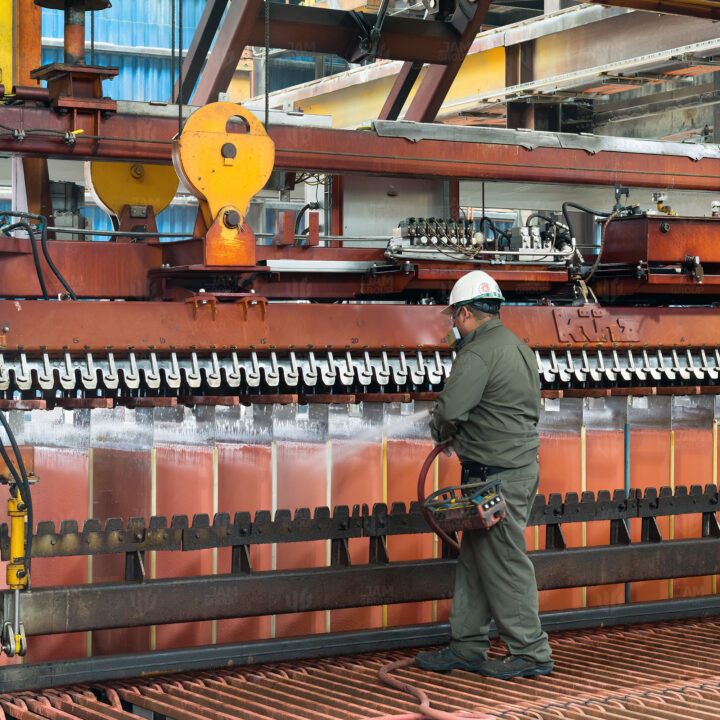
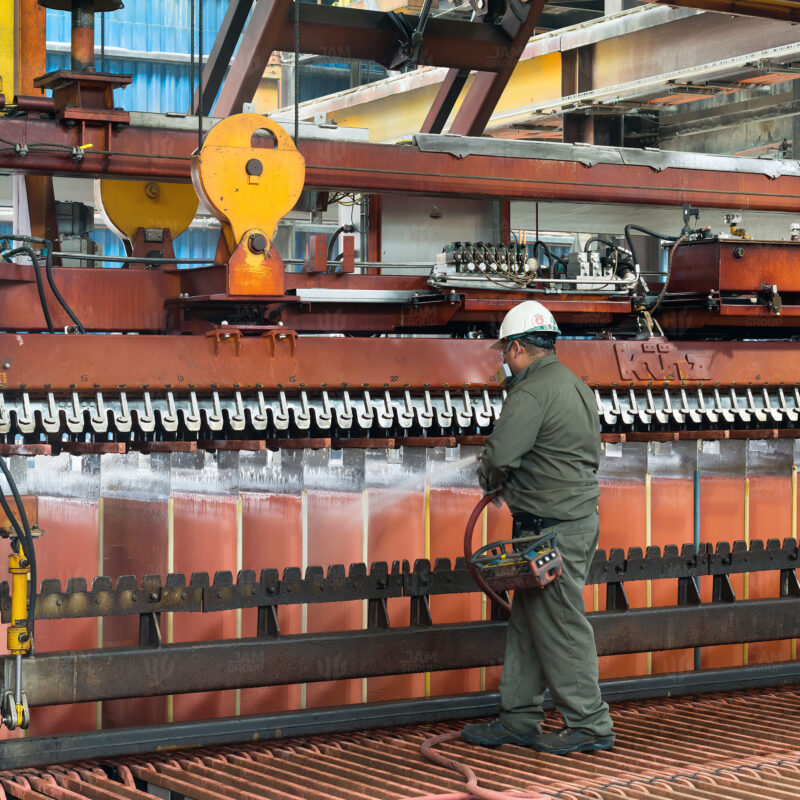
The production of high-grade copper cathode begins with the mining and concentration of copper ore, followed by smelting to produce anodes. These anodes are then subjected to an electrolytic refining process in a tank house, where copper ions migrate through an electrolyte solution to deposit onto a starter sheet. This electro-refining step is crucial for separating the copper from impurities. Once the cathodes reach the desired weight, they are washed to remove residual electrolyte, stripped from the starter sheets, and subjected to a final quality control release before being weighed and bundled.
Safe Handling & Storage of Copper Cathode
To maintain the quality of copper cathodes, storage conditions must be cool, dry, and well-ventilated to prevent surface oxidation and moisture accumulation. Segregation from other chemicals is necessary to avoid cross-contamination. Due to the significant weight of the bundles and the potential for sharp edges, personnel must utilize appropriate Personal Protective Equipment (PPE) such as heavy-duty gloves and steel-toed boots, always pointing to SDS and local safety regulations. Common pitfalls include storing material outdoors or on damp ground, which can lead to moisture uptake and subsequent safety risks during furnace charging.
About JAM Holdings Group’s Copper Cathode
JAM Group Co. manages an end-to-end supply chain for refined metals, overseeing everything from strategic sourcing to final export logistics. As a reliable supplier of Copper Cathode, we implement rigorous quality control measures to ensure that every bundle meets the contracted specifications. Our commitment to transparency is evident in our robust traceability systems, which allow us to track material back to its production batch. We provide complete certified analysis and documentation for every shipment, ensuring that our clients receive consistent quality they can trust.
JAM Holdings Group as a Reliable Supplier
We reinforce our reliability by offering comprehensive support for compliance and verification throughout the transaction process. Acting as an experienced exporter of Copper Cathode, we welcome and facilitate pre-shipment inspections by reputable third-party agencies like SGS or Bureau Veritas to verify weight and quality. Our team is well-versed in navigating complex export regulations, ensuring seamless delivery to diverse global regions. We pride ourselves on maintaining lead-time discipline and offering flexible solutions to meet the specific sourcing requirements of our industrial partners.
Sourcing & Facilities
Our sourcing strategy is built on establishing long-term relationships with qualified refineries and production partners to guarantee a stable supply base. Your strategic provider of Copper Cathode ensures that material is sourced from origins known for their logistical reliability and consistent production standards. We prioritize supply chain resilience, avoiding over-reliance on volatile markets to protect our clients from disruptions. This approach allows us to deliver provenance assurance without compromising on commercial viability or availability.
Packaging & Logistics of JAM Holdings Group
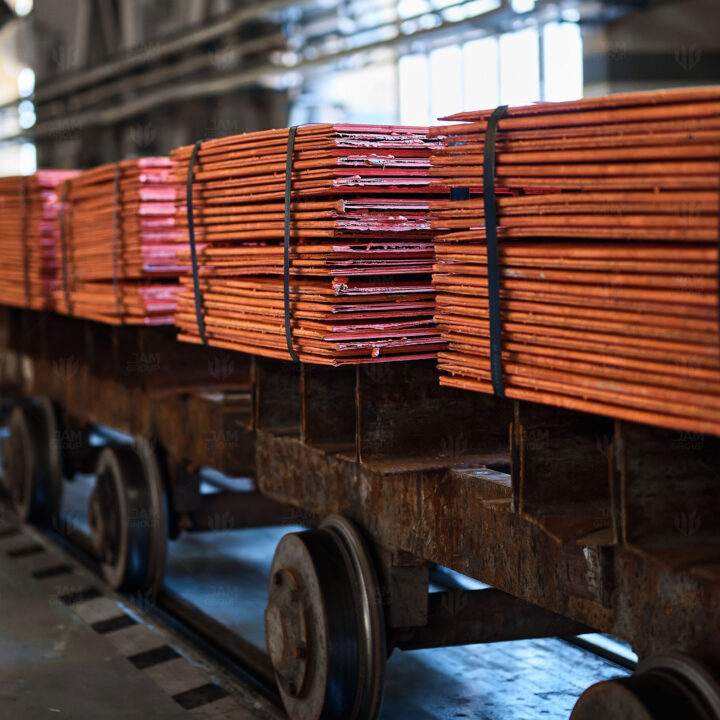
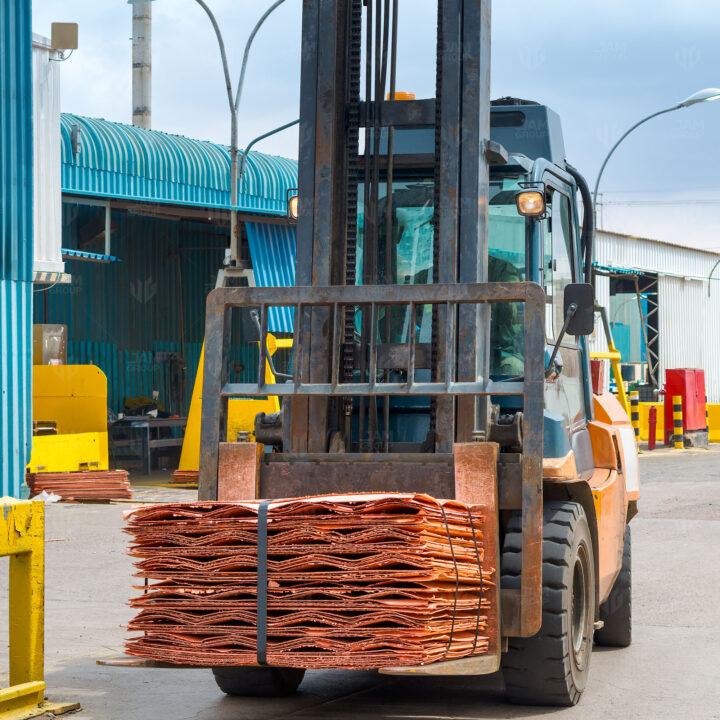
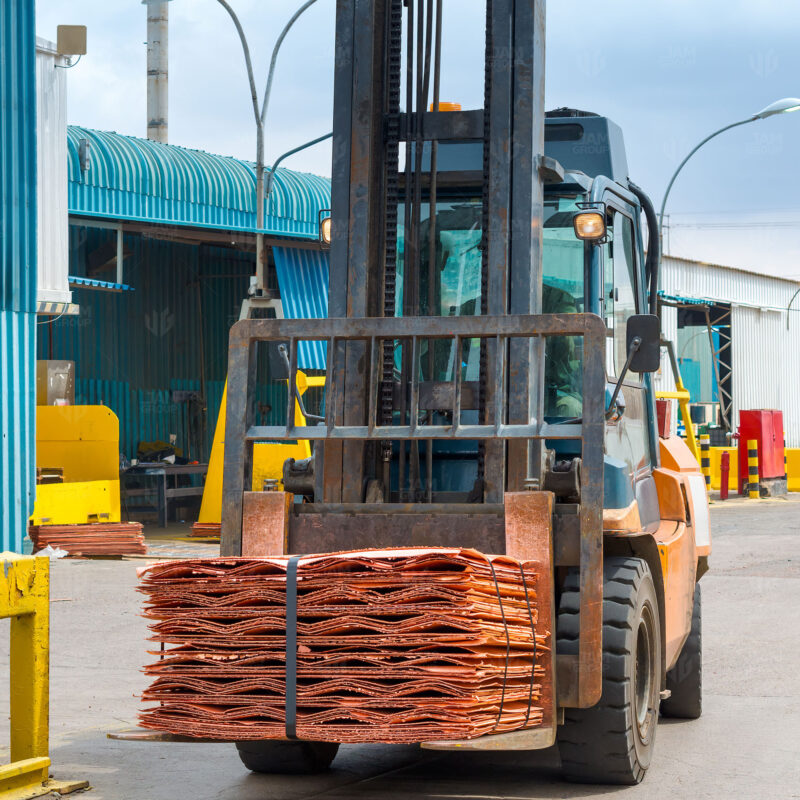
We utilize packaging methods specifically designed to protect heavy metal cargoes during ocean transit and inland transport. Our copper cathodes are secured in steel-strapped bundles, often resting on wooden pallets or dunnage to facilitate safe forklift access. We implement strict corrosion protection measures where necessary to preserve surface quality. Each bundle is clearly labeled with essential data, including batch numbers and net weights, to streamline inventory management and ensure container optimization.
| Property | Specification | Test Method / Reference |
|---|---|---|
| Chemical Type | High-purity refined copper cathode (Grade A or equivalent); minimum 99.99% Cu | Applicable copper cathode standard (ASTM B115, EN 1978, or equivalent) |
| Copper (Cu) Content | ≥ 99.99% wt% (to be verified on Certificate of Analysis for each lot) | ICP-OES / ICP-MS or equivalent elemental analysis |
| Controlled Impurities (Ag, As, Fe, Pb, S)* | Each element within grade-specific maximum limits; limits to be confirmed in purchase contract and COA | ICP-OES / ICP-MS; S by combustion or inert gas fusion analysis |
| Appearance | Solid cathode plates with distinct red-metallic luster; free from excessive oxidation, nodules, foreign materials, or green patina |
Visual inspection per agreed acceptance standard |
| Surface Cleanliness | Clean surface free from electrolytic residue, sulfates, heavy oxidation, moisture deposits, or contaminants that could degrade melt quality |
Visual inspection; wiping test for loose residue if required |
| Density @25 °C | Approximately 8.96 g/cm³ (typical for high-purity copper; reference value per agreed standard or supplier documentation) |
Reference standard / literature (no routine lot test required) |
| Melting Point | Approximately 1085 °C (1984 °F); confirm exact value per supplier documentation if critical to process | Reference standard / SDS / TDS |
| Moisture Content | Minimal; surface must be dry at receipt; no standing water or absorbed moisture that could flash to steam during furnace charging |
Visual inspection; drying procedure per internal handling plan if required |
| Physical Integrity | Cathode plates intact, without cracks, breaks, or delamination that could fragment during handling or melting | Visual inspection at receipt |
| Dimensional Tolerance | Standard cathode plate dimensions per agreed specification (width, length, thickness); tolerance per supplier standard |
Dimensional measurement with calipers or gauge blocks |
| Lot Identification & Traceability | Each cathode or bundle marked with lot number, refinery code, grade designation, and casting date; markings to match COA and packing list |
Document check against COA and packing documentation |
| Packing | Cathodes packaged on pallets or in secure bundles; packaging to withstand normal transport and handling without damage or contamination |
Visual inspection on receipt |
| Storage | Store in dry, covered area away from corrosive chemicals, acidic materials, and moisture sources; maintain adequate ventilation to prevent condensation |
Internal storage procedure |
| Shelf Life | Indefinite under recommended storage conditions; surface may develop light oxide film, which is acceptable; periodic inspection for corrosion or contamination recommended |
Periodic visual inspection; no specific expiration date |
Typical Applications of Copper Cathode
Copper cathode serves as the foundational raw material for a vast array of modern industries due to its exceptional combination of thermal and electrical conductivity, malleability, and corrosion resistance. As a high-purity feedstock, it is indispensable for critical infrastructure, advanced technology, and heavy manufacturing where material failure is not an option. In the following sections, we will review the specific industrial applications of copper cathode in detail to understand its pivotal role in the global economy.
Wire & Cable Manufacturing
The most significant volume of copper cathode is consumed by the wire and cable industry, where it is first cast into continuous rods before being drawn down into various gauges. This sector demands the highest purity levels because even microscopic impurities can drastically reduce electrical conductivity and cause breakage during the fine wire drawing process. The resulting wires form the backbone of power transmission grids, telecommunication networks, and residential electrical systems. Manufacturers rely on the ductility of cathode-grade copper to produce everything from heavy-duty high-voltage cables to ultra-thin strands for flexible cords without compromising structural integrity.
Electronics & Semiconductors
In the electronics sector, copper cathode is the critical starting material for manufacturing printed circuit boards (PCBs), integrated circuits, and semiconductor lead frames. Its superior thermal and electrical conductivity ensures efficient heat dissipation and rapid signal transmission, which are vital for the performance of high-speed processors and compact devices like smartphones and laptops. Beyond basic wiring, high-purity copper is essential for creating the delicate connectors and micro-pathways that define modern computing power. The material’s reliability prevents signal interference, making it irreplaceable in an industry that constantly pushes the boundaries of speed and miniaturization.
Alloy Production (Brass & Bronze)
Foundries utilize copper cathode as the primary base metal to produce a wide spectrum of non-ferrous alloys, most notably brass and bronze. By melting cathodes with precise amounts of zinc or tin, manufacturers create alloys that offer enhanced mechanical strength, machinability, and resistance to wear while retaining copper’s natural durability. These alloys are ubiquitous in marine engineering for propellers and bushings due to their resistance to saltwater corrosion. Additionally, the consistent chemical composition of high-grade cathodes ensures that the final alloy meets strict industrial standards for hardness and color, critical for architectural fixtures and musical instruments.
Construction & Infrastructure
Copper cathode is extensively processed into tubes, sheets, and plates for the construction industry, favored for its longevity and aesthetic appeal. It is the standard material for durable plumbing and gas piping systems because it inhibits bacterial growth and withstands high pressure without corroding. Architecturally, copper roofing and cladding are prized for their ability to form a protective green patina over time, which self-heals against scratches and weather damage. Beyond visible structures, it is essential for the heating and cooling coils in HVAC systems, where its high thermal transfer rate maximizes energy efficiency in modern buildings.
Renewable Energy
The transition to green energy is heavily dependent on copper cathode, as renewable systems require significantly more copper than traditional power generation. It is the core component in the generator windings of wind turbines and the photovoltaic ribbons used to interconnect solar panels. The metal’s efficiency in conducting electricity minimizes energy loss during transmission from remote solar or wind farms to the grid. Furthermore, it is critical for energy storage solutions, serving as the current collector in lithium-ion batteries that power electric vehicles and grid stabilization systems.
Industrial & Medical Equipment
In the industrial sector, copper cathode is vital for manufacturing high-efficiency motors and transformers, where its conductivity directly correlates to reduced energy consumption. Simultaneously, the medical field relies on copper for its natural antimicrobial properties, using it for touch surfaces to reduce hospital-acquired infections. It is also a key material in advanced diagnostic equipment, such as the superconductive magnets found in MRI machines, which require extreme purity to function correctly.
○Do you provide samples of Copper Cathode for testing purposes?


Due to the heavy industrial nature of cathode bundles, small samples are generally not practicable, but we can arrange representative sampling for testing upon request. We typically provide detailed technical analysis from mass-production batches to verify quality. Sample logistics and associated courier costs are usually covered by the buyer.
○Can I arrange for a third-party inspection (e.g., SGS, Bureau Veritas)?
Yes, we strongly encourage third-party inspections to ensure total transparency and trust in the transaction. Inspections are typically conducted at the loading port or warehouse prior to shipment. These inspections verify the quantity, weight, and quality against the agreed specifications, such as LME standards.
○What documents are provided with the shipment?
We provide a full suite of standard export documentation to facilitate smooth customs clearance. This includes the Commercial Invoice, Packing List, Bill of Lading (B/L), Certificate of Origin, and the Certificate of Analysis (COA). Additional documents like a Mill Test Certificate (MTC) can be included if relevant.
○What are your standard payment terms and Incoterms?
We offer flexible payment terms tailored to the volume and nature of the contract, typically utilizing T/T or L/C for larger transactions. Our supported Incoterms include options such as EXW, FOB, CFR, and CIF, which are defined and agreed upon clearly in the sales contract.
○What is the typical lead time from order to shipment?
Lead times vary based on current inventory and production schedules. Orders for in-stock material can typically dispatch within 5–7 days, subject to vessel availability. Larger production orders may require 15–20 days to prepare, and we always confirm the specific timeline upon order acceptance.
HOW CAN JAM GROUP HELP YOU?
Send us a message and our friendly team will get back to you within one business day.