















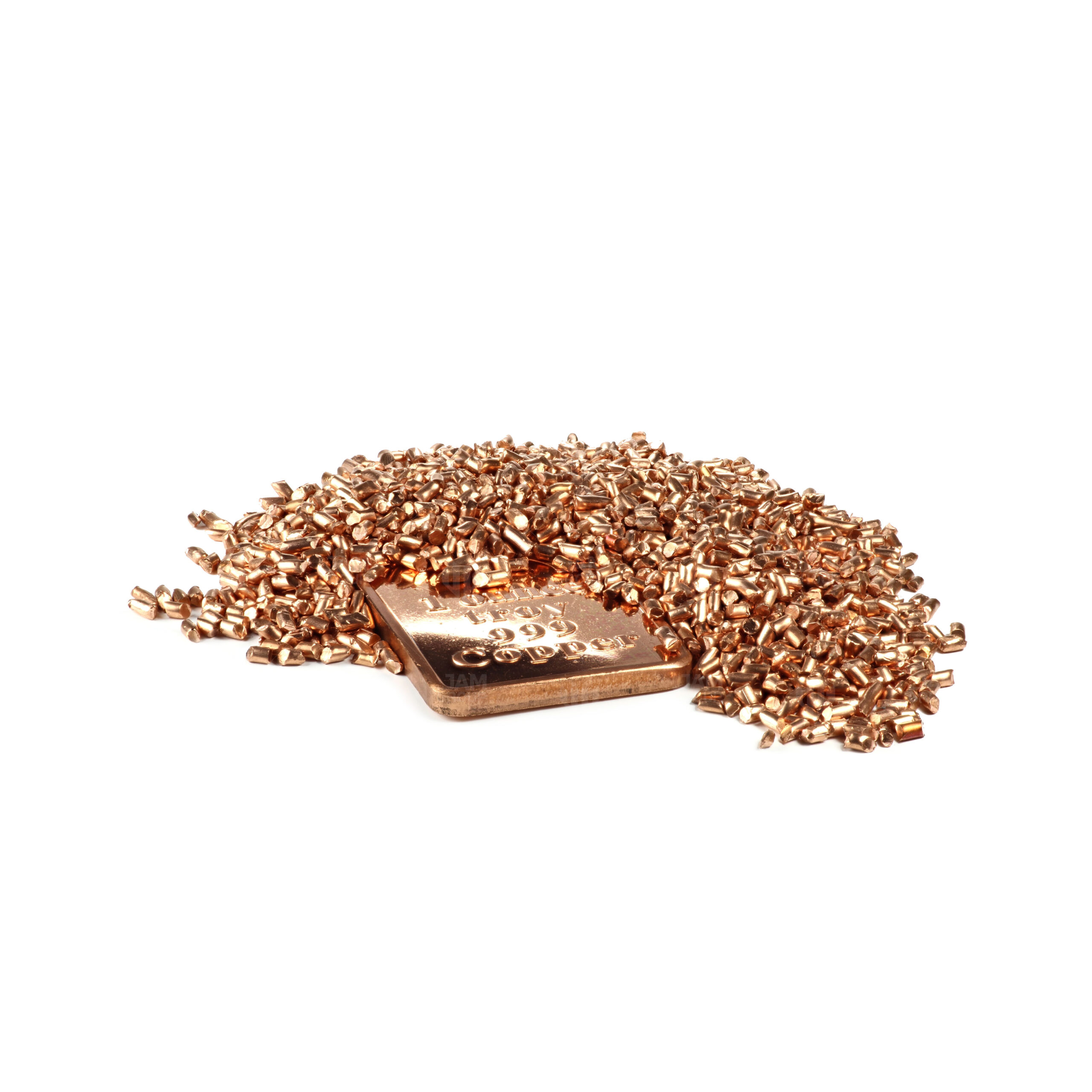
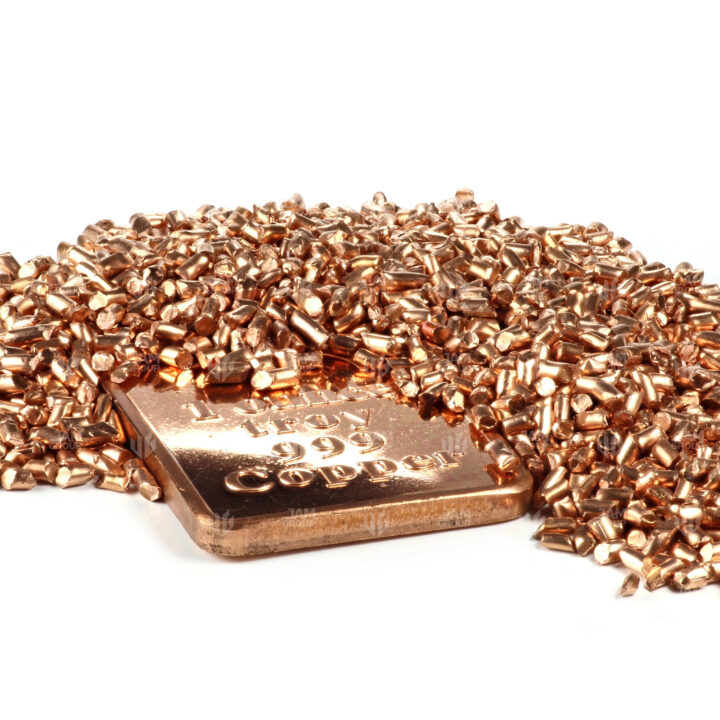
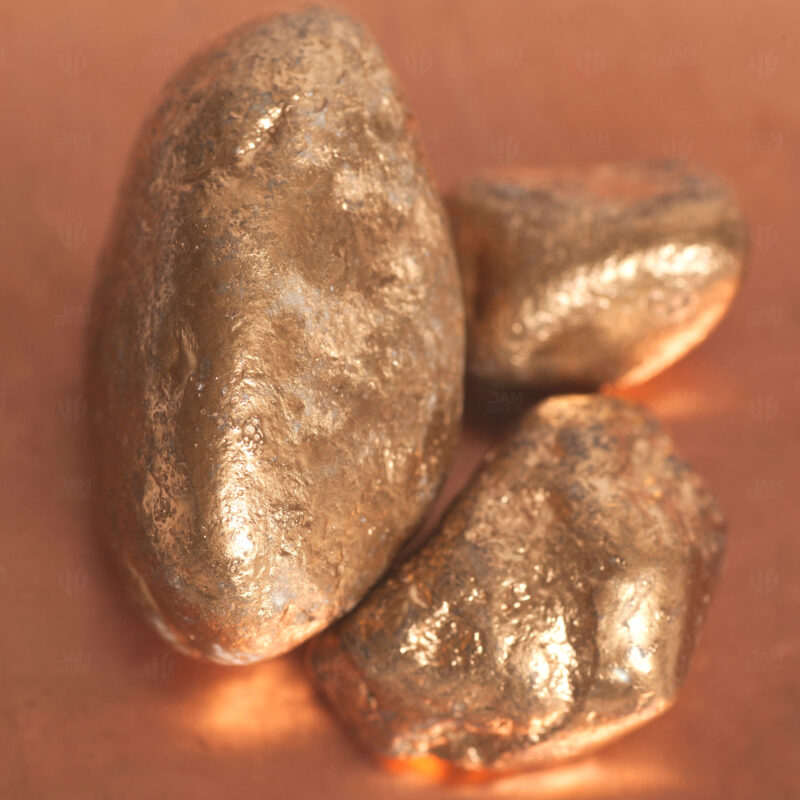
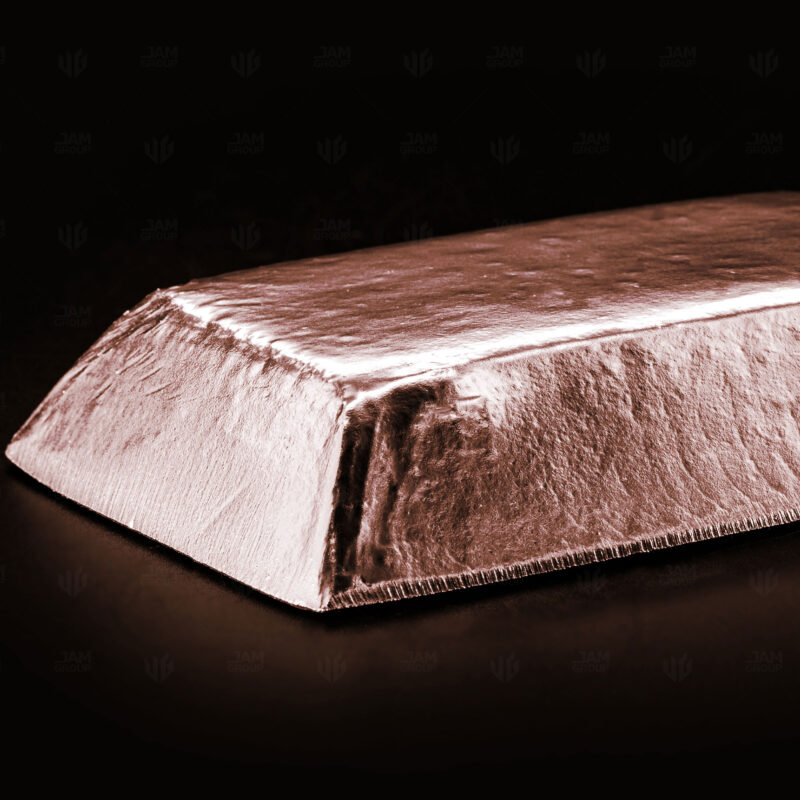
Copper Ingots are cast units of refined copper used as a clean feedstock for remelting. Buyers select them when conductivity and repeatable manufacturing results matter, especially in electrical and precision fabrication work. Because copper properties can shift when trace impurities rise, procurement is not only about buying “copper,” but about matching a defined grade to the downstream process. In practice, the purchase is confirmed by documentation that links each lot to test results. The next sections explain how specification choices influence performance and risk in real production lines.
For Copper Ingots, the stated specification is only useful if the supplier can deliver it consistently across shipments. Purchasing teams therefore look for clear batch identification, a Certificate of Analysis (COA), and shipping paperwork that matches the delivered bundles. This approach reduces the risk of scrap, rework, or performance variation when ingots are remelted and cast into parts. JAM Holdings Group supports buyers by organizing supply, documentation, and export execution around the agreed grade and order terms, so the material arrives ready for controlled processing.
What are Copper Ingots?
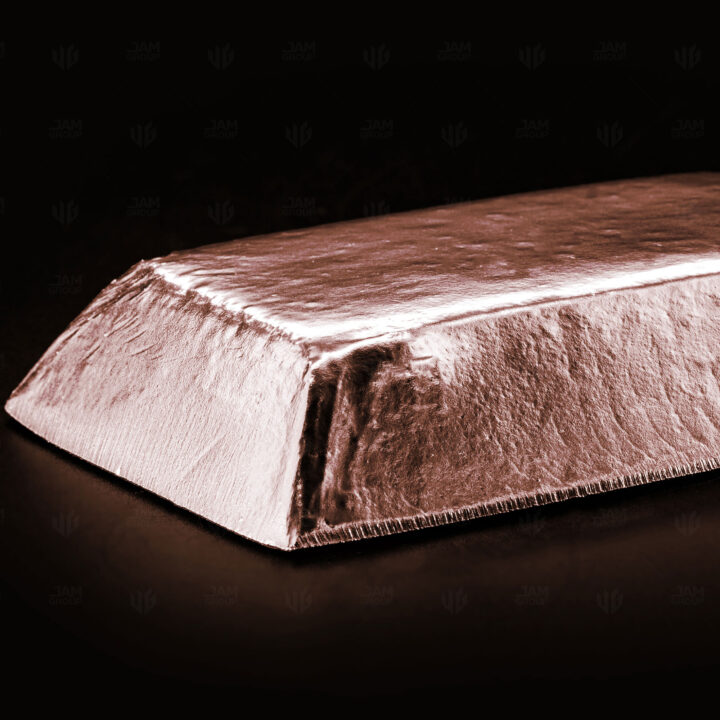
Copper Ingots are metallic copper pieces produced by melting refined copper and casting it into standardized units for transport and remelting. They are used as an input material rather than a finished component, so buyers typically specify the required copper grade, impurity limits, and the physical format that fits their furnaces and handling equipment. In commercial use, the term “ingot” describes the shape, not the purity level. For that reason, procurement should rely on an agreed standard or buyer specification and confirm each lot (batch) through COA data and lot markings on the packaging.
Chemical & Physical Specifications of Copper Ingots
Copper Ingots are purchased on specification, and the most important controls are chemical purity and impurity limits that affect electrical performance and melt behavior. Even small amounts of certain elements can reduce conductivity or change how the metal flows and solidifies, which can lead to defects after casting, rolling, or extrusion. Physical requirements also matter, including form factor, surface cleanliness, and packaging integrity, because contamination can carry into the melt. Numeric values such as purity, density, or melting point should be taken from the agreed standard and confirmed on the COA for the supplied lot.
- Purity & Composition:
Purity is defined by the copper (Cu) assay on the COA and the agreed limits for controlled impurities. Procurement checks often focus on elements that can lower conductivity or disturb casting, such as lead, iron, nickel, zinc, tin, sulfur, and oxygen, depending on grade. If limits are not stated in the contract, confirm them against an agreed standard.
- Appearance & Physical Standards:
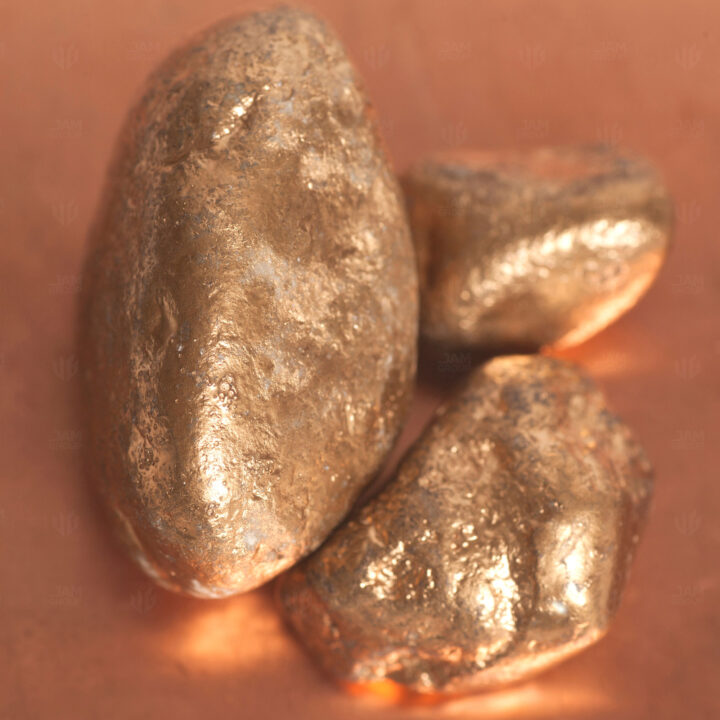
Copper Ingots are supplied as solid cast pieces, and buyers typically expect a consistent form with no mixed-metal contamination. A light surface oxide film can form during storage, but excessive scale, trapped dirt, oil, or foreign inclusions can reduce remelt yield. Receiving checks usually cover surface condition, bundle integrity, and readable lot markings that match the COA and packing list.
- Solubility & Density:
For metals, solubility in water is not a common purchasing parameter, so buyers look at density only when required for design or logistics. Density for Copper Ingots is Not provided here and should be confirmed from the TDS or the agreed standard reference in the documentation pack. If it is critical, align on the reference before ordering.
- Thermal Properties:
Thermal properties matter mainly for remelting and casting. The melting point and any processing notes, such as oxidation behavior at high temperature, should be taken from the TDS or an agreed standard reference if your process requires them. Numeric thermal values are Not provided in this workflow, so confirm them before setting furnace parameters or acceptance criteria.
- Insolubles / Residue / Moisture:
For Copper Ingots, the practical control is cleanliness rather than “moisture content” as used for powders. Buyers avoid non-metallic inclusions, oily residues, and trapped water that could flash to steam when ingots enter a hot furnace. Storage should keep bundles dry, separated from scrap, and protected from chemical residues that may contaminate the melt.
Reactivity, Stability & Performance of Copper Ingots
Copper Ingots perform well when the grade matches the process and the impurity profile is controlled. In remelting, cleaner material typically produces less unwanted oxide and waste, which improves usable metal yield. For electrical uses, conductivity is influenced by the selected grade and the level of trace elements, so consistency across lots is often more important than a single “typical” value. Stability during storage is mainly about preventing contamination and managing surface oxidation. Performance claims should therefore be tied to COA results and to the buyer’s own melt and product tests.
- Conductivity / Electrical Performance:
Conductivity is a key reason buyers choose Copper Ingots, but it depends on grade and impurity profile, not just on appearance. If a conductivity value is required, it should be specified by the buyer and supported by the agreed standard or the supplier’s documentation for the lot. When values are not documented, focus on consistent COA chemistry and processing results.
- Corrosion / Reaction Profile:
Copper Ingots are generally stable, but they can oxidize on the surface during storage, especially in humid or salty environments. This oxide film is usually manageable, yet heavy scale or contamination can increase dross (oxidized waste) during remelting. To limit reaction risks, keep ingots away from aggressive chemicals and segregate them from mixed-metal scrap and corrosive residues during handling.
- Toxicity & Safety Profile:
Copper Ingots are solid metal, so the main risks in typical use are physical hazards such as heavy lifting, sharp edges, and pinch points during bundling and loading. Sites should follow SDS guidance where provided and comply with local safety rules for metal handling. Use appropriate PPE, and control furnace charging practices to avoid incidents related to moisture or impact.
Available Grades, Forms & Supply Formats
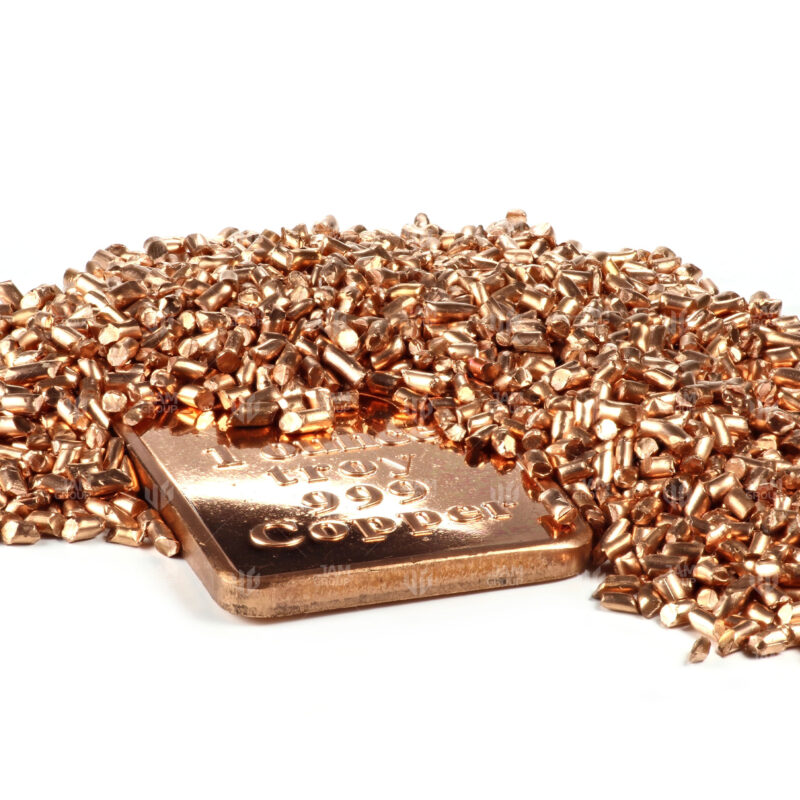
Copper Ingots are sold in different grade families, and buyers choose between them based on how sensitive the end product is to conductivity, casting quality, and defect risk. A general industrial grade may fit alloying and non-critical remelt work, while higher-purity grades are selected when performance variation is not acceptable. The commercial form can also vary, with ingots used where easy charging and storage are needed, and other cast formats used for specific production lines. Any stated grade, form, unit weight, and bundle configuration should match the contract and be confirmed on the packing list and COA. In the following, you can get to know most used copper ingot grades in the industrial sector.
LME “Grade A” copper
This grade is an exchange-traded benchmark for refined copper, most often supplied as cathode metal that meets composition requirements set by recognized standards. It is used when contracts need a clear, widely understood purity basis for pricing, settlement, and acceptance. In industrial supply chains, Grade A cathode commonly serves as melt feed that can be remelted and cast into ingots, billets, or wire rod. Procurement teams verify lot identity, COA chemistry, and shipment documents that support traceability from receipt to remelt batch.
EN 1978 cathode grades
It provide a European framework for specifying copper cathodes intended for melting. The standard defines named categories, including Cu-CATH-1 and Cu-CATH-2, with chemical limits that help purchasers compare offers and align requirements across suppliers. These grades are selected when stable melt behavior and a controlled impurity ceiling are needed before casting or continuous conversion. Key buying points include the grade designation on the contract, batch identification on units, and a COA that matches the shipment for incoming inspection.
ETP (Electrolytic Tough Pitch)
This copper ingot grade is a standard high-conductivity grade used for many electrical products and general copper fabrication. Produced from electrolytically refined copper, it contains a controlled oxygen level that supports conductivity and good forming performance for rolling, drawing, and stamping. ETP is widely specified for busbars, connectors, and wire-related applications where cost and properties must align. For hydrogen brazing or strongly reducing-atmosphere heating, some manufacturers prefer oxygen-free or deoxidized grades to reduce risk. Acceptance is tied to the selected standard and COA chemistry.
FRHC (Fire-Refined High Conductivity)
This grade is a recognized high-conductivity category produced by fire refining and then cast into refinery shapes such as ingots or ingot bars. It is used as remelt feed for rod, castings, and other copper products where conductivity and chemistry stability are important, even though the refining route differs from fully electrorefined grades. Selection depends on the buyer’s standard, impurity tolerance, and end-use sensitivity. Purchasing control points include defined chemistry limits, traceable lot marking, and shipment-to-COA matching.
OFE (Oxygen-Free Electronic)
It is an oxygen-free, very high-purity grade used where gas-related defects and trace contamination must be tightly controlled. It is frequently specified for vacuum hardware, high-frequency components, and joining methods such as hydrogen brazing, where oxygen-bearing copper can create reliability concerns. OFE is also valued when stable conductivity and a clean internal structure are required under demanding service conditions. Typical procurement requirements include strict impurity limits, oxygen control per grade, and careful handling to avoid surface contamination before remelting.
OF (Oxygen-Free)
The mentioned grade is specified when low oxygen content is required, but the application does not always need the most stringent electronic-grade purity category. It is used in many electrical parts, heat-transfer components, and manufacturing routes where oxygen-bearing grades could complicate joining or introduce variation after thermal cycling. Compared with ETP, oxygen-free copper is often chosen to reduce hydrogen-related issues in certain heating and brazing environments. A sound purchase specification defines the grade, impurity limits on the COA, and clear lot marking on bundles.
DLP (Deoxidized, Low Phosphorus)
It is made by removing oxygen from molten copper using phosphorus, leaving only a small residual phosphorus level. This improves weldability and brazing performance compared with oxygen-bearing grades, while keeping conductivity relatively high for many industrial requirements. DLP is often selected for parts that need both electrical function and reliable joining, where reduced porosity supports fabrication consistency. Quality control typically focuses on confirming residual phosphorus and key impurities within the agreed limits on the COA to ensure process fit.
DHP (Deoxidized, High Phosphorus)
DHP is a phosphorus-deoxidized grade designed to support strong joining and leak-tight fabrication, especially for tubes and fittings. The higher residual phosphorus level helps reduce oxygen-related porosity, which is why DHP is widely used in plumbing and HVAC tubing applications. The trade-off is reduced electrical conductivity compared with high-conductivity grades, so it is rarely chosen for conductor-critical products. Purchasing practice is to define the grade clearly and verify the phosphorus and impurity profile on the COA, alongside clean packing and traceable lots.
Copper Ingots Production Process
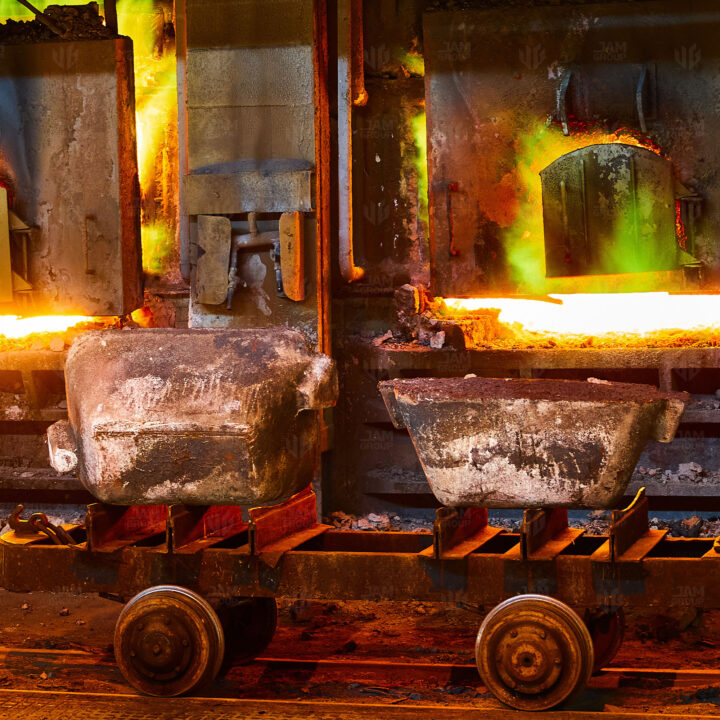
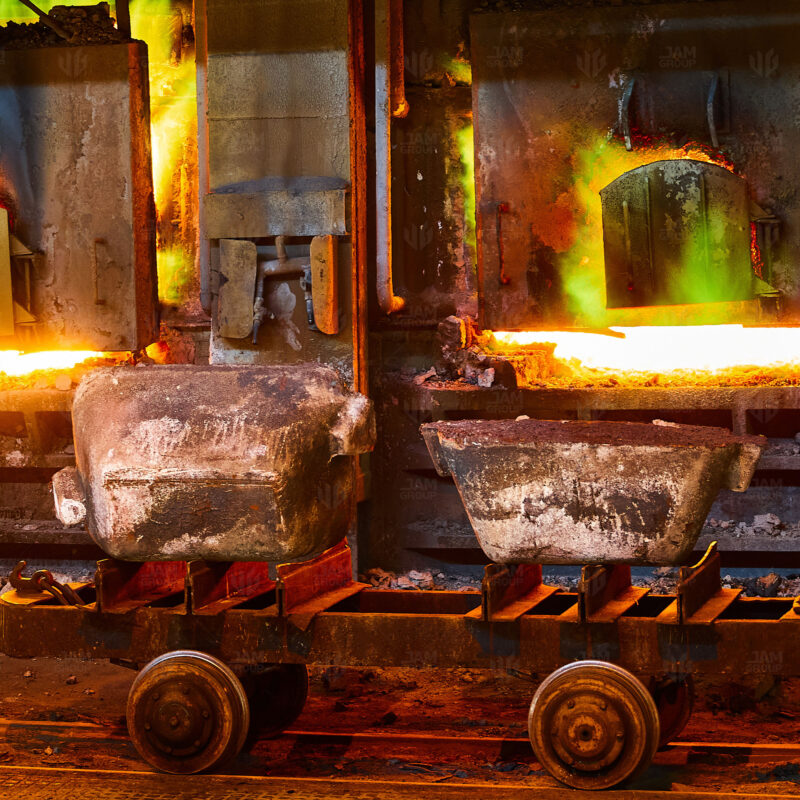
Copper Ingots are typically produced by refining copper to a target purity and then melting and casting it into solid units. Depending on the supply route, refining may involve electro-refining, a process that uses electricity to purify copper, before casting. The molten copper is poured into molds, cooled, and then prepared for shipment, sometimes with simple surface cleaning or trimming. Because buyers use ingots as a process input, the objective is not decorative appearance, but predictable chemistry and remelt behavior that aligns with the agreed grade.
After casting, lots are separated and identified so that test results can be traced back to the delivered material. Quality release commonly relies on chemical analysis, reported as a Certificate of Analysis (COA) for the batch, and basic visual checks to remove pieces with heavy contamination or obvious casting defects. Once approved, ingots are packed in a format suitable for safe handling and transport, and shipment documents are prepared to match the order terms. Where a buyer needs tighter controls, acceptance criteria should be defined in the contract and verified on the COA.
Safe Handling & Storage of Copper Ingots
Copper Ingots should be stored in a clean, dry, and covered area to reduce oxidation and prevent contamination that could enter the melt. Segregation is important: keep ingots away from mixed-metal scrap, powders, salts, and chemicals that can leave residues on the surface. Handle bundles with equipment rated for the load, and maintain readable labels so batch identity is preserved from receipt to charging. If an SDS is provided for the shipment, follow it along with local safety and warehouse regulations, especially for lifting practices and traffic control.
Common handling issues are preventable with simple controls. First, moisture exposure can accelerate oxidation and can create hazards if wet pieces are charged into a hot furnace, so protect stock from rain and standing water. Second, cross-contamination from scrap yards, lubricants, or dusty floors can raise dross and defects; use clean storage zones and avoid contact with oils. Third, damaged strapping or pallets can cause injuries and make traceability unclear; inspect packages on arrival and resecure them before internal transport. Use gloves, eye protection, and safety footwear as standard PPE.
About JAM Holdings Group’s Copper Ingots
JAM Holdings Group supplies Copper Ingots for buyers who require controlled documentation and export-ready delivery. For each order, the supply program is organized around the agreed grade requirements, including lot identification and a Certificate of Analysis (COA) that reports the batch chemistry. This structure helps procurement teams compare deliveries across time and reduces ambiguity when a downstream plant evaluates melt yield or electrical performance. Where buyers request additional checks, the scope is defined contractually so the inspection method, sampling plan, and acceptance criteria remain aligned with the intended application.
JAM Holdings Group as a Reliable Supplier
As a procurement partner, JAM Holdings Group focuses on reducing avoidable order risks: unclear specifications, incomplete paperwork, and mismatched lot identity. Before shipment, the order can be aligned with documented COA results, packaging labels, and a packing list that supports receiving checks at destination. If the buyer needs independent verification, third-party inspection can be discussed and arranged when agreed in the contract, including the inspection scope and reporting format. Commercial terms, shipping mode, and delivery schedule are confirmed per order so buyers can plan production without relying on assumptions.
Sourcing & Facilities
For Copper Ingots, origin and sourcing route matter because they influence logistics planning, documentation requirements, and the buyer’s internal approval process. JAM Holdings Group keeps this discussion procurement-focused by confirming provenance details on the shipment documents agreed for the destination market. When supply is supported through a qualified partner network, the emphasis is on consistent grade control, lot traceability, and a COA that ties chemistry results to the delivered bundles. If the buyer requires a specific origin or refining route, that condition should be stated in the contract and verified before dispatch.
Packaging & Logistics of JAM Holdings Group
Copper Ingots are usually packed to protect both safety and traceability during loading, transit, and unloading. For metal shipments, this often means bundled units secured with strapping and supported on pallets or skids, with wooden supports used where required by handling conditions. The exact packing format should be confirmed for each order and reflected on the packing list. Labels should show the product name, batch or heat number, package count, and net and gross weights, so receiving teams can match what arrives to the COA and the shipment paperwork.
| Property | Specification | Test Method / Reference |
|---|---|---|
| Chemical Type | Refined metallic copper ingots for remelting | Contract / applicable copper grade standard (e.g. ASTM, EN, JIS) |
| Copper (Cu) Purity | Typically ≥ 99.9 wt% Cu (grade‑dependent; confirm against agreed standard and COA) | ICP‑OES / ICP‑MS or equivalent elemental analysis |
| Controlled Impurities (Pb, Fe, Ni, Zn, Sn, S, O)* | Each impurity within grade‑specific max. limits; limits to be agreed in contract and verified on COA | ICP‑OES / ICP‑MS; O by gas analysis (e.g. inert gas fusion) |
| Appearance | Solid cast ingots; free from mixed‑metal contamination, excessive scale, heavy rust, oil, or non‑metallic inclusions |
Visual inspection to agreed acceptance criteria |
| Surface Cleanliness | Visibly clean; light oxide film acceptable; no trapped dirt, grease, or loose foreign matter affecting remelt | Visual inspection |
| Form / Dimensions | Standard ingot shape and nominal dimensions as agreed (tolerance per supplier standard) | Dimensional check with tape / calipers |
| Bundle Integrity & Marking | Bundles securely strapped; each bundle/ingot marked with grade, lot/heat number, and supplier ID matching COA | Visual / document check against COA and packing list |
| Density @25 °C | Typical of solid copper for specified grade; reference value from agreed standard or TDS | Reference standard / literature (no routine lot test) |
| Melting Behavior | Suitable for remelting at copper processing temperatures; melting point and practice per agreed standard/TDS | Reference standard / TDS; process verification as needed |
| Storage | Store dry, under cover, away from corrosive chemicals and scrap; prevent standing water on or between ingots | Internal handling & storage procedure |
| Packing | Bundles on pallets or suitable supports; packaging to withstand normal transport and handling without damage | Visual inspection on receipt |
| Shelf Life | Indefinite under recommended storage; periodic inspection for corrosion or contamination | Periodic visual inspection |
Typical Applications of Copper Ingots
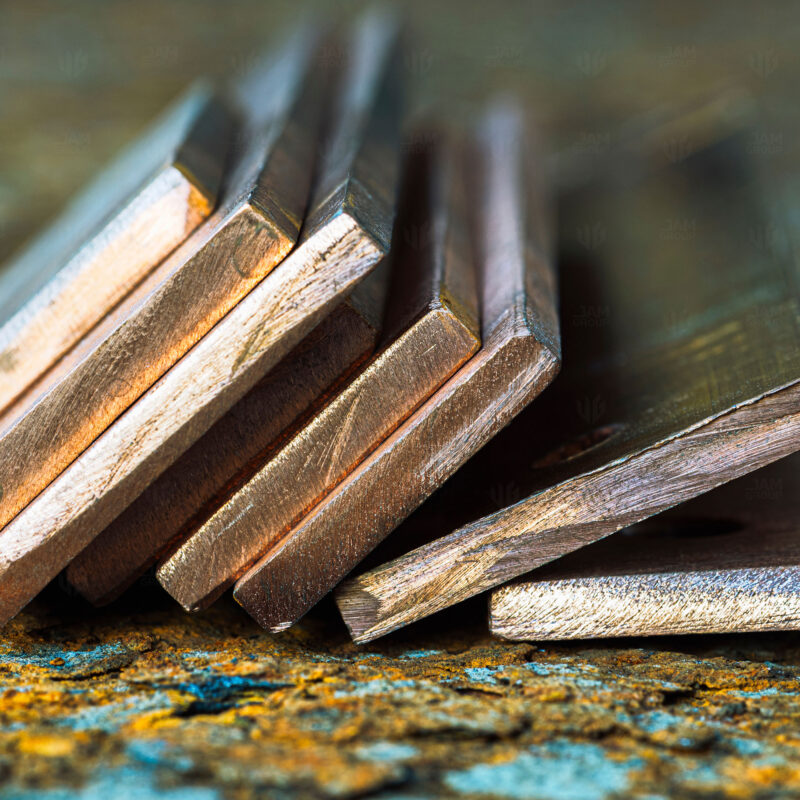
Copper Ingots are widely used as a remelt input across electrical and industrial value chains. Common applications include producing wire rod and other conductor products, making busbars and electrical connectors, and supplying copper-based parts for construction services. They are also used as feedstock for copper-alloy production, such as brass and bronze, and for general foundry casting where copper chemistry must be controlled. The correct application depends on the selected grade, so buyers should match the intended use to the required impurity limits and confirm suitability through COA data and process trials.
○Can you send Copper Ingots as samples before we place a bulk order?


Yes, this can be considered during the offer stage, but sample availability depends on inventory and the order setup. For metal ingots, a sample is usually either a small section cut from an ingot or a single, clearly identified unit. If you plan to run lab checks or a trial melt, the sample should be linked to a specific lot and backed by the same Certificate of Analysis (COA) basis used for the main shipment, so results remain comparable.
○Is independent inspection possible prior to loading?
Independent inspection can be organized when requested and written into the contract. The inspection plan should be agreed in advance and may include visual condition checks, verification of packaging and markings, review of documentation, and sampling for chemical testing if required. Timing is arranged around the dispatch schedule, and the commercial terms should clarify who pays for the inspection and how any findings are handled before the shipment is released.
○Which shipping documents will I receive with the cargo?
The documentation set is defined in the sales agreement and is designed to support customs clearance and receiving control at destination. For Copper Ingots, buyers typically require a commercial invoice, a packing list, a bill of lading, a certificate of origin, and a lot-based Certificate of Analysis (COA). If a third-party inspection is included, the inspection report is added to the pack. Any destination-specific paperwork should be agreed before shipment preparation begins.
○How do you handle Incoterms and payment arrangements?
Delivery terms and payment conditions are set per transaction, taking into account the destination, shipment structure, and buyer profile. To keep responsibilities clear, the contract should state the chosen Incoterm, the payment method, currency, and which party covers freight, insurance, and customs-related steps. If you prefer a specific delivery term or payment tool, share it early so the quotation can reflect it correctly and avoid adjustments after production or booking is underway.
○How long does it usually take to dispatch after order confirmation?
Dispatch timing depends on whether the requested grade and physical format are immediately available or need preparation, such as sorting, labeling, or packing to the agreed shipment format. The schedule also changes with order volume, any inspection requirement, and the selected route or vessel booking. The shipment timeline is confirmed during order finalization, once specifications, documentation needs, and logistics details are aligned, so your production planning is based on a realistic dispatch window.
HOW CAN JAM GROUP HELP YOU?
Send us a message and our friendly team will get back to you within one business day.