


















Hydrogen Peroxide stands as a foundational oxidizing agent across industrial sectors, valued for its rapid decomposition into harmless water and oxygen, leaving no problematic residue behind. Industrial buyers depend on this chemical for consistency in concentration, stabilizer formulation, and contamination-free delivery; factors that directly shape bleaching outcomes, disinfection efficacy, and process safety. Selecting a trusted supplier means access to reliable grades matched to your specific application, whether pulp processing, textile finishing, water remediation, or precision cleaning.
Supply-chain credibility for Hydrogen Peroxide rests on measurable performance: batch-to-batch assay stability, documented stabilizer systems, and meticulous transport handling. A dependable partner ensures every shipment arrives with complete traceability records, verified analysis certificates, and Safety Data Sheets tailored to the concentration you receive. This foundation of transparency protects your operations from unexpected decomposition, cross-contamination risks, and equipment incompatibility issues during loading, storage, and daily dosing. JAM Holdings Group brings systematic quality oversight and export discipline to every transaction, transforming specification compliance into operational confidence.
What is Hydrogen Peroxide?
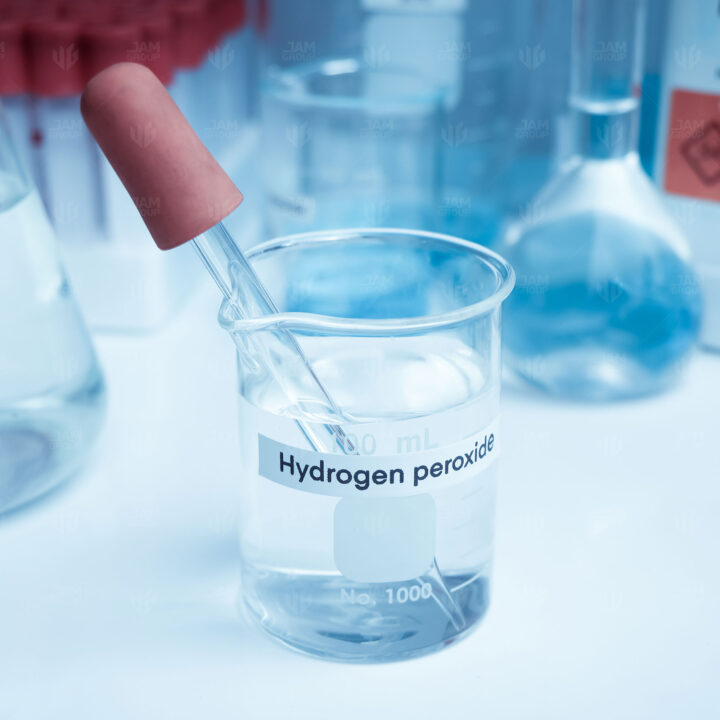
Hydrogen Peroxide (H₂O₂) is a straightforward inorganic peroxide (a compound built from hydrogen and oxygen) delivered industrially as an aqueous solution across a range of concentrations. Its defining characteristic is powerful oxidation capability combined with decomposition into only water and oxygen, making it uniquely suitable for applications where chemical residue cannot be tolerated. The substance functions as both a bleaching and disinfection agent and finds deployment across pulp mills, textile factories, treatment plants, mining operations, and electronics fabrication facilities. Industrial-grade formulations are stabilized to resist premature breakdown and classified as dangerous goods for transport and storage purposes.
Chemical & Physical Specifications of Hydrogen Peroxide
The specifications governing Hydrogen Peroxide define its suitability for your intended use: the percentage of active H₂O₂ by weight, pH balance, stabilizer composition, and traces of catalytic metals that accelerate or inhibit decomposition. These parameters influence how long the product remains shelf-stable, how effectively it performs in your bleaching or oxidation process, and whether it will corrode or degrade your equipment and process vessels. Procurement professionals must anchor all numeric values to supplier documentation—SDS, TDS, or COA—since industrial grades vary by producer and application class. Specifications without documented backing create operational risk and should be avoided.
- Purity & Composition:
Industrial Hydrogen Peroxide is specified as a percentage concentration by weight, commonly in ranges such as 27%, 35%, 50%, or stronger formulations, determined by end-use requirements and equipment design. Producers carefully manage stabilizer additives and limit trace metals—iron, copper, manganese, and others—because even small quantities of these elements catalyze decomposition, shortening storage life and generating unwanted heat and pressure. Each product line includes a declared purity basis and documented impurity ceiling, verified through batch analysis. Buyers must request and verify the exact composition and limits from the seller’s current COA for each delivery lot.
- Appearance & Physical Standards:
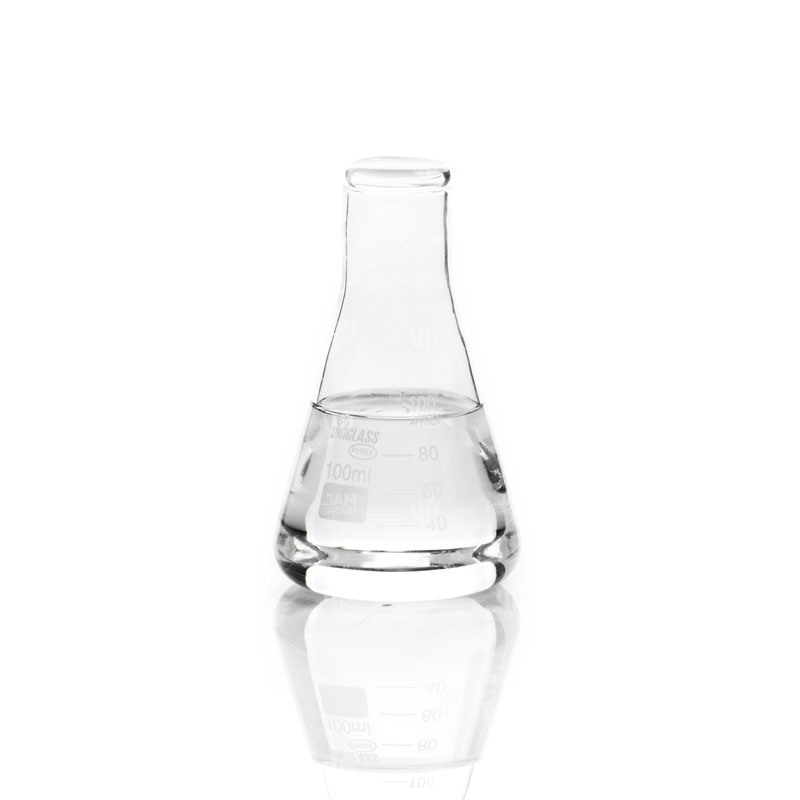
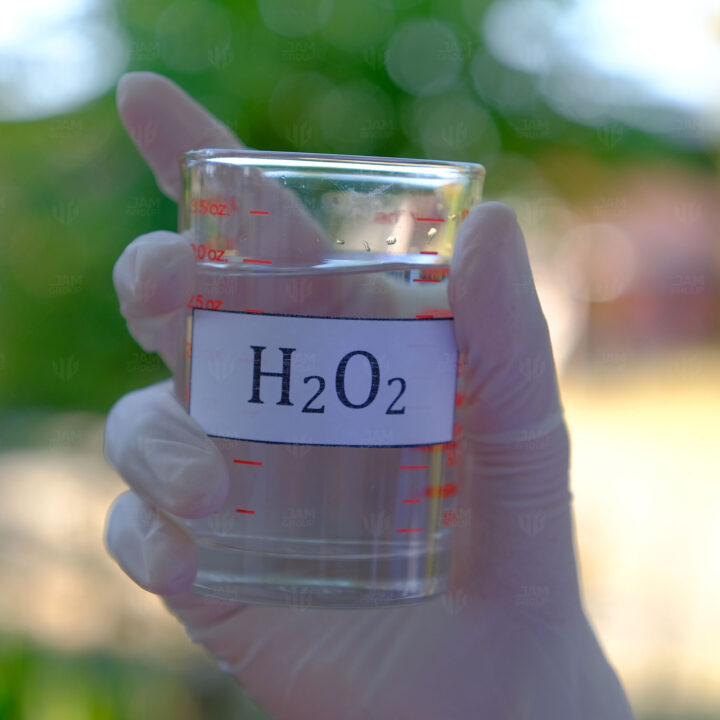
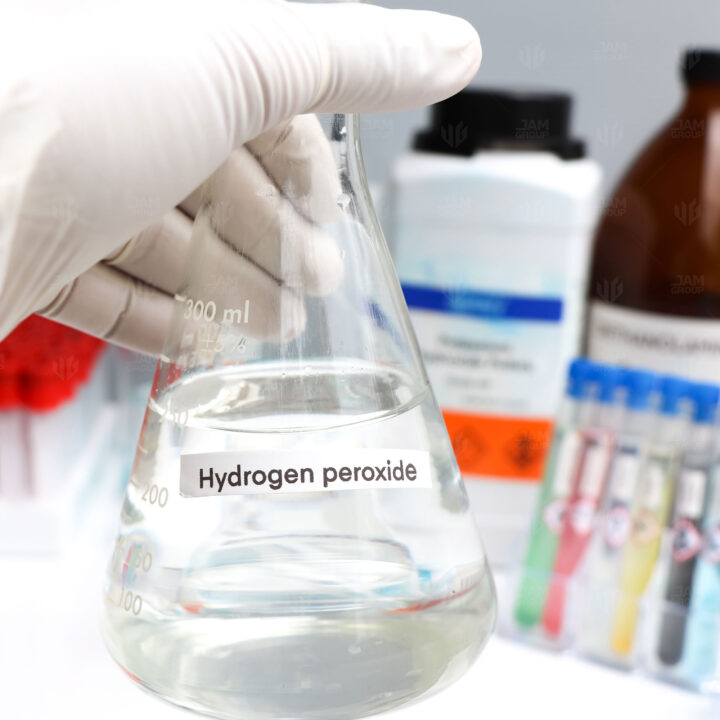
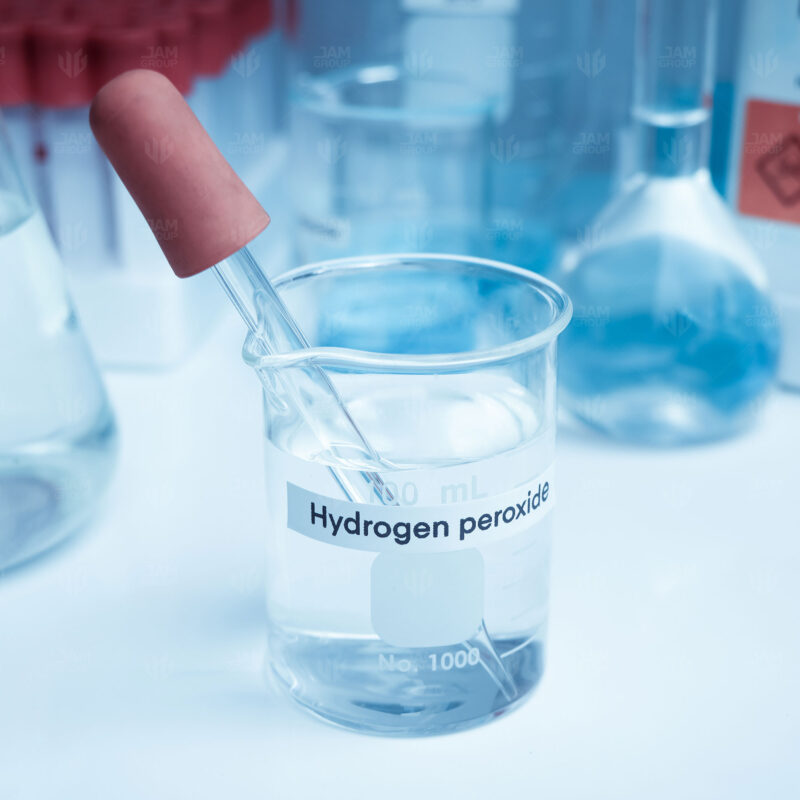
Hydrogen Peroxide in its industrial form appears as a crystal-clear, colorless liquid, free from visible turbidity, suspended particles, or discoloration. Any cloudiness, visible precipitate, or off-color signals contamination or chemical degradation and warrants immediate rejection. The liquid is fully miscible with water, forming a homogeneous single phase at all typical storage temperatures. Odor descriptors—if mild or neutral—should only be cited from verified supplier SDS documentation. Visual inspection at receipt offers a rapid, preliminary quality gate; however, it does not replace laboratory confirmation of assay and impurity profiles.
- Solubility & Density:
Hydrogen Peroxide solutions dissolve completely and uniformly in water across all typical concentration ranges, a property that simplifies dosing, dilution, and integration into aqueous process systems. Density increases proportionally with concentration, a relationship documented in supplier Technical Data Sheets and essential for accurate mass-to-volume calculations in metering systems, custody transfers, and inventory accounting. Solutions are free-flowing liquids at ambient conditions, requiring no particle sizing or flowability adjustments. Specific gravity and viscosity data, when provided in the TDS, enable engineering teams to size pumps and piping correctly and to plan container handling safely.
- Thermal Properties:
Hydrogen Peroxide undergoes exothermic decomposition, releasing heat and oxygen gas, with decomposition rate rising sharply as temperature increases. Higher-concentration solutions are correspondingly more temperature-sensitive and demand stricter thermal management during transport and storage. SDS and supplier safety guidelines typically specify maximum recommended storage temperatures—commonly well below 40 °C—and describe decomposition behavior at elevated temperatures or in the presence of catalysts. Buyers should reference the specific grade’s SDS for exact thermal thresholds and any special precautions required for their process conditions or warehouse environment.
- Insolubles / Residue / Moisture:
Industrial specifications set quantitative limits on water-insoluble matter, ash or residue after evaporation, and other contaminants that could foul process equipment or degrade end-product quality. For Hydrogen Peroxide destined for pulp bleaching, textile preparation, or electronics cleaning, controlling residues is critical because even trace particulates can leave marks, reduce brightness, or compromise surface finish. Moisture content, while naturally present in aqueous solutions, is sometimes managed within tight windows for certain specialized applications. Each batch’s analytical report—the COA—documents these parameters and confirms conformance to the contracted specification.
Reactivity, Stability & Performance of Hydrogen Peroxide
Hydrogen Peroxide’s oxidizing power is its greatest asset and its primary risk: it will break down spontaneously, especially under heat, light, or contact with trace metals or organic contaminants, liberating oxygen and heat. Industrial-grade formulations are chemically stabilized to resist this tendency, but decomposition still occurs gradually over time, making storage conditions and material compatibility paramount. Operational performance in bleaching, disinfection, or remediation depends on concentration, process pH, contact time, and temperature—all factors that must align with your application requirements and equipment design. Selecting the right grade and matching it to your process parameters ensures both efficacy and safety.
- Chemical Stability:
Hydrogen Peroxide solutions continuously lose active content over time, the rate governed by storage temperature, light exposure, contamination, and stabilizer effectiveness. Products stored in warm, bright, or contaminated conditions decompose faster, sacrificing efficacy and potentially creating uncontrolled gas release in sealed containers. Suppliers publish estimated shelf-life windows—often months to years depending on concentration and storage discipline—in their Technical Data Sheets. Buyers must factor expected decomposition into inventory management, ordering frequency, and storage rotation to ensure batches reach the production line within their specified useful life.
- Reaction Profile:
As a potent oxidizer, Hydrogen Peroxide reacts vigorously with reducing agents, many organic materials, certain metals, and combustible substances, and must be segregated strictly from these incompatibles. Equipment in direct contact—tanks, pumps, piping, valves—must be fabricated from materials explicitly approved for oxidizing liquids: selected stainless steels, certain aluminum alloys, specialized plastics, or epoxy-lined carbon steel. Equipment unsuitable for oxidizers will corrode rapidly or fail catastrophically. Before installation or process modification, buyers should consult the supplier’s SDS and seek engineering guidance specific to their system’s materials, age, and operating conditions.
- Safety Profile:
Hydrogen Peroxide at industrial concentrations is corrosive and irritating to skin, eyes, and mucous membranes; inhalation of vapor or mist can irritate the respiratory tract. The severity of these effects scales with concentration—dilute solutions pose lower hazard than concentrated ones. Precise hazard classifications, exposure limits, emergency first-aid steps, and PPE requirements are concentration-specific and codified in the product’s SDS. Buyers bear responsibility for ensuring all personnel receive training on SDS contents, appropriate precautions, emergency procedures, and local occupational health regulations before any handling occurs.
Available Grades, Forms & Supply Formats of Hydrogen Peroxide
Industrial Hydrogen Peroxide markets offer a spectrum of solution strengths and purity levels, typically grouped as technical or standard industrial grades for mainstream applications and specialized higher-purity grades for electronics, food-contact sterilization, or sensitive manufacturing. The choice hinges on your process type, regulatory environment, equipment tolerances, and performance targets. Buyers should always validate that the proposed grade (its concentration, stabilizer package, and impurity profile) aligns with their intended use and complies with any relevant standards or customer requirements before committing to supply agreements or large purchases. Below, you will find the most frequently utilized grades of this substance.
The Industrial Grade
Industrial-grade Hydrogen Peroxide is formulated for robust mainstream applications across pulp bleaching, textile processing, wastewater oxidation, and general chemical manufacturing. Typical concentrations span 27%, 35%, 50%, and sometimes 70%, each stabilized with inorganic additives—commonly tin-based compounds—to resist premature decomposition during storage and transport. This grade tolerates controlled levels of trace metals and other impurities that do not interfere with conventional industrial equipment or process outcomes. Specification sheets define assay limits, pH ranges, stabilizer content, and maximum allowable contaminants such as iron, copper, and residue after evaporation. Buyers select industrial grade when cost efficiency, reliable oxidation performance, and compatibility with standard materials of construction are priorities, and where ultra-low impurity levels are not mandatory for the target application or end product.
The FCC Grade
FCC-grade Hydrogen Peroxide meets Food Chemicals Codex standards and is approved for indirect or direct contact with food-processing systems and organic farming operations. Concentrations typically range from 30% to 50%, with 35% being the most widely supplied strength for sanitizing food-contact surfaces, dairy equipment, produce treatment, and aseptic packaging sterilization. This grade is manufactured to strict purity criteria: heavy metals, chlorides, and organic contaminants are held to extremely low levels, and stabilizers—if present—must comply with food-safety regulations. FCC specifications also control residue limits and ensure the product decomposes cleanly into water and oxygen without leaving harmful residues. Food and beverage processors, organic farms, and packaging facilities choose FCC grade when regulatory compliance, consumer safety, and clean-label expectations are non-negotiable procurement requirements.
The USP Grade
USP-grade Hydrogen Peroxide conforms to United States Pharmacopeia monograph standards and European Pharmacopoeia requirements, making it suitable for pharmaceutical formulations, medical antiseptics, and healthcare products intended for human use. Common concentrations include dilute solutions at 3% to 6% for topical wound care, mouthwashes, and ear cleaning, as well as concentrated 30% to 33% solutions for controlled dilution in pharmacy compounding and medical manufacturing. USP specifications impose stringent limits on chlorides, sulfates, heavy metals, and residue after evaporation, ensuring safety for direct application to skin and mucous membranes. This grade undergoes extensive testing and batch documentation aligned with pharmaceutical quality systems. Buyers in the pharmaceutical, medical device, and healthcare sectors rely on USP-grade product when regulatory approval, patient safety, and traceability are essential to market authorization and clinical use.
The Reagent Grade
Reagent-grade Hydrogen Peroxide, also known as ACS grade when it meets American Chemical Society purity standards, is designed for laboratory and analytical chemistry applications where precise composition and minimal impurities are critical to experimental accuracy. Typical concentrations fall near 30% to 32%, with specifications that tightly control chlorides (often below 3 ppm), residue after evaporation (less than 0.002%), and titrable acid content. This grade supports demanding procedures such as DNA and protein extraction, titrations, controlled oxidation reactions, and other research workflows where trace contaminants could skew results or interfere with sensitive detection methods. Reagent-grade product is supplied with detailed certificates of analysis documenting batch-specific impurity profiles and assay values. Research institutions, university laboratories, pharmaceutical R&D teams, and quality-control labs choose reagent grade when reproducibility, documented purity, and compliance with recognized analytical standards drive procurement decisions.
The Semiconductor Grade
Semiconductor-grade Hydrogen Peroxide represents the highest tier of purity, refined to parts-per-billion impurity levels to meet the exacting cleanliness demands of microelectronics fabrication and wafer processing. Concentrations are typically standardized near 31%, and grades are classified by cationic impurity limits: SEMI Grade 2 (EG-10) allows less than 10 ppb per individual metal ion, while ultra-pure variants such as EG-1, Pico, and PicoPlus tighten controls to 1 ppb, 0.1 ppb, and 0.01 ppb respectively. Some semiconductor grades are stabilizer-free to eliminate any risk of particulate formation or residue deposition on sensitive surfaces. Applications include photoresist stripping, wafer cleaning, printed circuit board etching, and advanced packaging processes where even nanogram-level contamination can compromise device performance or yield. Semiconductor manufacturers and electronics assembly facilities procure this grade when process nodes below 10 nanometers, ultra-high yields, and zero-defect surface finishes are production imperatives.
The Cosmetic Grade
Cosmetic-grade Hydrogen Peroxide is manufactured specifically for personal-care and beauty-product formulations, meeting regional regulatory standards for safety and purity in consumer applications. Concentrations of 35% and 50% are common, allowing manufacturers to dilute and blend the product into hair dyes, bleaching agents, fabric whiteners, antiseptic lotions, and mouthwashes. Cosmetic specifications control stabilizer selection, heavy-metal content, and residue levels to ensure compatibility with skin and hair while maintaining extended shelf life. Regulatory frameworks—such as EU Cosmetics Regulation—restrict hydrogen peroxide concentrations in finished products: typically 4% maximum for skin-contact items and 12% maximum for hair-bleaching preparations. Buyers in the cosmetics, salon, and personal-care industries select cosmetic grade when formulation stability, consumer safety, regulatory compliance, and brand reputation depend on verified purity and consistent performance across production batches.
Hydrogen Peroxide Production Process
Hydrogen Peroxide is manufactured primarily through the anthraquinone process, an established large-scale continuous method where an organic working solution undergoes alternating hydrogenation and oxidation cycles to generate H₂O₂. The resulting peroxide is extracted from the organic phase, purified through distillation or membrane separation, and concentrated to the target strength. The concentrated solution is then stabilized with carefully selected additives to resist decomposition during storage and transport. Quality-control testing—measuring assay, pH, stabilizer content, and trace metals—occurs at multiple production stages and concludes with final batch approval before packaging and shipment.
The product is then loaded into containers appropriate to its concentration and intended use. Concentration adjustment, filling into drums, IBCs, or bulk tankers, labeling with batch codes and hazard markings, and final inspection comprise the dispatch workflow. Each batch is assigned a unique identifier, linked to its manufacturing record, assay certificate, and stability data. Producers maintain detailed documentation systems to enable rapid recall or investigation should any quality deviation emerge in customer use. This traceability and systematic QC approach underpins the reliability that industrial buyers expect from professional chemical suppliers.
Safe Handling & Storage of Hydrogen Peroxide
Safe management of Hydrogen Peroxide begins with secure storage: maintain temperatures well below 40 °C in a cool, dry, well-ventilated space shielded from direct sunlight and heat sources. Containers must be specifically designed or lined to resist oxidizer contact; never use equipment intended for other chemicals without verification. Segregate Hydrogen Peroxide from all combustible materials, reducing agents, and organic substances; cross-contamination triggers accelerated decomposition and can generate dangerous heat and pressure spikes. Place containers on secondary containment or bunding to capture leaks, and install appropriate venting to allow safe escape of decomposition gases without creating sealed-vessel hazards.
Personnel handling Hydrogen Peroxide must wear compatible personal protective equipment: chemical-resistant gloves, eye and face protection, and protective clothing appropriate to the concentration and task. Respiratory protection may be necessary during opening, transfer, or response to spills in confined or poorly ventilated spaces. Always consult the product SDS for the specific concentration and your local occupational-safety regulations before initiating any work. Training must cover storage site familiarization, safe transfer procedures, incompatibility awareness, emergency response actions, and first-aid measures. Preventive discipline—routine inspection of containers, preventing contamination, maintaining clear labeling, and avoiding heat exposure—is far simpler and safer than managing a decomposition incident.
About JAM Holdings Group’s Hydrogen Peroxide
JAM Holdings Group functions as a comprehensive sourcing and export partner for industrial Hydrogen Peroxide, working closely with established production facilities to secure grades and concentrations matched to your operational needs. We coordinate full traceability from production through shipment, ensuring every batch is documented with assay certificates, Safety Data Sheets, and batch-identification codes. Our role bridges manufacturing oversight and customer service: we verify product conformance, arrange packaging in formats suited to your volume and handling capabilities, and prepare the complete export documentation package required for safe, compliant delivery. Serving as a supplier of Hydrogen Peroxide means standing behind not just the molecule, but the logistics and quality discipline that transforms specification into operational performance.
JAM Holdings Group as a Reliable Supplier
Reliability translates to consistency: every order receives the same rigorous handling protocol, specification verification, and documentation completeness. We welcome third-party inspections (whether at our staging facility or at the loading port) to verify quantity, packaging integrity, and quality alignment with your contracted terms. Pre-shipment verification checks encompass container condition, labeling accuracy, batch-code legibility, and documentation completeness. We offer flexible payment arrangements, including telegraphic transfer and letter-of-credit options, and support Incoterms such as EXW, FOB, CFR, and CIF, with final terms confirmed contractually for each shipment. Our commitment is to minimize surprises and maximize transparency: you know exactly what to expect because we document, verify, and communicate at every step. As an exporter of Hydrogen Peroxide, we recognize that your confidence depends on disciplined execution and honest communication.
Sourcing & Facilities
JAM Holdings Group sources Hydrogen Peroxide from a qualified partner network of established chemical producers positioned in regions with robust process infrastructure and dependable logistics corridors. This geographic and operational diversity ensures supply continuity, protects against single-point-of-failure risks, and enables flexible responses to demand shifts or shipping-route changes. Our sourcing strategy emphasizes sustained relationships with producers whose quality systems and safety records align with international best practices. We maintain oversight of production scheduling, stability monitoring, and concentration tolerances at partner sites, ensuring that every batch leaving our coordination meets contracted specifications. As a provider of Hydrogen Peroxide, we leverage this network to offer reliable, accessible supply without geographic volatility or seasonal interruptions.
Packaging & Logistics of JAM Holdings Group
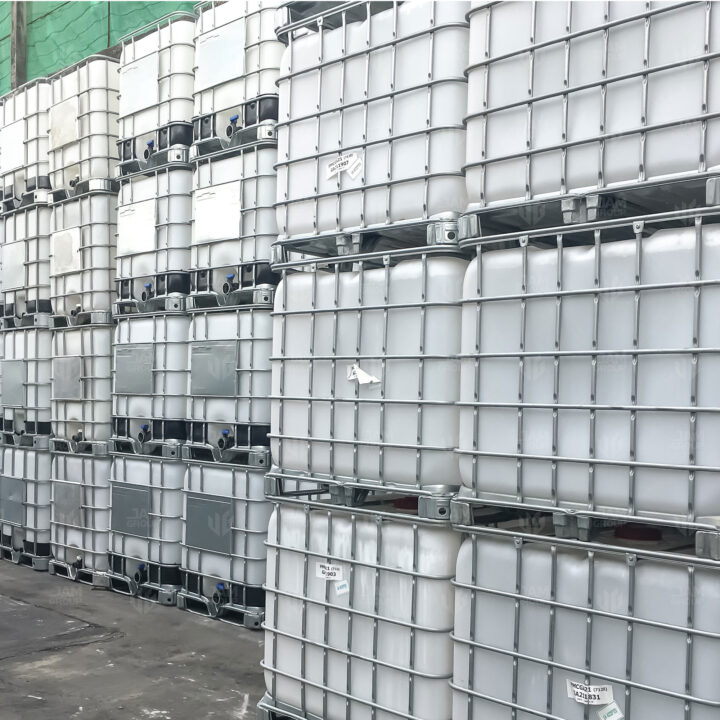
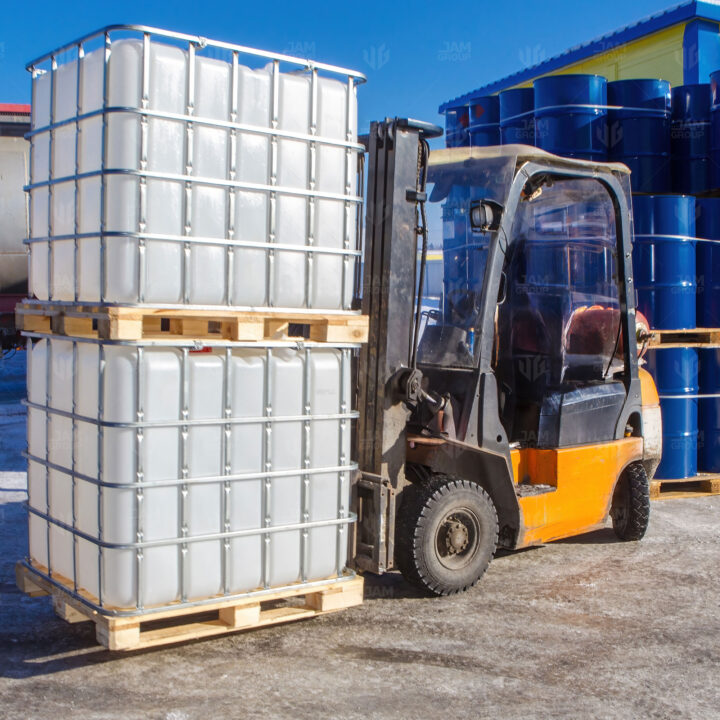
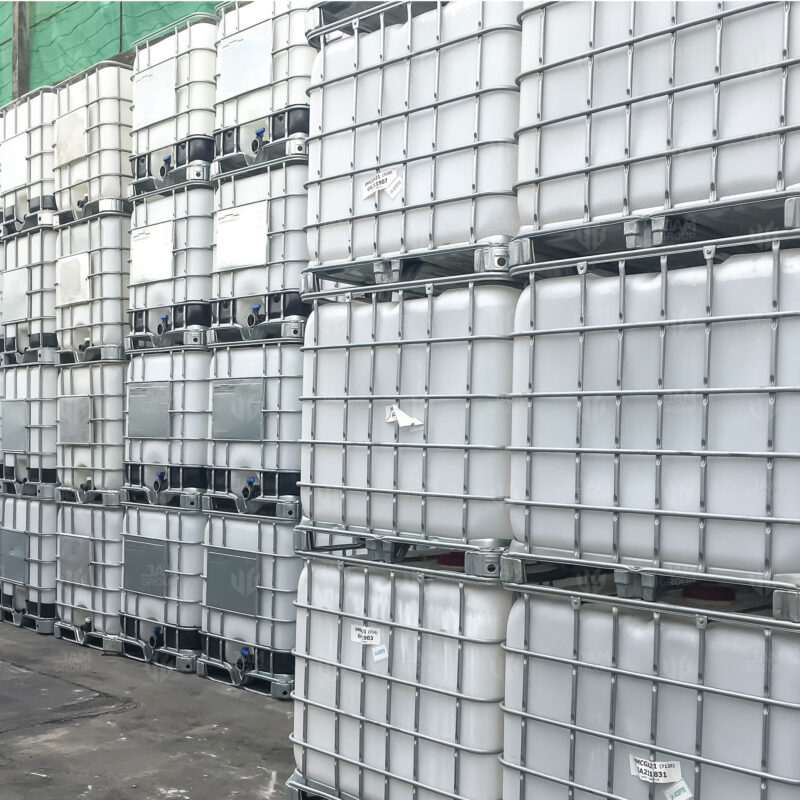
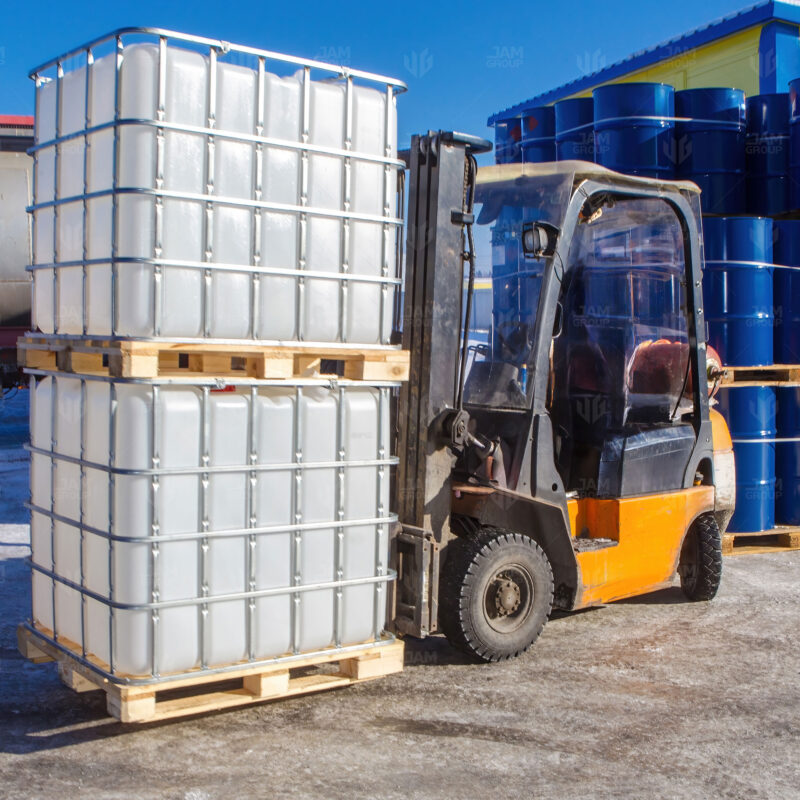
Hydrogen Peroxide shipments from JAM Holdings Group are packaged in formats compatible with oxidizer-transport regulations: HDPE lined drums, approved IBCs, or bulk tankers, depending on your volume requirements and facility infrastructure. Each container is fitted with appropriate venting mechanisms to allow safe gas escape during storage without creating sealed-vessel hazards. Labeling is complete and bilingual where required, including product name, concentration, net and gross weight, batch number, production date, hazard symbols, and handling precautions. Logistics planning accounts for transport-mode segregation rules and container-stowage practices that prevent heat accumulation and minimize contact with incompatible cargo.
| Property | Specification | Test Method / Reference |
|---|---|---|
| Chemical Type | Aqueous solution of hydrogen peroxide (H₂O₂); inorganic peroxide oxidizer with stabilizers; industrial-grade formulation |
Applicable H₂O₂ standard (e.g., ASTM D2186, ISO 2591, or equivalent); product grade per supplier specification |
| Hydrogen Peroxide (H₂O₂) Concentration | Concentration by weight per agreed grade; common industrial ranges 27–35%, 35–50%, or higher strength formulations; confirm exact assay on COA |
Permanganate or cerate titration per ASTM D2186, ISO 2212, or equivalent volumetric method |
| Appearance | Crystal-clear, colorless liquid; free from visible turbidity, suspended particles, discoloration, or cloudiness | Visual inspection per agreed acceptance standard |
| Color | Colorless; any yellowing or off-color indicates contamination or degradation | Visual comparison to water or agreed color standard |
| Stabilizers | Proprietary stabilizer package added to control decomposition; composition and concentration per supplier formulation (typically phosphates, stannates, or other additives) |
Reference to supplier TDS or formulation data; no routine lot test |
| Free Acidity (as H₂SO₄ or equivalent) | Low; controlled per grade; typical max. 0.01–0.05 wt% depending on application; excess acidity may indicate decomposition or contamination |
Acid-base titration per ASTM D2186 or ISO 2591 |
| pH @25 °C | Typically acidic to near-neutral; nominal range 2.5–5.0 for standard industrial grades (may vary with stabilizer system); confirm on COA |
ISO 10523 or ASTM E70 (pH meter method on as-supplied solution) |
| Density @25 °C | Increases with concentration; typical range 1.10–1.20 g/cm³ for 30–35% solutions, higher for stronger grades; reference value per supplier TDS |
ASTM D4052, ISO 758, or hydrometer method per ASTM D1429 |
| Residue on Evaporation | Minimal; typical max. 0.01–0.05 wt% to prevent fouling or contamination in sensitive applications (pulp bleaching, electronics, textiles) |
Evaporation and gravimetric analysis per ASTM D2186, ISO 2591, or equivalent |
| Water-Insoluble Matter | Minimal; typical max. 0.005–0.01 wt%; controls particulates that may foul equipment or degrade end-product quality |
Filtration and gravimetric measurement per ASTM D2186 or equivalent |
| Iron (Fe) | Strictly controlled; typical max. 0.1–1.0 mg/kg (ppm) depending on grade; Fe catalyzes decomposition and shortens shelf life |
ICP-OES / ICP-MS or colorimetric methods per ASTM D2186, ISO 2591 |
| Other Catalytic Trace Metals (Cu, Mn, Cr, Ni) | Controlled low levels per grade; typical combined max. 0.5–2.0 mg/kg (ppm); these metals accelerate decomposition and must be minimized |
ICP-OES / ICP-MS per ASTM D2186, ISO 2591, or equivalent elemental analysis |
| Decomposition Rate | Stability indicator; measured as percentage loss per unit time under controlled conditions (e.g., 96 hours at 45 °C); typical max. 1–5% loss depending on grade and stabilizer |
Stability test per ASTM D2180, supplier-defined protocol, or equivalent accelerated aging test |
| Viscosity @25 °C | Low; similar to water for typical industrial concentrations; approximately 1.0–1.5 cP for 30–35% solutions; reference value per supplier TDS |
ISO 2555, ASTM D2196, or capillary viscometer method if critical |
| Freezing Point | Concentration-dependent; lower than water for typical solutions (e.g., approximately -10 to -30 °C for 30–50% solutions); reference value per supplier TDS |
Reference to literature or supplier TDS; no routine lot test |
| Thermal Stability & Decomposition | Exothermic decomposition to water and oxygen; rate increases with temperature, concentration, and presence of catalysts; max. storage temperature typically < 40 °C; refer to SDS for specific grade |
Reference to SDS and supplier safety guidance; decomposition temperature and behavior per grade documentation |
| Packing | High-density polyethylene (HDPE) or compatible plastic containers, drums, or intermediate bulk containers (IBCs); vented packaging to relieve oxygen pressure from slow decomposition; packaging to meet dangerous goods regulations |
Visual inspection on receipt; check container integrity, vent function, and labeling compliance |
| Storage | Store in cool (typically < 25–30 °C), well-ventilated area away from heat sources, direct sunlight, combustibles, organic materials, and catalytic metals; use compatible materials (HDPE, aluminum, stainless steel 316); maintain venting to prevent pressure buildup |
Internal storage and safety procedure per SDS guidance; verify temperature monitoring and incompatible material separation |
| Shelf Life | Concentration- and storage-dependent; typically 3–12 months under recommended conditions; gradual decomposition occurs over time, reducing active H₂O₂ content; periodic assay testing recommended for long-term stock |
Shelf-life statement from supplier; periodic titration per ASTM D2186 or ISO 2212 on stored samples |
| Lot Identification & Traceability | Each container marked with lot/batch number, manufactured date, concentration (wt% H₂O₂), UN number (e.g., UN 2014 or UN 2015), and hazard labels; markings must match COA and transport documentation |
Document check against COA, shipping papers, and dangerous goods declarations |
Typical Applications of Hydrogen Peroxide
Hydrogen Peroxide serves a broad industrial palette: pulp and paper mills employ it for bleaching and brightening fibers; textile manufacturers use it to whiten and prepare fabrics; municipal and industrial wastewater operators deploy it for oxidative treatment and odor suppression; chemical manufacturers incorporate it into synthesis routes; mining operations utilize it for ore processing; environmental remediation projects apply it for contamination abatement; food and beverage facilities use it for non-ingested surface and packaging sterilization (subject to regulatory approval); and precision electronics manufacturers rely on it for residue-free cleaning. The oxidizing and bleaching capabilities, combined with non-toxic decomposition byproducts, make it uniquely valuable where brightness, cleanliness, or contaminant destruction are non-negotiable performance criteria. Buyers must always confirm that the selected grade and concentration align with the intended application and any applicable regulations or customer requirements before deployment.
○How should I store Hydrogen Peroxide to prevent decomposition and maintain product stability?


Store in cool, well-ventilated areas below 40 °C, away from sunlight and heat. Use oxidizer-approved containers with proper venting and secondary containment. Segregate from combustibles and incompatible chemicals. Check containers regularly for integrity and labeling. Properly stabilized product maintains acceptable assay for several months to over a year; confirm exact shelf-life from the product SDS or TDS.
○What is the difference between technical grade and food-grade Hydrogen Peroxide?
Technical grade contains tin-based stabilizers and permissible trace metals suitable for bleaching and wastewater use. Food-grade (FCC) meets stringent safety standards with extremely low heavy metals and food-safe stabilizers, approved for food-contact equipment and produce treatment. Food-grade commands a premium due to tighter controls and regulatory compliance documentation required for food applications.
○Can Hydrogen Peroxide be mixed with other chemicals, or are there materials I must avoid?
Never mix with reducing agents, alcohols, acetones, bases, or combustibles without explicit compatibility confirmation. Equipment must be stainless steel, approved aluminum alloys, or epoxy-lined carbon steel. Standard mild steels and common rubbers corrode rapidly. Before any installation or modification, consult the SDS and obtain written material-compatibility verification from qualified sources.
○What personal protective equipment (PPE) and training do workers need when handling Hydrogen Peroxide?
Workers require chemical-resistant gloves, eye and face protection, and protective clothing suitable to concentration and task. Higher concentrations may need respiratory protection in enclosed spaces. All personnel must receive documented training on SDS contents, safe transfer, segregation, first-aid, and spill response before handling. Requirements are concentration-specific and must comply with local occupational-safety regulations.
○What documentation and certifications should I expect when I purchase Hydrogen Peroxide?
Every shipment includes a commercial invoice, packing list, bill of lading, and certificate of origin. A batch-specific Certificate of Analysis (COA) confirms assay, pH, and impurity limits. A Safety Data Sheet (SDS) matching the shipped concentration is required. Additional certifications may include third-party inspection reports or regulatory declarations depending on grade and application requirements.
HOW CAN JAM GROUP HELP YOU?
Send us a message and our friendly team will get back to you within one business day.