










Poly Aluminium Chloride plays an important role in modern water and wastewater treatment where stable clarification and predictable plant performance are critical for operators. This inorganic polymer coagulant helps remove turbidity, color, and colloidal impurities, often at lower dosage levels compared with some traditional coagulants. By forming dense, rapidly settling flocs, it supports efficient sedimentation or flotation in municipal and industrial systems. For buyers, the main questions are how consistently the product performs across batches and how well it fits their process, making documented specifications and traceability essential to decision-making.
Reliable results with Poly Aluminium Chloride depend not only on chemistry but also on the quality discipline of the supplier behind each shipment. Specifications such as aluminium content, basicity, and insolubles are only meaningful when they are repeatable and backed by clear documentation. JAM Holdings Group positions this product within a structured supply chain that emphasises batch coding, COA and SDS availability, and export-ready packaging suited to liquid or solid PAC grades. This combination of technical data and logistics know-how helps international buyers integrate the product smoothly into existing treatment operations.
What is Poly Aluminium Chloride?
Poly Aluminium Chloride is an inorganic polymer coagulant derived from aluminium, chloride, and hydroxide species, designed primarily for clarification of drinking water, wastewater, and industrial process streams. In solution, it contains positively charged polymeric aluminium complexes that neutralise the negative charge on suspended particles, promoting aggregation into larger flocs. Commercial products are usually referenced by CAS number 1327‑41‑9 and supplied as liquids or as yellowish solids. Within treatment plants, it is recognised as a versatile water treatment chemical that can adapt to different raw water qualities when correctly selected and dosed.
Chemical & Physical Specifications of Poly Aluminium Chloride
For procurement teams, key specifications of Poly Aluminium Chloride include aluminium oxide content, basicity, pH of a defined test solution, water insolubles, and impurity levels such as heavy metals. These parameters determine coagulant strength, impact on treated water pH, and overall reliability of dosing systems. Because values vary by grade and producer, final numbers must always come from the SDS, TDS, or COA issued for the specific product supplied. This approach protects buyers from over-relying on generic data and keeps plant performance aligned with documented quality.
- Purity & Composition:
PAC products are typically described by their Al2O3 content, which indicates the active polymerised aluminium fraction responsible for coagulation efficiency. Commercial water-treatment grades also control water insolubles and set maximum limits for toxic trace elements such as arsenic to support regulatory compliance. Exact purity ranges and impurity ceilings for JAM Holdings Group’s deliveries must be taken from the relevant COA or TDS rather than assumed from generic references.
- Appearance & Physical Standards:
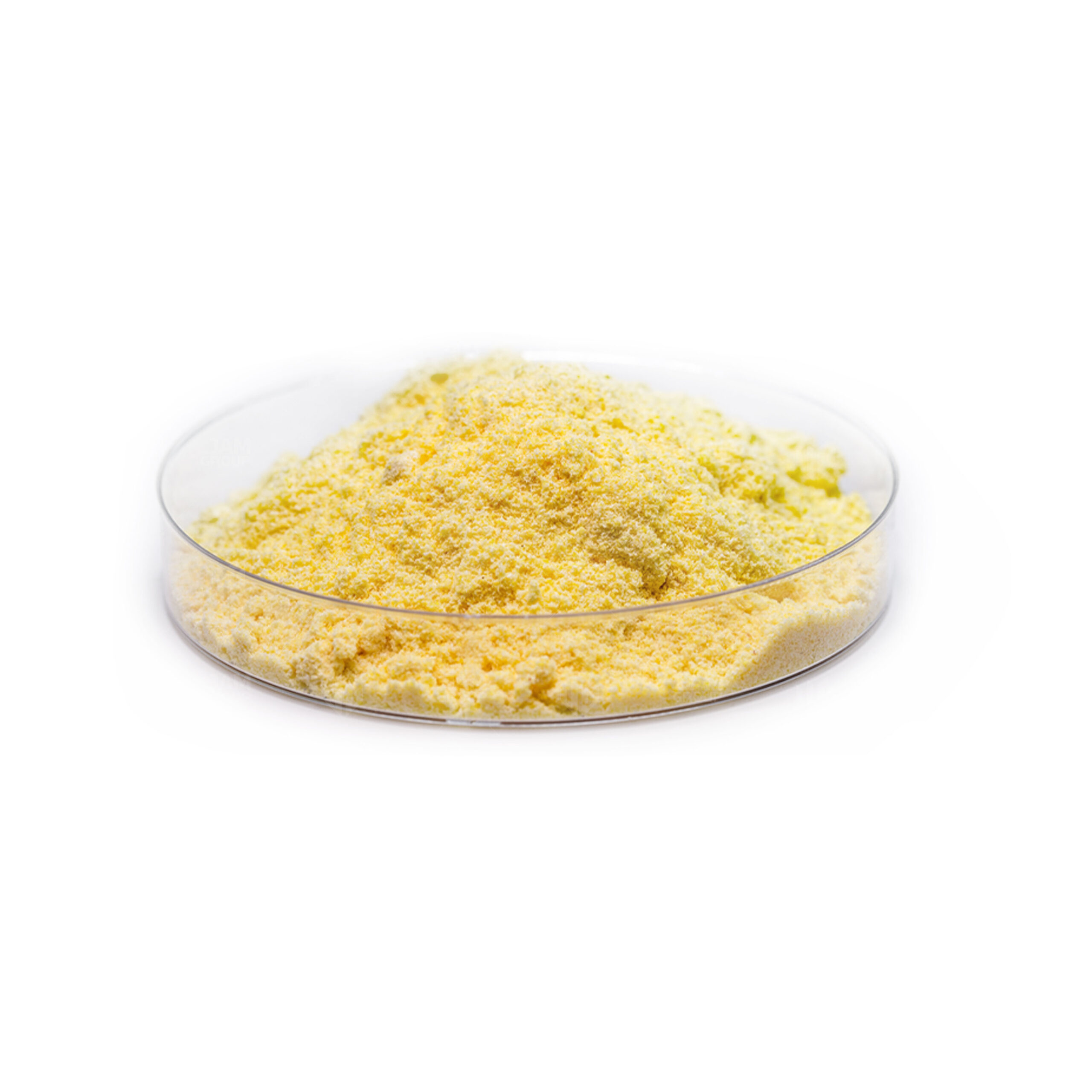
Liquid Poly Aluminium Chloride usually appears as a clear to yellow, slightly viscous acidic solution, while solid material is often a light yellow powder or granule that can absorb moisture from the air. Visual uniformity and absence of foreign matter are practical indicators of handling quality during storage and transport. Any detailed description of odor or minor physical nuances for a specific grade should be confirmed against the SDS issued for that product.
- Solubility & Density:
Poly Aluminium Chloride is readily soluble in water, forming acidic solutions that are easy to dilute to the working concentration used in dosing systems. Bulk density and exact concentration of liquid grades, as well as typical dilution ratios before application, differ from one formulation to another and should be obtained from the TDS or COA. This information supports correct pump sizing, storage design, and safe handling in both municipal and industrial plants.
- Thermal Properties:
PAC is not flammable and is generally stable under normal storage temperatures, but thermal behaviour, such as decomposition on strong heating or sensitivity to freezing, depends on the specific formulation. Many safety data sheets advise avoiding both very low and very high temperatures to preserve product quality and container integrity. Because detailed melting or decomposition points are grade-specific, they should always be checked in the SDS or TDS for the product shipped.
- Insolubles / Residue / Moisture:
Control of water-insoluble material in PAC solutions helps minimise blockages, ensures clean dissolution, and supports stable dosing performance. For solid PAC, moisture content and the tendency to form lumps influence flow behaviour and ease of preparation on site. Exact limits for insolubles, moisture, and residue on ignition for JAM’s supplied grades are not specified here and must be taken directly from the COA or SDS issued per batch.
Reactivity, Stability & Performance of Poly Aluminium Chloride
From an operational viewpoint, Poly Aluminium Chloride offers strong coagulation performance when stored and handled within the recommended conditions for each grade. The product is normally stable in sealed containers at moderate temperatures, but solid forms are hygroscopic and can cake if exposed to humid air. Liquid PAC should be kept in suitable tanks or drums to avoid corrosion and leakage, since the solution is acidic and may attack some metals. Overall performance depends on both chemical quality and process design, including pH and mixing.
- Chemical Stability:
Solid PAC absorbs moisture readily, so open or poorly sealed bags tend to form lumps, making dissolution and dosing less predictable for plant operators. Liquid PAC grades generally remain stable over their recommended shelf life if stored in tightly closed, compatible containers away from frost and excessive heat. Any stated storage temperature range or shelf-life limit for JAM’s product must match the figures indicated in the grade-specific SDS or TDS.
- Reaction Profile:
Because Poly Aluminium Chloride solutions are acidic, they may be corrosive to certain metals and can gradually damage unsuitable tanks, pipes, or fittings. Suitable materials such as certain plastics or coated equipment are therefore commonly recommended in safety documentation. Direct mixing with strong alkalis or other reactive chemicals without proper engineering control is discouraged, and compatibility guidance should follow the SDS and supplier instructions.
- Toxicity & Safety Profile:
Many PAC products are classified as causing serious eye damage and capable of irritating skin and respiratory passages, especially when mist or dust is present. Operators are usually advised to wear protective gloves, eye protection, and work clothing, and to ensure adequate ventilation around handling and dosing points. Environmental aspects, such as aquatic toxicity and disposal requirements, vary between formulations and must be checked in the SDS and local regulations for each destination.
Available Grades, Forms & Supply Formats of Poly Aluminium Chloride
In the market, Poly Aluminium Chloride is offered in several grades designed for potable water, industrial wastewater, and process applications, each with its own aluminium content and impurity profile. Liquid grades provide convenience for dosing systems, while powders and granules allow more compact storage and lower transport weight before on-site dissolution. Product selection for a particular project should consider the treatment objective, regulatory framework, and the dosing equipment already installed at the plant. In the following, you can get to know specific grades of this chemical and their specifications.
By application
Grades of Poly Aluminium Chloride can be grouped by application focus and quality level, mainly reflecting impurity control and documentation expectations. This view is important for buyers because the same base chemistry must comply with different regulations in potable water, municipal plants, and industrial sites. Drinking water operators normally require tighter limits on heavy metals and insolubles than typical factory users. Wastewater plants often prioritise robust performance and cost in use. Selecting the right application grade ensures both treatment efficiency and regulatory compliance, so procurement should always check the COA and any applicable standards.
- Drinking water grade:
Drinking water grades of Poly Aluminium Chloride are designed for potable water treatment and, in some cases, food-related applications where strict impurity limits are essential. They usually feature higher purity, lower water-insoluble content, and controlled heavy metals to support compliance with national drinking water standards. These products are often sold as light yellow or white powders or liquids, with specifications aligned to regulations such as GB15892 or similar frameworks.
- Wastewater grade:
Wastewater grades target municipal and industrial effluents, where regulations allow broader impurity ranges but still require reliable coagulation performance. These products often have similar Al2O3 content to drinking water grades but accept higher levels of insolubles and trace contaminants, which can make them more cost-effective. They are typically supplied as yellow powders or liquids and may be referenced against industrial standards like GB/T22627 or equivalent documents defined by each producer.
By Al2O3 content and basicity
Another common way to classify PAC grades is by aluminium oxide (Al2O3) content and basicity, which together influence dosing strength, charge density, and impact on system pH. Al2O3 content indicates how much active polymerised aluminium is present, while basicity reflects the OH/Al ratio in the polymer. Higher basicity often means stronger charge neutralisation but different pH behaviour. Liquid and powder lines are usually offered in series with fixed Al2O3 levels and specified basicity ranges. Buyers should interpret these figures using the technical datasheet, since naming conventions differ widely between suppliers.
- Powder PAC 30% series:
Powder PAC 30% series typically refers to solid products with around 30% Al2O3, grouped into several subgrades for different uses. Some suppliers distinguish codes for drinking-water applications and others for industrial effluents, all within similar aluminium content but with varied impurities and basicity. These grades are usually supplied as yellow or light-yellow powders, and detailed specifications—such as exact basicity and insolubles—are given in the individual product’s COA and TDS.
- Liquid PAC 10–18% series:
Liquid PAC 10–18% series covers aqueous formulations where Al2O3 typically falls between about 10% and 18%, often described as medium- or high-basicity types. Such products are convenient for direct dosing and are commonly adopted in drinking water and industrial systems with suitable storage and pumping infrastructure. Different basicity ranges within this series allow users to balance charge density and pH shift, so plant designers rely on detailed data supplied in the SDS and TDS to choose an appropriate grade.
By colour and physical form
Colour and physical form also provide a practical way to distinguish PAC grades, because they relate to both impurity profile and typical application positioning. White and very light-coloured products often signal high purity and closer control of raw materials, while yellow grades are more common in general water treatment. Solid powders and granules offer storage advantages, though they require on-site dissolution, whereas liquids simplify dosing but demand compatible tanks and pumps. These visible cues are useful, but buyers must still confirm performance and composition through test data.
- White PAC:
White PAC is usually associated with high-purity or special-purpose grades, where careful selection of raw materials and tighter impurity limits deliver a very light colour. Such products are often promoted for drinking water plants, paper industry uses, or other applications where both performance and purity are critical. Their specifications typically emphasise very low levels of heavy metals and insolubles, and are validated through detailed COA and compliance documentation.
- Light yellow/yellow PAC:
Light yellow or yellow PAC represents the most widely used colour range and can include both drinking-water and industrial grades, depending on the underlying specification. Colour intensity may reflect impurity content or formulation differences, with darker shades more commonly positioned as industrial wastewater products. These grades are available as powders, granules, or liquids and are chosen for a balance of performance, cost, and suitability for plant equipment and discharge rules.
Poly Aluminium Chloride Production Process
In typical industrial practice, Poly Aluminium Chloride is produced by reacting aluminium-containing raw materials with hydrochloric acid and water under controlled conditions. The reaction generates polymerised aluminium chlorohydrate species whose basicity level is adjusted through process parameters such as temperature, residence time, and reagent ratios. After polymerisation and ageing, the liquid product may be clarified to limit insolubles and then transferred to storage tanks or directly to packaging. For solid grades, further steps involve concentrating, drying, and forming powders or granules before bagging.
A typical PAC production line begins with charging aluminium hydroxide, alumina, or similar inputs into reactors, followed by addition of hydrochloric acid according to the targeted product specification. Process operators monitor temperature and pH to achieve the desired degree of polymerisation and basicity, ensuring the resulting solution meets design criteria. The intermediate liquid may be filtered or settled to remove residual solids, then tested by quality control for aluminium content, basicity, pH, and insolubles before release. When solids are required, the clarified solution is dried and milled or granulated, then packed into moisture-protected bags.
Safe Handling & Storage of Poly Aluminium Chloride
Safe use of Poly Aluminium Chloride rests on following the precautions described in the relevant SDS, particularly around contact with skin and eyes and the management of mists or dusts. Operators should wear suitable gloves, eye or face protection, and work clothing, and ensure that workplace ventilation is adequate for the processes being carried out. Eating, drinking, and smoking should be prohibited in handling areas, and workers should wash thoroughly after dealing with the product. Spill control and disposal must follow local regulations and avoid uncontrolled release to drains or the environment.
For storage, PAC is best kept in its original containers or in compatible tanks within cool, dry, and well-ventilated spaces, protected from direct sun and extreme temperatures. Liquid grades should be sheltered from freezing and excessive heat, while solid grades need robust moisture protection to avoid caking and loss of flow. Containers must be kept closed when not in use, correctly labelled, and stored away from incompatible materials, especially certain metals and strong alkalis. Any detailed storage temperature ranges, maximum shelf life, or specific material compatibility must always be taken from the SDS for the supplied grade.
About JAM Holdings Group’s Poly Aluminium Chloride
JAM Holdings Group positions Poly Aluminium Chloride within a broader portfolio of industrial chemicals, focusing on water and wastewater treatment buyers that need dependable product and documentation. Rather than limiting its role to simple trading, the company coordinates between qualified producers and international customers, aligning product specifications with project requirements. Each shipment is supported by batch-level documentation, including Certificates of Analysis and Safety Data Sheets, to give buyers clear visibility over key parameters such as aluminium content and impurity limits. This approach is designed to help engineering and procurement teams evaluate and audit product quality over the long term.
JAM Holdings Group as a Reliable Supplier of Poly Aluminium Chloride
Reliability for PAC buyers usually combines transparent specifications, stable supply, and responsive coordination around inspections, documentation, and logistics scheduling. JAM Holdings Group can structure contracts so that the parameters mentioned on producer COAs, such as Al2O3 content, basicity, and water insolubles, also appear clearly in supply agreements. Where requested, the company can support pre-shipment verification through agreed inspection schemes, while keeping communication open about grade suitability and regulatory considerations in the destination market. In this way, buyers receive both a defined product and a clear framework for verifying that delivered batches conform to expectations.
Sourcing & Facilities
To avoid overclaiming, JAM Holdings Group can be described as working with a network of established PAC producers that already serve water treatment and industrial markets. This partner-based sourcing model allows the company to match specific grade and form requirements (liquid or solid) to the logistics constraints and regulatory needs of each customer. Instead of naming particular plants or regions without confirmation, communication can focus on stable production bases and consistent transit routes that support predictable lead times and freight planning. The emphasis remains on technical suitability and supply stability rather than on promotional claims about facilities.
Packaging & Logistics of Poly Aluminium Chloride at JAM Holdings Group
For Poly Aluminium Chloride, packaging decisions strongly influence handling, storage, and freight cost, so JAM Holdings Group works within standard industry options that can be agreed case by case. Liquid grades are commonly dispatched in IBCs, drums, or bulk tanks using materials compatible with acidic solutions, while solid grades are packed in bags or big bags designed to resist moisture. Every package should carry clear labels showing product name, batch number, weight, and hazard information according to the SDS and destination regulations. Container loading patterns can include palletisation, shrink wrap, and internal bracing to minimise movement and damage during long-distance transport.
| Property | Specification | Test Method |
| Chemical Type | Inorganic polymer coagulant (polymeric aluminium chloride / hydroxychloride). | — |
| Appearance | Liquid: clear to yellow, slightly viscous solution; Solid: light yellow powder/granule. | Visual |
| Color (Gardner) | Liquid grades: typically <= 10 (by grade). | ASTM D1544 |
| Solids Content (wt%) | By grade: liquid typically 30–45%; solid typically 90–98%. | Gravimetric (oven method) |
| Viscosity @25 °C | By grade (liquid): typically 50–600 mPa·s (Brookfield). | ISO 2555 |
| pH @25 °C | 1% w/w aqueous solution: typically 3.5–5.0 (by grade). | ISO 10523 |
| Density @25 °C | Liquid grades: typically 1.15–1.35 g/cm³ (by grade). | ASTM D4052 |
| Aluminium Oxide (Al₂O₃) | By grade: liquid typically 8–18 wt%; solid typically 28–32 wt%. | ICP-OES/MS or titration |
| Basicity (B%) | By grade: typically 40–70%. | Acid-base titration (supplier method) |
| Water-Insoluble Matter | Typically <= 0.5 wt% (liquid) or <= 1.0 wt% (solid), by grade. | Gravimetric residue after filtration |
| Iron (Fe) | By grade: typically <= 0.10 wt% (as Fe). | ICP-OES/MS |
| Heavy Metals (e.g., As, Pb, Cd, Hg) | COA-reported; limits set by end-use and applicable regulations. | ICP-OES/MS |
| Shelf Life | Typically 12 months (liquid) / 24 months (solid), unopened and stored as recommended. | — |
| Packing | Liquid: drums / IBC; Solid: 25 kg bags / big bags (by agreement). | — |
| Storage | Store sealed in a cool, dry place. Protect from moisture; avoid freezing/overheating. Keep away from strong alkalis and reactive metals. | — |
Typical Applications of Poly Aluminium Chloride
Poly Aluminium Chloride is established across a wide range of water-related applications, from municipal plants to industrial processes. In drinking water treatment, it is used to reduce turbidity, colour, and some dissolved contaminants, helping treatment plants meet quality standards. Municipal and industrial wastewater facilities employ PAC to coagulate suspended solids and support sludge thickening or dewatering. Additional uses include paper and pulp, textiles, and certain mining operations, but grade selection must always reflect the intended use and legal framework.
Drinking Water Plants
In potable water treatment, PAC is dosed ahead of clarification or filtration units to neutralise fine particles and natural organic matter, improving downstream filter performance. Treatment plants value the product’s ability to form dense flocs across different raw water conditions when applied with appropriate pH control and mixing. Grade choice should always match the regulatory expectations of the drinking water authority in the destination market.
Industrial Wastewater and Sludge Management
Industrial effluents from sectors such as food processing, textiles, and metals often require coagulation to remove suspended solids, oils, or colour before discharge or further treatment. PAC can provide efficient clarification and can also support improved sludge dewatering characteristics in some systems. Operators should confirm that the selected industrial grade and dosing range match both process needs and local discharge regulations.
Paper and Pulp Process Water
Paper and pulp mills use Poly Aluminium Chloride in certain processes to support retention and sizing, helping fibres and additives remain in the sheet while controlling effluent loads. This dual role in process water and wastewater means that grade consistency is highly important for stable machine operation. Any PAC specification adopted in this sector should be agreed with the mill’s technical team and documented in supply contracts.
Textile and Dye-House Effluent
In textile operations, especially dye houses, PAC assists in removing colour, suspended solids, and some organic compounds from wastewater streams before discharge or reuse. Its ability to form flocs that settle or float facilitates the design of compact treatment units in space-limited facilities. Selecting the correct PAC grade and combining it with suitable auxiliary chemicals should follow pilot testing or plant trials.
Mining and Heavy-Industry Wastewater
Mining, mineral processing, and other heavy industries frequently manage effluents containing fine suspended solids and dissolved metals, which require robust clarification strategies. PAC can be integrated into treatment trains to agglomerate particles and assist in removing contaminants, often together with pH adjustment and other reagents. Grade selection and dosing strategy should be backed by jar tests or laboratory studies tailored to each project.
○What documentation is important when importing Poly Aluminium Chloride?


For international shipments, buyers should expect at minimum a Commercial Invoice, Packing List, Bill of Lading, Certificate of Origin, and Certificate of Analysis for the PAC batch. A Safety Data Sheet is essential for chemical classification, handling rules, and hazard communication at the destination. Depending on contract terms, additional documents such as third-party inspection reports or regulatory declarations may also be included to satisfy local authorities and internal QA requirements.
○Is Poly Aluminium Chloride suitable for both drinking water and industrial wastewater in the same facility?
Yes, one site can use different PAC grades for drinking water and wastewater, but each stream must receive a grade that matches its regulatory requirements and treatment goals. Drinking water units typically require higher-purity PAC with tighter impurity limits, while wastewater lines may use industrial grades with more flexible specifications. Procurement should therefore treat them as separate products, each with its own COA, SDS, and performance verification.
○What storage problems occur with solid PAC and how can they be avoided?
Solid Poly Aluminium Chloride is hygroscopic and can absorb moisture from the air, which leads to caking, lump formation, and uneven dissolution during preparation. To minimise these issues, bags should be kept sealed, stored on pallets in dry, covered areas, and protected from floor moisture and weather. Using packaging with inner liners and maintaining good warehouse ventilation further reduces the risk of product degradation over time.
○Can Poly Aluminium Chloride be mixed with other coagulants or flocculants?
PAC is often used alongside other treatment chemicals, such as organic flocculants or pH-adjustment agents, but direct mixing in storage tanks is generally discouraged. The safer approach is to feed each product separately into the process stream, allowing controlled interaction in the pipeline or mixing basin. Compatibility guidance and any restrictions on combined use should always follow the recommendations given in the PAC supplier’s SDS and technical datasheet.
○How should Poly Aluminium Chloride be dosed in a new water treatment plant?
Dosing of Poly Aluminium Chloride should always start from jar tests or pilot trials, because optimal dosage depends on raw water turbidity, pH, and organic load. Operators typically prepare a standard solution and test several doses to find the lowest level that gives good floc formation and clarified water quality. Once a working range is established, the plant can fine-tune dosage seasonally and adjust for changes in raw water composition.
HOW CAN JAM GROUP HELP YOU?
Send us a message and our friendly team will get back to you within one business day.