

















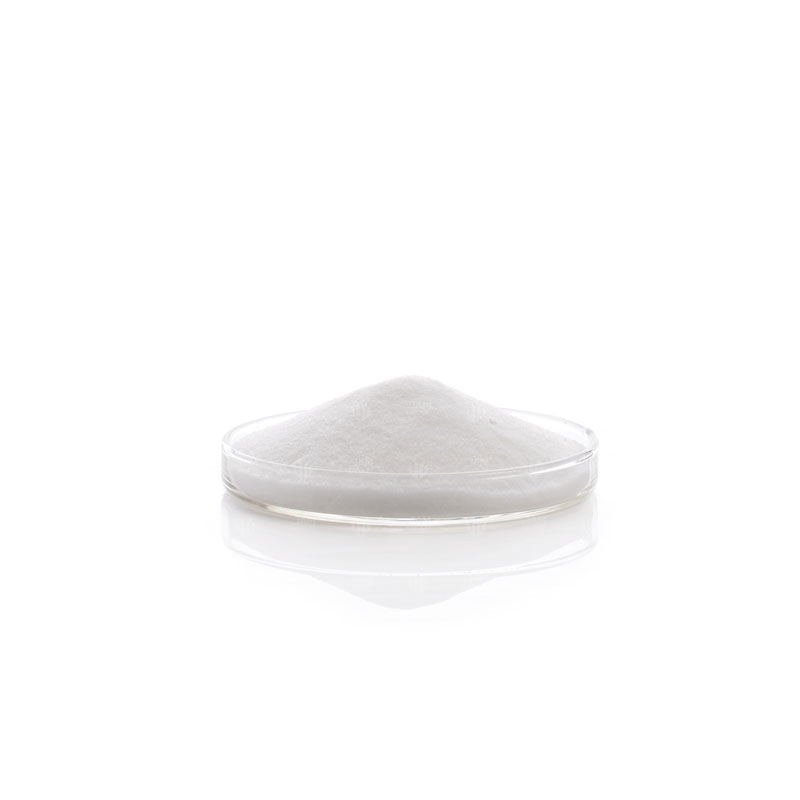
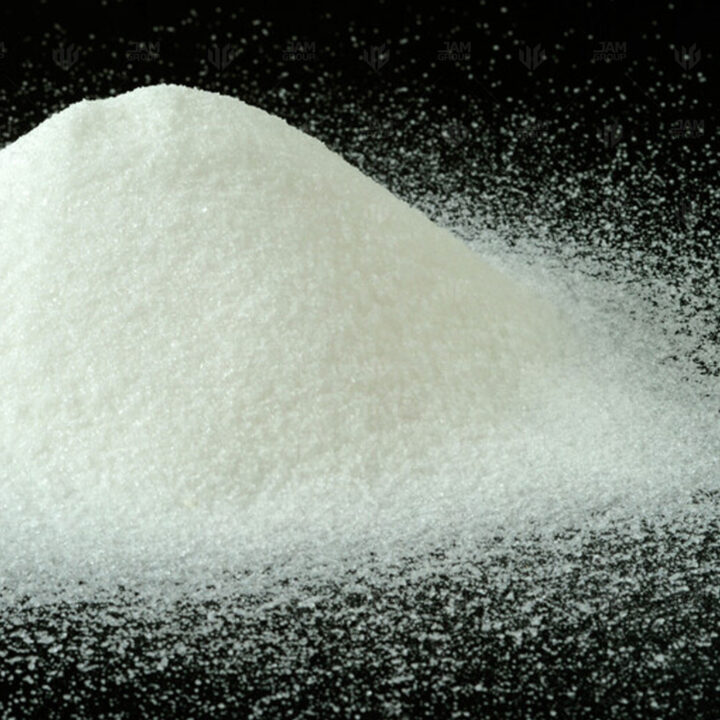
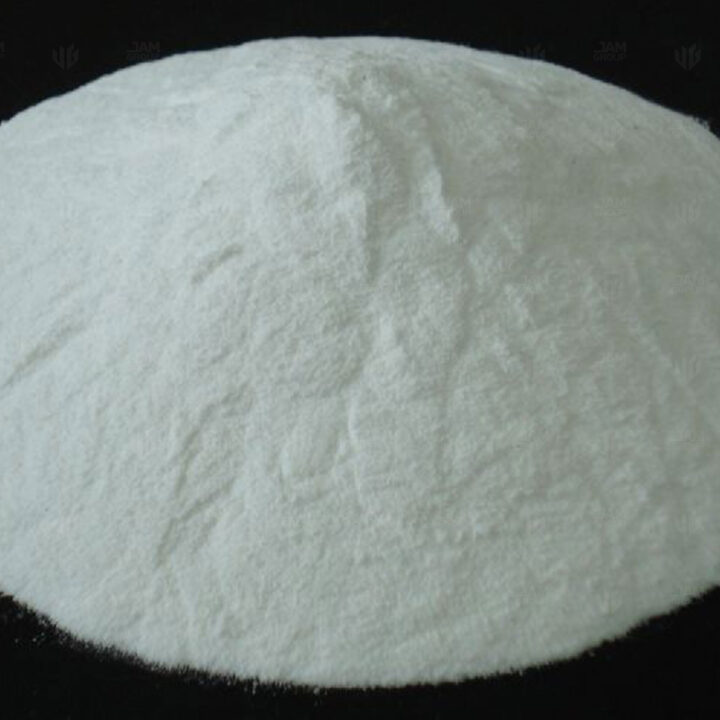
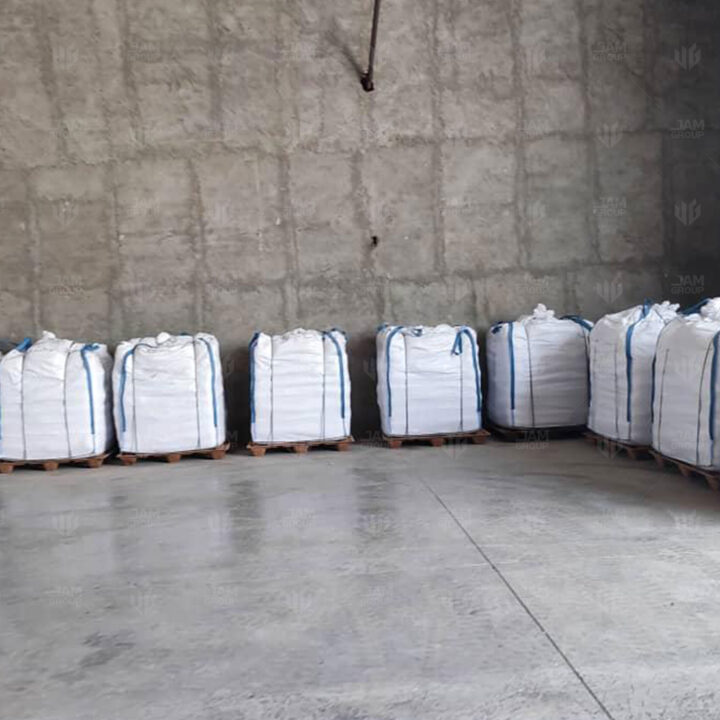
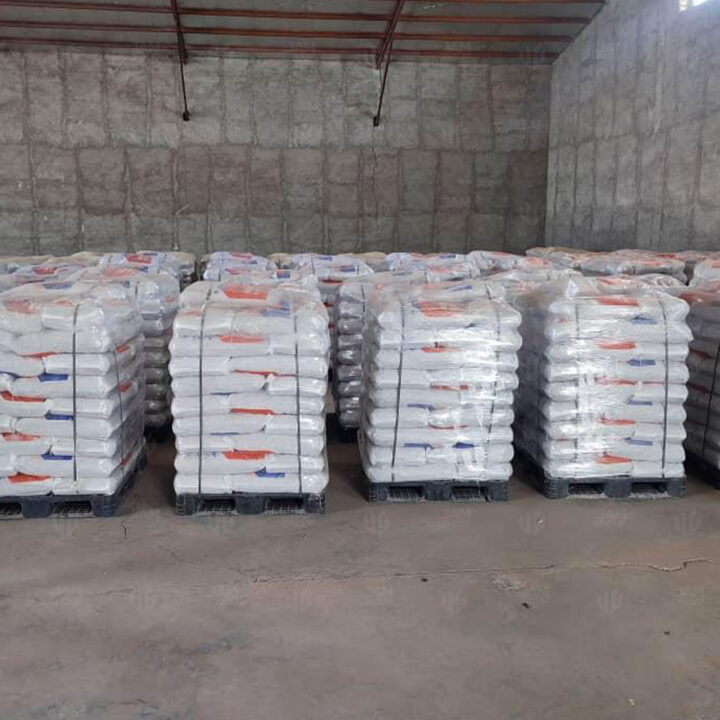
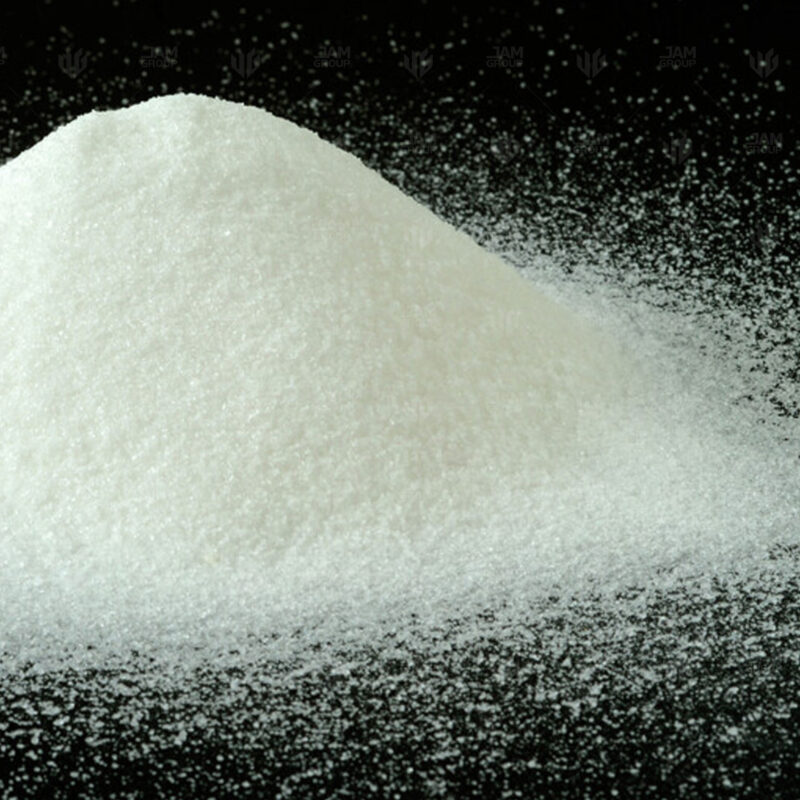
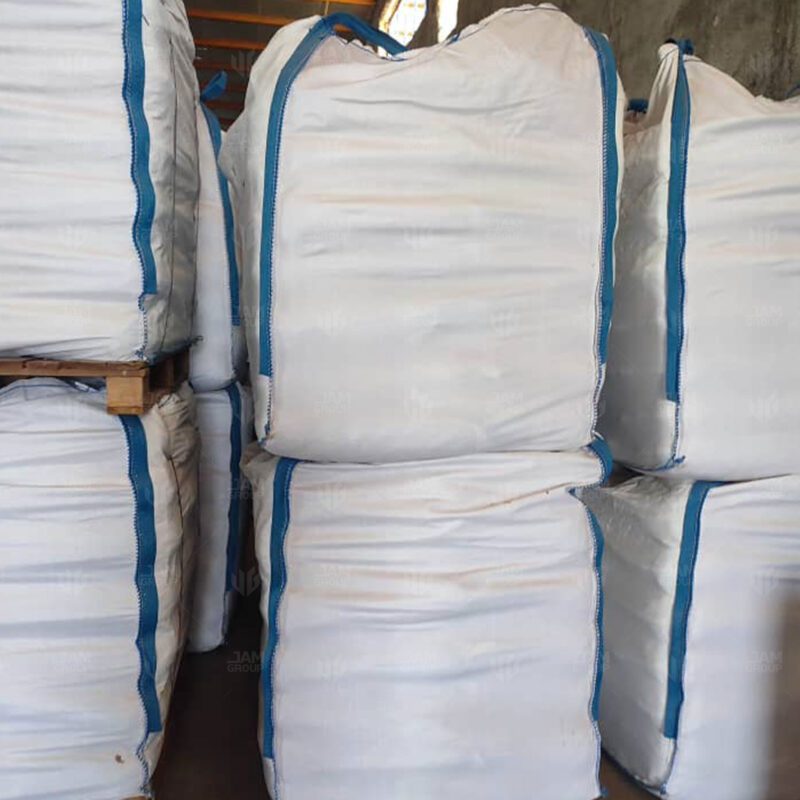
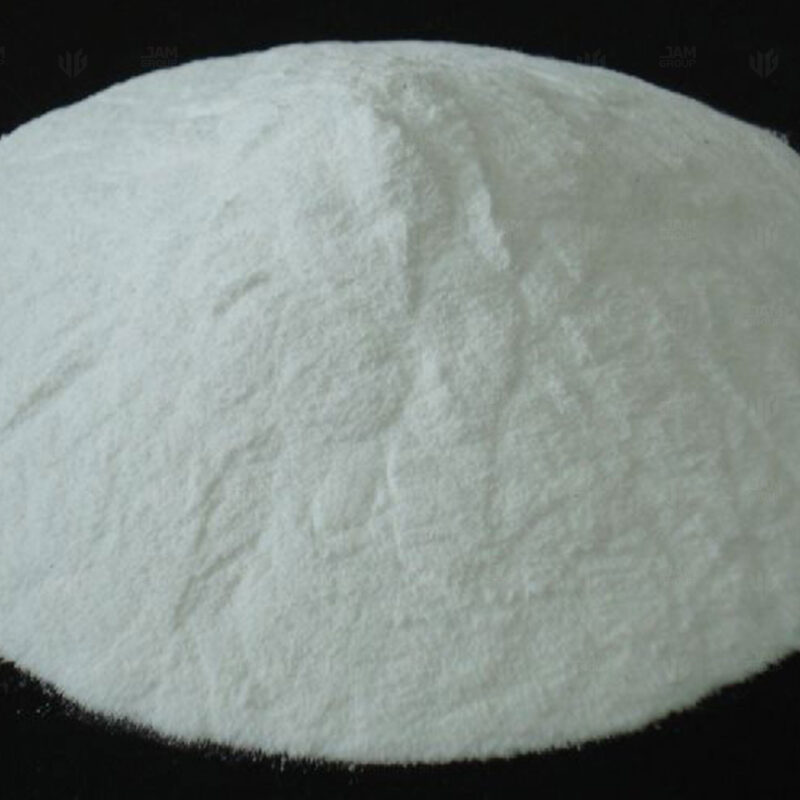
Sodium Formate with the chemical formula of HCOONa, is the sodium salt of formic acid, HCOOH. It usually appears as a white deliquescent powder. JAM Group Co., is honorably able to produce Sodium Formate suitable for oilfield drilling in massive amounts.
Sodium Formate, with the chemical formula HCOONa, is a white powdery material that absorbs moisture from the air and condenses to form a liquid. Formic acid, sodium hydrocarbon dioxide, and sodium methanoate are other names for sodium formate, which has the IUPAC nomenclature. Since it is a salt, its molecular lattice structure is crystalline. This chemical compound exists as a solid at room temperature as an odorless powder. Sodium formate is soluble in water, alcohol, and formic acid but insoluble in ether. These chemical and physical properties lead to this compound’s many applications in the industry. For example, it functions in oilfield drilling, fabric dyeing, printing processes, the synthesis of formic acid, and as a buffering agent.
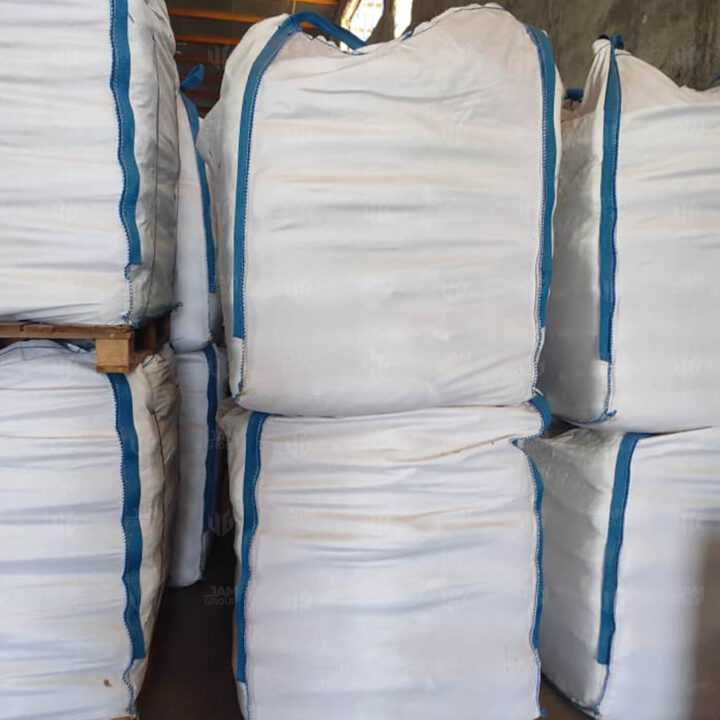
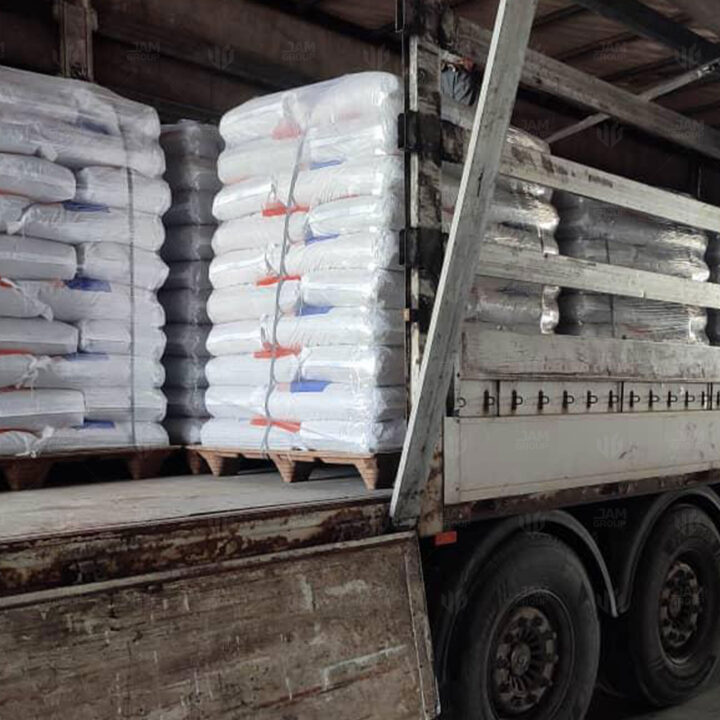
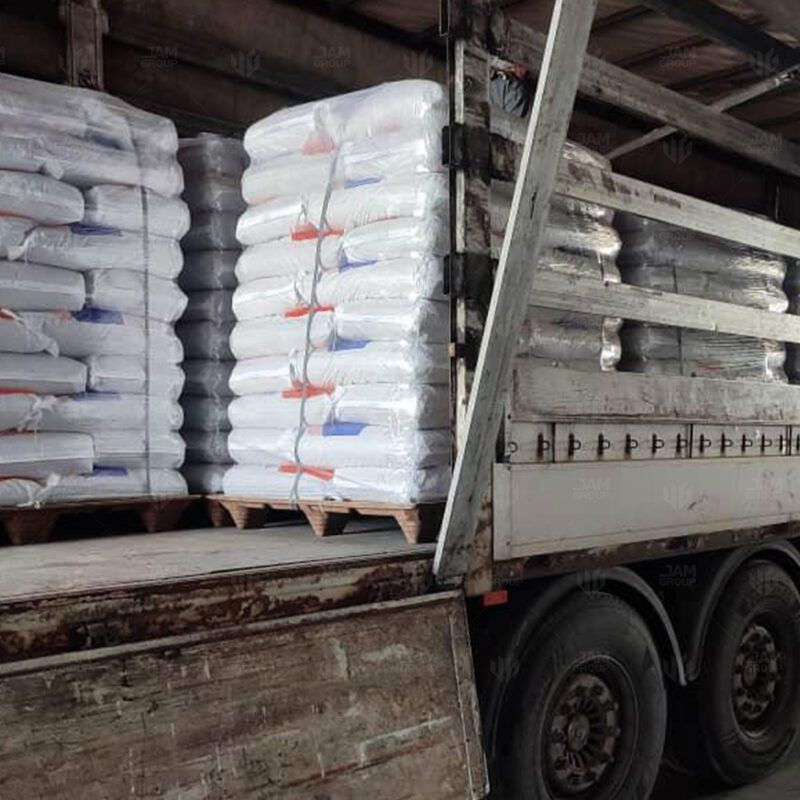
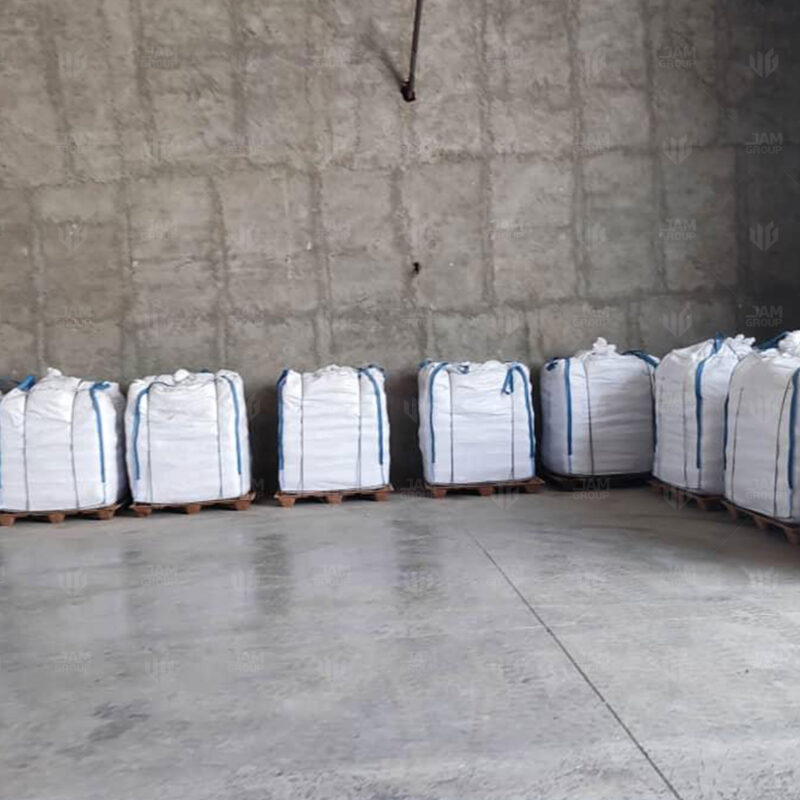
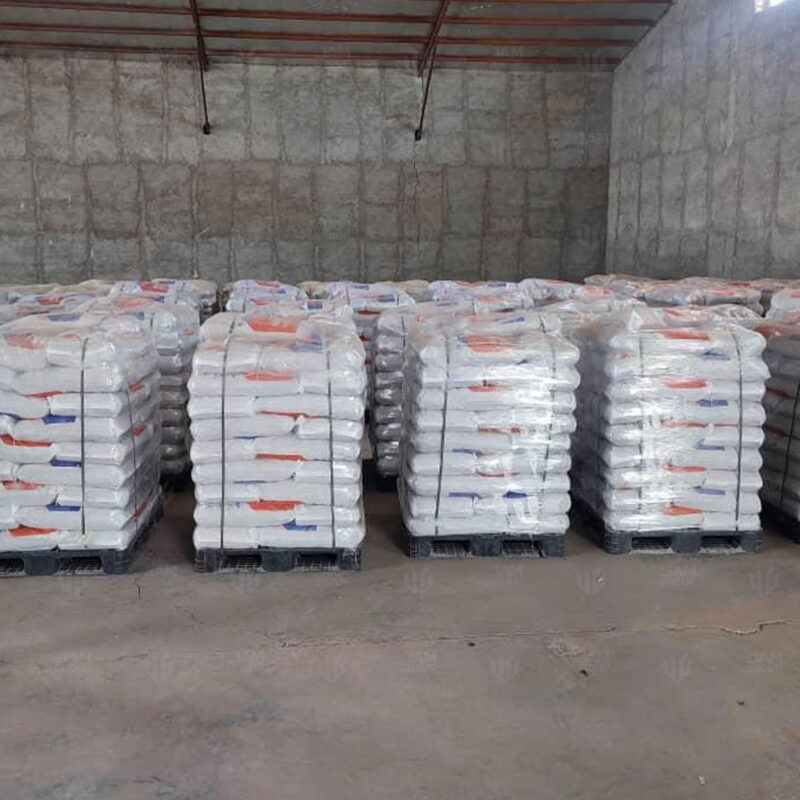
JAM Group Co. is a reputable sodium formate manufacturer that presents this substance in different grades and amounts of purity. JAM Group, as a powerful sodium formate supplier, maintains two well-equipped factories with skilled chemists in service. Such a firm can rely on a pure outcome and ensure customers of international quality. These products have been manufactured with different considerations to suit their intended use. When dealing with JAM Group, all in-demand purchasers worldwide can also enjoy the packing options and logistics possibilities this sodium formate exporter provides. In case of any questions, feel free to contact us.
What is Sodium Formate?
In chemistry, Sodium belongs to the alkali metal family with the atomic number 11 and the symbol Na. In the crust of the Earth, it is the sixth most prevalent element and is found in various minerals, including feldspars and rock salt (NaCl). Since sodium particles have been removed from Earth’s minerals over time by water’s activity, many sodium salts are incredibly water-solvent. As a result, sodium and chlorine are the most well-known disintegrating components by weight in the water.
Sodium formate is a white, powdery material that prefers to pick up moisture from the air and turn it into a liquid. Sodium Formate is also known as Formic acid and Sodium Hydrocarbon Dioxide and is designated as Sodium Methanoate by the IUPAC. Sodium formate has the chemical formula HCOONa. Its chemical composition qualifies it as the sodium salt of formic acid. It is, however, made in smaller quantities from formic acid rather than the other way around. Yet, sodium formate can be made in several ways, including neutralizing formic acid with sodium hydroxide. It’s also worth mentioning that sodium formate holds many physical and chemical properties. The crucial Chemical Properties are as follows:
- It is a salt of a weak acid (H2O) and a strong base (NaOH);
- It is slightly toxic to water and inhibits some bacteria while being degraded by others;
- When sodium formate is heated, sodium oxalate and hydrogen are produced. The created sodium oxalate can be further heated to break down into sodium carbonate, which releases carbon monoxide gas.
It also possesses the following Physical properties:
- Formic acid-like aromas can be detected in sodium formate;
- The refractive index of 1.371;
- A molecular weight of 68 g/mol;
- The density that is equal to 1.92g/cm3;
- The melting point of 253°C.
Due to its chemical and physical properties, sodium formate functions in a wide range of industries. It serves in various dyeing and printing procedures on fabrics. Additionally, it serves as a de-icing agent, a buffer for powerful mineral acids to boost their pH, and a food ingredient. It also acts as “drilling salts” and in drilling mud. In the oil industry, drilling salt is used as a supplement in the sub-drilling process. Because of their comparatively high density, saturated sodium formate solutions are utilized as drilling and stabilizing aids for exploring natural gas and oil. Any density between 1,0 and 2,3 g/cm3 can be set by combining the corresponding saturated alkali metal formate solutions.
Different Grades of Sodium Formate
Chemical grades are vital because they indicate whether a material complies with specified requirements. However, this concept is more complex than just using grades to indicate purity levels. While true, some chemical qualities will also be designed for a particular process, use, or market. For instance, chemical grades for food and pharmaceutical compounds may involve searching for toxins, metals, and bioactive impurities.
Monographs for chemicals serve as a standard, offering information about chemical compounds’ appearance, solubility, molecular weight, safety, and purity. Regarding purity, the monograph will contain details regarding suitable testing assays and the acceptable outcomes established by the publishing body. The US Pharmacopoeia (USP.org) claims that monographs aim to help in quality control. Various standards bodies, such as the American Chemical Society (ACS) and the United States Pharmacopoeia (USP), provide chemical monographs. As an example of what a monograph looks like, we can discuss one of sodium formate grades and its monograph. You can find the product description in the first line, including its commercial name. There is also a separate subsection for this grade’s intended applications based on its composition and chemical and physical properties. You can also find a detailed table about the grade’s specifications. Each grade of sodium formate may contain a specific amount of the following substances.
- Sodium formate content;
- Water content;
- Organic substances;
- Iron content.
As such, by checking the monograph of the sodium formate grade, you can find crucial information about its purity, chemical and physical properties, and intended applications. You can also learn about the famous qualities of this chemical compound that meet international standards below. Each of them will be suitable for a specific application, such as drilling mud or drilling salts.
Technical Grade
The technical grade of sodium formate is excellent for most industrial cleaning, degreasing tasks, and some solvent uses. However, they include a quantifiable level of contaminants that prevent them from being used in food or pharmaceutical applications.
ACS Grade
The ACS grade of sodium formate meets or exceeds the American Chemical Society’s purity criteria (ACS). This grade is suitable for food, drug, or medicinal use and can satisfy ACS applications or general procedures requiring stringent quality specifications and 95% purity.
Laboratory Grade
Although laboratory-grade sodium formate has a very high purity level, it contains a tiny amount of contaminants, making it unfit for food use. However, this chemical grade primarily appears in science projects and experiments for instruction or schools.
Sodium Formate Production Process
Sodium formate manufacturers produce this substance by using various methods and techniques. The final application, the intended amount of outcome, and the required purity are some of the crucial factors that help producers to choose one of the production processes. For instance, in order to produce sodium formate for industrial use, carbon monoxide is forced under pressure of 6-8 bar and 130 degrees Celsius into solid sodium hydroxide:
NaOH + CO = HCO2Na
Since formic acid can be produced cheaply and in large quantities by carbonylation methanol and hydrolyzing the ensuing methyl formate, sodium formate can be made by neutralizing formic acid with sodium hydroxide. Sodium formate is also generated as a byproduct in the final step of pentaerythritol synthesis and the crossing Cannizzaro reaction of formaldehyde with the aldol reaction, resulting in trimethylol acetaldehyde.
In this section, we will discuss a single-step procedure for generating highly pure sodium formate. More specifically, it proposes a method for manufacturing sodium formate aqueous solution constantly and efficiently in a tower-style reactor. Below, you can discover more about this production method that leads to making a pure grade of this product, suitable as sodium formate oilfield drilling and sodium formate drilling mud.
The Apparatus
The equipment used in the current method is a tower-type reactor, preferably an empty tower. An empty tower is helpful because it allows for high reaction speeds and efficient mixing of the components, increasing the flow rate per hour and sodium formate purity. To avoid counter mixing of the generated sodium formate, attaching a suitable device, such as perforated plates, in the reactor is advisable. However, the number of plates and plate spacing should be reasonable.
The Requirements
To ensure that the gas makes contact with sodium hydroxide and a perforated area, it is preferable to introduce the gas in as few tiny bubbles as feasible. When sodium hydroxide overflows with carbon monoxide, a suitable device for gas-liquid separation is installed after the gas-liquid outlet. The reaction occurs at a temperature between 150° and 220°C under a pressure of 12 – 30 kg/cm2. Lower temperatures and pressures above 150°C and 12 Kg/cm2 slow down reactions, respectively, whereas temperatures above 220°C are likely to lead to equipment corrosion.
Some must be removed if inert gas, such as nitrogen, is present in the excess gas separated from the sodium formate solution after the reaction. The remaining gas is then recirculated to the reaction tower with carbon monoxide supplied and consumed to react with sodium hydroxide. When using 100% carbon monoxide, the extra gas can naturally circulate in whole volumes.
The Outcome
To create a 45 – 55% aqueous solution of sodium formate, a flow of sodium hydroxide is less than two l./hr. Per effective unit, volume is industrially preferred, even though this flow might vary considerably. If the flow exceeds the cited number, high-purity sodium formate cannot be produced. It is safe to use more carbon monoxide than the theoretical amount determined by the amount of sodium hydroxide, and more carbon monoxide than 80% surplus may be used to create a highly pure sodium formate solution. The gas mixing and response speed are reduced if less than 50% excess carbon monoxide is used over the theoretical amount.
About JAM Group Co.’s Sodium Formate
JAM Group Co. is a well-known producer of sodium formate, a useful chemical in various industries. Many factors make JAM Group a reliable partner in this industry. The company controls the entire supply chain, from providing raw materials to producing the final product; it makes this sodium formate manufacturer capable of presenting various grades of this substance and ensuring purity and chemical and physical properties. JAM Group also provides all of its products under international certificates. It helps customers rely on this company’s goods for their intended usage and ensure its chemical compatibility.
As a customer of JAM Group, you can enjoy a wide selection of products this company presents. The good news is that all of these goods are available under several packing choices and transportation alternatives. Our products usually follow international standards, but customers can choose their intended way. For more information on this, we highly recommend you make your way to About Us.
Conclusion
Sodium formate, HCOONa, is the sodium salt of formic acid, HCOOH. It typically appears as a fine, white powder. It has a variety of chemical and physical characteristics. Examples include the following: It consists of a salt of a strong base (NaOH) and a weak acid, crystallizes in a monoclinic crystal system with particular lattice characteristics, and breaks down into sodium oxalate and hydrogen when heated. These characteristics make this material an essential chemical in many processes, including printing, fabric dyeing, drilling mud, and buffering agents. Producers offer various grades of sodium formate in varying purity ranges (typically from 92% to 99%). Each of these grades is created using a particular production technique.
| Property | Specification | Test Method |
| Chemical Type | Inorganic sodium salt of formic acid (HCOONa); hygroscopic powder | – |
| Appearance | White to off‑white crystalline powder; free‑flowing; hygroscopic | Visual inspection |
| Color (APHA, 10% soln.) | ≤ 20 | ASTM D1209 (Pt-Co) |
| Assay (as sodium formate, w/w) | ≥ 98.0-99.0 % | Acid-base titration (back‑titration) / HPLC |
| Moisture (w/w) | ≤ 0.50 % | ASTM D6304 (Karl Fischer) |
| pH @25 °C (10% w/v soln.) | 8.0-9.5 | ISO 10523 |
| Chloride (Cl⁻, w/w) | ≤ 0.05 % | Ion chromatography (IC) |
| Sulfate (SO₄²⁻, w/w) | ≤ 0.05 % | Ion chromatography (IC) |
| Insoluble Matter in Water | ≤ 0.02 % | Filtration / gravimetric |
| Iron (Fe) | ≤ 10 mg/kg | ICP‑OES / ICP‑MS |
| Heavy Metals (as Pb) | ≤ 10 mg/kg (where specified) | ICP‑MS |
| Bulk Density (loose) | 0.70-0.90 g/cm³ (informational; grade‑dependent) | ASTM D1895 |
| Shelf Life | 24 months in sealed moisture‑proof packaging | Retain re‑test (assay/moisture/pH) |
| Packing | 25 kg bags; 500-1,000 kg jumbo bags; lined fiber drums | – |
| Storage | Cool, dry, well‑ventilated; keep sealed; segregate from strong acids/oxidizers; protect from moisture | – |
Due to its numerous industrial and commercial uses, sodium formate manufacturers produce this substance in vast quantities. It is vital to note that all of these applications involve this substance’s chemical and physical properties, introduced in the previous sections. The salt is used to manufacture various compounds, such as sodium hydrosulphate and formic acid. Commercial applications for sodium formate include tanning leather, industrial printing, de-icing, food preservation, and detergent production. It also serves as a vital substance as a powerful Oil and Gas Chemical. Aside from this, Sodium formate can be employed as a cryoprotectant in structural biology for X-ray diffraction research on protein crystals, typically carried out at a temperature of 100 K to minimize the effects of radiation damage. All in all, sodium formate plays a role in the following:
- Dyeing Fabrics:
Salt is a fixing agent for dyes, mainly when dying fabrics are composed of polyester and cotton blends. As a fixing agent in printing processes, it performs a similar function. This salt aids the improved adhesion of printing inks to many substrates, especially textiles.
- Cryoprotectant:
It is utilized in this case to safeguard biological materials through X-ray diffraction tests on protein crystals. The temperature used for these studies is typically 100 K (-173.15°C).
- Food Additive:
It mainly goes into animal feeds as a preservative to help the food stay fresher longer. It is the E237 food additive number.
- Manufacturing Chemicals:
This salt is a crucial starting point and component in the large-scale manufacture of several compounds, including formic acid.
Below, you can read more about sodium formate applications in various industries.
Sodium Formate in Oilfield Drilling
Different grades of sodium formate can be used as drilling salts. (Additive materials in sub-drilling.) Saturated sodium formate solutions (as well as blends of other alkali metal formates, including potassium and cesium formate) are proper drilling and stabilizing aids in gas and oil exploration due to their relatively high density. Combining saturated alkali metal formate solutions can set any density between 1,0 and 2,3 g/cm3. The saturated solutions are long-lastingly stable against microbial deterioration and biocidal. On the other hand, when diluted, they degrade quickly and thoroughly. Formates are a significant advancement in exploration technology since they eliminate the need for solid fillers to improve density (like barytes) and allow the formate solutions to be recovered and repurposed on the drilling site.
Sodium Formate As a Buffering Agent
Sodium formate also serves as a buffering agent for strong mineral acids to raise their pH and as a food additive. The pH of solutions is frequently stabilized in soft matter and biological sciences using buffering agents. They can interact electrostatically with charged surfaces such as biomembranes and are typically made up of weak acids and bases combined with water. Buffers can cause protein aggregation and soft interface structural alteration, although a molecular-level understanding needs to be included.
Sodium Formate As a De-icing Agent
When combined with corrosion inhibitors and other additives, solid sodium formate acts at airports as a non-corrosive de-icing agent for runways. It quickly penetrates thick snow and ice layers, separates them from the asphalt or concrete, and melts the ice soon. It is interesting to know that from 1987 to 1988, Ottawa’s city roads were cleared of ice using sodium formate.
The high freezing point depression efficiently avoids the re-icing, even at temperatures below 15°C, unlike the still widely used urea (which is effective but troublesome because of eutrophication). Moistening the solid sodium formate with aqueous potassium formate or potassium acetate solutions can enhance the thawing effect. When compared to the de-icing chemicals sodium acetate (740 mg O2/g) and urea with (> 2,000 mg O2/g), sodium formate’s degradability has a chemical oxygen demand (COD) of 211 mg O2/g.
○What are the primary industrial uses of sodium formate?


Sodium formate is a versatile chemical used across several industries. It’s a key agent in dyeing and printing fabrics, acts as an effective de-icing agent for airport runways, and serves as a pH buffer for strong mineral acids. It is also crucial in the oil and gas industry.
○What are the key physical properties of sodium formate?
Sodium formate is a white, crystalline powder with a faint odor of formic acid. A key property is that it is hygroscopic, meaning it readily absorbs moisture from the air. It has a high melting point of 253°C and a density of 1.92 g/cm³, making it a dense salt.
○How does sodium formate function in the oil and gas industry?
In the oil industry, sodium formate is used as a “drilling salt.” Saturated solutions of sodium formate have a comparatively high density, which makes them ideal for use as drilling and stabilizing fluids. This density helps to control pressure within the wellbore during exploration for natural gas and oil.
○What happens when sodium formate is heated?
When heated, sodium formate undergoes thermal decomposition. It first breaks down to form sodium oxalate and hydrogen gas. If the temperature is increased further, the sodium oxalate can decompose into sodium carbonate while releasing toxic carbon monoxide gas, requiring careful handling in high-temperature applications.
○How does JAM Group Co. ensure the quality of its sodium formate?
JAM Group Co. guarantees the quality and consistency of our sodium formate by conducting rigorous tests on each batch. We verify key properties like moisture content, density, and melting point to ensure our product meets the high purity standards required for its diverse industrial applications, from drilling to dyeing.
○What are the recommended storage procedures for sodium formate?
Because sodium formate is hygroscopic (absorbs moisture), JAM Group Co. packages it in sealed, moisture-proof containers to maintain its quality. We recommend storing the product in a cool, dry place. Every shipment includes a Safety Data Sheet with detailed handling and storage instructions to ensure product integrity.
HOW CAN JAM GROUP HELP YOU?
Send us a message and our friendly team will get back to you within one business day.