















Sodium Hypochlorite is recognized globally as one of the most effective oxidizing agents and disinfectants available for industrial and municipal applications. Often referred to as liquid bleach, this powerful chemical compound is essential for ensuring process stability in water treatment systems and delivering high-performance bleaching in textile manufacturing. Buyers prioritize this product not only for its efficacy but also for its cost-effectiveness in large-scale sanitation protocols. Because the chemical degrades naturally over time, securing a fresh, high-quality stream is critical for maintaining operational standards. Let’s examine why the right sourcing strategy is vital for your success.
Supply-chain reliability is the single most important factor when procuring this volatile chemical, as specifications are only as reliable as the supplier’s ability to manage transit times. JAM Holdings Group operates as a specialized supplier and exporter, ensuring that your cargo retains its active strength from the factory to your facility. We mitigate the inherent risks of degradation through strict batch consistency, rigorous traceability, and verified documentation, including Certificates of Analysis (COA) and Safety Data Sheets (SDS). Our team oversees every step of the export process, ensuring that inspection protocols and safety standards are met to deliver a product that performs exactly as required upon arrival.
What is Sodium Hypochlorite?
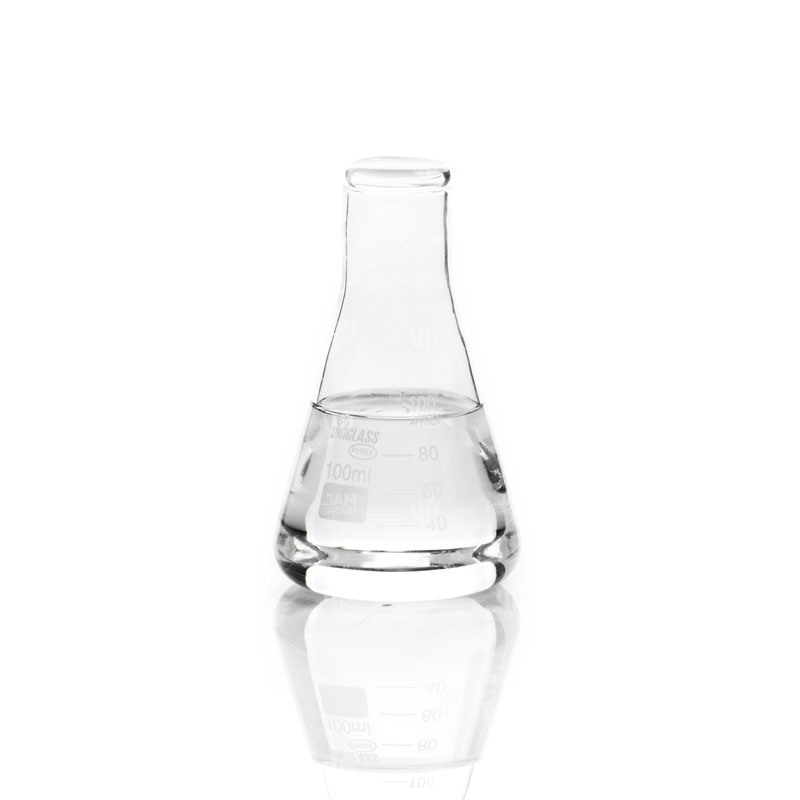
Sodium Hypochlorite is a widely used inorganic salt and strong oxidizing agent, chemically represented by the formula NaClO. It is predominantly manufactured as a greenish-yellow aqueous solution created through the reaction of chlorine gas with sodium hydroxide. In the industrial marketplace, it is positioned as a primary disinfectant, bleaching agent, and biocide. Due to its instability in pure form, it is always supplied dissolved in water at specific concentrations. Buyers across the water treatment and chemical sectors rely on it for its ability to destroy pathogens and break down organic matter effectively.
Chemical & Physical Specifications of Sodium Hypochlorite
Understanding the chemical specifications of this product is essential for procurement, as the “Active Chlorine” content directly dictates the dosage and efficiency of your application. Key parameters such as density and excess alkalinity serve as indicators of the solution’s quality and expected shelf-life stability. Because this molecule decomposes over time, relying on numeric values from a current Certificate of Analysis (COA) is mandatory rather than relying on generic data. The following specifications outline the critical quality markers that define industrial-grade supply.
- Purity & Composition:
The primary specification is the concentration of Active Chlorine, which typically ranges from 10% to 15% by weight for industrial grades. It is equally important to control impurities such as Iron (Fe) and Copper (Cu), as these heavy metals act as catalysts that accelerate decomposition. A slight excess of Sodium Hydroxide (free alkali) is maintained to stabilize the solution.
- Appearance & Physical Standards:
Commercially available solution appears as a clear, greenish-yellow liquid that must be free from visible sediment or suspended matter. It possesses a distinct, pungent, and penetrating chlorine-like odor which is detectable even at very low concentrations. The color intensity can vary slightly depending on the exact concentration, but any cloudiness typically suggests contamination or improper filtration during manufacturing.
- Solubility & Density:
This chemical is completely miscible in water at all proportions, allowing for easy dilution in dosing systems. The specific gravity or density usually falls between 1.15 and 1.25 g/mL at 20°C, depending on the active strength. Higher density values generally correlate with higher chlorine concentrations, making specific gravity a quick field test for verifying product strength before unloading.
- Thermal Properties:
Sodium Hypochlorite solutions are sensitive to temperature and do not have a standard melting point like solids; however, the freezing point varies significantly with concentration, often dropping to around -16°C to -25°C for commercial grades. The solution is thermally unstable and begins to decompose rapidly at temperatures above 40°C, losing its active chlorine content and releasing oxygen gas.
- Insolubles / Residue / Moisture:
While this is a liquid product, the presence of insoluble impurities or precipitates is a critical quality defect that can clog metering pumps and injection nozzles. High-quality grades are filtered to remove any solid residues remaining from the manufacturing process. “Moisture” is not a relevant specification for aqueous solutions, but the water quality used for dilution must be free of metals.
Reactivity, Stability & Performance of Sodium Hypochlorite
The performance of this chemical is defined by its high oxidation potential, but this power comes with significant stability challenges that must be managed. When specifications are maintained correctly, the product delivers rapid disinfection and effective color removal without leaving hazardous long-term residues. However, buyers must avoid vague claims of “long shelf life” and instead focus on measurable stability parameters like alkalinity and storage temperature. The following modules explain how chemical properties translate into real-world handling and performance outcomes.
- Chemical Stability / Hygroscopicity:
This compound is inherently unstable and will naturally degrade into sodium chloride and oxygen over time. The rate of degradation is significantly accelerated by exposure to heat, ultraviolet light, and contact with heavy metals. Therefore, strict stock rotation and protection from direct sunlight are necessary to preserve the active content. It is not hygroscopic since it is already an aqueous solution.
- Corrosion Profile:
It is highly corrosive to many common metals, including carbon steel, aluminum, and copper. It is compatible with specific materials such as titanium, PVC, CPVC, and rubber-lined tanks. Chemically, it reacts violently with acids to release toxic chlorine gas and with ammonia to form hazardous chloramines. It is a strong oxidizer that must be isolated from reducing agents and organic solvents.
- Safety Profile:
Classified as a corrosive substance, this product causes severe skin burns and eye damage upon direct contact. It is also very toxic to aquatic life with long-lasting effects if released into the environment. Procurement teams must ensure that all personnel handling the product are trained in SDS protocols and that local regulations regarding spill containment and personal protective equipment are strictly followed.
Available Grades, Forms & Supply Formats of Sodium Hypochlorite
Sodium Hypochlorite is almost exclusively supplied in liquid form, but it is available in different grades tailored to specific regulatory and purity requirements. Buyers typically choose between standard industrial grades for general bleaching and treated grades for sensitive applications like drinking water. Choosing the correct grade prevents operational issues, such as heavy metal contamination in potable water systems. Below are the common supply formats and grade distinctions available in the market.
The Technical Grade
Sodium Hypochlorite Technical Grade acts as the industrial workhorse, typically supplied at concentrations between 12% and 15%. This formulation prioritizes oxidative power and cost-efficiency over absolute purity, making it the ideal choice for heavy-duty applications where minor metallic impurities do not compromise the process. It is extensively utilized in municipal wastewater treatment plants to reduce biological oxygen demand (BOD) and effectively neutralize effluent pathogens. Additionally, the textile and paper industries rely on this grade for aggressive bleaching operations, stripping color from raw cotton and pulp. Buyers favor this specification for its high active chlorine content, which delivers maximum disinfection per liter in non-sensitive industrial environments.
The Potable Water Grade
Potable Water Grade is a premium specification manufactured under strict quality controls to meet rigorous health and safety standards, such as NSF/ANSI 60. Unlike standard industrial options, this grade undergoes additional filtration and testing to ensure that heavy metals like lead, mercury, and arsenic are kept at trace levels. Its primary application is the disinfection of municipal drinking water reservoirs and emergency water supplies, where the safety of the end consumer is paramount. Water treatment facilities prioritize this grade to minimize the formation of harmful disinfection by-products. By using this high-purity solution, municipalities ensure that water remains safe for consumption without introducing toxic contaminants into the public supply.
The Food Additive Grade
The Food Additive Grade is specifically formulated to ensure safety for sanitation tasks involving direct or indirect food contact surfaces. Compliant with stringent regulations from agencies like the FDA or USDA, this grade features low heavy metal content to prevent any toxic residue from remaining on processing equipment. It is widely employed in the dairy, beverage, and food processing industries for Clean-in-Place (CIP) systems, effectively sanitizing pipes, tanks, and filling machines. Beyond equipment, it is often diluted for washing fruits and vegetables to reduce microbial load. Processors rely on this grade to maintain hygiene standards without risking chemical contamination of the final food product.
The Ultra-Pure Grade
Sodium Hypochlorite Ultra-Pure Grade is a specialized, high-value formulation designed for the most sensitive manufacturing environments, particularly within the electronics sector. This grade is characterized by its exceptionally low levels of ionic contaminants, often measuring metal ions like iron, copper, and nickel in parts per billion (ppb). Such extreme purity is critical in semiconductor fabrication and printed circuit board (PCB) manufacturing, where even microscopic impurities can cause short circuits or defects on silicon wafers. It is primarily used for precision cleaning and etching processes. Buyers in the microelectronics industry select this grade because it provides the necessary oxidative strength without depositing conductive residues that would compromise device performance.
The Commercial Grade
Commercial Grade, often recognized as household bleach, is the formulation most familiar to general consumers, typically available in concentrations ranging from 3% to 8%. This grade is stabilized to ensure a longer shelf life on retail shelves, often incorporating additives to control odor or viscosity. While less concentrated than industrial variants, it remains highly effective for routine surface disinfection, laundry whitening, and general sanitation in homes and small businesses. It is not suitable for heavy industrial processing due to its lower active content and potential additives. Retailers and cleaning service providers stock this grade for its balanced safety profile and ease of use in non-specialized cleaning environments.
Sodium Hypochlorite Production Process
The production of Sodium Hypochlorite generally occurs via the chlor-alkali process, where brine (sodium chloride solution) is electrolyzed to produce chlorine gas and sodium hydroxide (caustic soda). These two co-products are then reacted together in a controlled absorption tower at reduced temperatures. Maintaining a low temperature during this reaction is critical to prevent the formation of sodium chlorate, an undesirable impurity. The final solution is filtered to remove particulates and tested for strength before being released for packaging.
Because the synthesis process relies on the precise ratio of chlorine to caustic soda, manufacturers must carefully monitor the “excess caustic” levels. If the solution becomes too acidic during production, it becomes unstable; if it is too alkaline, it may affect the pH of the end application. Once the reaction is complete, the product is immediately transferred to storage tanks made of compatible materials. The entire process is designed to minimize the introduction of transition metals, which would otherwise compromise the stability of the finished batch.
Safe Handling & Storage of Sodium Hypochlorite
Proper storage is the most effective way to maximize the shelf life of this temperature-sensitive chemical. It should be stored in a cool, dry, and well-ventilated area, away from direct sunlight and heat sources, as UV radiation and high temperatures rapidly degrade the active chlorine. Storage tanks and containers must be made of corrosion-resistant materials like PVC, polyethylene, or rubber-lined steel. Segregation from acids and ammonia is a mandatory safety protocol to prevent the accidental release of lethal gases.
personnel handling this product must wear appropriate Personal Protective Equipment (PPE), including chemical-resistant gloves, safety goggles, and face shields, as per the Safety Data Sheet (SDS) and local safety regulations. Common pitfalls in handling include allowing the product to overheat during summer months or using vented caps that have become clogged, leading to pressure buildup. To prevent contamination, never return unused product to the original container, as even trace amounts of external substances can trigger rapid decomposition of the entire bulk volume.
About JAM Holdings Group’s Sodium Hypochlorite
JAM Holdings Group provides a comprehensive sourcing solution that encompasses end-to-end management of production, quality control, and export logistics. As a dedicated supplier of Sodium Hypochlorite, we understand that freshness is paramount for this chemical. We coordinate directly with manufacturing facilities to schedule production runs that align with vessel departures, ensuring that the product you receive is as fresh as possible. Our commitment extends to rigorous laboratory testing, where we verify active content and impurity profiles to guarantee traceability and compliance with your specific requirements.
JAM Holdings Group as a Reliable Supplier of Sodium Hypochlorite
We bridge the gap between industrial production and international procurement by offering robust compliance and inspection support. Operating as a reliable exporter of Sodium Hypochlorite, we offer our clients the option of pre-shipment inspections through reputable third-party agencies like SGS or Bureau Veritas. This validates both the quantity and the technical specifications before the cargo leaves the port. We also manage the complexities of dangerous goods (DG) documentation and labeling, ensuring that your shipment complies with international safety regulations and arrives without administrative delays.
Sourcing & Facilities
Our supply chain is anchored by strong relationships with major chlor-alkali producers located in key industrial regions, ensuring a stable and continuous volume for our clients. Our role as a provider of Sodium Hypochlorite allows us to leverage a qualified partner network that utilizes modern electrolysis technology for high-purity output. We prioritize sourcing from facilities that demonstrate consistent operational reliability and adherence to environmental standards. This provenance strategy minimizes supply disruptions and provides our buyers with the assurance of a consistent product origin for their long-term contracts.
Packaging & Logistics of Sodium Hypochlorite at JAM Holdings Group
We utilize packaging solutions specifically designed to handle the corrosive and off-gassing nature of this product. Our standard options include 220-liter high-density polyethylene (HDPE) drums and 1,000-liter Intermediate Bulk Containers (IBCs), all equipped with mandatory venting systems to release oxygen buildup safely. For larger volume requirements, we can arrange ISO tank shipments. All packaging is clearly labeled with batch numbers, production dates, and hazard classifications to ensure safe handling and seamless logistics optimization during ocean transit and final delivery.
| Property | Specification | Test Method |
| Chemical Type | Aqueous sodium hypochlorite solution, stabilized with excess alkali | N/A |
| Appearance | Clear to slightly hazy liquid; free from visible sediment | Visual inspection |
| Solids Content (wt%) | Available chlorine (as Cl₂): 10–15% (w/w) (typical industrial range) | ASTM D2022 (iodometric titration) |
| Viscosity @25 °C | Typically ≤5 mPa·s (near water) | ISO 2555 (rotational viscosity) |
| pH @25 °C | Typically 11.0–13.0 (as supplied) | ISO 10523 / ASTM E70 |
| Density @25 °C | Typically 1.15–1.25 g/mL (as supplied) | ASTM D4052 / ASTM D1298 |
| Water Tolerance | Completely miscible in water; dilute with clean, metal-free water | Mixing check (in-house) |
| Iron (Fe) | Typically ≤10 mg/kg (ppm) (lower is preferred for stability) | ICP-OES / ICP-MS |
| Shelf Life | Typically 3–6 months when stored correctly; strength decreases over time | Retest available chlorine (ASTM D2022) |
| Packing | HDPE drums or IBCs; bulk tankers for large volumes (per order) | N/A |
| Storage | Cool, shaded, and well-ventilated area; keep container tightly closed; avoid heat, sunlight, acids, and metals | N/A |
Typical Applications of Sodium Hypochlorite
This chemical serves as the backbone for sanitation and bleaching across a diverse range of heavy industries. Its primary applications include municipal water treatment for disinfection, textile manufacturing for whitening fabrics, and the pulp and paper industry for delignification. Additionally, it is widely used in chemical processing as an intermediate and in industrial cleaning for sanitizing hard surfaces. Buyers should always confirm that the specific grade selected matches their intended application, particularly when regulatory compliance for food safety or drinking water is required.
○What is the expected shelf life of Sodium Hypochlorite, and how can I extend it?


The shelf life of Sodium Hypochlorite is not fixed and is heavily dictated by storage conditions, specifically temperature and UV exposure. A standard 12.5% industrial solution is chemically unstable and can lose a significant portion of its active chlorine within just 30 days if stored above 25°C. Degradation accelerates rapidly in heat; for roughly every 10°C increase, the decay rate nearly doubles. To ensure process consistency, we strongly recommend ordering fresh stock frequently rather than holding large inventories. Using the product within 30 to 45 days of manufacture is the industry best practice to guarantee the oxidative strength required for your application.
○Which materials are compatible for storing Sodium Hypochlorite?
Selecting the correct storage material is critical because Sodium Hypochlorite is aggressively corrosive to most metals. You must strictly avoid carbon steel, stainless steel, aluminum, and copper piping, as contact with these metals causes rapid corrosion and introduces iron or copper ions that catalyze product decomposition. The only recommended materials for long-term storage are high-density polyethylene (HDPE), fiberglass-reinforced plastic (FRP), Titanium, or rubber-lined steel. PVC and CPVC are suitable for piping systems. Ensuring your infrastructure is compatible prevents costly leaks and maintains the purity of the chemical solution throughout its shelf life.
○Why is it dangerous to mix Sodium Hypochlorite with other chemicals?
Safety is the absolute priority when handling this chemical, and it must never be mixed with other cleaning agents or process chemicals without strict engineering controls. Mixing Sodium Hypochlorite with any acidic substance—such as toilet bowl cleaners, rust removers, or industrial acids—will instantly release lethal Chlorine gas, which causes severe respiratory failure. Similarly, mixing it with ammonia or ammonium salts produces hazardous chloramine vapors. It is a powerful oxidizer that should always be stored in a dedicated containment bund, well separated from acids and organic compounds, to prevent accidental mixing and catastrophic reactions.
○Why do Sodium Hypochlorite drums require vented caps?
Sodium Hypochlorite solutions naturally undergo a slow decomposition process that releases oxygen gas, even under ideal storage conditions. If the product is stored in a completely sealed container, this oxygen generation can lead to significant pressure buildup, causing drums to bulge, crack, or even rupture explosively. To mitigate this risk, all our export packaging features specialized “breather” caps or two-way venting systems. These vents allow the accumulated oxygen to escape safely while keeping the liquid contained. Regular inspection of these vents is necessary to ensure they remain free of crystallization and function correctly during storage.
○Does Sodium Hypochlorite freeze, and does it degrade the product?
The freezing point of Sodium Hypochlorite varies significantly depending on its concentration, which is an important consideration for winter logistics. A standard 12.5% industrial solution typically has a freezing point of approximately -25°C, offering good resistance to cold. However, lower concentrations will freeze at temperatures much closer to 0°C. If the solution freezes, the sodium hypochlorite salt may precipitate out of the liquid phase. While the product can often be recovered by thawing and vigorous agitation, repeated freeze-thaw cycles can degrade the active content and stress the physical integrity of plastic storage containers.
HOW CAN JAM GROUP HELP YOU?
Send us a message and our friendly team will get back to you within one business day.