
















Zinc Sulfate Monohydrate is a water-soluble inorganic salt that buyers use when they need a clear, measurable zinc input for blending, dissolution, or industrial processing. The term “monohydrate” means the crystals contain one bound water molecule, so the zinc content and dosing are different from other zinc sulfate forms. Procurement therefore depends on three checks: the assay basis, the controlled impurities, and the material’s behavior during storage and transport in real purchasing decisions. Let’s examine why these points set the real performance.
In many supply chains, the specification is only as strong as the seller’s batch control and paperwork. Buyers often request a Certificate of Analysis (COA) for each lot and a Safety Data Sheet (SDS) to guide handling and support customs files. JAM Holdings Group supports Zinc Sulfate Monohydrate transactions by aligning batch identification, documents, and packing data so the receiving team can match goods to the correct COA. This helps reduce hold times, supports internal QC, and lowers the risk of disputes.
What is Zinc Sulfate Monohydrate?
Zinc Sulfate Monohydrate is the hydrated form of zinc sulfate, commonly written as ZnSO₄·H₂O. It is supplied as a solid and used mainly as a zinc source rather than a finished component. Because zinc sulfate is traded in more than one hydrate form, buyers should specify “monohydrate” and confirm how the assay is reported, such as percent zinc (Zn) or percent zinc sulfate monohydrate. The hydrate form affects shipping weight and dosing calculations, so substitution between hydrates should not occur without recalculating targets and confirming results on the COA.
Chemical & Physical Specifications of Zinc Sulfate Monohydrate
Key specifications for Zinc Sulfate Monohydrate link directly to cost-in-use and process stability. Assay defines how much zinc value a buyer receives per kilogram. Impurity limits reduce regulatory exposure and protect sensitive formulations. Physical controls such as particle form and insoluble matter influence dissolution speed, solution clarity, and filtration load. Numeric limits differ by grade and must be confirmed on the supplier’s TDS and on the COA for the shipped batch. If values are not documented, they should be treated as undefined.
- Purity & Composition:
Procurement usually centers on assay plus an impurity list that matches the end use. For Zinc Sulfate Monohydrate, buyers control heavy metals like lead and cadmium, and may set limits for iron or chloride where color or corrosion is a risk. The correct limits depend on grade and must be verified on the COA and the supplier’s TDS before approval.
- Appearance & Physical Standards:
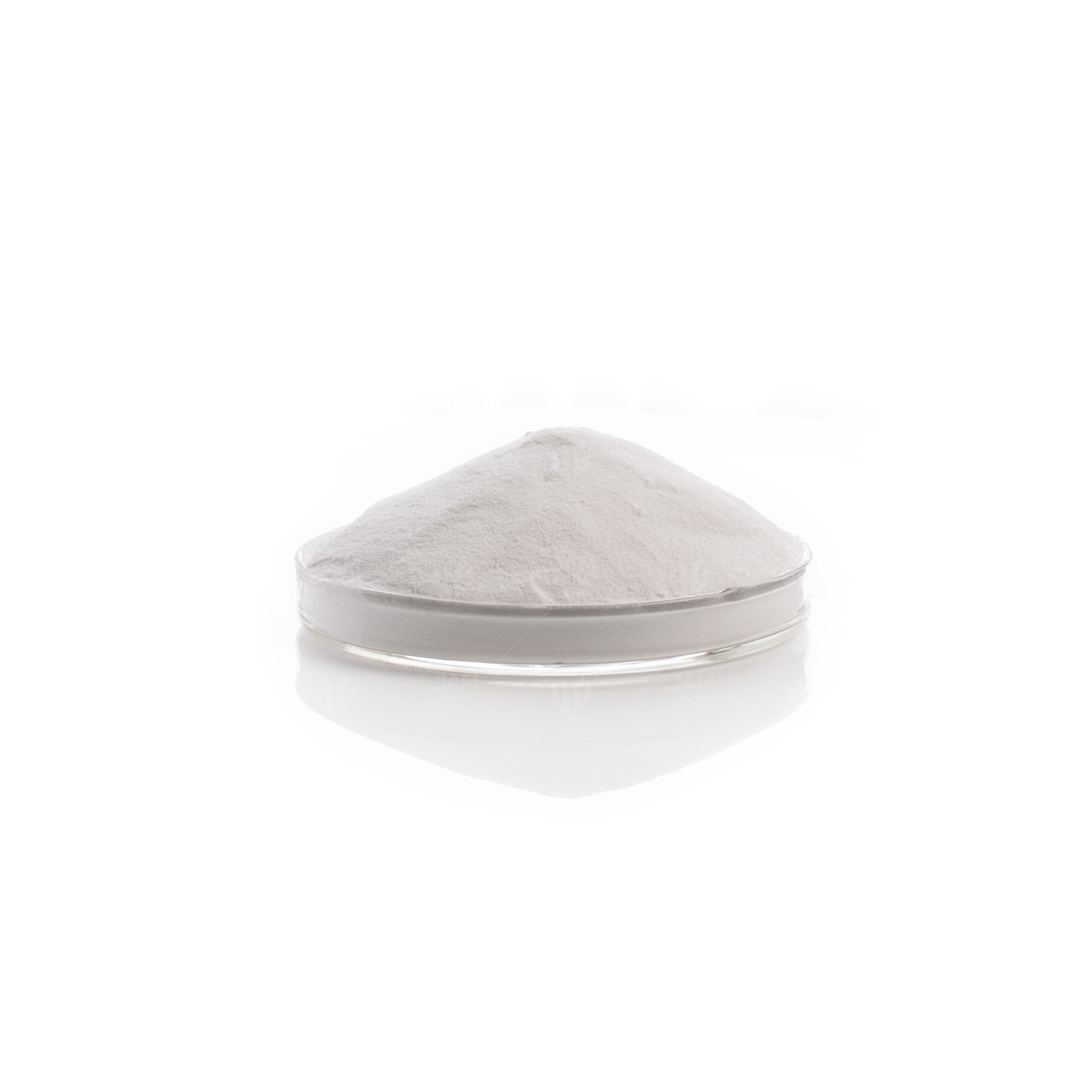
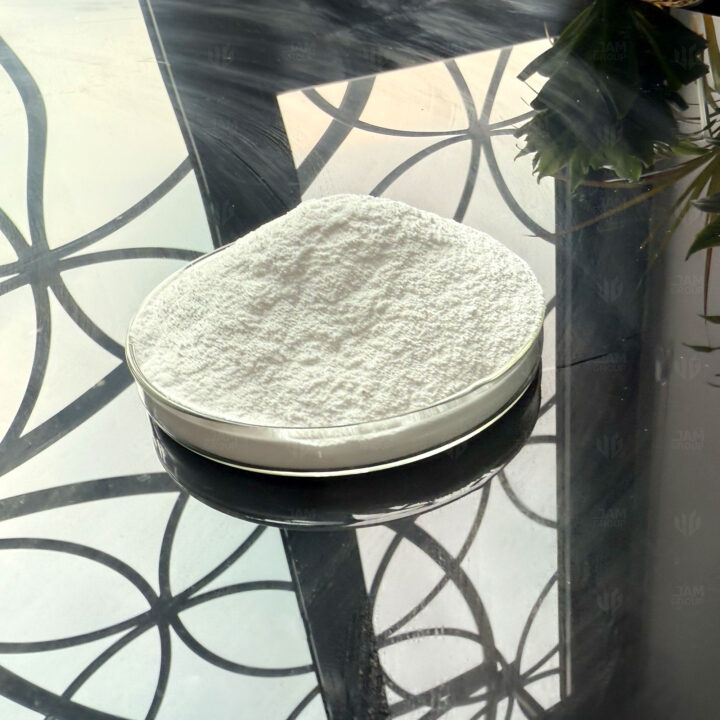
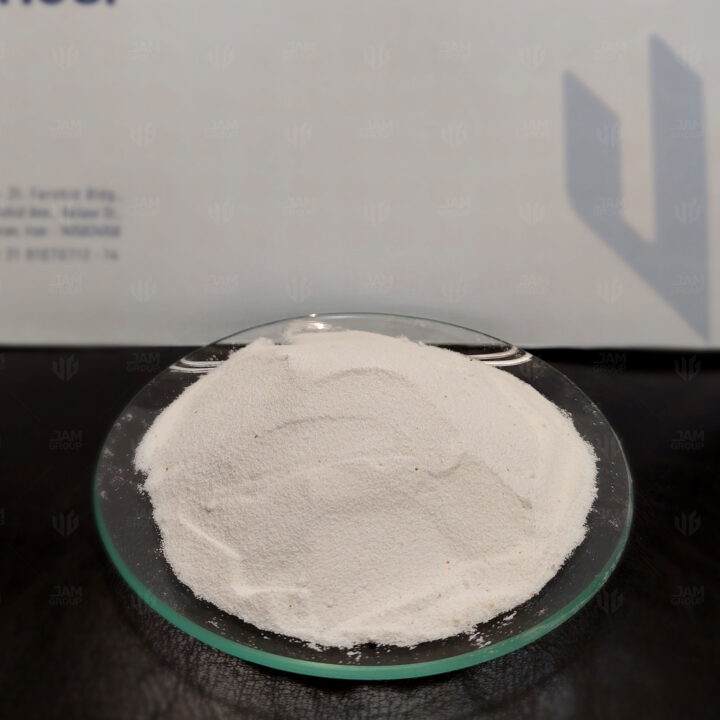
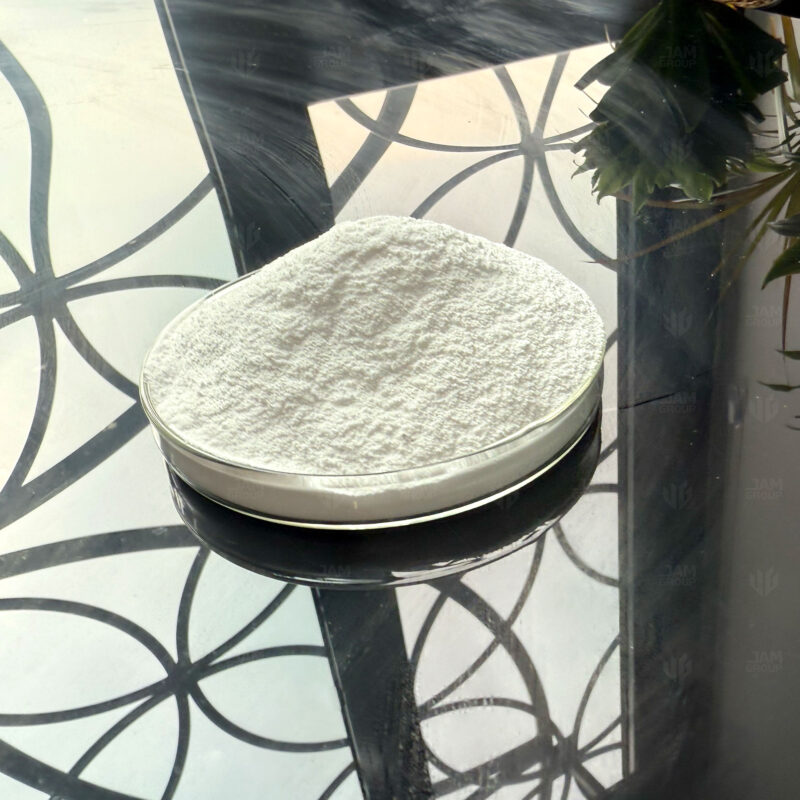
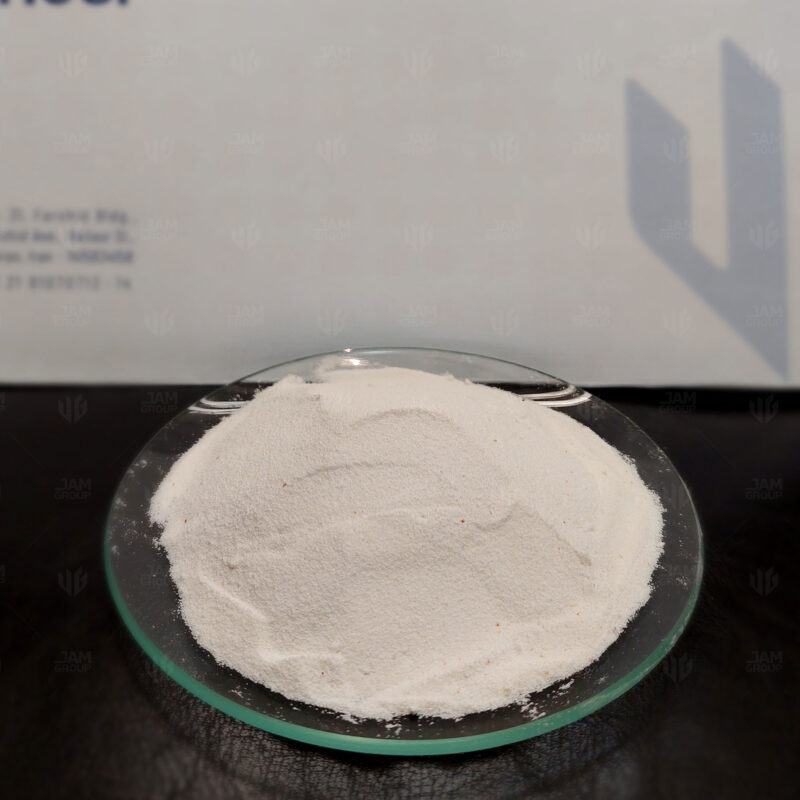
Zinc Sulfate Monohydrate is commonly supplied as crystals, granules, or powder, often white to off-white. Physical acceptance is practical: clean material, low foreign matter, stable flow, and minimal caking after transport. If dust tendency, odor, or particle size targets affect the process, define them in the purchase specification and confirm them through agreed documentation.
- Solubility & Density:
As a water-soluble salt, Zinc Sulfate Monohydrate is dissolved to prepare working solutions or to support blending. In practice, dissolution speed depends on temperature, mixing, and particle size rather than chemistry alone. Bulk density can affect packaging efficiency and feeder settings, but it varies by form. Use TDS values for guidance and confirm critical limits through COA or incoming checks.
- Thermal Properties:
Hydrated salts can change during heating because bound water may be released, and decomposition can occur at higher temperatures. For most buyers, the main implication is handling: avoid heat exposure that can change flow or form. If the buyer’s process includes drying or elevated temperature steps, use thermal data from the SDS/TDS or a named standard in the specification.
- Insolubles and Moisture:
Water-insoluble matter and moisture-related metrics help predict whether solutions stay clear and whether the product cakes in storage. Higher insolubles can raise filtration cost, while higher moisture can reduce flow and dosing accuracy. Some buyers also review residue on ignition when it signals contamination. Targets vary by grade, so procurement should rely on batch COA results for each shipment.
Reactivity, Stability & Performance of Zinc Sulfate Monohydrate
Performance issues with Zinc Sulfate Monohydrate are usually tied to storage behavior and solution compatibility. The dry solid is generally stable, but moisture pickup can cause hard lumps that reduce flow and dosing accuracy. In solution, results depend on pH and on other chemicals that may form less soluble zinc compounds. Buyers should therefore connect the COA profile to their process conditions, and keep receiving and storage practices aligned with the SDS. Clear controls at receipt reduce rework and help prevent off-spec blends.
- Hygroscopicity:
Moisture pickup is a key operational risk because it can drive caking, poor flow, and dosing variation. Good practice is to store packaging in a dry, ventilated area, keep inner liners sealed, and reseal promptly after sampling. If shelf life is a purchasing requirement, it should be defined by the supplier and supported by SDS or product documentation.
- Reaction Profile:
Compatibility is mainly a process question. Zinc sulfate solutions can behave differently in strongly alkaline systems, and contact with incompatible chemicals may lead to precipitation or unwanted reactions. Avoid cross-contamination during storage and mixing, and keep chemicals segregated. Any formal incompatibility list should be taken from the SDS and the buyer’s internal risk assessment.
- Toxicity Profile:
Handling should follow the SDS and local regulations, with controls to limit dust and prevent contact with eyes and skin. Use basic PPE such as gloves and eye protection, and maintain good housekeeping to reduce airborne particles during transfer. Labels and safety documents should travel with each lot so warehousing, transport, and customs teams have consistent guidance.
Available Grades, Forms & Supply Formats of Zinc Sulfate Monohydrate
Zinc Sulfate Monohydrate is sourced in grades that reflect end-use sensitivity and documentation needs. Standard industrial grades typically focus on assay, moisture control, and basic impurity limits for general manufacturing and blending. Higher-control grades tighten limits for heavy metals and other contaminants when the downstream chain is more regulated. Buyers also choose the physical form that fits their handling system, since powder, granules, and crystals behave differently in feeders and dissolving tanks. The purchase order should state grade, hydrate form, assay basis, and packaging requirements.
Pharmacopeial and food-code grades
Pharmacopeial and food-code grades are defined by recognized compendia that set minimum requirements for identity, assay, and impurity controls. Buyers select these grades when compliance and documentation matter as much as the chemistry, such as in pharmaceutical, supplement, or food-related supply chains. The grade name alone is not enough; the delivered lot still needs a matching COA, and the hydrate form must be clearly stated to avoid dosing errors. In procurement, these grades reduce ambiguity because tests and acceptance criteria are tied to published monographs or food codes.
- USP grade:
Used when USP–NF compliance is required for pharma and supplement chains.
- Ph. Eur./EP grade:
Selected for markets and customers that specify European Pharmacopoeia requirements.
- BP grade:
Used where British Pharmacopoeia conformity is requested by the buyer.
- FCC/Food grade:
Chosen for food and beverage use where FCC acceptance is the controlling reference.
Laboratory / reagent grades
Laboratory and reagent grades are purchased to support testing, research, and controlled preparation work where impurities can distort results. The focus is usually on predictable purity, consistent behavior in solutions, and a defined analytical basis for reporting. Unlike pharmacopeial grades, these categories are often organized around laboratory standards or supplier-defined classifications, so buyers should confirm what specification the seller is applying. When trace contaminants matter, the impurity panel and detection limits become a key part of the buying decision. Documentation and lot consistency remain important, but the goal is measurement reliability rather than regulatory labeling.
- ACS reagent grade:
Intended to meet ACS-style reagent expectations used in many analytical procedures.
- Analytical grade:
A common vendor classification for routine lab use, with specifications varying by supplier.
- Trace-metals basis/high-purity grade:
Selected when very low metal contaminants are needed for sensitive analysis or research.
Use-based commercial grades
Use-based commercial grades are defined mainly by the intended application and its practical constraints, rather than by a single global monograph. Buyers choose these grades based on cost-in-use, process compatibility, and the risk profile of the downstream market. The same product can be sold under different commercial grades with different impurity limits, physical form targets, and documentation expectations. The purchase specification should therefore state assay basis, hydrate form, and critical impurity limits, and acceptance should be tied to lot COA results. This approach reduces disputes and helps receiving teams evaluate each shipment consistently.
- Fertilizer/agricultural grade:
Built for crop nutrition markets, often emphasizing zinc assay, solubility, and low insolubles.
- Feed grade (animal nutrition/premix):
Typically tighter heavy-metal control and stronger traceability for regulated feed chains.
- Industrial/technical grade:
Used in general manufacturing where buyer-set specs drive assay and impurity requirements.
Zinc Sulfate Monohydrate Production Process
Commercial production typically starts by generating a zinc sulfate solution from zinc-bearing input materials and sulfuric acid. The solution is clarified to remove insolubles and may be treated to reduce unwanted impurities, depending on the target grade. Crystallization conditions are then controlled so the product forms as the monohydrate, followed by solid-liquid separation. Because production routes vary across plants, buyers should treat detailed route claims as unverified unless documented. From a procurement view, the measurable output on the COA is what matters.
After separation, the crystals are dried and, where needed, screened to achieve a practical particle form for packing and handling. The product is then packaged with batch identification so the shipment can be traced back to its analysis. Quality release typically includes assay checks and tests for impurities and insoluble matter against the agreed specification. For buyers, the key control is that the shipped lot’s COA matches the purchase spec and that labels, packing list data, and lot codes all point to the same batch.
Safe Handling & Storage of Zinc Sulfate Monohydrate
Safe handling focuses on dust control, moisture prevention, and clean segregation. Store Zinc Sulfate Monohydrate in a cool, dry, ventilated area, keep packaging sealed, and avoid contact with water or damp floors. Use basic PPE such as gloves and eye protection, and follow the SDS for any additional controls required by local rules. During transfer, minimize dust release and keep tools clean to avoid cross-contamination. These steps protect both operator safety and product quality, especially in blending and dissolving operations.
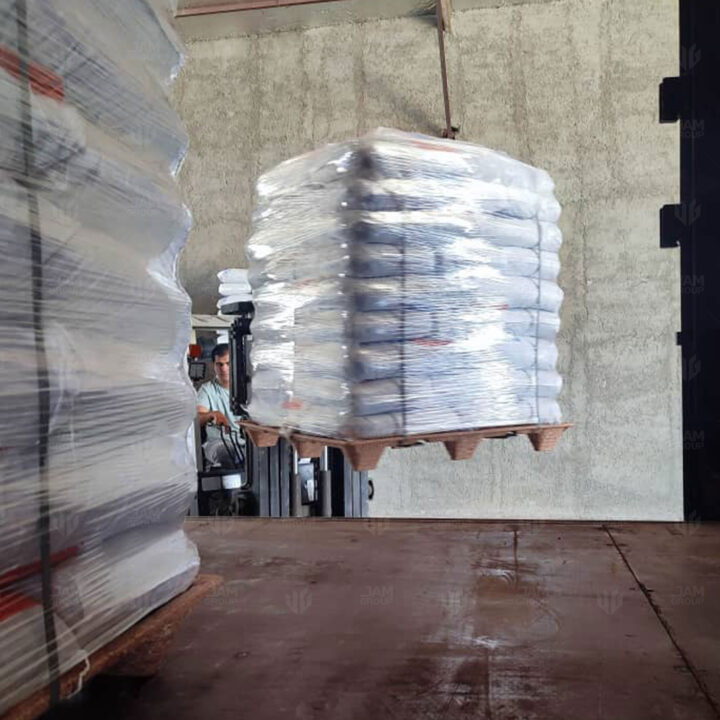
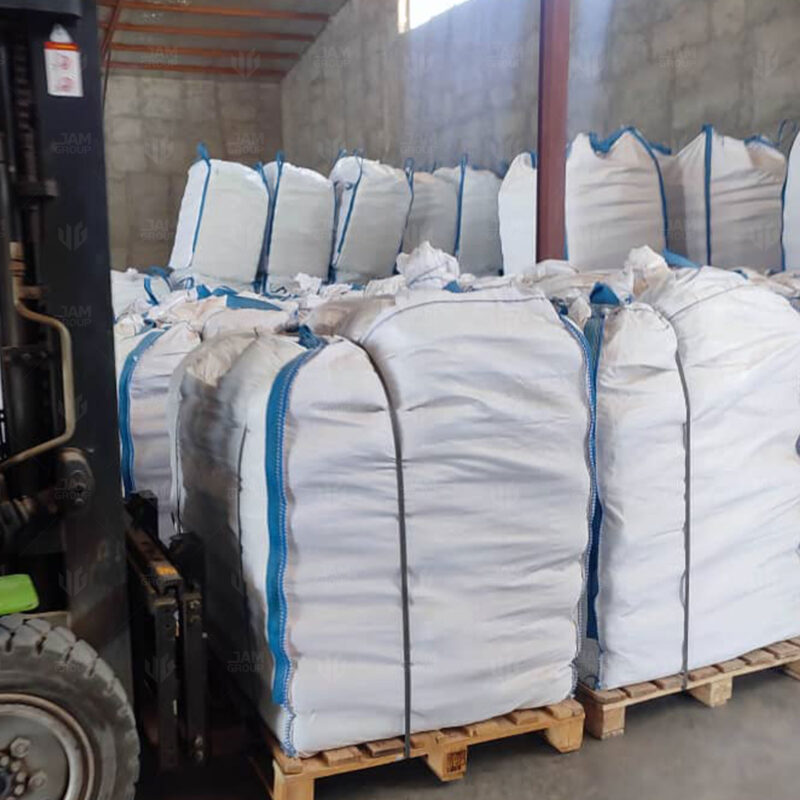
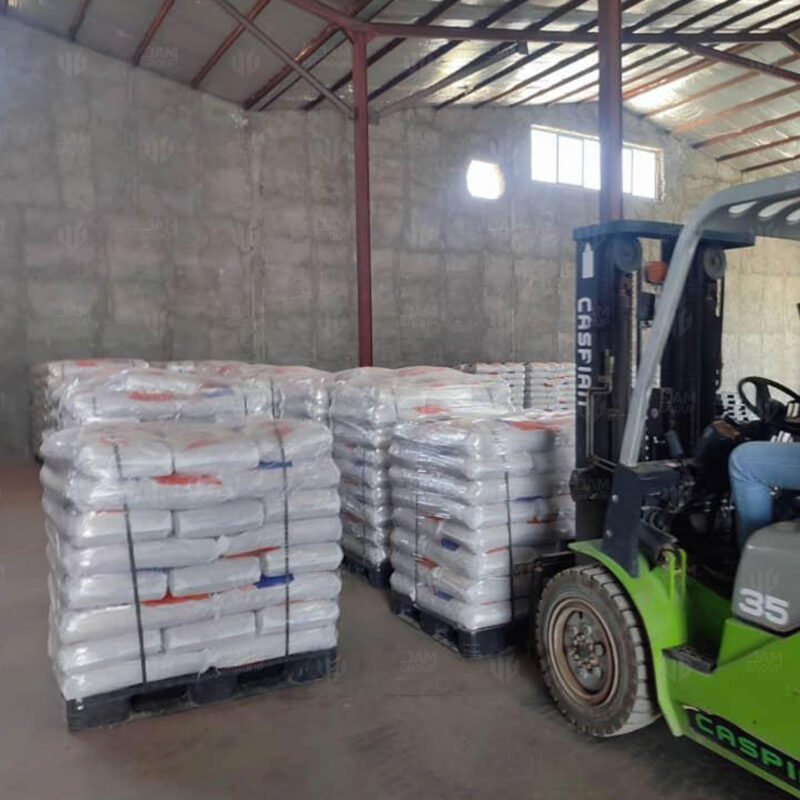
Common pitfalls are predictable and manageable. Moisture exposure can cause caking and hard lumps, so reseal inner liners immediately after sampling and protect opened bags from humidity. Cross-contamination can occur when shared scoops or open storage are used, so define clean handling routines and segregation zones. Packaging damage during forklift handling can lead to loss and contamination, so stabilize pallet loads and handle with care. Receiving teams should check bag integrity, labels, and COA alignment before formal acceptance on arrival.
About JAM Holdings Group’s Zinc Sulfate Monohydrate
JAM Holdings Group supports Zinc Sulfate Monohydrate supply through specification alignment, lot traceability, and export documentation control. Each order is managed around a defined description, including hydrate form, assay basis, and any agreed impurity limits, so the shipped goods match the buyer’s requirement. Documentation discipline is central: the COA and SDS are prepared and linked to the shipment’s batch identification. This supports customs files, speeds receiving checks, and helps the buyer’s QC team match laboratory results to the physical goods delivered.
JAM Holdings Group as a Reliable Supplier of Zinc Sulfate Monohydrate
Reliability in chemical procurement comes from repeatable controls rather than broad claims. JAM Holdings Group emphasizes pre-order specification matching, consistent batch labeling, and shipment documents that reconcile net weight, packing details, and COA data to the same lot. When a buyer requests additional verification, it can be included in the shipment plan subject to agreement and practical timing. This approach reduces destination disputes and supports smooth internal approvals, especially where incoming QC is strict across repeat orders for most buyer workflows.
Sourcing Zinc Sulfate Monohydrate
For Zinc Sulfate Monohydrate, provenance matters because it affects consistency, documentation, and risk management in downstream use. JAM Group Co. aligns sourcing and supply planning with the buyer’s written specification and shipment requirements, and supports traceability through batch identifiers and standard export records. Where supply is supported by qualified partner facilities, each lot is released against the same technical requirement and documented on the COA, with batch coding carried through packing records. This supports audits and root-cause reviews if needed.
Packaging & Logistics of Zinc Sulfate Monohydrate at JAM Holdings Group
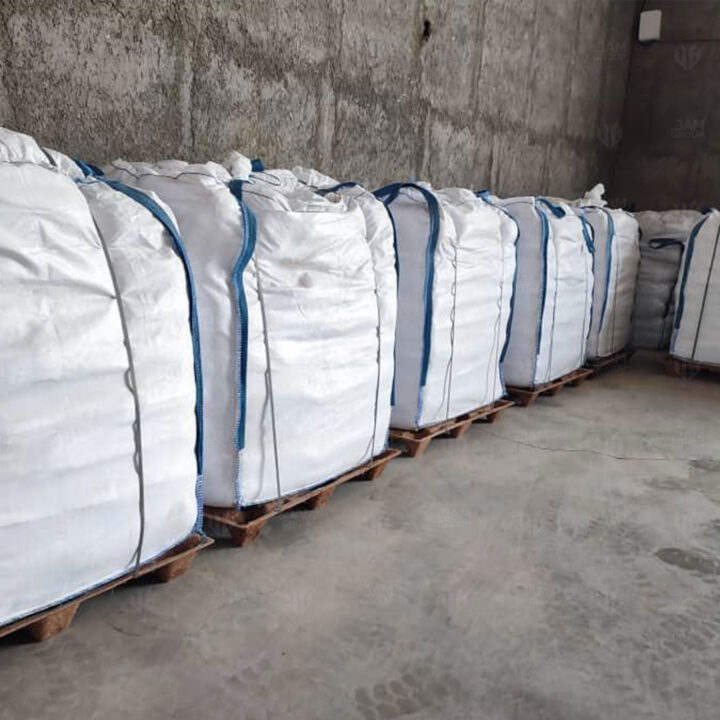
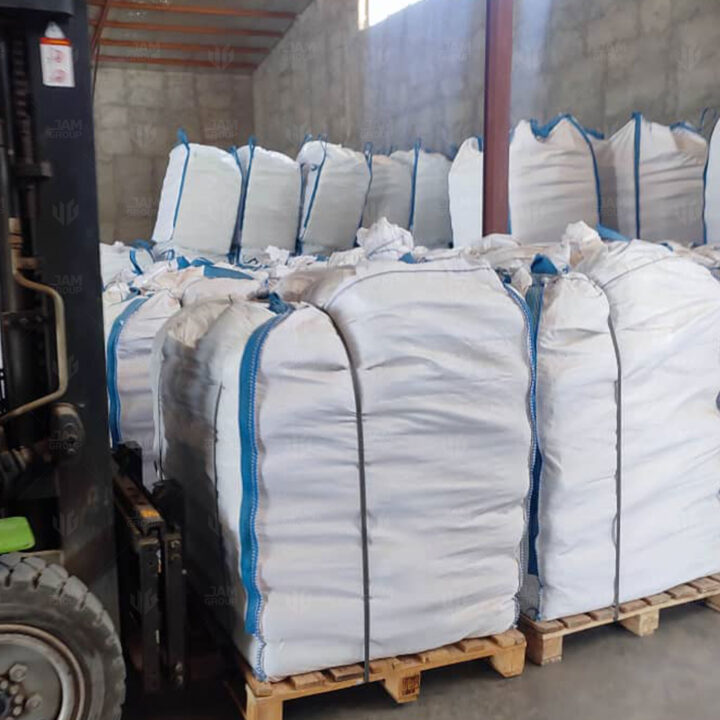
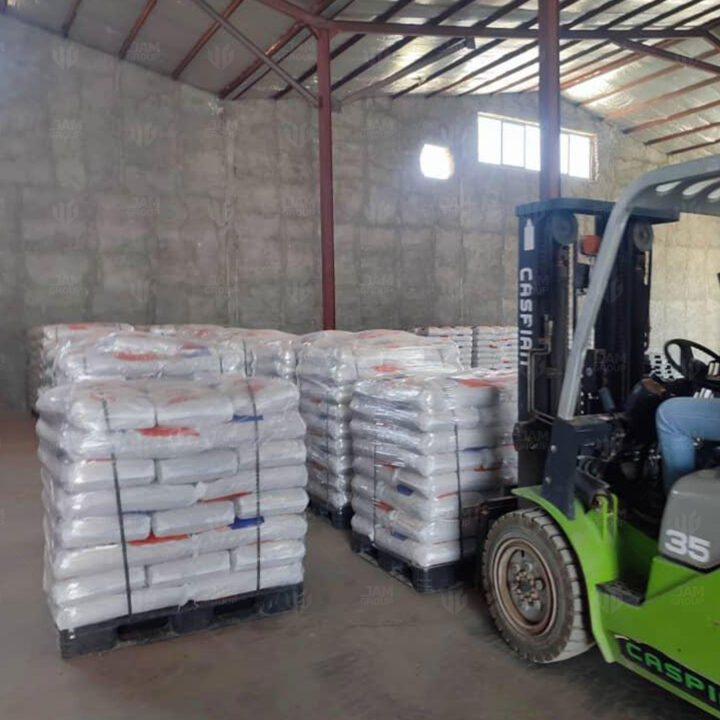
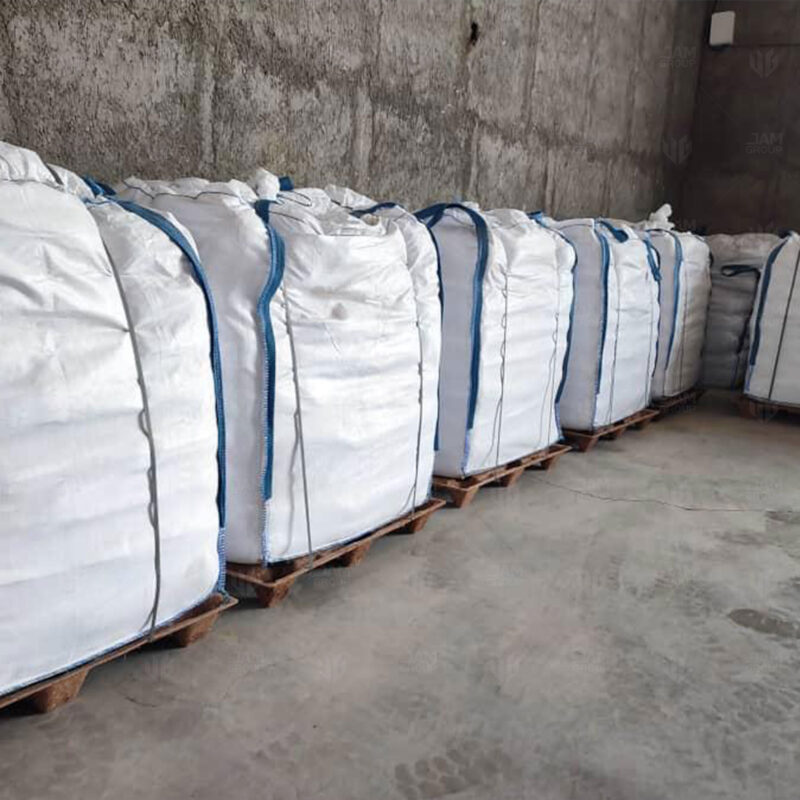
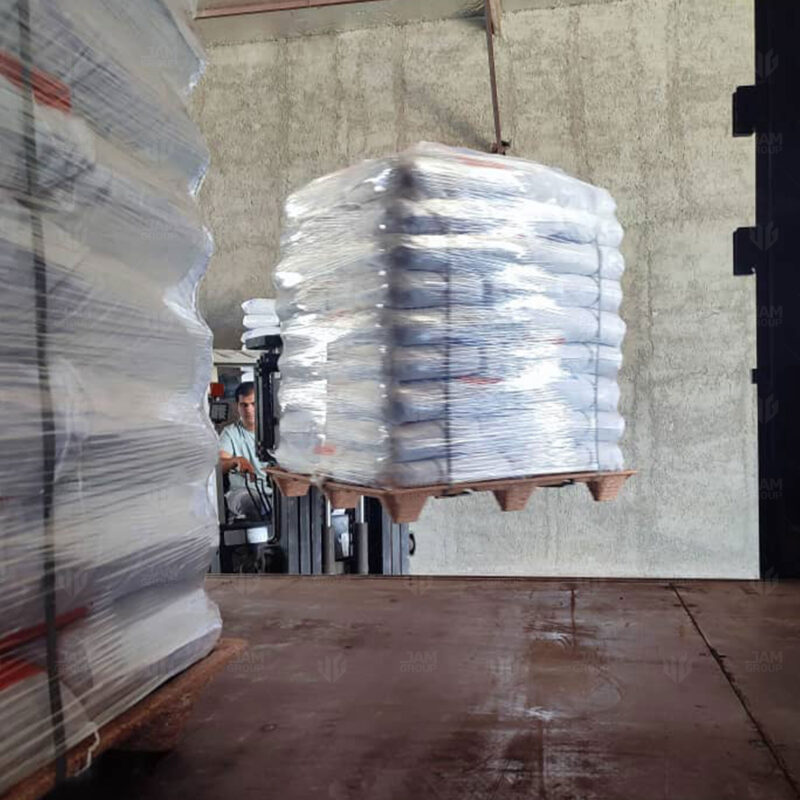
Packaging and logistics are handled to protect the product from moisture and physical damage while maintaining clear identification. Zinc Sulfate Monohydrate is packed in lined packaging intended to limit humidity exposure, with labels showing product name, hydrate form, batch number, and net weight. Final packaging configuration, palletization, and container loading are confirmed during order planning because they depend on destination rules and the buyer’s handling system. During stuffing, the focus is clean loading, damage prevention, and full document consistency overall.
| Property | Specification | Test Method |
| Chemical Type | Inorganic zinc salt; zinc sulfate monohydrate (ZnSO₄·H₂O); crystalline solid | — |
| Appearance | White to off‑white crystals/granules/powder; free of visible foreign matter | Visual inspection |
| Color (Gardner, 5% solution) | ≤ 2 (grade‑dependent) | ASTM D1544 |
| Assay (declare basis) | ≥ 98.0% (as ZnSO₄·H₂O) OR 34.5–36.5% (as Zn) | ICP‑OES / ICP‑MS (Zn) or complexometric titration |
| Loss on Drying (105 °C) | ≤ 1.0 wt% | ISO 787‑2 / Oven method |
| Water‑Insoluble Matter | ≤ 0.05–0.10 wt% | Filtration / gravimetric |
| pH @25 °C (5–10% solution) | 3.5–5.5 | ISO 10523 |
| Chloride (Cl⁻) | ≤ 0.02–0.10 wt% (grade‑dependent) | Ion chromatography (IC) |
| Iron (Fe) | ≤ 10–100 mg/kg (grade‑dependent) | ICP‑OES / ICP‑MS |
| Heavy Metals (Pb, Cd, As) | Pb ≤ 10 mg/kg; Cd ≤ 5 mg/kg; As ≤ 2 mg/kg (typical technical/food limits vary by grade) | ICP‑OES / ICP‑MS |
| Bulk Density (loose) | 0.80–1.20 g/cm³ (form‑dependent) | ASTM D1895 / ISO 60 |
| Particle Size | Granular: 0.2–2.0 mm ≥ 90% (sieve) OR Powder: D50 100–400 µm (laser); specify grade | ISO 3310‑1 (sieve) / ISO 13320 (laser) |
| Shelf Life | 24 months in dry, sealed packaging | Retain re‑test (assay / insolubles / pH) |
| Packing | 25 kg bags; 500–1,000 kg jumbo bags; palletized | — |
| Storage | Cool, dry, well‑ventilated; keep sealed; protect from moisture; segregate from incompatible materials | — |
Typical Applications of Zinc Sulfate Monohydrate
Zinc Sulfate Monohydrate is used in agriculture as a zinc micronutrient to support crop nutrition when zinc availability in soil is low, and it may be blended into solid or liquid fertilizer systems depending on formulation design. It is also used in industrial operations where a soluble zinc source is required for solution preparation, blending, or other process steps. Other uses may appear in mining, textiles, or water-related processes, but suitability is grade-dependent. Buyers should confirm grade and impurity limits against the intended application and keep dosing aligned to the hydrate form stated on the COA.
○What is the main difference between Zinc Sulfate Monohydrate and Zinc Sulfate Heptahydrate?


The difference is the amount of bound water in the crystal. Monohydrate has one water molecule, while heptahydrate has seven. This changes the zinc content per kilogram and affects dosing and freight efficiency. Always specify the hydrate form and confirm the assay basis on the COA.
○How should buyers read the assay on the COA—%Zn or %ZnSO₄·H₂O?
Suppliers may report assay as percent zinc (Zn) or as percent zinc sulfate monohydrate (ZnSO₄·H₂O). These are not the same number. For purchasing, define which basis you need, and ensure the COA matches it. If your formula uses elemental zinc, request %Zn.
○Which impurities are most critical to control for Zinc Sulfate Monohydrate?
The critical impurity list depends on the end use, but heavy metals are often the first focus. Many buyers review lead (Pb), cadmium (Cd), arsenic (As), and mercury (Hg). Iron (Fe) and insoluble matter can also matter for color, clarity, and filtration. Confirm limits on the COA.
○Why does Zinc Sulfate Monohydrate cake in storage, and how can it be prevented?
Caking usually happens when the product absorbs moisture and crystals bind together. Prevention is mainly storage discipline: keep bags sealed, protect liners from puncture, store in a dry area away from humidity, and reseal quickly after sampling. Use clean tools to avoid introducing moisture or contamination.
○What documents should be requested for import and receiving inspection?
At minimum, request a lot-specific COA and an SDS for safe handling and customs files. Many buyers also need a packing list, commercial invoice, bill of lading, and certificate of origin. If your industry is regulated, you may need an additional grade statement or compliance declaration.
HOW CAN JAM GROUP HELP YOU?
Send us a message and our friendly team will get back to you within one business day.