

















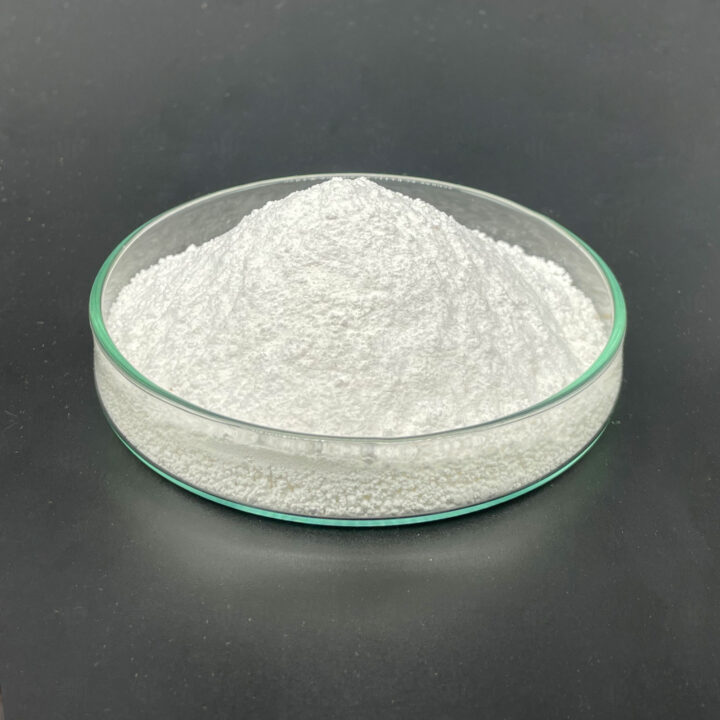

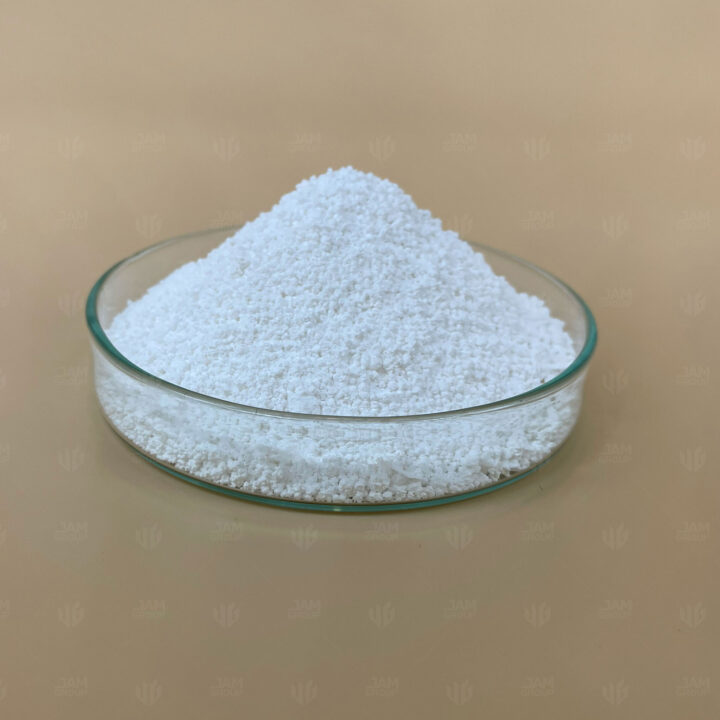
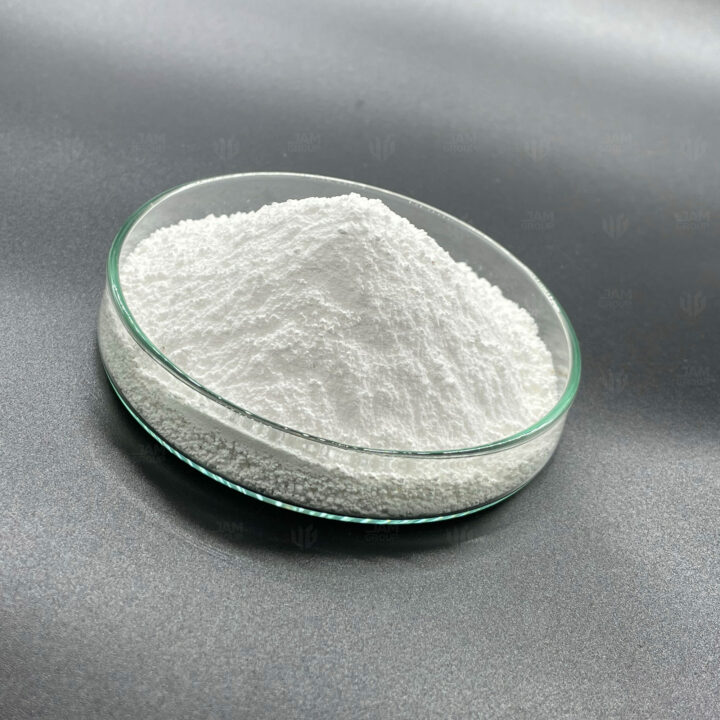
JAM Group Co. is a reliable international calcium chloride supplier and provider for companies that use this chemical in industrial processes. For buyers evaluating a calcium chloride brine supplier or calcium chloride 74% supplier, choosing calcium chloride involves more than identifying the compound: its concentration, physical form, and suitability for the intended application are important purchasing considerations when comparing a calcium chloride price. Whether the requirement concerns brines, moisture control, or other industrial uses, these details help define the material needed. As a calcium chloride chemical supplier and calcium chloride exporter, JAM Group Co. presents this product to industrial buyers seeking a dependable source, with product requirements guiding the purchasing decision.
Controlling moisture and preparing brines are practical reasons why calcium chloride matters to industrial users. Used as a calcium chloride oilfield chemical, this inorganic salt, with the chemical formula CaCl2, is a white, crystalline solid at room temperature and is highly soluble in water. Its applications include use as a solidifying agent in paint manufacture, a coagulant in rubber production, and a chloridizing agent and additive in metallurgy. Calcium chloride also serves as an electrolyte, supporting muscle and nerve function and fluid balance in the body. This article explains its properties, commercial forms, production process, packaging, and applications, including calcium chloride for drilling and calcium chloride for oilfield brines.
What is Calcium Chloride?
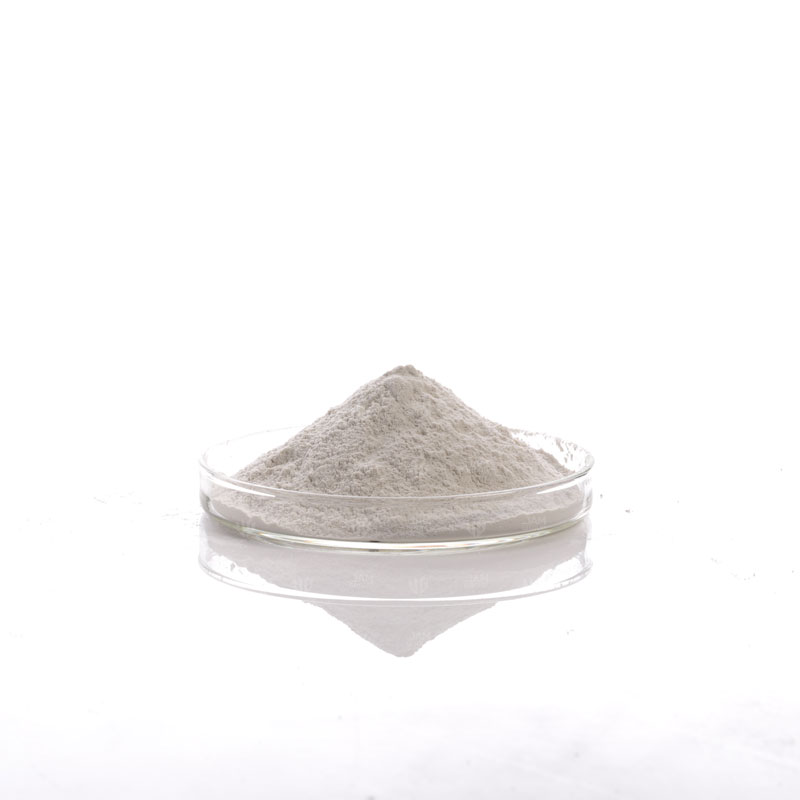
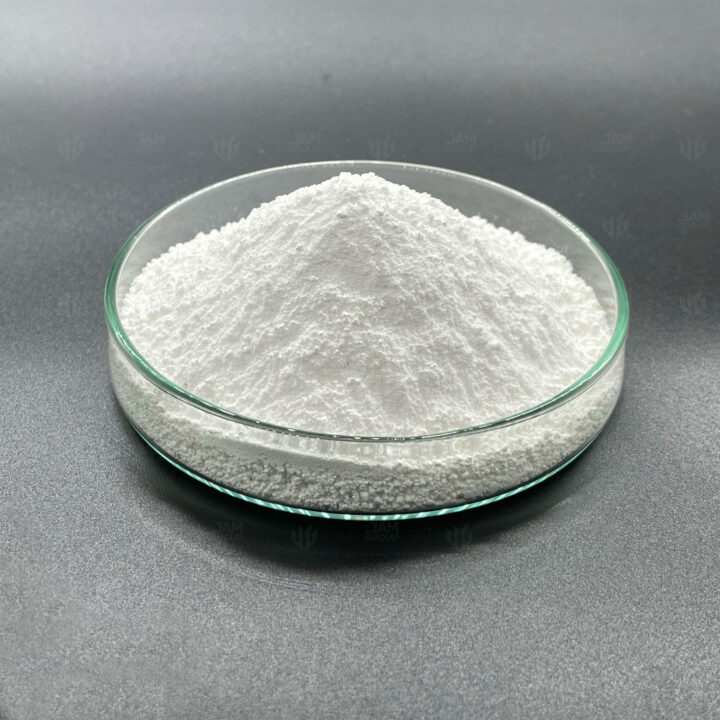
Calcium and chlorine combine to form calcium chloride, an element that belongs to the salt family. It is a salt with the chemical formula CaCl2, an inorganic substance. It is a tasteless, white, crystalline solid substance very soluble in water at room temperature. This substance may draw and absorb water molecules from its surroundings because it is hygroscopic. It is worth noting that the skeleton’s primary component, calcium, also serves a variety of functions as an intracellular and plasma ion.
For calcium replacement, calcium chloride is also injected as a 10% solution in medicine.
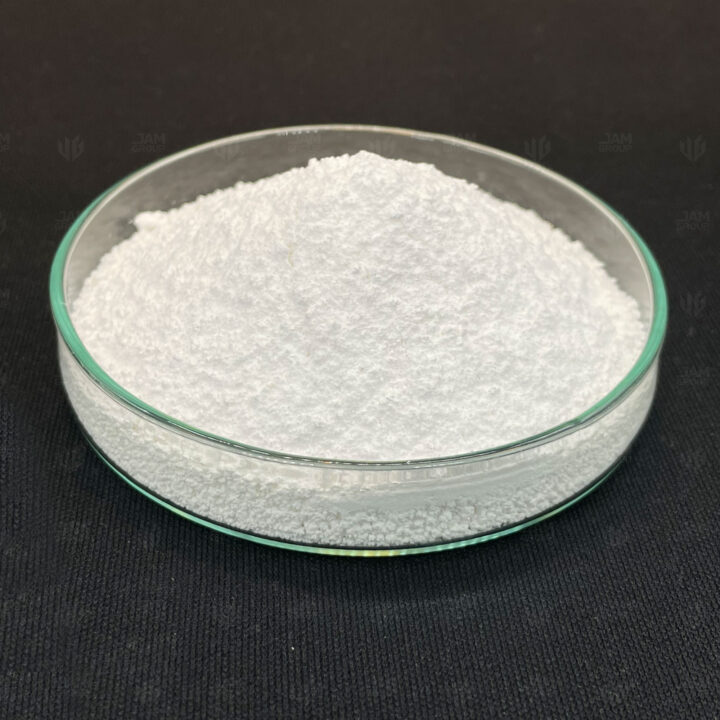
Calcium chloride is delivered in various forms (pellet, flake, or granule) depending on the application’s needs. The result of its dissolution in water is a transparent, colorless solution. This ionic molecule is highly poisonous, dangerous if ingested, causes severe eye damage, and exposure could irritate the respiratory system. Although it is not flammable, it releases toxic or unpleasant fumes or vapors when it burns.
- mass: 110.98 g/mol
- Formula: CaCl2
- IUPAC ID: Calcium chloride
- Melting point: 772°C
- Density: 2.15 g/cm³
- Soluble in: Water, Acetic acid, Alcohol, Acetone
Calcium chloride forms
Calcium chloride is commercially available under three different forms: two solid forms and one liquid. Calcium chloride can be bought in the form of flakes containing 77-80% of calcium chloride or granules containing 94% of calcium chloride. In its liquid form, it contains from 30% to 42% of calcium chloride per liter of solution, usually sold as 30% solution.
Production process of calcium chloride
It can be produced directly from limestone, but large amounts are also produced as a byproduct of the “Solvay Process” (which is a process to produce soda ash from brine). Because of its hygroscopic nature, the anhydrous form must be kept in tightly sealed containers
The process of producing calcium chloride comprises the steps of inputting hydrochloric acid and limestone into a reaction tank for neutralization reaction according to a certain proportion, heating a calcium chloride which is subjected to reaction, evaporating water, cooling, and crystallizing to obtain a calcium chloride product.
During the reaction process, volatile HCl gas is absorbed by a calcium hydroxide solution, most of the mixture generates the calcium chloride solution, the calcium chloride finished product is obtained through heating and evaporation, and little unreacted HCl is discharged into the atmosphere through an exhaust funnel.
The calcium chloride production process has the advantages of being simple in technology, low in production cost, good in social, economic and environmental protection benefits and easy to popularize and apply calcium chloride is derived from limestone as a by-product of the Solvay process: 2 NaCl + CaCO3 → Na2CO3 + CaCl2
Main Applications of Calcium chloride
Calcium chloride is used in a wide range of industries and applications. It is premium salt which is used to make road de-icing agents and brine or ice control, road stabilization, dust suppression and in oil field application as a hygroscopic compound, calcium chloride is an excellent desiccant for removing dissolved water in liquids and is suitable for use in food packaging to increase dryness and prevent spoiling.
- Dust control
- Increasing water hardness in swimming pools
- Food additive
Calcium chloride drilling fluid applications in Oil and gas industry
The oil and gas industry uses calcium chloride for oil drilling to increase the density of solids-free brines and to inhibit the swelling clays in the water phase of invert emulsion drilling fluids.
Calcium chloride in ice controlling
It is used as an agent to lower the freezing point of water, calcium chloride is very effective for preventing ice formation on road surfaces and as use as a deicer. Calcium chloride outdistances traditional deicing materials to achieve safer, bare pavement – faster than salt or abrasives alone. Calcium chloride melts up to eight times as much ice as does salt alone – within the first 30 minutes at 20F (-7C) following application.
Premixed with salt and abrasives, calcium chloride becomes a cost-effective edge for winter road safety
- Exothermic: calcium chloride releases heat as it melts to speed salt’s melting ability.
- Hygroscopic: calcium chloride attracts moisture and dissolves quickly to activate rock salt’s melting action.
- Fast Acting: calcium chloride begins to dissolve immediately upon application to break the bond between pavement and ice.
- Powerful: calcium chloride brine remains active for prolonged periods of time to prevent ice from bonding to the highway.
- Low Eutectic Point: calcium chloride melts to much lower temperatures than salt; controlled studies prove its effectiveness down to -59F (-51C)
Calcium chloride in Swimming pool
It also hardens swimming pool water by acting as a pH buffer, which reduces the erosion of pool concrete Calcium chloride is also commonly used as an additive in swimming pool water as it increases the “calcium hardness” value for the water. Low calcium hardness values in pool water cause pool water to be corrosive on equipment, pumps and metal fittings Calcium chloride is also used in swimming pools to increase the amount of pool water calcium hardness.
The level of calcium in swimming pools directly affects the water hardness. Low pool water calcium levels make the water aggressive, actively seeking to gain minerals by corroding metals available in the pool, such as the metallic finishes, water pipes, filter and lighting housings, and heating hardware
Calcium chloride as food
Calcium chloride is used as a food additive as well as in food processing operations. It is used in salt processing to add a salty taste to pickles and other foods without increasing sodium content. Spraying fruit and vegetables with calcium chloride increases firmness and shelf life
The Many Uses of Calcium Chloride in Food
Fundamentally calcium chloride is a desiccant and is often used as a firming agent. That is, it helps keep foods from becoming mushy when they sit on store shelves – particularly canned foods.
Calcium Chloride in Cheese making
Another extremely commonplace use of calcium chloride is when making cheese. At a basic level, it acts as a firming agent here too – helping the cheese curds clump together and be more stable once they do.
Beyond that, it’s also highly useful for regulating the process of separating curds and whey. Small amounts of calcium chloride can be added to milk, changing both its calcium content and its pH level, which in turn will change the properties of the cheese which is made.
Calcium Chloride in Brewing Beer
Calcium chloride is also commonly seen among brewers, as one of many “brewing salts” which can be added to affect the type and quality of the beer produced. It can help correct for unbalanced mineral levels, as well as – again – altering the pH of the beer. This is vital for creating a stable product.
Calcium Chloride Spheres
One of the more interesting properties of calcium chloride is that when it’s combined with sodium alginate (another safe food additive) it can make liquids combine into small semi-solid spheres. This is used for making fake caviar, as well as other novelty foods
Calcium chloride as a dust control
Calcium chloride has two characteristics that enable it to be useful for dust control applications. First, it is hygroscopic. In other words, it attracts moisture from the atmosphere and surrounding environment and resists evaporation as it works to remain in its natural liquid state. Second, calcium chloride is deliquescent, which means the solid form can dissolve into a liquid by absorbing moisture from the atmosphere and surroundings.
When calcium chloride is spread on low-volume unpaved roads in the spring, its moisture-attraction ability works to keep the surface damp and to keep dust down, usually throughout the summer.
Other application of Calcium chloride
Applications include calcium chloride for wastewater treatment and its widespread use as an additive in plastics and blast furnaces to improve processes and characteristics.
About JAM Group Co.’s Calcium Chloride
JAM Group Co. is a reliable calcium chloride international supplier for buyers whose requirements depend on the material’s form, concentration, and intended industrial use, including calcium chloride drilling grade requirements. The article describes solid and liquid forms, alongside applications ranging from calcium chloride for oil well brines to dust suppression and industrial processing. For buyers comparing a calcium chloride price, these differences matter when defining a purchase: calcium chloride industrial grade requirements and calcium chloride water treatment chemical specifications should be considered in relation to the intended process, while suitability for food or medical use requires separate consideration. This overview helps buyers distinguish general product information from the specifications a CaCl2 industrial supplier needs for a particular order.
JAM Group Co. As a Reliable Calcium Chloride Supplier
For a B2B buyer, a reliable calcium chloride chemical supplier or calcium chloride manufacturer represents a dependable source for a material selected against defined requirements. A useful purchasing enquiry to a CaCl2 supplier identifies the application, such as calcium chloride for water treatment, required concentration, physical form, quantity, and packaging expectations, allowing the buyer to assess whether the proposed product meets the intended need. When requesting a calcium chloride quotation from JAM Group Co., buyers should make these requirements clear and seek confirmation of the relevant product details. Comparing a calcium chloride price also requires a consistent basis: different grades, forms, and order quantities should be distinguished before commercial offers are evaluated.
Conclusion
Calcium chloride, a salt with the chemical formula CaCl2, is an inorganic substance. At room temperature, it is a white, crystalline solid that is very water-soluble. Three distinct versions of this chemical compound are offered commercially: two concrete forms and one liquid form. It can be purchased as flakes with 77-80% calcium chloride or granules with 94% calcium chloride. The hydrochloric acid and limestone interaction produces calcium chloride.
It is vital to know that this substance is a multipurpose product. Calcium chloride is a firming chemical used in the canning of vegetables, firming soybean curds into tofu, and creating a caviar alternative from fruit or vegetable juices. It is frequently utilized as an electrolyte in bottled water, sports drinks, and other beverages.
| Property | Specification | Test Method |
| Chemical Type | Inorganic salt; calcium chloride (CaCl₂) | – |
| Appearance | White, free‑flowing flakes/pellets/granules; hygroscopic | Visual inspection |
| Assay (as CaCl₂, solid) | ≥ 74% (dihydrate) or ≥ 94% (anhydrous); state grade on COA | Argentometric titration (Mohr) / ICP‑OES |
| Moisture / Loss on Drying | ≤ 1.0 wt% (anhydrous); informational for hydrate grades | 105 °C oven (ISO 787‑2) |
| pH @25 °C (10% solution) | 6.5-9.0 | ISO 10523 |
| Density (solid) @25 °C | 2.15 g/cm³ (informational constant) | – |
| Bulk Density (solid, loose) | 0.80-1.05 g/cm³ (grade‑dependent) | Scott volumeter (ASTM B329) |
| Solution Density @25 °C | 1.30-1.35 g/cm³ (30-35% solution) | ASTM D4052 |
| Viscosity @25 °C (solution) | Report grade (e.g., 30-40%: approx. 2-6 mPa·s) | ASTM D445 |
| Water‑Insoluble Matter | ≤ 0.10 wt% | Filtration / gravimetric |
| Alkali Chlorides (as NaCl) | ≤ 1.0 wt% | Ion chromatography / Argentometric |
| Magnesium Salts (as Mg²⁺) | ≤ 0.5 wt% | ICP‑OES / EDTA titration |
| Iron (Fe) | ≤ 0.01 wt% (100 mg/kg) | ICP‑OES / ICP‑MS |
| Shelf Life | 24 months in sealed, moisture‑proof packaging | Retain re‑test (assay/moisture) |
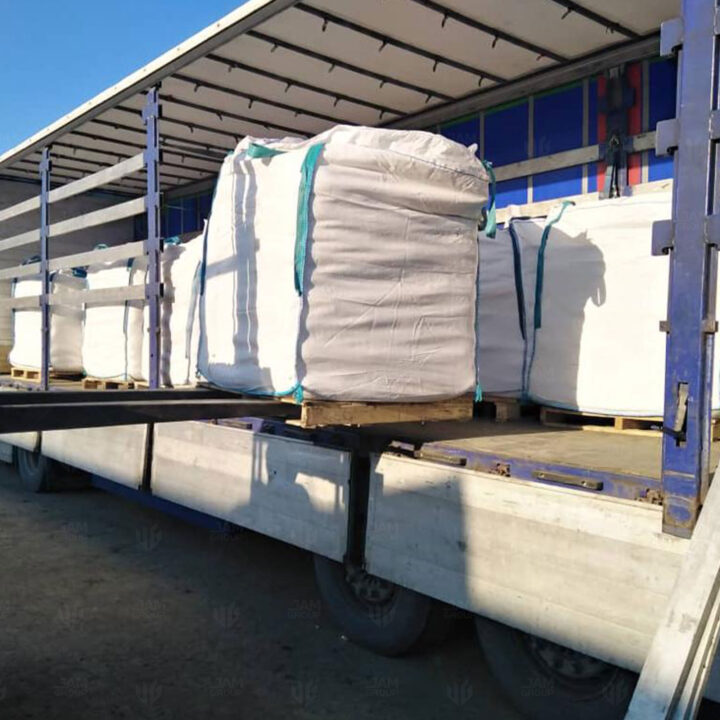
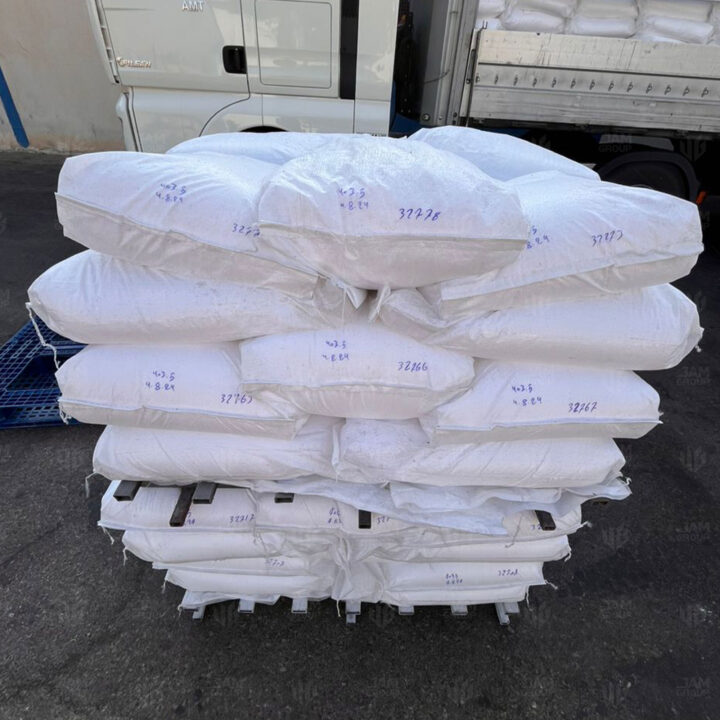
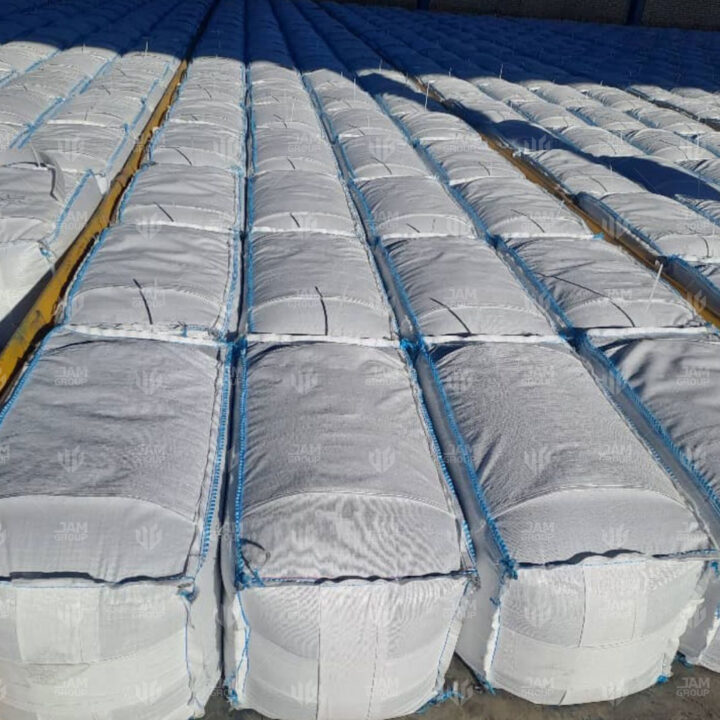
| Packing | 25 kg bags; 1,000-1,250 kg jumbo bags; bulk solution in IBC/ISO tank | – |
| Storage | Cool, dry, well‑ventilated; keep sealed; protect from moisture; avoid reactive metals | – |
Packaging Calcium Chloride At JAM Group Co.
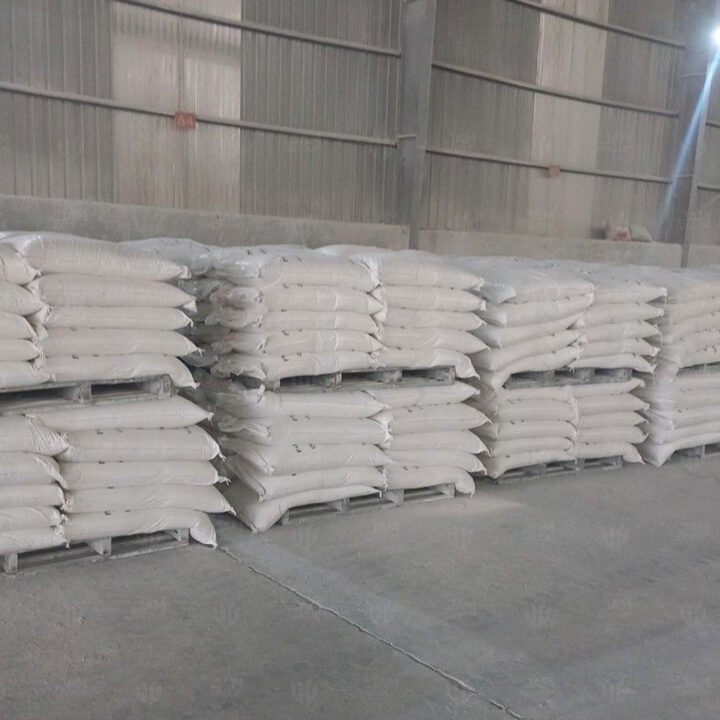
Packaging helps protect calcium chloride from moisture uptake, contamination, and physical damage during storage and transit. Because this salt attracts water, package integrity affects whether solid material remains manageable and whether its specified condition is maintained before use. Buyers selecting a calcium chloride 77% supplier also need to consider safe handling, available storage space, and compatibility between the packaging and the product’s physical form. For JAM Group Co., the role of a reliable calcium chloride supplier is relevant to these purchasing priorities: the requested grade and form should be considered alongside suitable packaging requirements. The following points describe general industry considerations for buyers.
- Bulk packaging formats: Common formats include bags for solids and suitable containers or tanks for liquid solutions. For a calcium chloride flakes supplier or calcium chloride granules supplier, selection depends on product form, order quantity, moisture resistance, and unloading arrangements.
- Preservation and sealing: Solid calcium chloride requires tightly sealed, moisture-resistant packaging to limit water absorption and caking. Closures should also protect against contamination; liquid containers require secure, leak-resistant sealing and compatible materials.
- Retail-ready and private-label formats: These have limited relevance to many industrial orders. Buyers seeking smaller resale packs should clarify labeling, hazard information, pack size, and whether the requested format is available.
- Palletization and export handling: For a CaCl2 exporter, calcium chloride bulk export requires consideration of stable stacking, protection against punctures and wet conditions, and securing loads against movement. Package strength and load distribution should suit the transport conditions and handling equipment.
○What is calcium chloride and where is it used?


Calcium chloride (CaCl₂) is a white, highly water-soluble inorganic salt. Hygroscopic by nature, it strongly attracts moisture. Common applications include road de-icing, dust suppression, concrete acceleration, refrigeration brines, desiccants, and industrial processing. Medical use exists as a 10% injectable solution for acute calcium replacement under professional supervision only.
○What physical properties define calcium chloride?
It has a molar mass of 110.98 g/mol, density ~2.15 g/cm³, and a melting point near 772 °C. It dissolves exothermically, forming clear solutions, and is soluble in water, acetic acid, alcohol, and acetone. Commercial forms include pellets, flakes, and granules, plus liquid solutions at specified concentrations.
○Why is calcium chloride so effective for de-icing and dust control?
Its strong hygroscopicity draws water from air and surfaces, forming brines that depress freezing points and keep roads wet, limiting re-freezing. The same moisture-binding reduces dust on unpaved roads. Exothermic dissolution speeds action in cold conditions, while high solution density improves persistence compared with sodium chloride.
○Which grades and specifications are typically requested?
Industries often specify anhydrous (≥94%) or dihydrate grades (≈74–77%), low-alkali content, and tight particle sizing. Liquids may be ordered at 28–35% concentrations for brine systems. Key QC parameters include purity, alkalinity, insolubles, heavy metals, and corrosion inhibitor presence when required for infrastructure or equipment protection.
○How does JAM Group Co. supply and package calcium chloride?
JAM Group Co. offers flakes, pellets, granules, and liquid solutions. Standard packs include 25-kg bags, 1–1.25-ton jumbo bags, IBCs, ISO-tanks, and bulk for large programs. We support EXW, FOB, CFR, and CIF terms, and provide SDS/COA, palletization, liner options, and moisture-controlled handling to preserve product integrity.
○Can JAM Group Co. customize specifications and support safe handling?
Yes—custom concentrations, particle sizes, and inhibitor packages are available. We provide application guidance (e.g., de-icing dosage, concrete set acceleration), corrosion considerations, and storage advice to minimize caking. Samples for qualification are arranged quickly, with batch-level COAs and coordinated lead times aligned to MOQs, shipment windows, and seasonal demand.
HOW CAN JAM GROUP HELP YOU?
Send us a message and our friendly team will get back to you within one business day.


